

What machine is used for 100 mesh coal gangue grinding? equipment selection and process analysis
Published: October 2023
For 100 mesh coal gangue grinding, the most suitable machines include the MTW European Trapezium Mill, LM Vertical Roller Mill, and Ball Mill, each offering distinct advantages depending on throughput, energy efficiency, and final product requirements. Coal gangue, a hard and abrasive byproduct of coal mining with a high silica content, demands robust equipment capable of handling input sizes up to 50mm while achieving a consistent 100 mesh (approximately 150 micron) output. The MTW mill excels in medium-capacity operations (3-40 tph) with its cone gear transmission and curved shovel blades that reduce wear costs. The LM vertical roller mill is ideal for large-scale processing (up to 400 tph), integrating crushing, drying, and grinding into one system, cutting floor space by 50% compared to ball mills. Ball mills, while mature in technology, are less energy-efficient but remain a viable option for smaller plants with wet grinding needs. Process analysis shows that pre-crushing, magnetic separation, and drying stages are critical to optimize mill performance and extend service life. This article provides a comprehensive equipment selection guide and step-by-step process analysis for coal gangue grinding to 100 mesh, addressing common customer pain points such as high wear, energy costs, and product consistency.
1. Understanding Coal Gangue and 100 Mesh Requirements
Coal gangue is a complex material composed of carbon, clay minerals, and quartz, with a Mohs hardness typically ranging from 3 to 6. Grinding it to 100 mesh (particle size ~150 μm) is a common requirement for applications like brick making, cement additive production, and backfill material. The challenge lies in the material's abrasiveness, which accelerates wear on grinding components. Customers frequently report issues such as frequent roller and ring replacement, high power consumption, and inconsistent fineness. Selecting the right machine requires a balance between capacity, energy efficiency, and maintenance costs. For 100 mesh, the target discharge particle size is moderate, allowing both Raymond-type mills and vertical roller mills to be competitive, while ball mills are often reserved for wet processes or small-scale production.
2. Machine Options for 100 Mesh Coal Gangue Grinding
2.1 MTW European Trapezium Mill
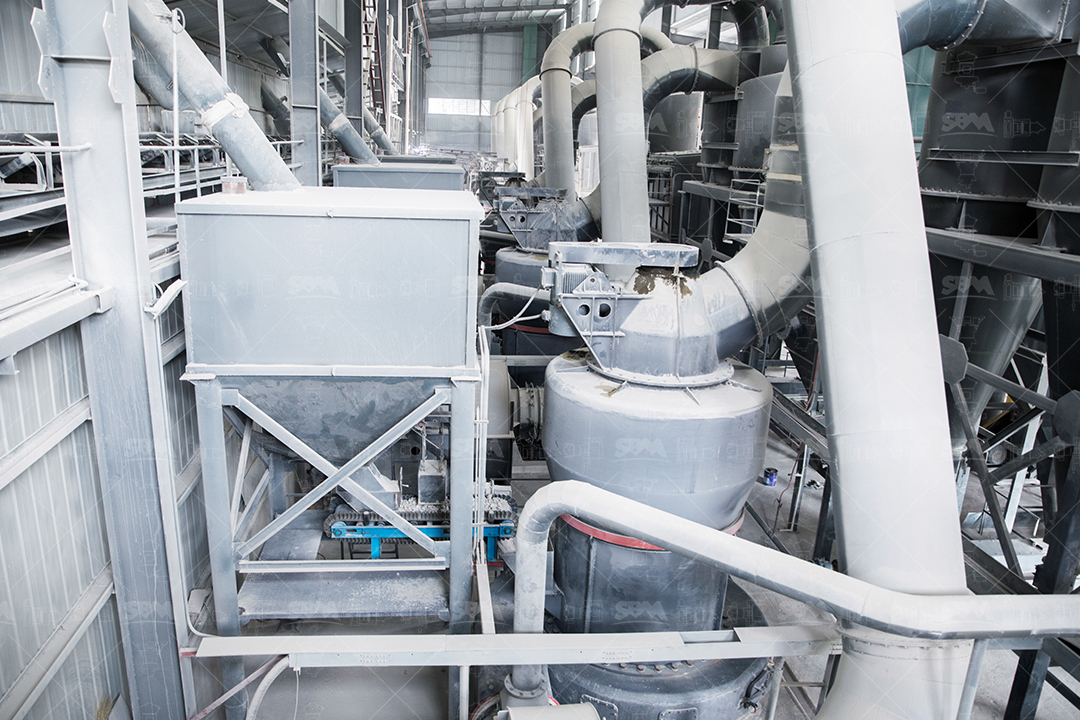
The MTW series mill, also known as MTW Raymond mill, is a top choice for medium-scale coal gangue grinding. It accepts feed up to 50mm and produces 30-400 mesh, with a capacity of 3-40 tph. Key features include a cone gear whole transmission that improves efficiency and saves space, and an arc air duct design that minimizes air energy loss. The combined-type shovel blade allows replacement of only the blade during maintenance, reducing wearing part costs. For 100 mesh, the mill operates at lower rotational speeds compared to ultrafine mills, ensuring stable particle size distribution. Customers benefit from lower operating costs due to the volute design that enhances wind-driven transmission efficiency. A typical setup includes a crusher, bucket elevator, electromagnetic feeder, the MTW mill, and a pulse dust collector.
2.2 LM Vertical Roller Mill
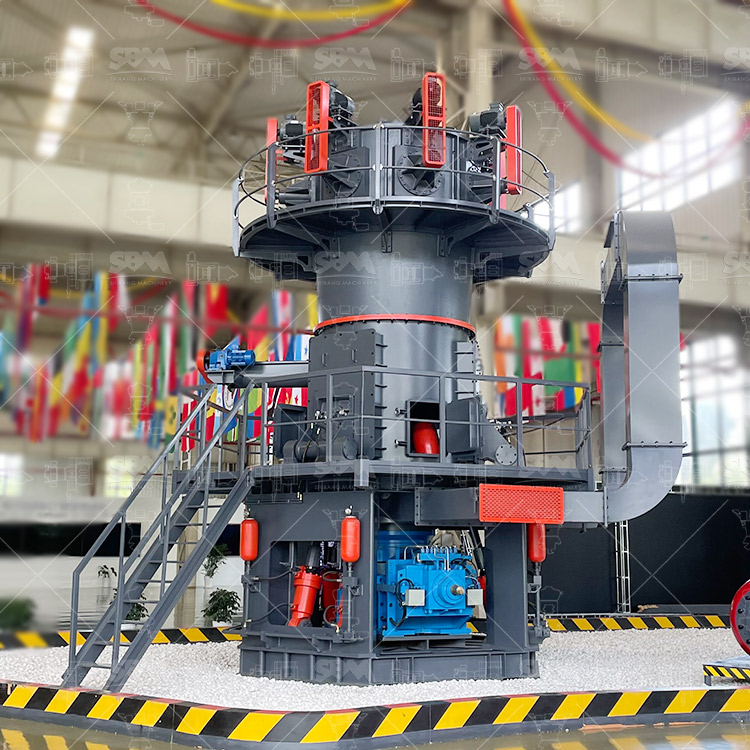
For high-capacity coal gangue processing (up to 400 tph), the LM vertical roller mill is unmatched. It integrates crushing, drying, grinding, and powder selection in one unit, reducing system complexity and footprint by 50% compared to ball mill systems. Input size is 0-50mm, output range 30-400 mesh. The grinding rollers and plate are made of high-quality material, resulting in 30-40% lower energy consumption than ball mills. The automatic control system enables remote operation, saving labor costs. For 100 mesh, the classifier speed is adjusted to achieve precise cut size, eliminating coarse particle spillover. This machine is ideal for large cement plants or power stations that need to process gangue continuously. However, initial investment is higher, so customers must evaluate long-term ROI.
2.3 Ball Mill
Ball mills have a long history in mineral processing and remain relevant for 100 mesh coal gangue grinding, particularly in wet applications. Input size is 0-25mm, output fineness 0.074-0.2mm (200-74 mesh), with capacity 3-65 tph. Optimized designs with new wear-resistant materials reduce metal ball consumption, but energy usage is still 30-40% higher than vertical mills. Ball mills are suitable for smaller plants with limited budget, but customers often complain about high noise levels and the need for frequent ball charging. For dry grinding, a closed-circuit system with a classifier is recommended to ensure consistent 100 mesh product.
3. Process Analysis for 100 Mesh Coal Gangue Grinding
An efficient process includes four key stages: pre-treatment, grinding, classification, and collection. First, raw coal gangue is crushed to below 50mm (for MTW or LM) or 25mm (for ball mill) using a jaw crusher or hammer crusher. Magnetic separation is critical to remove iron impurities that can damage mill components. Drying may be required if moisture exceeds 5%, as damp material causes clogging in mill chambers. Second, the crushed material is fed into the grinding mill. For MTW mill, the material is ground between the roller and ring, while in LM mill, it is ground between the roller and grinding table. Third, the ground powder is carried by airflow to a classifier, which returns coarse particles for regrinding. Finally, fine powder (100 mesh) is collected by a pulse dust collector or cyclone, ensuring environmental compliance. The entire system operates under negative pressure to prevent dust emissions.
4. Equipment Selection Criteria
When selecting a machine for 100 mesh coal gangue grinding, consider the following: (a) Capacity requirements – LM mill for >40 tph, MTW for 3-40 tph, ball mill for <65 tph; (b) Energy consumption – LM mill saves 30-40% energy over ball mill; (c) Maintenance complexity – MTW mill has replaceable shovel blades and lower wear cost, while LM mill has longer roller life but higher initial part cost; (d) Moisture content – LM mill can handle higher moisture with its drying function; (e) Final product quality – All three can achieve 100 mesh, but vertical mills offer more consistent particle size due to efficient classifiers. Customers often face the pain point of unexpected downtime, especially with ball mills due to liner breakage. The LM and MTW mills provide more stable operation with intelligent monitoring systems.
5. Customer Pain Points and Solutions
Common issues include: (1) High wear of grinding parts – solved by MTW's curved shovel blade design and LM's high-quality material roller; (2) High energy bills – LM mill reduces energy consumption significantly; (3) Inconsistent fineness – use of advanced classifiers in LM or MTW ensures precise control; (4) Dust pollution – all SBM mills feature negative pressure systems and pulse dust collectors; (5) Space constraints – LM mill's compact layout saves up to 50% area. Regular maintenance like checking air duct seals and replacing worn liners can prevent major breakdowns. SBM's service network in over 180 countries provides local support.
6. Conclusion
For 100 mesh coal gangue grinding, the MTW European Trapezium Mill is recommended for medium-capacity plants seeking low operational costs and easy maintenance. The LM Vertical Roller Mill is ideal for high-capacity, energy-efficient operations with integrated drying. Ball mills remain a budget-friendly option for small-scale, wet grinding. Process analysis shows that proper pre-treatment, including crushing and magnetic separation, combined with negative pressure collection, ensures product quality and environmental compliance. SBM offers complete grinding systems tailored to gangue characteristics, backed by decades of expertise and global service.
FAQ
Q: Why does my coal gangue mill produce inconsistent fineness at 100 mesh?
A: Inconsistent fineness often results from worn classifier blades or improper air flow. Check your classifier speed settings and ensure that the mill's air duct is free from blockages. For MTW or LM mills, adjust the frequency converter to stabilize rotor speed. Also, verify that the feed size does not exceed 50mm, as oversized material leads to uneven grinding.
Q: How can I reduce the high wear cost when grinding abrasive coal gangue?
A: Use mills with wear-resistant components like SBM's combined-type shovel blades (MTW) or high-quality material rollers (LM). Implement magnetic separation before feeding to remove iron impurities. Regularly inspect and replace only the worn parts (e.g., blade tips) rather than entire assemblies. Operating the mill at recommended pressures also minimizes wear.
Q: My current grinding system has high energy consumption; which machine should I choose?
A: If energy costs are a primary concern, the LM Vertical Roller Mill consumes 30-40% less energy than traditional ball mills. For medium throughput, the MTW mill also offers better efficiency than Raymond mills due to its cone gear transmission. Avoid over-grinding by setting the classifier to cut at exactly 100 mesh.
Q: Can I use a ball mill for dry grinding 100 mesh coal gangue?
A: Yes, but dry ball milling is less efficient and generates more dust. You will need a closed-circuit system with a high-efficiency classifier and a pulse dust collector to maintain product consistency and meet environmental standards. Consider vertical mills for better energy savings and lower maintenance.
Q: What pre-treatment is necessary before grinding coal gangue to 100 mesh?
A: First, crush the gangue to below 50mm (for MTW/LM) or 25mm (for ball mill) using a jaw or hammer crusher. Second, pass the material through a magnetic separator to remove tramp iron. Third, dry the material if moisture exceeds 5% to prevent clogging in the mill. A proper feed system with a bucket elevator and electromagnetic feeder ensures uniform feeding.


