

Multidimensional applications of quicklime in environmental protection: from desulfurization to soil remediation
Quicklime, also known as calcium oxide (CaO), has emerged as a cornerstone material in modern environmental protection strategies due to its high reactivity, low cost, and versatility across multiple treatment pathways. From flue gas desulfurization in coal-fired power plants to heavy metal stabilization in contaminated soils, quicklime's chemical and physical properties enable efficient neutralization, precipitation, and solidification of pollutants. This article provides a comprehensive overview of the multidimensional applications of quicklime in environmental protection, focusing on desulfurization, wastewater treatment, sludge conditioning, soil remediation, and industrial waste management. Drawing on decades of engineering experience and advanced grinding technologies—such as those developed by Shanghai SBM Machinery Equipment Co., Ltd.—we explore how high-fineness quicklime powders produced by MTW European Trapezium Mills, LM Vertical Roller Mills, SCM Ultrafine Mills, LUM Ultrafine Vertical Mills, and Ball Mills enhance reaction kinetics, reduce reagent consumption, and meet stringent emission standards. The integration of intelligent control systems and energy-efficient designs ensures that quicklime-based processes are both economically viable and environmentally sustainable, making them indispensable for industries seeking to comply with global environmental regulations.
1. Quicklime in flue gas desulfurization (FGD)
Flue gas desulfurization remains one of the most critical applications of quicklime in environmental protection. In coal-fired power plants and industrial boilers, sulfur dioxide (SO₂) emissions are a primary contributor to acid rain and respiratory hazards. Quicklime reacts with SO₂ to form calcium sulfite or calcium sulfate, which can be safely disposed or utilized in construction materials. The efficiency of this reaction depends heavily on the particle size and surface area of the quicklime powder. Fine grinding—achieved through equipment like the MTW European Trapezium Mill (input size 0–50 mm, output 30–400 mesh, capacity 3–40 tph)—produces uniform particles with high reactivity, reducing the amount of lime required and minimizing waste. The arc air duct design and cone gear whole transmission in SBM's MTW mill ensure stable operation and low energy consumption, even under continuous high-load conditions typical of FGD systems.
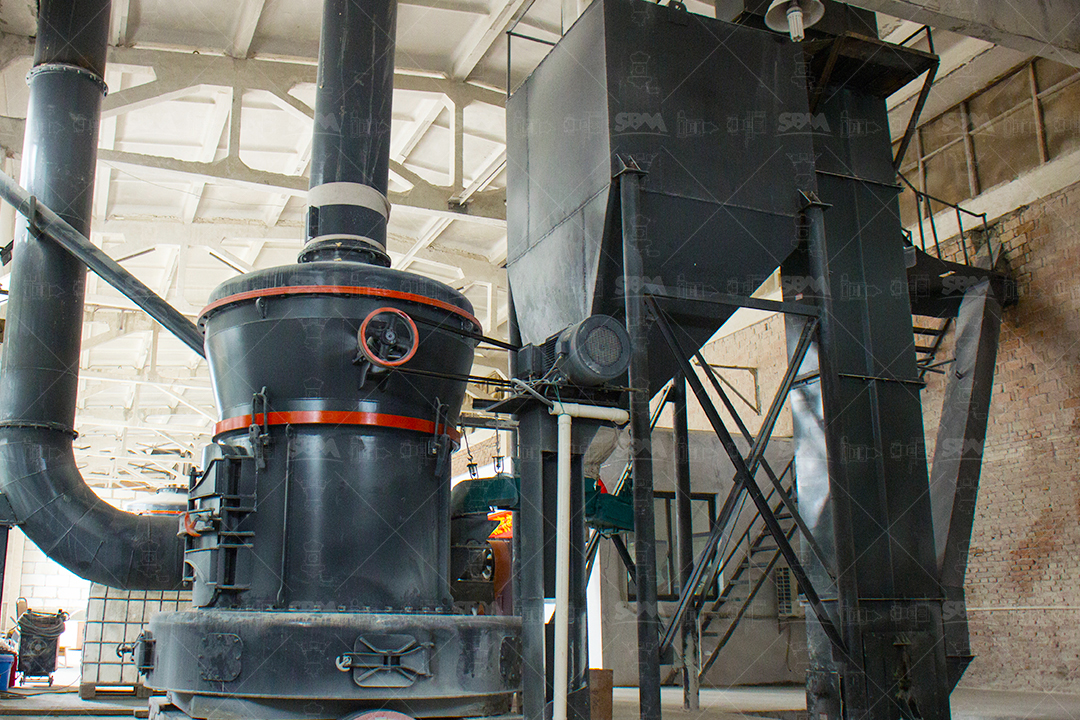
For larger-scale operations, the LM Vertical Roller Mill (input 0–50 mm, output 30–400 mesh, capacity 3–400 tph) integrates drying, grinding, and powder selection in one unit, offering floor space savings of up to 50% compared to ball mill systems. Its low wear rate and energy consumption (30–40% lower than ball mills) directly translate to reduced operating costs for desulfurization plants. The automatic control system enables remote operation, ensuring consistent product quality even as feed moisture or composition varies—a common pain point for plant managers.
2. Wastewater treatment and sludge conditioning
Quicklime is widely used for pH adjustment, phosphate precipitation, and heavy metal removal in industrial and municipal wastewater. When added to acidic effluents, it rapidly neutralizes pH and precipitates metal hydroxides such as Fe(OH)₃, Zn(OH)₂, and Cu(OH)₂. The high fineness of quicklime powder—produced by SCM Ultrafine Mill (output 325–4000 mesh, D97≤5 μm)—dramatically increases the surface area, accelerating dissolution and reaction rates. This is particularly beneficial for treating complex wastewaters from electroplating, mining, and chemical processing, where rapid and complete pollutant removal is required to meet discharge limits. The mill's frequency-conversion control allows operators to adjust fineness on the fly, adapting to varying feed materials without downtime.
In sludge conditioning, quicklime stabilizes organic matter and reduces pathogen content, enabling safe land application or incineration. The heat generated during hydration (exothermic reaction) further aids dewatering. The LUM Ultrafine Vertical Mill (capacity 10–70 tph, fineness 325–4000 mesh) incorporates Taiwan roller technology and German classification systems to produce powders with consistent particle distribution, ensuring uniform mixing with sludge. Its PLC/DCS automatic control system maintains stable grinding pressure, eliminating the common issue of particle segregation that can cause inconsistent treatment results.
3. Soil remediation and heavy metal immobilization
Contaminated soils from industrial activities, mining, and improper waste disposal pose long-term risks to ecosystems and human health. Quicklime-based remediation works through several mechanisms: (a) raising soil pH to reduce mobility of cationic heavy metals like Pb, Cd, and Zn; (b) forming calcium-silicate-hydrate (C-S-H) gels that encapsulate contaminants; and (c) promoting precipitation of metal hydroxides and carbonates. Field studies show that quicklime application rates of 1–5% by weight can reduce leachable metal concentrations by over 90%, depending on soil type and contamination level.
The effectiveness of in-situ soil remediation relies on uniform distribution of quicklime powder throughout the soil matrix. SBM's Ball Mill (input 0–25 mm, output 0.074–0.2 mm, capacity 3–65 tph) is ideally suited for producing coarser quicklime fractions used in bulk soil blending, where controlled release is desired. For ex-situ treatment requiring high surface area, the ultrafine mills (SCM and LUM) produce powders that react within minutes, significantly shortening treatment cycles. Operators frequently report that precise fineness control—enabled by frequency conversion and tight rotor balancing—reduces overshoot of pH, avoiding the need for costly re-acidification or second applications.
4. Industrial waste stabilization and utilization
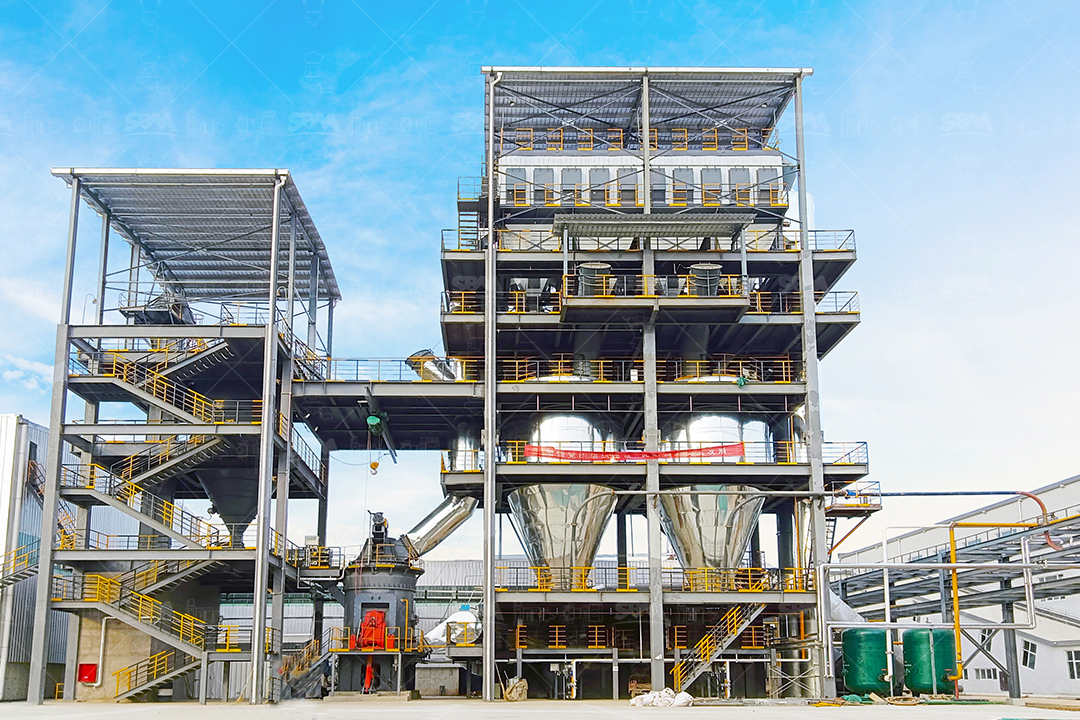
Quicklime plays a vital role in stabilizing hazardous industrial wastes, such as fly ash, incinerator bottom ash, and spent foundry sands. By reacting with free lime and silica, it forms cementitious compounds that reduce leachability and improve mechanical properties. This allows wastes to be safely landfilled or used as construction materials (e.g., road base, backfill). The grinding stage is critical: inconsistent particle size leads to incomplete reactions and weak binding. SBM's vertical roller mills, with their built-in drying capability, can process moist waste streams without pre-drying, saving energy and simplifying the process flow. The negative-pressure, fully sealed system prevents dust emission, meeting environmental standards while protecting operator health.
A common pain point in this industry is the high wear rate of grinding components when processing abrasive materials like fly ash. SBM addresses this through unique wear-proof designs: the MTW mill's combined-type shovel blade allows only the blade to be replaced during maintenance, while the LM mill's roller and grinding plate are made of high-quality alloys with no direct metal-to-metal contact, extending service life by several times. This directly reduces downtime and spare parts inventory costs—a significant advantage for plants operating 24/7.
5. Advanced integration for holistic solutions
Modern environmental protection demands not just individual unit operations but integrated systems that handle material from raw feed to finished product seamlessly. SBM Machinery provides total solutions encompassing crushers, feeders, conveyors, mills, classifiers, and dust collection systems. For quicklime applications, this means customers can obtain a complete turnkey plant where each component is matched for capacity, fineness, and energy consumption. The company's experience across over 180 countries and thousands of installations ensures that design parameters are based on real-world data, not theoretical calculations. Intelligent control systems enable remote monitoring and automatic adjustment of grinding pressure, separator speed, and feed rate, maintaining product quality despite variations in raw material hardness or moisture—a common frustration for operators in remote or harsh environments.
FAQs
Q1: Why does my current quicklime grinding system produce inconsistent particle size, leading to variable reaction rates in my FGD scrubber?
Inconsistent particle size is often caused by inadequate classification or worn grinding components. SBM's LM Vertical Roller Mill uses an integrated dynamic classifier with frequency-conversion control, allowing precise tuning of cut size. Additionally, the roller and grinding plate are made of wear-resistant alloys with extended service life, maintaining consistent performance over thousands of hours. Upgrading to a mill with automatic fineness control can eliminate batch-to-batch variability.
Q2: How can I reduce the high energy costs associated with grinding quicklime for soil remediation?
Energy consumption in grinding is directly related to the mill design. SBM's vertical roller mills consume 30–40% less energy than traditional ball mills due to the grinding rollers applying direct pressure to the material bed rather than relying on impact. The MTW trapezium mill also features an arc air duct that minimizes air resistance losses. For high-fineness applications, the SCM Ultrafine Mill offers up to double the capacity of jet mills with 30% lower energy use. A site audit by SBM engineers can identify the most energy-efficient configuration for your specific fineness targets.
Q3: We often face dust emissions and noise complaints from our quicklime grinding plant. Is there a solution that meets strict environmental standards?
Yes. SBM mills are designed with sealed systems operating under negative pressure, preventing dust spillover. The LM and LUM vertical mills incorporate sound insulation rooms and mufflers that reduce noise levels significantly. The SCM Ultrafine Mill uses a double-powder-collecting method (cyclone plus pulse dust collector) that exceeds international emission standards. Retrofitting an existing line with these mills can bring your plant into compliance while improving working conditions.
Q4: My quicklime contains moisture from storage, causing bridging and inconsistent feeding into the mill. How can this be handled without a separate drying step?
SBM's LM Vertical Roller Mill integrates drying, grinding, and powder selection in one unit. Hot air can be introduced into the mill housing to evaporate surface moisture during grinding, eliminating the need for a separate rotary dryer. The system is designed to handle feed moisture up to 15% (depending on model and settings). This integrated approach reduces capital investment and simplifies operation—a key advantage for plants with limited space or budget.
Q5: We need to produce multiple fineness grades of quicklime for different environmental applications (e.g., coarse for soil mixing, fine for FGD). Can a single mill handle this flexibility?
Absolutely. Both the MTW European Trapezium Mill and the LM Vertical Roller Mill offer adjustable fineness through classifier speed control and grinding pressure settings. The SCM Ultrafine Mill provides frequency-conversion control for ultrafine grades (325–4000 mesh). With a PLC-based system, you can save recipes for different product grades and switch between them in minutes. This eliminates the need for multiple dedicated mills, reducing both capital expenditure and maintenance complexity.


