

Process optimization and practices for raymond mill in non-metallic minerals
Published: October 26, 2023
In the non-metallic minerals processing industry, Raymond mill systems have long been a cornerstone for achieving fine powder production. However, operators frequently encounter challenges such as high energy consumption, excessive wear of grinding components, inconsistent product fineness, and costly maintenance downtime. This article provides a comprehensive overview of process optimization strategies and best practices for Raymond mill operations, drawing on actual industrial applications and engineering innovations. By focusing on key areas such as grinding mechanism refinement, air duct design, transmission efficiency, and intelligent control integration, mill owners can significantly reduce operating costs while improving throughput and product quality. The discussion includes comparative insights from modern mill designs, including the European Trapezium Mill and Vertical Roller Mill solutions, and offers actionable recommendations for non-metallic mineral processors seeking to enhance their grinding performance.
Understanding the grinding mechanism and wear challenges
The core of any Raymond mill lies in its grinding roller and ring assembly. Traditional designs suffer from rapid wear due to direct metal-to-metal contact and suboptimal feeding angles. Modern process optimization begins with the adoption of unique wear-proof perching knife designs, such as the combined-type shovel blade system. This innovation allows only the blade to be replaced during maintenance, drastically reducing wear part costs. The curved shovel blade geometry changes the material feeding angle, distributing the load more evenly across the roller and ring surfaces. This extends their service life by up to 30% compared to conventional designs, directly addressing one of the most common pain points for non-metallic mineral processors: frequent replacement of grinding components and associated downtime.
Air flow and classification optimization
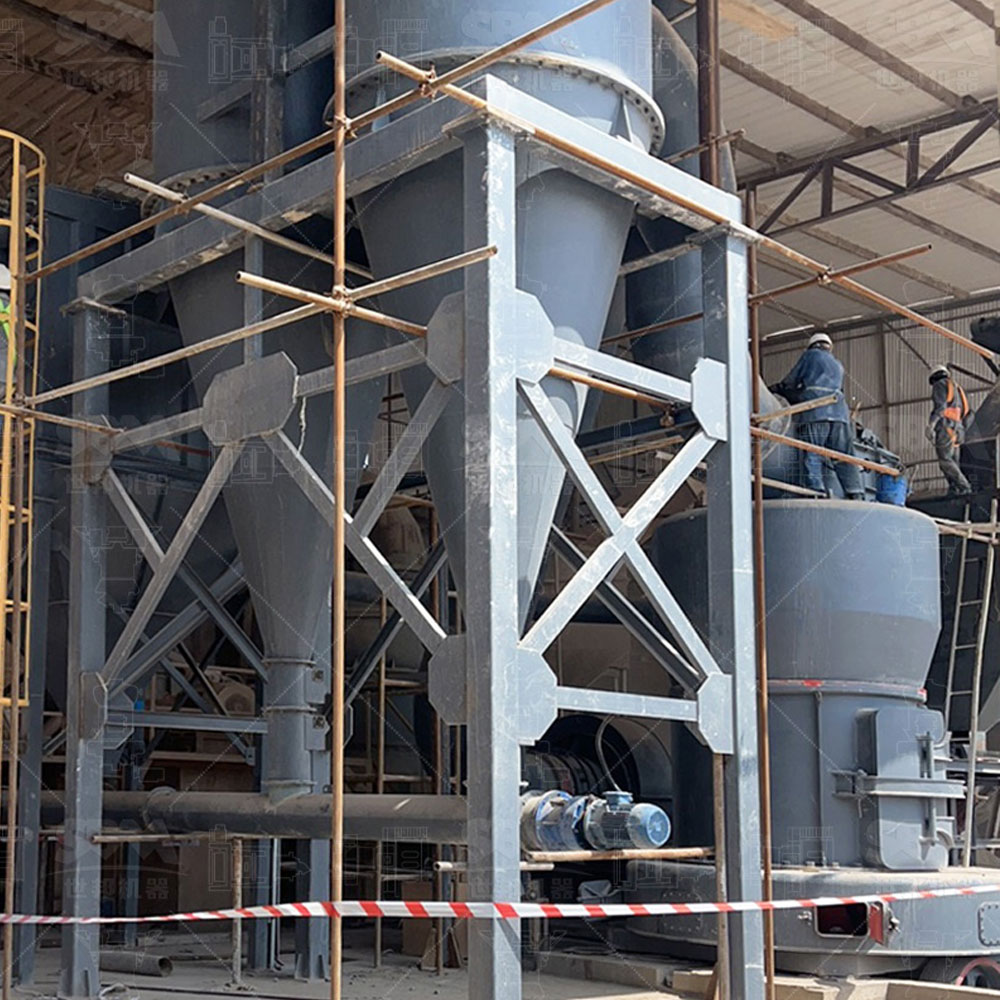
One of the most overlooked aspects of Raymond mill performance is the air duct system. Traditional straight or poorly designed air passages cause significant energy losses and reduce the efficiency of pneumatic material transport. The introduction of an arc air duct design, featuring a circular duct shape and high-strength guard plates, minimizes air energy loss and ensures consistent transportation velocity throughout the system. This is particularly critical for non-metallic minerals like calcium carbonate, talc, and barite, which have varying particle densities and moisture levels. The improved airflow also enhances the classification efficiency within the mill, resulting in a narrower particle size distribution and reduced recirculation load. Operators have reported a 15-20% increase in classification accuracy after retrofitting with advanced air duct systems, translating to higher throughput and better product quality.
Transmission efficiency and energy savings
Energy consumption remains a top concern for grinding operations. The traditional belt-driven or gearbox systems in older Raymond mills suffer from significant power losses and require frequent maintenance. The cone gear whole transmission system represents a breakthrough in this area. By integrating the bevel gear directly into the mill's main drive, this design achieves transmission efficiency exceeding 98%, compared to the 85-90% typical of conventional systems. For a mill operating at 100 kW, this represents annual savings of approximately 50,000 kWh. Furthermore, the compact layout reduces floor space requirements and lowers overall investment costs. Many operators in the non-metallic minerals sector have successfully retrofitted their existing mills with this transmission system, achieving payback periods of less than 18 months solely from energy savings.
Intelligent control and automation
Process optimization in modern Raymond milling extends beyond mechanical improvements to embrace digital automation. PLC and DCS control systems now enable real-time monitoring and adjustment of key parameters such as grinding pressure, roller speed, classifier rotor speed, and material feed rate. For instance, the automatic feedback system in advanced mills can detect changes in product fineness and immediately adjust the classifier speed or grinding pressure to maintain consistent output. This eliminates the need for constant manual supervision and reduces the risk of off-spec production. Additionally, remote control capabilities allow operators to manage multiple mills from a central control room, significantly reducing labor costs. In one case study involving a talc processing plant, the implementation of an automated control system reduced manual intervention by 70% and improved product consistency by 12%.
Comparative practices: Vertical roller mill vs. traditional Raymond mill
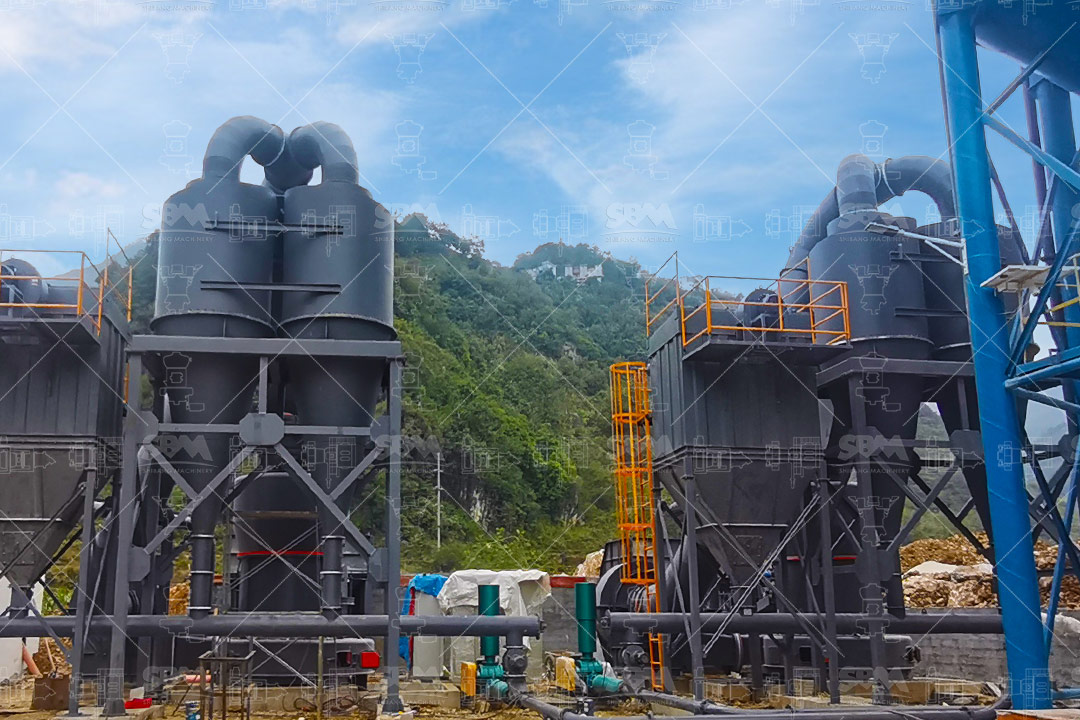
For non-metallic mineral processors with higher capacity requirements (above 40 tph), the vertical roller mill (VRM) offers distinct advantages over traditional Raymond mills. While both technologies share the basic principle of grinding under pressure, the VRM's design integrates crushing, drying, grinding, and classification into a single unit. The grinding rollers do not contact the grinding plate directly, leading to significantly lower wear rates and 30-40% lower energy consumption compared to ball mill systems. The equipment's compact footprint, about 50% of a ball mill system, allows outdoor installation and reduces civil construction costs. However, for operations requiring finer products (325-2500 mesh) at lower capacities, the ultrafine mill remains the preferred choice. The choice between these technologies should be based on a detailed analysis of product specifications, capacity requirements, and total cost of ownership.
Maintenance practices and spare part management
Effective maintenance is critical for sustaining optimized performance. Key practices include regular inspection of grinding roller and ring wear patterns, monitoring of oil levels in the internal lubrication system, and checking the condition of the air duct guard plates. For the combined-type shovel blades, replacement is straightforward as only the blade tip needs changing, reducing downtime to under two hours. The internal oil absorption lubrication system eliminates the need for external oil pumps and filters, simplifying maintenance routines. Operators should also maintain a spare parts inventory strategy that prioritizes high-wear items such as blades, roller shells, and grinding rings, while keeping a minimal stock of lower-wear components like bearings and seals. Data from field operations suggest that a well-structured preventive maintenance program can increase equipment uptime by 15-20% and extend major overhaul intervals by 30%.
Environmental and regulatory compliance
Non-metallic mineral processors face increasing pressure to meet stringent environmental standards. Modern Raymond mill designs incorporate several features to address this. The volute design with unobstructed wear-resistant channels improves wind-driven transmission efficiency while reducing material buildup and maintenance frequency. The entire system operates under negative pressure, with multiple seals and a pulse dust collector achieving dust emission levels below 10 mg/Nm³. Noise levels are managed through optimized sound insulation rooms and mufflers, with typical operating noise below 85 dB(A) at one meter distance. For processors of talc, calcium carbonate, and kaolin, where dust control is particularly challenging, the combination of negative pressure operation and efficient double powder collection methods ensures compliance with even the most demanding local regulations.
In conclusion, process optimization for Raymond mills in non-metallic minerals processing requires a holistic approach that addresses mechanical design, air flow dynamics, transmission efficiency, automation, and maintenance practices. By adopting advanced technologies such as arc air ducts, cone gear transmissions, and PLC-controlled automation systems, operators can achieve significant improvements in productivity, energy efficiency, and product quality. The choice of specific technologies should be guided by a thorough analysis of operational requirements and economic factors, with a focus on total cost of ownership rather than initial capital expenditure.
Frequently Asked Questions (FAQ)
- Why does my Raymond mill produce inconsistent product fineness, and how can I fix it?
Inconsistent fineness often results from uneven material feed or worn classifier blades. Ensure your feeder delivers a steady, uniform supply, and inspect the classifier rotor for wear. Upgrading to a frequency-controlled classifier can provide precise speed adjustment for stable output. - We are experiencing rapid wear of grinding rollers. What is the most cost-effective solution?
Consider retrofitting with combined-type shovel blades, which allow you to replace only the blade tip rather than the entire assembly. Also, verify that the feeding angle is optimized—curved shovel blades can reduce roller and ring wear by up to 30%. - Our mill's energy consumption is higher than expected. Are there specific areas we should investigate?
Check the transmission system first. If it is belt-driven, upgrading to a cone gear whole transmission can improve efficiency by 8-13 percentage points. Also examine the air duct for leaks or blockages that might force the fan to work harder. - How can we reduce maintenance downtime in our grinding operation?
Implement a preventive maintenance schedule focusing on the most wear-prone parts: blades, roller shells, and grinding rings. Maintain a small inventory of these items. Using the internal oil absorption lubrication system eliminates the need for frequent external oil changes. - Our factory is subject to strict dust and noise regulations. Which Raymond mill features are most effective for compliance?
Seek mills with negative pressure operation, full sealing, and pulse dust collectors. The volute design with wear-resistant liners improves efficiency and reduces dust leaks. For noise control, sound insulation rooms and mufflers can reduce levels to below 85 dB(A).


