

Wide industrial applications of fiberglass
Published on October 26, 2023
Fiberglass has emerged as a cornerstone material across numerous heavy industries due to its unique combination of lightweight properties, high tensile strength, corrosion resistance, and thermal insulation capabilities. From power generation and building materials to mining, metallurgy, and new energy sectors, fiberglass components are increasingly replacing traditional metals and alloys in demanding environments. The material's adaptability allows it to be engineered into complex shapes for specialized equipment, including grinding mills, classifiers, and dust collection systems. In the mineral processing workflow, fiberglass is particularly valued for its ability to withstand abrasive slurries, acidic chemicals, and extreme temperatures without degradation. As industries worldwide push for higher efficiency, lower maintenance costs, and longer equipment service life, fiberglass has transitioned from a niche material to a mainstream solution for structural and functional applications in powder processing, environmental desulfurization, and heavy calcium carbonate production. This article explores the diverse industrial applications of fiberglass, drawing on real-world case studies and technical insights from equipment manufacturers serving over 180 countries.
Power Generation and Environmental Desulfurization
In coal-fired power plants, fiberglass plays a critical role in flue gas desulfurization (FGD) systems. The material is used for scrubber towers, ductwork, stack liners, and piping that handle corrosive limestone-gypsum slurries. Unlike stainless steel, which can suffer from chloride-induced stress corrosion cracking, fiberglass maintains structural integrity for decades. For limestone powder preparation, vertical roller mills equipped with fiberglass-reinforced classifier cones and air ducts achieve consistent 200-325 mesh fineness for efficient sulfur removal. The arc air duct design in modern European trapezium mills, for instance, incorporates fiberglass composites to reduce air energy loss and improve transportation efficiency. Power plant operators report 30% longer replacement cycles for fiberglass components compared to traditional materials, directly reducing downtime and operational costs.
Building Materials and Cement Production
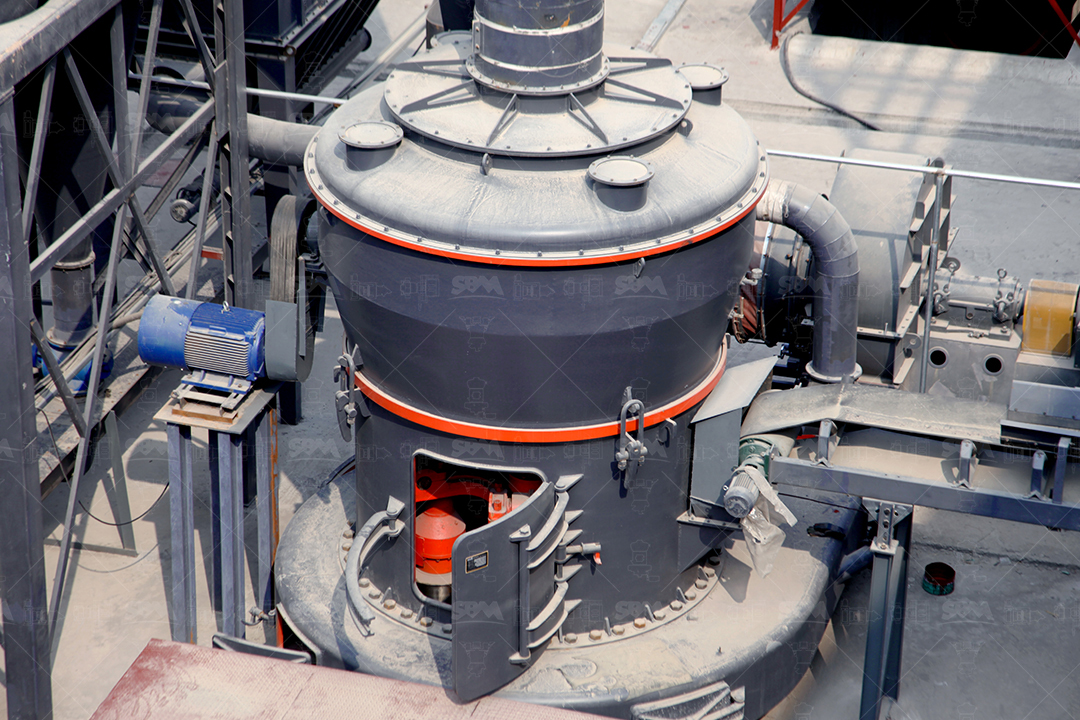
The building materials industry is one of the largest consumers of fiberglass, particularly for cement production and concrete reinforcement. Fiberglass fibers are added to concrete to improve tensile strength and reduce cracking. In cement grinding plants, ball mills and vertical roller mills use fiberglass liners and grinding tables to handle abrasive clinker at temperatures exceeding 200°C. The material's low thermal conductivity also makes it ideal for insulation covers on grinding equipment, reducing heat loss and improving energy efficiency. For slag micro-powder production, fiberglass-reinforced wear plates in LM vertical roller mills extend service life by 40% compared to traditional steel plates. The compact layout of vertical mills—requiring only 50% of the floor space of ball mill systems—is made possible partly by lightweight fiberglass ducting and housing components that simplify outdoor installation.
Mining and Metallurgy
In mining operations, fiberglass is essential for handling abrasive slurries and corrosive reagents in mineral processing. Froth flotation cells, thickener tanks, and cyclone separators are commonly fabricated from fiberglass reinforced plastic (FRP) to resist wear from silica particles and chemical attack from acids used in ore leaching. SBM Machinery's ultrafine mills, used for grinding barite, kaolin, and wollastonite down to D97≤5μm, feature fiberglass powder classifiers that provide accurate cut sizes without coarse powder spillover. In metallurgy, fiberglass grinding rollers and rings in LUM ultrafine vertical mills achieve several times higher durability than conventional materials, thanks to special composite formulations. Mines in Chile and Australia have reported 25% higher throughput after switching to fiberglass-reinforced grinding components, with lower energy consumption and reduced maintenance intervals.
Chemical and Non-Metallic Mineral Industries
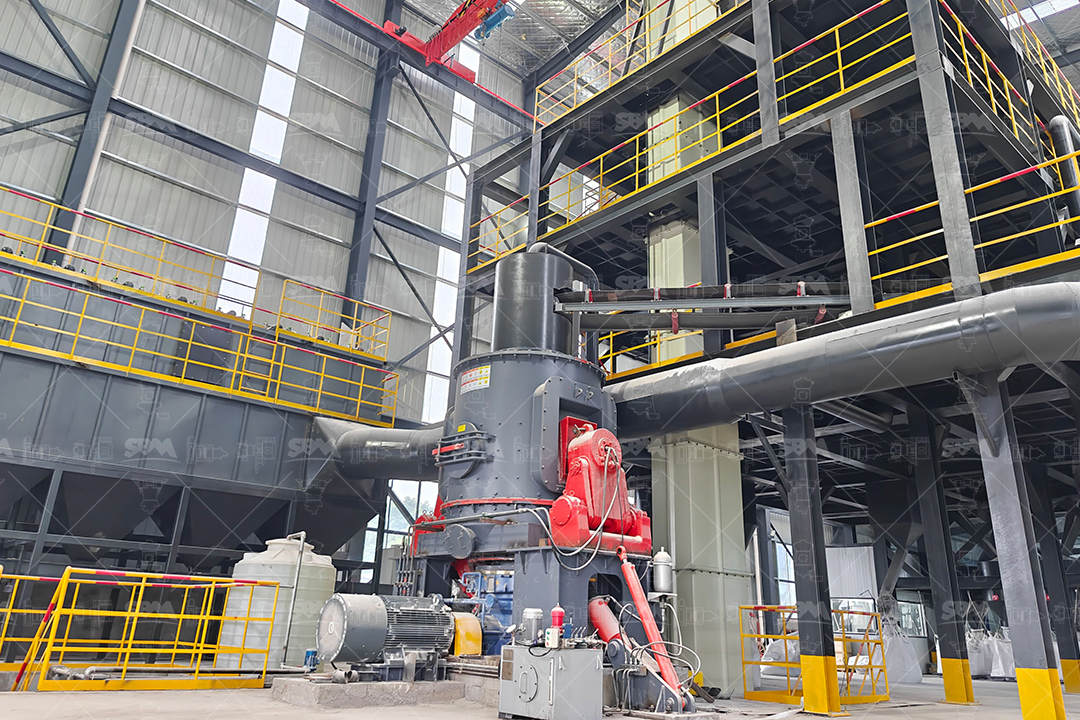
The chemical industry relies on fiberglass for storage tanks, reaction vessels, and piping systems that handle aggressive solvents and high-purity requirements. For non-metallic mineral processing, such as talc, dolomite, and gypsum grinding, fiberglass mill bodies eliminate metal contamination, preserving product purity. Ultrafine grinding mills achieve 2500-mesh fineness for masterbatch and PVC applications, with fiberglass sound insulation rooms reducing noise to 75 dB. The efficient double powder collection method in SCM mills uses fiberglass filter bags in pulse dust collectors, achieving dust emission levels below 10 mg/Nm³—far exceeding international standards. In the new energy sector, fiberglass components are used for lithium battery material grinding, where contamination control is paramount. The material's non-reactive surface ensures that electrode materials maintain their electrochemical properties during processing.
Key Technical Advantages of Fiberglass in Grinding Equipment
Fiberglass integration into modern grinding mills brings several quantifiable benefits. First, the wear-proof perching knife design in MTW trapezium mills uses composite blade materials that only require blade replacement during maintenance, reducing spare parts costs. Second, arc air ducts made from fiberglass minimize energy losses and protect working surfaces with high-strength guard plates. Third, the volute design in mill housings improves wind-driven transmission efficiency while reducing material buildup. Fourth, fiberglass rollers and grinding plates in vertical mills do not contact directly, combined with high-quality composites, achieving 30-40% lower energy consumption than ball mill systems. Finally, the fully sealed negative pressure operation of fiberglass-encased mills prevents dust leakage, meeting stringent environmental regulations without additional abatement equipment.
Global Reach and Customer Trust
With over 180 countries served, SBM's grinding equipment demonstrates the universal acceptance of fiberglass in industrial applications. From European trapezium mills processing petroleum coke in the Middle East to ultrafine vertical mills grinding calcium carbonate in Southeast Asia, fiberglass components consistently deliver reliable performance in diverse climates and operating conditions. Customers particularly value the reduced maintenance frequency—typically 50% longer intervals between overhauls—and the ability to process abrasive materials without compromising product quality. As industries continue to demand finer powders, higher throughput, and stricter environmental compliance, fiberglass will remain a key enabler of technological advancement in grinding systems.
FAQ
Q1: Can fiberglass grinding components handle materials with high moisture content?
Yes. Fiberglass components in LM vertical roller mills are designed with integrated drying functions. The system can process materials with up to 15% moisture content by utilizing hot gas flow within the mill. For wetter materials, pre-drying equipment can be added upstream. The non-porous surface of fiberglass also prevents material sticking, ensuring consistent throughput.
Q2: How does fiberglass compare to metal in terms of lifespan for grinding rollers?
Fiberglass composite rollers and rings typically last 3-5 times longer than conventional metal alloys in abrasive applications. The special material formulation in SCM ultrafine mills resists wear from silica and feldspar particles. Field data from limestone grinding operations show fiberglass rollers exceeding 12,000 operating hours before replacement, compared to 3,000-4,000 hours for traditional materials.
Q3: Is it possible to retrofit existing ball mills with fiberglass components?
Yes. Many older ball mill systems can be upgraded with fiberglass liners, classifiers, and discharge grates. The retrofit typically reduces overall weight by 30%, lowering foundation stress and power consumption. SBM offers customized conversion kits that include fiberglass wear plates and air ducts, often increasing capacity by 15-20% while reducing noise levels.
Q4: What maintenance is required for fiberglass grinding mill parts?
Fiberglass components require minimal maintenance. Regular inspection for surface cracks or delamination is recommended every 500 operating hours. Cleaning with compressed air or water is sufficient to remove dust buildup. Unlike metal parts, fiberglass does not require lubrication or anti-corrosion coatings. Replacement intervals are typically 18-24 months under normal operating conditions.
Q5: Can fiberglass mills achieve the same fineness as metal mills for ultrafine powders?
Yes, and often better. The multi-rotor powder classifier in LUM ultrafine vertical mills uses fiberglass rotors that achieve cutting accuracy within ±2% of target particle size. Finished products can reach D97≤5μm (approximately 2500 mesh) consistently. The smooth fiberglass surfaces also reduce coarse particle recirculation, improving classification efficiency by 10-15% compared to metal classifier wheels.


