

Ultrafine ring roller mill — a powerful tool for high-precision mineral powder processing
Published on: October 5, 2023
In the rapidly evolving landscape of mineral powder processing, achieving ultra-fine particle sizes with consistent quality, high throughput, and minimal operational costs remains a paramount challenge for producers worldwide. The Ultrafine Ring Roller Mill, specifically the SCM Series Ultrafine Grinding Mill and LUM Ultrafine Vertical Roller Mill developed by Shanghai SBM Machinery Equipment Co., Ltd., has emerged as a transformative solution. These mills are engineered to deliver powders with fineness ranging from 325 to 4000 mesh, with a disposable fineness reaching D97 ≤ 5μm, setting a new benchmark in the industry. Unlike traditional Raymond mills or ball mills that struggle with high energy consumption, frequent wear, and limited fineness control, SBM's ultrafine ring roller mills integrate advanced technologies such as cone gear transmission, arc air duct design, and multi-rotor powder classifiers. This combination not only enhances grinding efficiency but also ensures low energy consumption (up to 30% lower than jet mills), reduced maintenance downtime, and superior environmental compliance. With over 180 countries served and decades of R&D expertise, SBM's ultrafine mills are the preferred choice for industries ranging from non-metallic minerals and new energy materials to chemicals and construction. Below, we delve into the technical features, advantages, and pain-point solutions that make these mills indispensable for high-precision mineral processing.
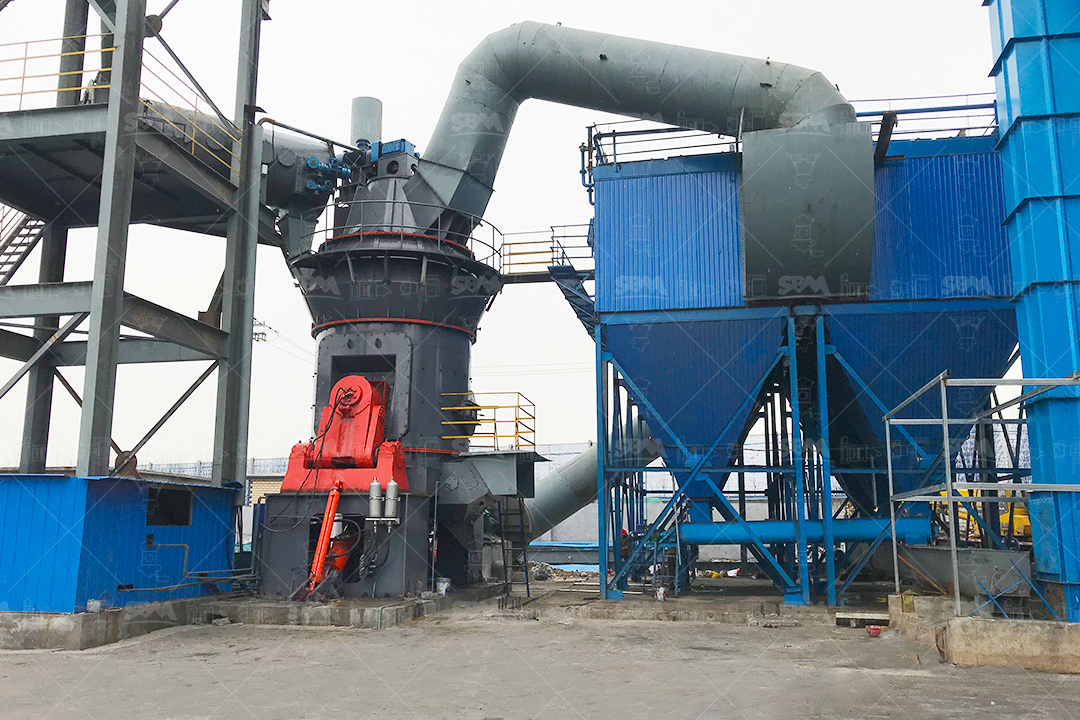
Core Technology and Design Innovations
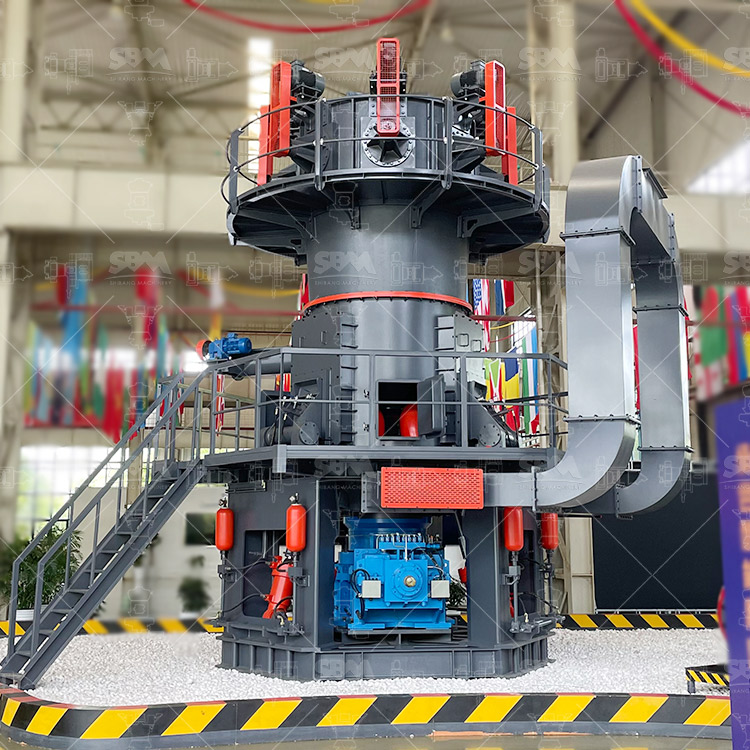
The Ultrafine Ring Roller Mill line from SBM comprises two flagship models: the SCM Series Ultrafine Grinding Mill and the LUM Series Ultrafine Vertical Roller Mill. Both share a common philosophy of maximizing efficiency while minimizing operational complexity. The SCM mill, with input sizes up to 20mm and capacity ranging from 0.5 to 25 tph, is ideal for smaller to medium-scale operations demanding extreme fineness (325-4000 mesh). Its heavy rotor design and special material rollers and rings ensure durability several times higher than conventional mills, while the absence of bearing screws in the grinding chamber guarantees vibration-free operation. On the other hand, the LUM Ultrafine Vertical Mill, with a capacity range of 10-70 tph, caters to high-volume ultrafine grinding of calcite, marble, limestone, talc, and other non-metallic ores. It adopts Taiwan-based grinding roller technology and German powder separation technology, enabling precision classification with no low-grade material carryover. Both mills feature intelligent control systems (PLC/DCS) that allow remote operation, real-time monitoring, and automatic adjustment of grinding pressure, disc speed, and classifier speed—eliminating the guesswork and labor-intensive oversight common with older technologies.
Addressing Common Industry Pain Points
1. High Energy Consumption and Low Output
One of the most persistent complaints from mineral processors is the prohibitive energy cost of achieving ultra-fine powders. Traditional ball mills, for instance, consume massive amounts of power due to the friction and impact of metal balls, while jet mills waste energy in high-velocity air streams. SBM's ultrafine ring roller mills tackle this directly. The SCM series delivers capacity more than double that of jet mills with 30% lower energy consumption, thanks to its efficient grinding mechanism and advanced powder classifier. The LUM series further optimizes energy use by adopting grinding curves specifically designed to form material beds, enhancing grinding efficiency and increasing the proportion of finished products from primary grinding—meaning less recirculation and wasted power.
2. Frequent Wear and High Maintenance Costs
Worn rollers and rings are a leading cause of downtime and spare-part expenses. SBM addresses this with unique wear-proof perching knife designs and special alloy materials for rollers and rings. In the SCM mill, the combined-type shovel blade allows replacement of only the blade during maintenance, not the entire assembly. The LUM mill's roller shell and lining plate are engineered with optimized curves that reduce wear rates. Additionally, the mills utilize an inner oil absorption lubrication system and cone gear integral transmission, which not only reduce friction but also extend the lifespan of transmission components. Operators report significantly lower per-ton maintenance costs compared to conventional Raymond mills or ball mills.
3. Inconsistent Product Fineness and Quality
Producers often struggle to maintain tight particle size distributions, especially when switching between materials or production batches. SBM's ultrafine mills incorporate frequency-conversion control and efficient vertical turbine powder classifiers (SCM) or multi-rotor classifiers (LUM). These systems allow precise cutting-size adjustment with no spillover of coarse powder. The one-time finished product can achieve D97 ≤ 5μm, and partial fineness can reach up to 2500 mesh—a level of consistency verified by geoscientific research institutes. The intelligent control system automatically adjusts parameters such as grinding pressure and classifier speed, ensuring stable output quality even with varying feed characteristics.
4. Environmental Compliance and Dust Control
Stringent environmental regulations are a growing concern globally. Traditional milling operations often face fines or shutdowns due to dust emissions and noise pollution. SBM's ultrafine ring roller mills are designed with full sealing and negative-pressure operation, preventing any powder spillover. The double powder collection method combining pulse dust collectors and powder collectors achieves dust-capture efficiency far exceeding international standards. Optimized sound insulation rooms and mufflers further reduce noise spread, making these mills suitable for operation near residential areas or in ecologically sensitive zones. The LUM series, in particular, meets national environmental protection requirements with minimal vibration and low noise levels.
5. Limited Flexibility and Scalability
Small-to-medium enterprises often require equipment that can handle multiple materials and adapt to changing market demands. SBM's ultrafine mills offer flexible fineness adjustment (325-4000 mesh) and can process a wide range of materials including calcite, marble, limestone, talc, barite, kaolin, gypsum, feldspar, and even petroleum coke. The modular design of the LUM mill allows easy integration into existing grinding systems, and the PLC-based control enables free switching between remote and local control. This scalability means businesses can start with a single unit and expand capacity without replacing core infrastructure.
Applications Across Industries
The ultrafine ring roller mills from SBM have proven effective in environmental desulfurization limestone powder preparation, large-scale non-metallic mineral powder processing (such as GCC for plastics and paints), coal powder preparation, petroleum coke grinding, slag micro-powder production for cement additives, and new energy materials like battery-grade powders. In the plastics industry, for example, the LUM mill is used to produce ultrafine calcium carbonate filler (< 10μm) that enhances tensile strength and reduces material costs. In the construction sector, it grinds slag and fly ash into high-performance micro-powder that improves concrete durability. The versatility and precision of these mills make them a cornerstone of modern mineral processing.
Conclusion
As the demand for ultra-fine, high-purity mineral powders accelerates across industries, the Ultrafine Ring Roller Mill by SBM offers a proven, cost-effective, and environmentally sustainable solution. By addressing critical pain points such as high energy consumption, wear, inconsistent fineness, and regulatory compliance, these mills empower producers to achieve higher throughput with lower operating costs. With over 180 countries served and continuous innovation grounded in decades of R&D, SBM remains a trusted partner for grinding solutions that meet the highest international standards.
FAQ
1. What is the typical lifespan of the grinding rollers and rings in an ultrafine ring roller mill?
The lifespan depends on the material being ground and operational parameters. However, due to the use of special alloy materials and the unique perching knife design, the rollers and rings in SBM's SCM and LUM mills typically last 2-3 times longer than those in traditional Raymond mills, reducing replacement frequency by up to 60% under normal operating conditions.
2. Can the ultrafine mill handle materials with high moisture content, such as limestone with 10% moisture?
Yes, the LUM Ultrafine Vertical Mill integrates drying, grinding, and classification. The hot air flow inside the mill can effectively evaporate surface moisture up to 10-15% during the grinding process, eliminating the need for separate drying equipment. However, for materials exceeding 15% moisture, a pre-drying step may be recommended.
3. How does the fineness of the final product compare to that from a ball mill or jet mill?
SBM's ultrafine ring roller mills consistently produce powders with D97 ≤ 5μm (equivalent to about 2500 mesh) in a single pass, while ball mills typically achieve only 200-400 mesh without classification, and jet mills often require multiple passes to reach similar fineness. The particle size distribution is also narrower, with less oversize material.
4. What are the power requirements and floor space needed for a typical installation?
A standard SCM series mill (capacity 0.5-25 tph) requires approximately 80-250 kW of installed power and occupies about 100-300 m² of floor space, depending on auxiliary equipment. The LUM series (10-70 tph) requires 200-800 kW and 200-600 m². The integrated design reduces floor space by up to 50% compared to multi-equipment ball mill systems.
5. Is remote monitoring and automation available for these mills?
Absolutely. Both the SCM and LUM mills come with PLC/DSC automatic control systems that support remote monitoring and control via Ethernet or 4G connection. Operators can adjust grinding pressure, classifier speed, and feeder rate from a central control room or even a smartphone, enabling predictive maintenance and reducing the need for on-site staff.


