

Why open-circuit raymond mill is preferred for petroleum coke processing
Petroleum coke, a high-carbon byproduct of oil refining, poses unique challenges in grinding due to its abrasiveness, low volatility, and tendency to generate heat. The open-circuit Raymond mill, specifically the MTW Series European Trapezium Grinding Mill from SBM Machinery, has emerged as the industry-preferred solution for petroleum coke processing. This preference is rooted in its superior wear resistance, energy efficiency, and precise particle size control, all while operating in an open-circuit configuration that eliminates the need for a classifier return system—reducing capital investment, maintenance complexity, and downtime. Unlike closed-circuit systems that recirculate coarse particles, the open-circuit design ensures consistent, once-through grinding with a product fineness typically ranging from 30 to 400 mesh, aligning perfectly with petroleum coke applications in fuel blending, electrode manufacturing, and calcination feed. SBM's Raymond mill integrates cone gear whole transmission, arc air ducts, and volute designs to handle the high-specific-gravity and sticky nature of petroleum coke, making it a trusted choice across over 180 countries.
Petroleum coke grinding is notoriously demanding. The material's high hardness (often exceeding 80 HGI) and abrasive ash content accelerate wear on grinding components. Traditional ball mills or vertical roller mills may struggle with frequent roller and ring replacement, leading to unplanned shutdowns and skyrocketing operational costs. The MTW Raymond mill addresses this with its unique wear-proof perching knife design—a combined-type shovel blade that only requires replacement of the blade itself during maintenance, not the entire assembly. The curved blade geometry also optimizes the feeding angle, reducing direct impact on the roller and ring surfaces and extending their service life. For operations processing 3 to 40 tons per hour of petroleum coke, this translates to lower spare parts consumption and higher equipment availability—a critical advantage in high-volume industrial settings like power plants and calcining facilities.
_1778948343966.jpg)
Energy consumption is another persistent pain point for petroleum coke processors. The material's low grindability index means higher specific energy per ton produced. The MTW mill tackles this with its cone gear whole transmission system, which offers up to 30% higher transmission efficiency compared to traditional gearboxes. The arc air duct design further minimizes air energy loss, ensuring that the pneumatic conveying of ground coke—often prone to clogging due to its fine, sticky nature—remains efficient. The unobstructed volute improves wind-driven transport within the mill, reducing the load on the exhaust fan and lowering overall system power draw. For a typical 20-tph petroleum coke grinding line, these features can cut energy costs by 10–15% compared to older Raymond mills or ball mills, a significant saving in energy-intensive industries.
Product quality consistency is paramount, especially when petroleum coke is destined for anode-grade carbon or as fuel in cement kilns. The open-circuit MTW mill's output fineness can be precisely adjusted from 30 to 400 mesh via the classifier speed, without the need for secondary sorting. This eliminates the risk of over-grinding and particle degradation that can occur in closed-circuit systems where fine particles are recirculated. The mill's automatic control system ensures stable operation even under varying feed moisture (up to 10%), a common issue with petroleum coke stored outdoors. Operators can remotely adjust parameters, reducing labor costs and human error. For customers requiring both coarse fractions (e.g., 100 mesh for fuel) and ultra-fine fractions (e.g., 325 mesh for electrode paste), the MTW mill's on-the-fly fineness changeover capability provides unmatched flexibility.
Environmental compliance is no longer optional. Petroleum coke grinding generates fine dust that must be contained. The MTW mill operates under negative pressure with a fully sealed system, preventing dust spillover. Its low vibration and noise levels (typically below 85 dB) meet stringent workplace exposure limits. The mill can be paired with pulse dust collectors and optimized sound-insulation rooms, as seen in SBM's integrated grinding system designs. For processors in regions with strict emission standards—Europe, North America, parts of Asia—this built-in environmental performance avoids costly retrofits and fines. Moreover, the open-circuit layout reduces the number of auxiliary equipment pieces (e.g., bucket elevators for returns), simplifying the plant footprint and emission control points.
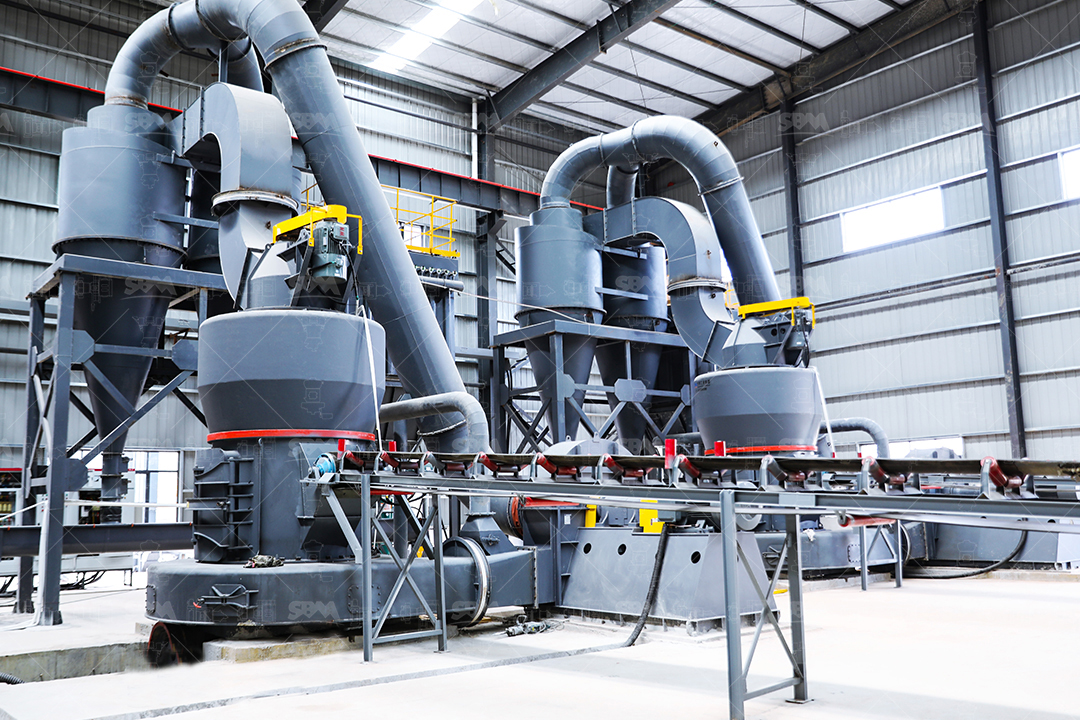
Maintenance simplicity is the final deciding factor. The open-circuit MTW mill's direct pass-through material flow avoids the complexity of classifier cone fouling and return pipe blockages common with closed-circuit mills. The combined-type shovel blade, as mentioned, only needs partial replacement. The grinding roller and ring can be serviced through a side door without dismantling the entire mill. SBM provides detailed maintenance manuals, remote troubleshooting, and global service networks with stockist points in major markets. For customers operating in remote locations—like oil refineries in the Middle East or mining sites in South America—this reduces dependence on specialized technicians and keeps the mill running during critical production windows.
In summary, the open-circuit Raymond mill, particularly SBM's MTW series, offers petroleum coke processors a balanced solution to their most pressing challenges: wear, energy cost, product quality control, environmental compliance, and maintenance complexity. Its proven track record across 180+ countries and decades of refinement—incorporating feedback from over 9,500 customers—makes it the preferred choice for new installations and upgrades alike. Whether for small-scale operations at 3 tph or large industrial lines at 40 tph, the MTW mill delivers consistent performance that protects both the bottom line and the surrounding environment.
Frequently Asked Questions (FAQ)
- Q: How does the open-circuit Raymond mill handle the high abrasiveness of petroleum coke without frequent roller and ring changes?
- A: The MTW mill's unique combined-type shovel blade reduces wear by optimizing the feeding angle, so only the blade itself needs periodic replacement—not the entire assembly. The curved design also extends roller and ring life by up to 30% compared to conventional Raymond mills.
- Q: My petroleum coke often contains up to 10% moisture from outdoor storage. Can the MTW mill process it without clogging or performance loss?
- A: Yes, the MTW mill's arc air duct and volute design create a stable airflow that handles sticky, moist materials. The mill can dry and grind simultaneously when combined with hot gas intake, maintaining throughput even with elevated moisture levels.
- Q: What is the typical power consumption difference between an open-circuit MTW mill and a closed-circuit ball mill for petroleum coke grinding?
- A: The MTW mill typically consumes 30–40% less energy than a ball mill system for the same throughput, thanks to its cone gear transmission and efficient air duct design. Plus, the open-circuit configuration eliminates the energy needed to recirculate coarse material.
- Q: Can the MTW Raymond mill produce consistent 325-mesh petroleum coke for electrode paste without a downstream classifier?
- A: Absolutely. The integrated classifier on the MTW mill can achieve D97 ≤ 5μm for ultrafine grades, and the open-circuit design ensures no oversize particles slip through. The precision frequency-conversion control lets you switch between coarse and fine specs without stopping the mill.
- Q: How do I ensure environmental compliance when installing an MTW mill for petroleum coke in a populated area?
- A: SBM recommends pairing the MTW mill with a pulse dust collector and sound-insulation enclosure—both standard options. The mill's negative-pressure operation already prevents dust escape, and noise levels are below 85 dB. Emissions meet EPA and EU standards without add-on scrubbers.


