

Barite powder production — raymond mill helps
Published: 2025-03-27
Barite powder, known for its high density and chemical inertness, is a critical material in oil drilling, paint, rubber, plastics, and barium chemical industries. The production of high-quality barite powder hinges on efficient grinding technology. Among various milling solutions, raymond mill stands out for its reliability, cost-effectiveness, and adaptability in processing barite ore (BaSO4) with specific gravity above 4.0. This article explores how SBM Machinery’s raymond mill series, including the MTW European Trapezium Grinding Mill and other advanced mills, addresses common production challenges such as low throughput, high energy consumption, wear-part replacement frequency, and inconsistent product fineness. By leveraging decades of engineering experience and customer feedback from over 9500 installations worldwide, SBM has refined its raymond mill design to deliver optimal performance in barite powder production — from coarse grinding at 30 mesh to fine powder up to 400 mesh, with capacities ranging from 3 to 40 tons per hour depending on configuration.
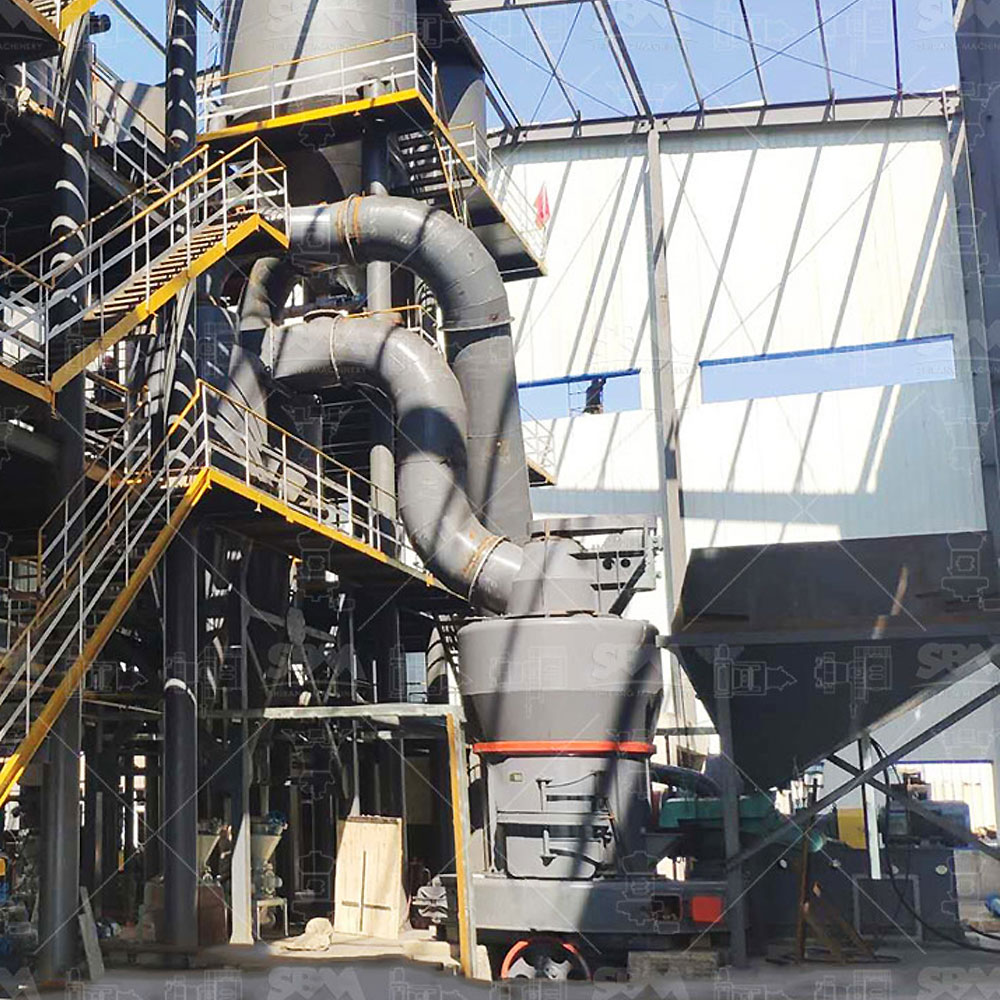
When operators face the task of grinding barite, the primary concerns often revolve around mechanical reliability and operating cost. Traditional mills suffer from high vibration, uneven wear of grinding rollers and rings, and frequent blockages in the air duct system. SBM’s MTW Series European Trapezium Grinding Mill directly addresses these points. Its cone gear whole transmission eliminates belt slippage and power loss, delivering higher transmission efficiency and saving floor space. The arc air duct design minimizes air energy loss, ensuring stable material transport even when processing dense barite ore. Additionally, the unique wear-proof perching knife design reduces replacement costs — only the blade tip needs swapping during maintenance, not the entire assembly. This is a direct benefit for barite processors who need to minimize downtime and spare parts inventory.
For those requiring higher output — beyond typical raymond mill capacities — SBM offers the LM Vertical Roller Mill, which integrates crushing, drying, grinding, and powder separation in one unit. With capacity up to 400 tph, it is an ideal choice for large-scale barite powder production. The LM mill’s automatic control system allows remote operation, cutting labor requirements. Its negative-pressure sealing effectively prevents dust leakage, a common pain point in barite processing due to fine particle generation. The grinding rollers do not contact the grinding plate directly, reducing wear and extending service life. This lowers overall operating costs by 30-40% compared to traditional ball mill systems. For barite producers aiming for superfine powder — fineness between 325 and 2500 mesh — the SCM Ultrafine Mill delivers D97≤5μm in one pass, with energy consumption 30% lower than jet mills but more than double the output. Its heavy rotor design and special material rollers ensure durability even when grinding highly abrasive barite.
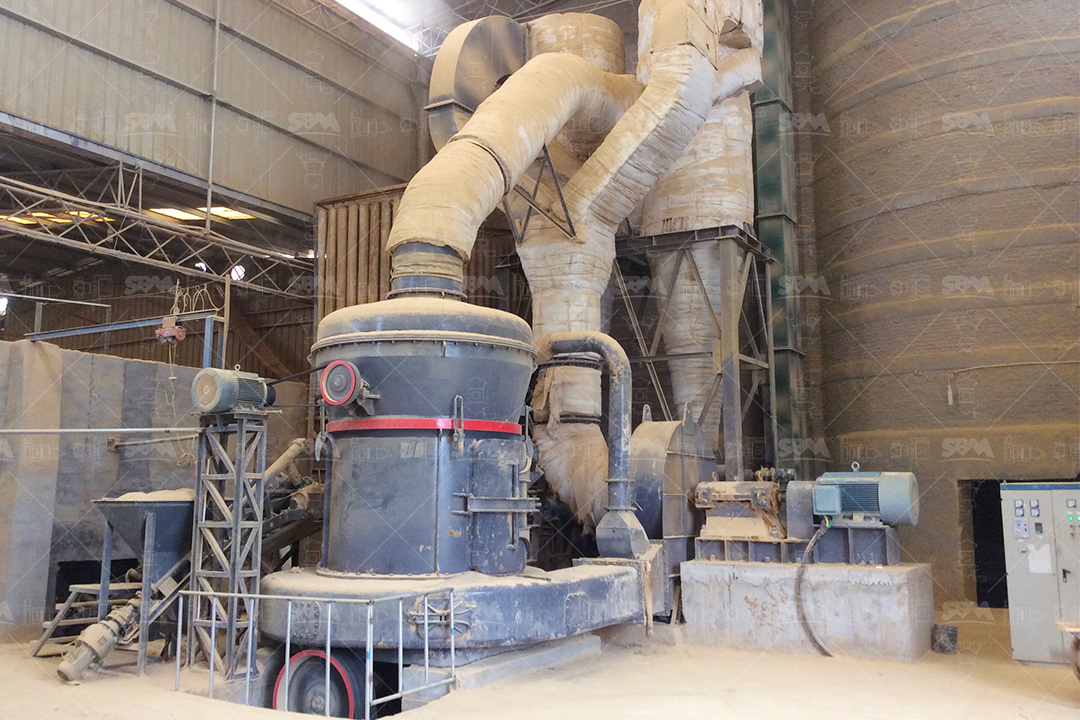
Another frequent issue is inconsistent fineness due to classifier inefficiency. SBM’s mills incorporate advanced powder separation technology. For example, the LUM Ultrafine Vertical Mill uses multi-rotor classifiers that allow custom selection of finished product fineness without low-grade material carryover. This is critical for barite used in premium applications like medical shielding or high-density paints. Furthermore, the entire grinding chamber in SBM mills is designed without bearing screws, eliminating vibration after balance treatment. This results in lower noise and longer stable operation. The environmental benefit should not be overlooked: barite grinding generates fine dust that must be contained. SBM equipment employs efficient double powder collection methods — bag filters and pulse dust collectors — meeting strict emission standards. The soundproof insulation rooms further reduce noise pollution, a common requirement in populated mining areas. With grinding mills exported to over 180 countries, SBM has accumulated expertise in handling various barite ore types, from high-iron content to moist feed. Whether the goal is preparing barite for oil well drilling weighting agents or for fine filler in plastics, the marriage of raymond mill technology with robust engineering provides a dependable path to consistent quality and lower total cost of ownership.
FAQ: Common Pain Points in Barite Powder Production with Raymond Mill
- Q: Why does my raymond mill produce inconsistent particle size distribution? A: Inconsistent fineness often stems from worn classifier blades or improper air flow settings. SBM’s MTW mill features an arc air duct that stabilizes air flow, and its adjustable classifier ensures precise cut sizes. Regular inspection of shovel blades and using the cone gear transmission for consistent power delivery also helps maintain uniformity.
- Q: The grinding rollers and ring wear out too quickly when processing barite. How can I extend their lifespan? A: Barite is abrasive due to its high hardness (3-3.5 Mohs). SBM’s unique perching knife design uses curved blades that change the feeding angle, reducing direct impact on rollers and rings. Additionally, the special alloy material in roller and ring sets, available as original parts, can last several times longer than generic alternatives.
- Q: My current mill has high energy consumption. What raymond mill features can reduce electricity costs? A: SBM’s LM Vertical Roller Mill consumes 30-40% less energy than ball mill systems because the rollers grind directly on the material bed without metal-to-metal contact. The MTW mill’s cone gear transmission also improves mechanical efficiency by minimizing friction loss. For ultra-fine grinding, the SCM mill uses a frequency converter to optimize motor load based on actual demand.
- Q: We’re struggling with dust emissions during barite grinding. Can raymond mills be fully sealed? A: Yes. SBM’s entire mill system operates under negative pressure with a fully sealed structure. The LUM and LM series, in particular, are designed with double dust collectors (bag + pulse) and airtight rotary feeders. Optional soundproof rooms further contain any fugitive dust while reducing noise below 85 dB(A).
- Q: What should I do if the mill often clogs when processing moist barite feed (moisture >5%)? A: For materials with higher moisture, SBM recommends integrating a hot air generator into the mill system. The LM Vertical Roller Mill is already equipped with drying function, capable of handling feed moisture up to 15%. For MTW mills, pre-drying the barite or using an air heater at the inlet can prevent clogging in the grinding chamber.


