

Vertical roller mill helps develop urban mining and promotes efficient use of recycled resources
发布时间:2025年3月21日
Urban mining, the process of recovering valuable materials from waste streams such as construction debris, slag, electronic waste, and industrial by-products, is rapidly gaining traction as a sustainable alternative to traditional mining. However, the efficient processing of these heterogeneous materials requires advanced grinding technology capable of handling variable feed sizes, moisture content, and contamination. Vertical roller mills (VRMs) have emerged as a critical solution, offering high efficiency, low energy consumption, and the ability to integrate drying with grinding. By enabling the production of finely ground recycled powders for use in cement, concrete, and building materials, VRMs effectively close the loop on resource utilization. This article explores how vertical roller mill technology, particularly the LM Vertical Roller Mill, supports urban mining initiatives, reduces environmental impact, and lowers operational costs for recycling operations facing common challenges like wear, energy bills, and inconsistent output.
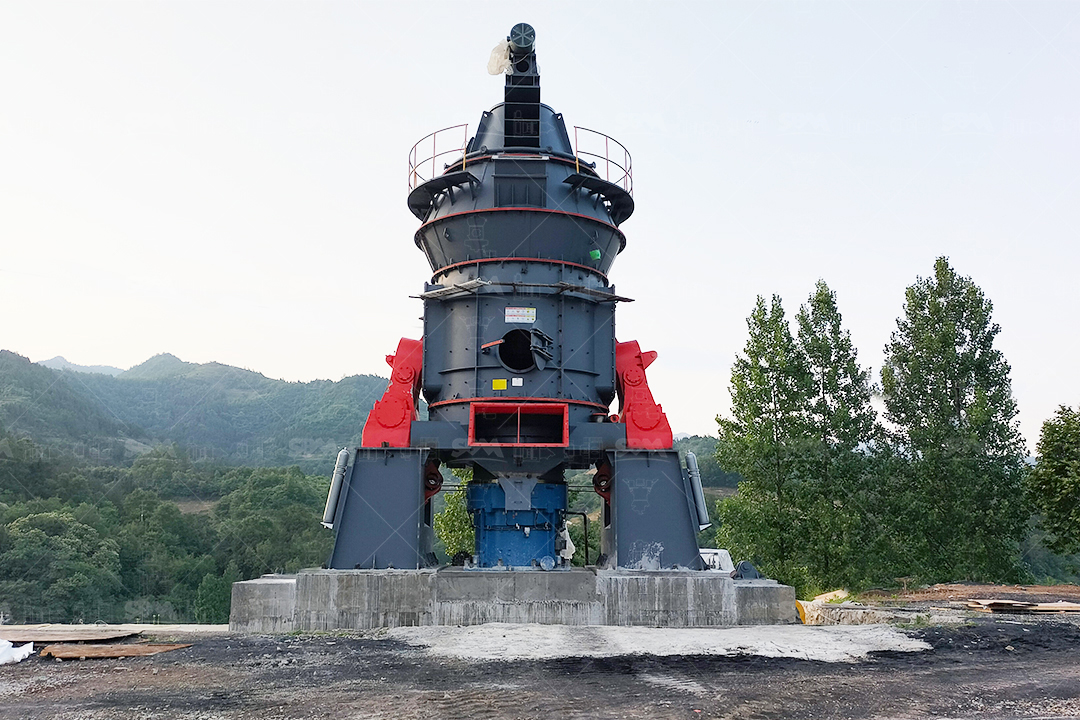
The challenge of processing recycled materials
Recycled resources such as steel slag, fly ash, desulfurization gypsum, and crushed concrete present unique grinding challenges. Unlike virgin ores, these materials often have high moisture content, irregular particle shapes, and abrasive components that accelerate equipment wear. Traditional ball mills, while mature in technology, suffer from high energy consumption (30-40% higher than VRMs) and rapid wear of grinding media, leading to frequent maintenance shutdowns. For operators in urban mining, downtime directly impacts profitability. The LM Vertical Roller Mill addresses these issues head-on with a design that integrates crushing, grinding, drying, and powder selection into one compact unit. This system not only reduces the footprint by 50% compared to ball mill systems but also allows outdoor installation, saving capital on building costs.
How LM vertical roller mill overcomes common pain points
Pain point 1: High wear and maintenance costs
In urban mining, materials like slag contain hard, abrasive particles that quickly degrade traditional grinding components. The LM mill's grinding rollers and table are constructed from high-quality wear-resistant alloys. Additionally, the rollers do not directly contact the grinding table during normal operation, relying instead on a material bed for grinding. This design significantly reduces metal-to-metal contact, extending service life and minimizing the frequency of roller and table replacement. The result is lower operating costs and higher uptime.
Pain point 2: High energy consumption
Energy costs can represent 50-70% of total grinding expenses. The LM Vertical Roller Mill consumes 30-40% less energy than equivalent ball mill systems. By using a vertical configuration and a built-in classifier, the mill efficiently separates fine particles without over-grinding, which is common in horizontal ball mills. This targeted energy use directly improves the profitability of processing low-value recycled materials.
Pain point 3: Inconsistent product fineness and quality
Recycled powders used as cement additives or in construction must meet strict fineness specifications. The LM mill features an expert automatic control system that adjusts grinding pressure, table speed, and classifier rotor speed in real time. This ensures a consistent output of 30-400 mesh (or finer with the ultrafine variant), meeting the demands of downstream applications. The system also allows remote monitoring, reducing labor costs and human error.
Pain point 4: Environmental compliance and dust control
Urban mining operations are often located near populated areas, making dust and noise control essential. The LM vertical roller mill operates under negative pressure with a fully sealed system, preventing dust spillover. Its low-vibration design ensures quiet operation, helping facilities meet stringent environmental standards without expensive retrofits. The integrated drying capability also allows processing of moist feed materials without additional equipment, further simplifying the layout.
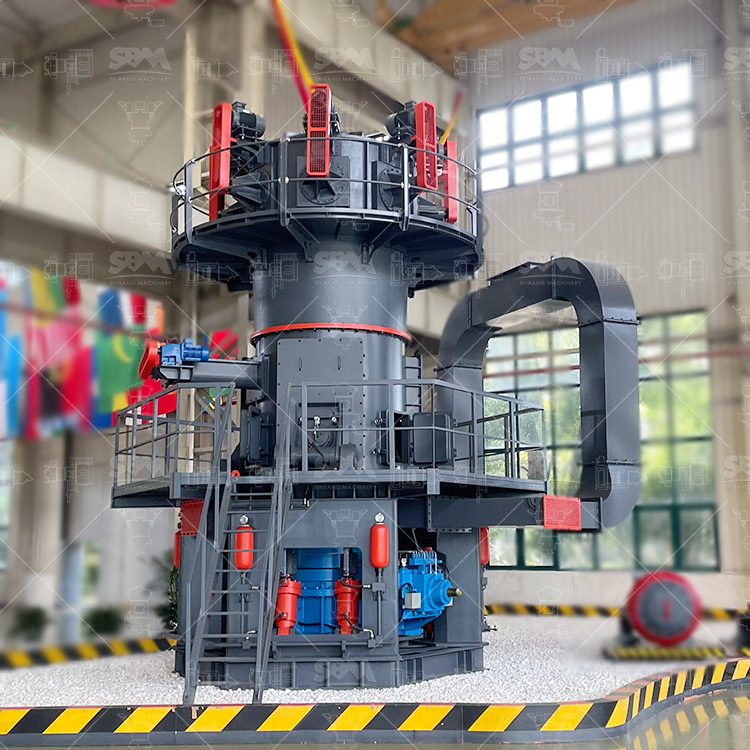
Case study: Slag and construction waste recycling
A typical urban mining application is the processing of blast furnace slag or steel slag into fine powder for use in cement and concrete production. Using the LM Vertical Roller Mill, operators can achieve a specific surface area of 400-500 m²/kg, which is ideal for high-performance concrete admixtures. The mill's ability to dry materials with up to 20% moisture content eliminates the need for a separate dryer, reducing capital investment by up to 30%. With capacities ranging from 3 to 400 t/h, the LM mill scales easily from pilot operations to large industrial recycling centers.
Integration with total grinding solution
SBM Machinery offers a complete solution for urban mining operations, from individual mills to full turnkey systems. In addition to the LM Vertical Roller Mill, the product line includes the MTW European Trapezium Mill for medium-fine grinding, the SCM Ultrafine Mill for ultra-fine powders, and the LUM Ultrafine Vertical Roller Mill for specialized high-end applications like masterbatch and artificial stone. Each mill is designed to handle the specific challenges of recycled materials, ensuring that operators can select the ideal equipment for their feedstock and end-product requirements. SBM's experience serving over 180 countries ensures that technical support and spare parts are available globally.
Conclusion
Urban mining is not just an environmental necessity but an economic opportunity. The vertical roller mill, particularly the LM series, is a key enabler of this industry, offering unmatched efficiency, durability, and environmental friendliness. By addressing the common pain points of wear, energy consumption, quality control, and regulatory compliance, VRMs help recycling operations turn waste into valuable resources with minimal operational headaches. As the demand for recycled materials grows, investing in advanced grinding technology will be essential for staying competitive.
Frequently Asked Questions (FAQ)
Q1: My recycled materials often have high moisture content (15-20%). Can a vertical roller mill handle this without a separate dryer?
Yes, the LM vertical roller mill integrates drying with grinding. Hot air from an external source is introduced into the mill, drying the material as it is ground. This eliminates the need for a separate drying system, reducing both capital and operating costs.
Q2: We process steel slag and experience rapid wear on grinding parts. How does the LM mill compare to a ball mill in terms of maintenance frequency?
The LM mill uses a material bed grinding principle where the rollers do not directly contact the table during normal operation. Combined with high-quality wear-resistant materials, this significantly reduces wear compared to ball mills. Maintenance intervals for roller and table replacement are typically 2-3 times longer, and only the outermost wear parts need replacement, not the entire assembly.
Q3: What is the typical payback period for upgrading from a ball mill to a vertical roller mill in a recycling application?
While payback depends on local energy costs and throughput, the 30-40% reduction in energy consumption and lower maintenance costs often result in a payback period of 12-24 months. The compact footprint also saves on civil construction costs.
Q4: How can I ensure consistent fineness of the recycled powder for use in cement?
The LM mill is equipped with an expert automatic control system that monitors and adjusts grinding pressure, table speed, and classifier rotor speed in real time. This ensures a consistent output within your specified range (e.g., 30-400 mesh). The system also supports remote control for easy operation.
Q5: Our facility is near a residential area. Is the vertical roller mill noisy or dusty?
The LM mill operates with low vibration and noise due to its vertical design and balanced rotating parts. The entire grinding system is sealed and operates under negative pressure, preventing dust from escaping. It meets stringent environmental standards without the need for extensive add-on dust collection systems.


