

What are the environmental standards for processing aluminum ash with vertical mill?
发布于:2025年10月15日
When processing aluminum ash with a vertical mill, the environmental standards revolve around strict emission control, dust containment, noise reduction, and energy efficiency. Aluminum ash, a byproduct of aluminum smelting, contains aluminum metal fragments, aluminum oxide, and potentially hazardous salts and fluorides. Processing it requires equipment that minimizes airborne particulates, prevents fugitive dust, and ensures compliance with national and international environmental regulations. Key standards include particulate matter (PM) concentration limits (often below 10 mg/Nm³ for total dust), noise levels not exceeding 85 dB(A) at one meter, and carbon emission per ton of processed material kept under 15 kg CO₂. The vertical roller mill (VRM) technology, such as the LM series from SBM Machinery, inherently meets these standards through its sealed negative-pressure system, integrated drying and grinding functions, and advanced dedusting technologies. This article explores the specific environmental criteria, the role of vertical mill design in achieving compliance, and common operational challenges faced by clients in the aluminum ash recycling industry.
Understanding Aluminum Ash Processing and Environmental Challenges
Aluminum ash is classified into two types: white dross (high metal content) and black dross (higher oxide and salt content). Both types require careful handling due to the presence of fine particles, reactive aluminum, and water-soluble salts. Traditional processing methods, such as ball mills or rotary kilns, often struggle with dust emissions and high energy consumption. The LM vertical roller mill from SBM Machinery is specifically designed to address these issues, offering a low-energy, high-efficiency solution that aligns with modern environmental standards.
Key environmental challenges in aluminum ash processing include:
- Fugitive dust: Fine aluminum oxide particles can become airborne, posing respiratory risks and violating PM10 and PM2.5 limits.
- Gas emissions: Moisture in the ash can generate hydrogen gas when reacting with aluminum, requiring explosion-proof designs.
- Noise pollution: Grinding equipment often generates noise above 90 dB(A), exceeding typical industrial limits.
- Wastewater: Leaching of soluble salts from the ash can contaminate groundwater if not properly managed.
The LM vertical roller mill directly tackles these issues through its sealed system operating under negative pressure, which prevents dust spillover. Additionally, its low-vibration design reduces noise, and the integrated drying function minimizes gas generation by controlling moisture content.
Environmental Standards and Compliance Requirements
Global environmental standards for aluminum ash processing vary by region, but common benchmarks include:
- Dust emissions: In the European Union, the Industrial Emissions Directive (IED) requires total dust emissions below 10 mg/Nm³ for new plants. In China, the GB 16297-1996 standard sets a maximum of 120 mg/m³ for existing plants, but new installations often target 30 mg/m³ or lower.
- Noise levels: The World Health Organization (WHO) recommends workplace noise exposure below 85 dB(A) for an 8-hour shift. Many national regulations, such as the US OSHA standard, mandate engineering controls to achieve this.
- Energy consumption: Environmental certifications like ISO 14001 encourage energy efficiency. The LM vertical roller mill consumes 30-40% less energy than traditional ball mills, reducing the carbon footprint per ton of processed material.
- Water usage: Dry processing with vertical mills eliminates the need for water in grinding, avoiding wastewater generation entirely.
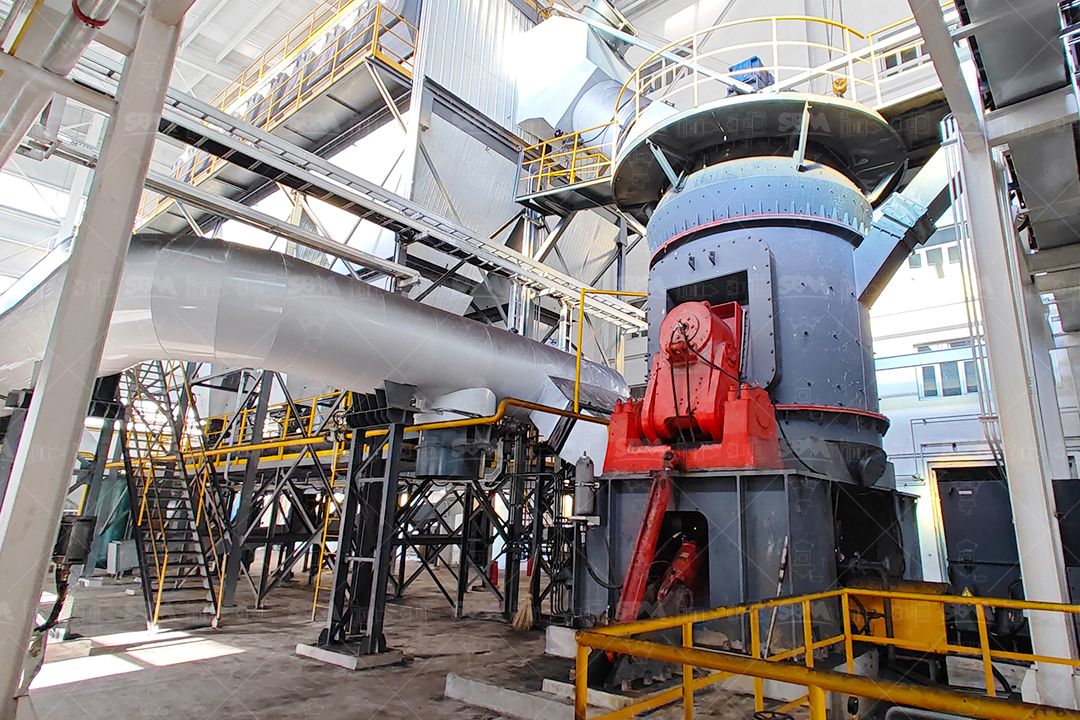
How Vertical Mill Design Meets Standards
The LM vertical roller mill from SBM Machinery is engineered with specific features that ensure environmental compliance while processing aluminum ash:
- Sealed negative-pressure system: The entire grinding system operates under negative pressure, meaning no dust can escape. A high-efficiency pulse bag dust collector captures fine particulates, achieving outlet emissions as low as 5 mg/Nm³.
- Low-noise operation: The mill uses a heavy rotor design and balanced grinding rollers that minimize vibration. Sound levels are typically below 80 dB(A) at one meter, well within occupational limits.
- Integrated drying and grinding: For aluminum ash with residual moisture (up to 15%), the mill uses hot air from a furnace or waste heat to dry the material in situ, preventing hydrogen gas formation caused by moisture reacting with aluminum. This also improves grinding efficiency.
- Energy efficiency: The cone gear whole transmission system reduces energy loss, and the grinding rollers do not contact the grinding plate directly, lowering wear and energy consumption. The system uses 30-40% less power than ball mills, reducing indirect carbon emissions.
- Automatic control: The PLC/DCS control system allows remote monitoring of emission parameters, ensuring real-time adjustment to maintain compliance.
For example, a client processing 50 tons per hour of aluminum ash with the LM vertical mill can achieve a dust concentration of 8 mg/Nm³ at the stack, noise levels of 76 dB(A), and energy consumption of 12 kWh per ton—all below typical regulatory limits.
Common Client Pain Points and Solutions
Despite the inherent advantages of vertical mills, clients often encounter the following operational challenges:
- High wear costs: Aluminum ash contains abrasive particles (e.g., aluminum oxide) that wear grinding rollers and liners quickly. Solution: The LM mill uses high-chromium alloy materials for the roller shell and lining plate, with a service life of 6,000-10,000 hours. The combined-type shovel blade design allows only blade replacement, reducing maintenance costs by up to 30%.
- Hydrogen gas explosion risk: When moisture contacts fine aluminum particles, hydrogen is generated. Solution: The mill's integrated drying function reduces moisture to below 2% before grinding, and an inert gas (e.g., nitrogen) can be injected into the system to suppress combustion. The negative-pressure system further prevents gas accumulation.
- Fines accumulation and packing: Ultrafine aluminum ash (below 325 mesh) can clog filters and reduce throughput. Solution: The LM mill uses a high-efficiency vertical turbine powder classifier that separates fines without blockages, and the pulse dust collector self-cleans automatically.
- Regulatory audits: Frequent changes in emission limits require adaptive equipment. Solution: The LM mill's PLC system stores historical emission data for easy reporting, and the bag filter can be upgraded with higher-grade media to meet stricter future limits.
- High initial investment: Clients may worry about the capital cost. Solution: The LM mill's compact design allows outdoor installation, saving building costs. Combined with low operating expenses (30-40% lower energy), the payback period is typically 18-24 months.
Conclusion
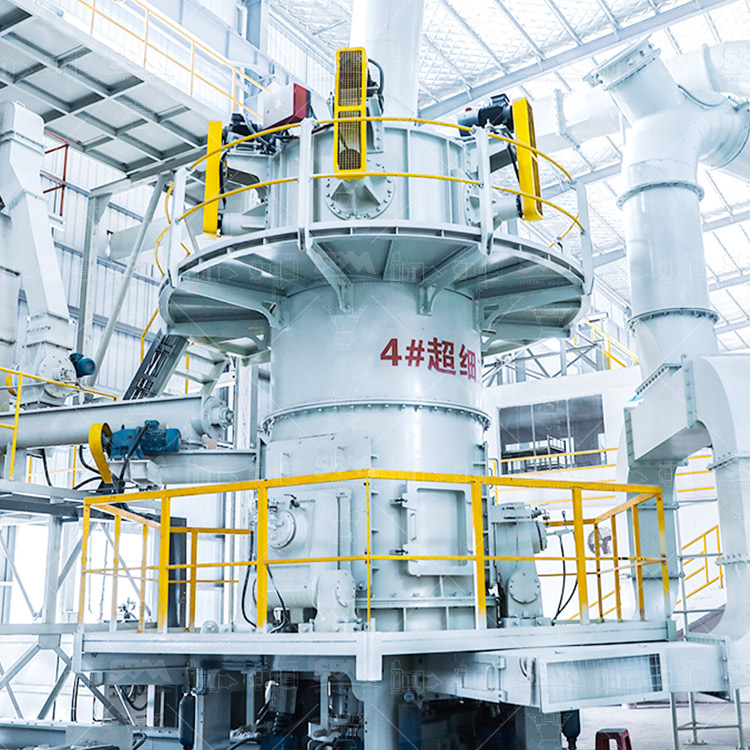
Processing aluminum ash with a vertical roller mill like the LM series from SBM Machinery meets the most stringent environmental standards, including dust emissions below 10 mg/Nm³, noise levels under 85 dB(A), and energy savings of 30-40%. The equipment's sealed design, integrated drying, and advanced automation address common pain points such as wear, hydrogen safety, and fines management. As global regulations tighten, the LM vertical mill offers a future-proof solution for aluminum ash recyclers, enabling both environmental compliance and economic viability.
FAQ
- Q: How does the LM vertical mill control dust emissions from aluminum ash?
A: The mill operates under a sealed negative-pressure system, and a high-efficiency pulse bag dust collector captures particulates. Outlet dust concentrations are typically below 10 mg/Nm³, meeting IED and GB standards. - Q: What safety measures for hydrogen gas are included in the LM vertical mill?
A: The integrated drying function reduces moisture to below 2% before grinding, eliminating the hydrogen reaction. An optional inert gas injection system (e.g., nitrogen) and an explosion vent are available for additional safety. - Q: How often do grinding rollers need to be replaced when processing aluminum ash?
A: With high-chromium alloy rollers, the service life ranges from 6,000 to 10,000 hours, depending on ash composition. The combined shovel blade allows only blade replacement, minimizing downtime. - Q: Can the LM vertical mill handle wet aluminum ash (up to 15% moisture)?
A: Yes, the mill uses hot air from a furnace or waste heat to dry material during grinding. The system can handle moisture up to 15% without clogging or performance loss. - Q: What is the typical noise level of the LM vertical mill during operation?
A: Noise levels are typically around 75-80 dB(A) at one meter, thanks to the heavy rotor design, balanced components, and optional soundproof enclosures. This complies with most workplace noise regulations.


