

Raymond mill: a classic equipment in the industrial grinding field
Published on: October 26, 2023
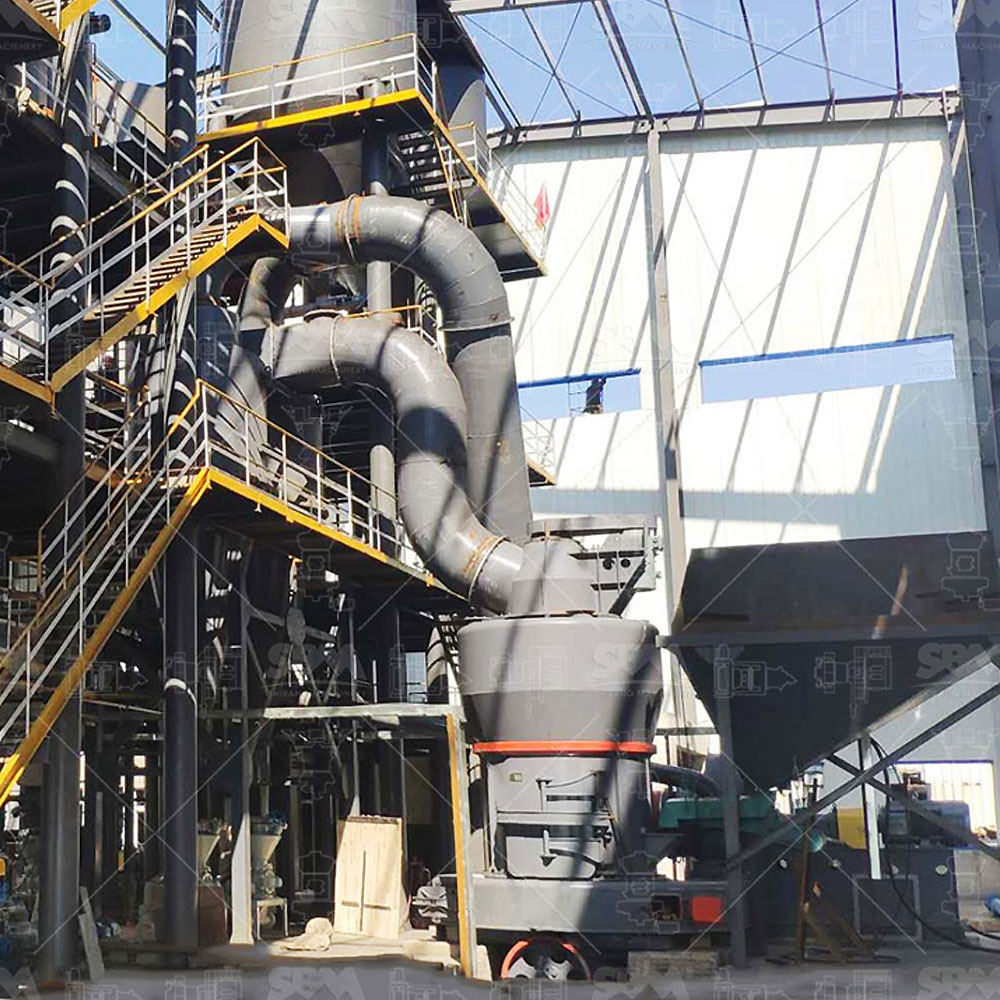
Raymond mill, a name synonymous with reliability and efficiency in the industrial grinding sector, has evolved significantly from its early origins to remain a cornerstone of modern mineral processing. As a classic piece of equipment, it bridges the gap between traditional grinding methods and the high-performance demands of today's industries, including power generation, metallurgy, building materials, and non-metallic minerals processing. At SBM Machinery, we have refined the Raymond mill into a series of advanced machines—such as the MTW European Trapezium Mill—that address the most pressing client pain points: high energy consumption, frequent wear parts replacement, and inconsistent product fineness. With over 180 countries and regions served, our grinding solutions ensure that classic design meets cutting-edge engineering, providing a total solution from individual units to complete grinding systems. This article delves into the enduring relevance of Raymond mill technology, exploring its technical evolution, application versatility, and how modern innovations solve real-world operational challenges.
The Evolution of a Classic: From Traditional to Modern Raymond Mill
The traditional Raymond mill has been a workhorse in the powder processing industry for decades, but operators have long faced issues like low output, high energy consumption, and rapid wear of grinding components. To address these pain points, SBM developed the MTW Series European Trapezium Grinding Mill, a next-generation Raymond mill that integrates over 9500 customer proposals and years of R&D expertise. This mill represents a leap forward, incorporating technologies such as cone gear whole transmission and inner oil absorption lubrication systems. Unlike older models, the MTW mill achieves higher transmission efficiency and reduces maintenance downtime. The core issue for many clients—short lifespan of wearing parts—is tackled through a unique wear-proof perching knife design. The combined-type shovel blade allows for easy replacement of only the blade during maintenance, reducing spare parts costs by up to 30% compared to traditional mills. The curved blade shape also adjusts the feeding angle, extending the service life of rollers and rings. This directly alleviates the common frustration of frequent shutdowns for part replacements, a major cost driver in continuous operations.
Addressing Key Pain Points: Energy Efficiency and Output
One of the most significant pain points in industrial grinding is the high energy cost, which can account for 40-60% of total operational expenses. The classic Raymond mill design, while robust, often struggles with energy inefficiency. The MTW mill counteracts this with an arc air duct design—a circular duct that minimizes air energy loss and ensures consistent material transport efficiency. Additionally, the volute design improves wind-driven transmission within the mill, boosting airflow efficiency without requiring larger motors. For clients who need higher throughput without expanding floor space, the LM Vertical Roller Mill offers a solution. While not a Raymond mill in the classical sense, it shares the same application space. It integrates crushing, drying, grinding, and powder separation into a single unit, with a floor space only 50% of a traditional ball milling system. This compact design reduces investment costs by allowing outdoor installation. The LM mill also cuts energy consumption by 30-40% compared to ball mills, directly addressing the pain point of rising utility bills. For ultra-fine applications, the SCM Ultrafine Mill delivers fineness adjustable from 325 to 2500 mesh, with a one-time classification reaching D97≤5μm. This solves the problem of inconsistent particle size distribution, a common complaint in industries like PVC masterbatch and artificial stone manufacturing. The SCM mill uses a heavy rotor design and special roller/ring materials, achieving a durability several times higher than conventional mills, which reduces the frequency of replacements and ensures stable operation.
Solving the Dust and Environmental Compliance Headache
Environmental regulations are tightening globally, and operators of traditional Raymond mills often struggle with dust spillover and noise pollution. This is a critical pain point, especially in urban or ecologically sensitive areas. Modern SBM Raymond mills and their vertical mill counterparts are designed with comprehensive sealing and negative pressure systems. The LUM Ultrafine Vertical Mill, for example, incorporates a fully sealed system and operates under negative pressure, preventing dust leakage. Its specialized structural design also minimizes vibration and noise, meeting stringent environmental standards. For the MTW Raymond mill, the high-strength guard plate protects the air duct face, while the entire system works under negative pressure to contain fines. In ultrafine grinding, the SCM mill employs a dual powder collection method combining cyclones and pulse dust collectors, achieving dust removal efficiency far above international standards. An optimized soundproof room and muffler effectively control noise spread. These features eliminate the common pain point of receiving environmental fines or complaints from nearby communities, while also improving workplace safety and cleanliness. The result is a grinding system that not only performs efficiently but also complies with the toughest emission regulations, from China's national standards to EU directives.
Automation and Operational Simplicity
Another recurring client pain point is the complexity of operation and the need for skilled labor. Traditional mills require constant manual adjustment of parameters like grinding pressure, classifier speed, and feed rate. SBM's modern Raymond mills and vertical roller mills tackle this through intelligent control systems. The LM Vertical Roller Mill is equipped with an expert automatic control system that allows remote or local switching, making operation straightforward and reducing labor costs. Similarly, the LUM Ultrafine Vertical Mill uses PLC/DCS automatic control to precisely regulate grinding pressure, disc speed, and classifier rotation. This ensures stable efficiency and consistency without operator intervention. The MTW mill's cone gear transmission reduces the need for frequent manual lubrication adjustments, while the inner oil absorption system maintains optimal lubrication levels automatically. For clients who worry about production downtime due to operator error, these automatic features provide peace of mind. The intelligent control also enables data logging and remote monitoring, allowing plant managers to optimize parameters based on real-time feedback. This shifts the mill from a piece of heavy machinery to a smart processing asset, directly addressing the pain point of high operational complexity and labor dependency.
Applications Across Industries: Solving Real-World Problems
The versatility of the modern Raymond mill makes it applicable across numerous sectors, each with its unique pain points. In the power generation industry, coal powder preparation requires high fineness and consistent output to ensure efficient combustion. The MTW mill, with its 30-400 mesh output and 3-40 tph capacity, provides a stable solution for both coal and petroleum coke grinding. For steel and cement manufacturers, slag micro-powder production often suffers from low efficiency and high wear due to abrasive materials. The LM Vertical Roller Mill, with its high-chrome roller and grinding plate materials, offers extended wear life and 30-40% lower energy consumption, solving the dual pain points of high maintenance costs and power usage. In the new energy materials sector, such as lithium battery precursor processing, ultra-fine grinding without contamination is critical. The SCM Ultrafine Mill, with its D97≤5μm fineness and no bearing screws in the grinding chamber, ensures ultra-pure results. The LUM mill, with fineness up to 4000 mesh, serves the artificial stone and cable industries where precise particle distribution is mandatory. Each application benefits from SBM's total solution approach, from equipment supply to system integration, backed by over 180 countries of field experience. This breadth of application demonstrates that the classic Raymond mill, when modernized, is not just a historical artifact but a vital tool for contemporary industrial problems.

<< Previous: Compared with raymond mill, advantages and disadvantages of ultrafine vertical mill for 325 mesh wollastonite
<< Next: None


