

From ore to powder — raymond mill boosts value of non-metallic minerals
Published: 2025-03-25
In the modern mineral processing industry, the journey from raw ore to high-value powder is a critical transformation that determines product quality, production efficiency, and ultimately, profitability. Non-metallic minerals such as limestone, calcite, marble, talc, barite, kaolin, and gypsum require precise grinding solutions to unlock their full market potential. SBM Machinery's advanced Raymond mill technologies—including the MTW European Trapezium Mill, LM Vertical Roller Mill, SCM Ultrafine Mill, LUM Ultrafine Vertical Mill, and optimized Ball Mill—offer tailored solutions for every stage of this transformation. These mills address common customer pain points such as high energy consumption, excessive wear, inconsistent product fineness, high maintenance costs, and environmental compliance. By integrating decades of R&D experience with feedback from over 9,500 customers across 180+ countries, SBM has developed grinding systems that deliver superior particle size control, lower operating costs, and enhanced throughput. This article explores how SBM’s grinding equipment boosts the value of non-metallic minerals from ore to powder, providing a comprehensive overview for industry professionals seeking reliable, high-performance solutions.
Non-metallic minerals are the backbone of numerous industries, including construction, ceramics, chemicals, plastics, rubber, paper, paints, and environmental protection. However, the raw ore extracted from mines is rarely in a usable form—it must be crushed, ground, and classified into fine powders with specific particle size distributions. The efficiency and precision of this grinding process directly impact the final product’s brightness, reactivity, surface area, and flowability. Traditional grinding methods often suffer from limitations such as high energy consumption, rapid wear of grinding components, difficulty in achieving ultra-fine fineness, and environmental pollution from dust and noise. SBM’s Raymond mill portfolio directly addresses these challenges with innovative engineering and robust design.
The MTW European Trapezium Grinding Mill, also known as the MTW Raymond Mill, represents a significant leap forward in the grinding of medium-hard non-metallic minerals up to Mohs hardness 6 and moisture below 6%. Its cone gear whole transmission system ensures smooth, efficient power transfer with minimal energy loss, saving space and reducing investment costs. The unique arc air duct design minimizes air energy loss and improves material transportation efficiency, while the wear-proof perching knife (combined-type shovel blade) allows for easy replacement of only the blade during maintenance, cutting operating costs. With an input size of 0-50mm and output fineness ranging from 30 to 400 mesh, the MTW mill delivers a capacity of 3-40 tph, making it ideal for medium-scale operations in GCC processing, desulfurization limestone powder, and coal powder preparation. Picture a limestone quarry: the ore enters the MTW mill, and within minutes, it emerges as a consistent, high-quality powder ready for flue gas desulfurization in power plants.
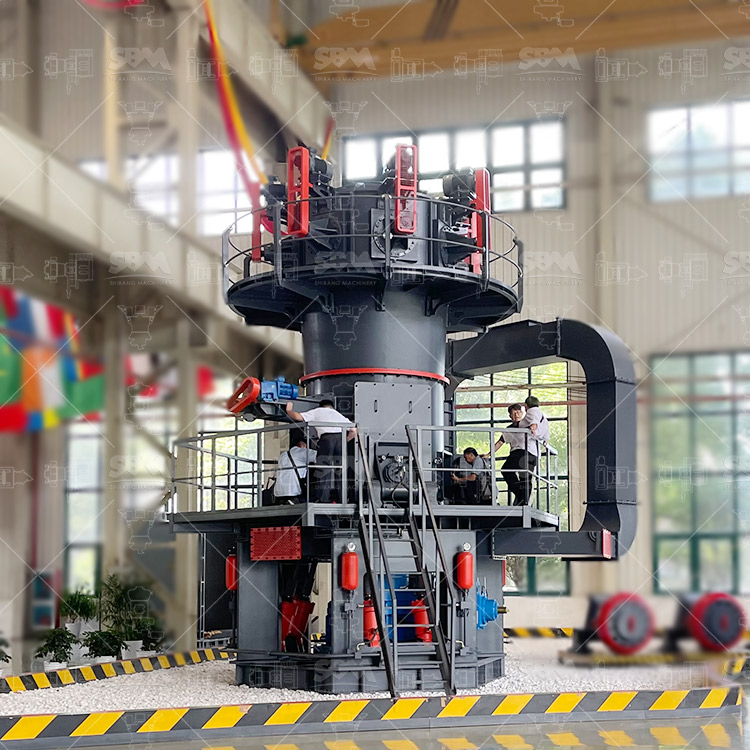
For larger capacity requirements, the LM Vertical Roller Mill stands out as a game-changer. It integrates crushing, drying, grinding, powder separating, and transportation into one compact system, occupying only about 50% of the floor space of a traditional ball mill system. The grinding rollers never directly contact the grinding plate, reducing wear and extending service life. Energy consumption is 30-40% lower than ball milling systems, while the automatic control system enables remote or local operation, minimizing labor costs. The LM mill handles input sizes up to 50mm and produces 30-400 mesh powders with capacities reaching 400 tph. Its sealed, negative-pressure operation ensures minimal dust emission and low noise, meeting strict environmental standards. This mill is the preferred choice for large-scale non-metallic mineral processing, petroleum coke grinding, and slag micro-powder production.
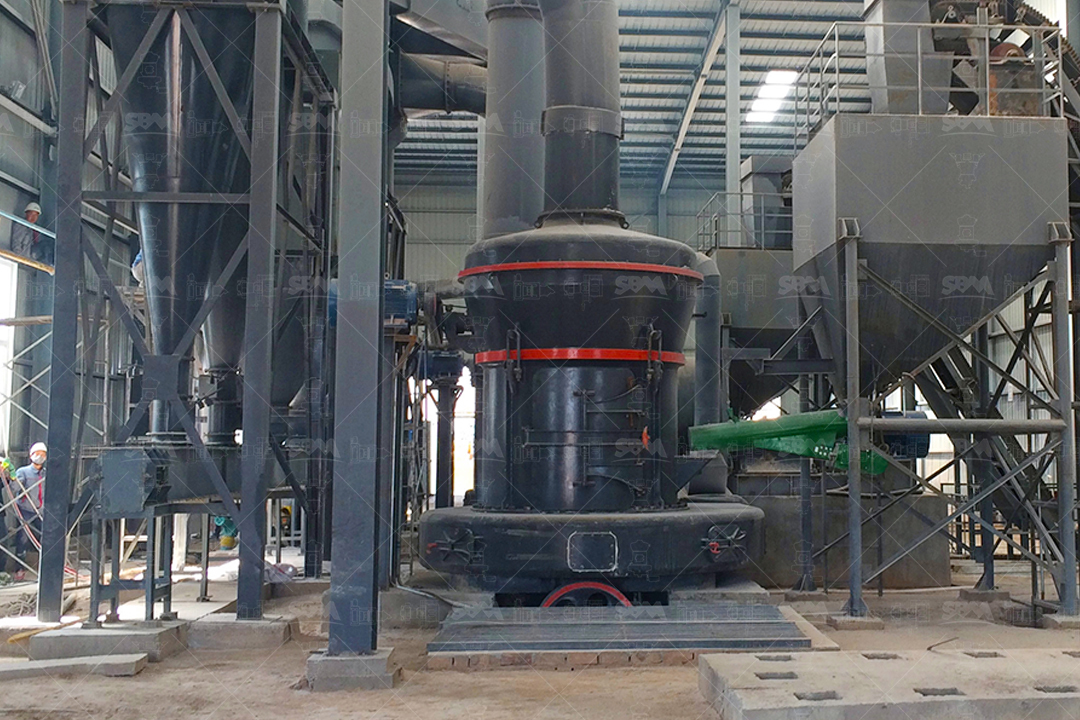
When ultra-fine powders are required—for applications in masterbatch, artificial stone, PVC, cable insulation, and non-woven fabrics—the SCM Ultrafine Mill and LUM Ultrafine Vertical Mill deliver unmatched performance. The SCM mill achieves disposable fineness of D97 ≤ 5μm, with adjustable range from 325 to 2500 mesh. Its high-output, low-energy design yields more than double the capacity of jet mills with 30% lower energy consumption. The efficient vertical turbine powder classifier cuts accurately with no coarse powder spillover. Meanwhile, the LUM Ultrafine Vertical Mill combines Taiwan grinding roller technology with German powder separation technology for 10-70 tph capacity at similar fineness ranges (325-4000 mesh). Its multi-rotor classifier and PLC control system allow customized particle size distribution without low-grade fractions. Both mills are fully sealed and operate under negative pressure, ensuring dust-free, low-noise operation that exceeds international environmental standards.
For operations where ball mills are still preferred due to technical familiarity or specific mineral dressing requirements, SBM has optimized the conventional ball mill design. By improving the structure and using new wear-resistant materials, the metal ball wear rate and energy consumption are significantly reduced. SBM offers both dry ball mills for common powder production and wet ball mills for mineral dressing applications, with input size up to 25mm and output fineness of 0.074-0.2mm (200 mesh to 20 mesh), capacity 3-65 tph.
Choosing the right grinding equipment is crucial for maximizing the value of non-metallic minerals. Common customer pain points include: (1) high energy bills due to inefficient grinding; (2) frequent downtime for replacing wearing parts; (3) inconsistent product fineness leading to customer complaints; (4) environmental regulations forcing expensive upgrades; and (5) difficulty scaling production without investing in entirely new systems. SBM’s comprehensive product line addresses each issue: energy-efficient transmissions and roller designs cut power consumption; combined shovel blades and high-durability roller materials reduce replacement costs; advanced classifiers and frequency control ensure precise, repeatable particle sizes; sealed negative-pressure systems and dust collectors meet emission standards; and modular designs allow for capacity expansion without redundant equipment.
For example, a calcium carbonate producer struggling with high wear costs and inconsistent brightness in their 800-mesh product switched from a traditional Raymond mill to the MTW series. The result was a 25% reduction in energy cost per ton, a 40% increase in roller life, and improved product whiteness due to more uniform particle size distribution. Similarly, a slag powder plant using the LM vertical mill achieved 35% lower energy consumption compared to their previous ball mill setup, with automatic operation requiring only one operator per shift instead of three.
With over 180 countries served and decades of experience in non-metallic mineral grinding, SBM Machinery continues to innovate. Our experts work closely with customers to recommend the optimal mill based on feed characteristics, required fineness, capacity, moisture content, and budget constraints. From ore to powder, SBM Raymond mills boost value by ensuring consistent quality, lower operating costs, and higher throughput—all while meeting the most stringent environmental standards.


