

Differences between raymond mill and sand-powder integrated machine
When evaluating grinding equipment for mineral processing, many plant managers and production engineers face a critical decision: choosing between a traditional Raymond mill and a sand-powder integrated machine. While both serve distinct roles in size reduction, they differ fundamentally in design, operational efficiency, output characteristics, and application suitability. Raymond mills, such as SBM's MTW European Trapezium Mill, excel in fine powder grinding for mesh ranges from 30 to 400, delivering consistent particle size distribution with low energy consumption per ton. In contrast, sand-powder integrated machines are specialized for producing both coarse sand and fine powder simultaneously, often in the construction aggregate or artificial sand industries. The key distinctions lie in the mechanical transmission system, material feed mechanism, classifier design, and wear part configuration. Understanding these differences helps operators avoid common pitfalls like over-grinding, high operating costs, and mismatched product specifications.
At its core, a Raymond mill operates on the principle of rotating rollers grinding against a stationary ring, using centrifugal force to crush and pulverize material. The MTW series, for instance, utilizes a cone gear whole transmission system that ensures higher efficiency and lower space requirements. This design is optimized for materials up to 50mm input size, targeting output fineness between 30 and 400 mesh with capacities reaching 40 tons per hour. The mill's arc air duct design minimizes air energy loss, while the volute configuration improves wind-driven transmission efficiency. For operators, this translates to stable operation for limestone powder preparation, coal powder grinding, and non-metallic mineral processing. However, Raymond mills are not designed for simultaneous sand and powder production; they focus exclusively on fine powder output, making them less suitable for applications requiring both granular aggregate and fine filler material.
Sand-powder integrated machines, by contrast, combine vertical roller mill technology with advanced classification to produce both sand-sized particles and fine powder from a single feed. These systems integrate crushing, drying, grinding, and powder selection in one compact setup. SBM's LM Vertical Roller Mill, for example, achieves this with a floor space about 50% less than traditional ball mill systems, and it can be arranged outdoors. The grinding rollers do not contact the grinding plate directly, reducing wear and energy consumption by up to 40% compared to ball mills. For sand-powder integration, the classifier system is adjusted to separate coarse sand particles for construction use while the fine fraction is collected for applications like cement additives or fillers. This dual-output capability is a major advantage for industries needing both aggregates and powders, but it introduces complexity in balancing the two product streams. Common customer pain points include difficulty in adjusting the sand-to-powder ratio, inconsistent particle shape in the sand fraction, and higher maintenance requirements for the classifier vanes.
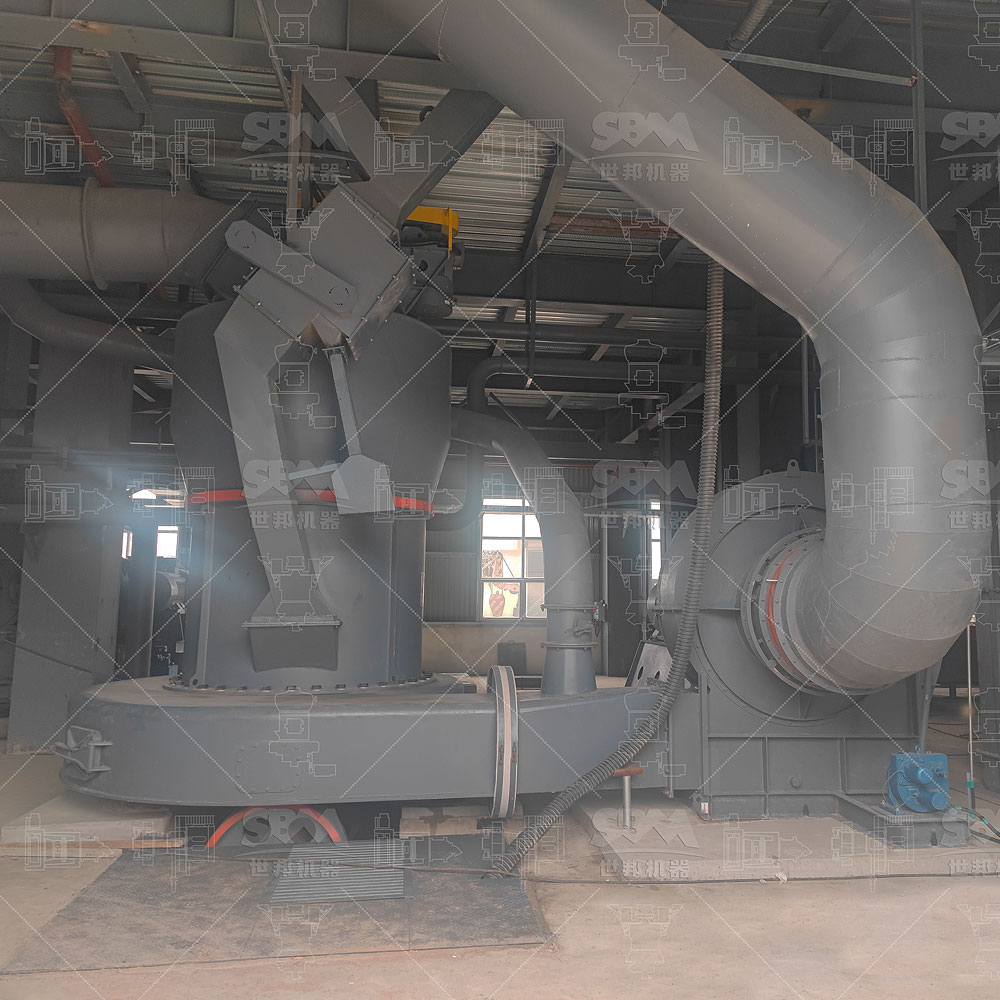
One of the most significant technical differences is the wear part configuration. Raymond mills, particularly the MTW series, feature a unique wear-proof perching knife design with combined-type shovel blades. During maintenance, only the blade needs replacement, reducing downtime and spare part costs. The curved blade design changes the feeding angle, extending roller and ring service life. This is critical for customers processing abrasive materials like quartz or feldspar. Sand-powder integrated machines, however, typically use grinding roller and grinding plate systems with high-quality materials to resist wear. While the roller does not contact the plate directly, the classifier and conveying system often experience faster wear from coarse sand particles. For a customer running a limestone powder plant for desulfurization, the Raymond mill's straightforward wear management is often preferred. For a customer producing both artificial sand and fillers from the same material, the integrated machine's potential for higher throughput must be weighed against more complex wear part inventory and replacement schedules.
Energy efficiency is another critical differentiator. The MTW Raymond mill's bevel gear integral transmission provides higher transmission efficiency while saving space and reducing investment costs. The arc air duct ensures no energy loss during pneumatic transport. In practice, this yields energy savings compared to older Raymond designs, typically consuming 15-25% less power for the same output. Sand-powder integrated machines, like SBM's Ultrafine Vertical Mill (LUM series), boast even greater efficiency gains, with energy consumption 30-40% lower than ball mill systems. However, the integrated machine's energy advantage is most pronounced when operating at full design capacity for both sand and powder outputs. Partial loading or frequent product changes can erode these gains. For a typical medium-sized plant producing 50,000 tons per year of heavy calcium carbonate powder, a Raymond mill might offer more predictable operating costs. For a large-scale operation producing both sand and powder from the same raw material, the integrated machine's lower kWh per ton becomes attractive, especially if the plant can maintain steady-state operation.
Control system sophistication also separates these two technologies. Modern Raymond mills incorporate PLC-based expert systems for remote and local control switching, but the focus is on maintaining consistent grinding pressure, roller speed, and classifier rotation for a single product fineness. Sand-powder integrated machines require more advanced control to manage the split between sand and powder streams. SBM's LM Vertical Roller Mill, for instance, uses automatic control to adjust grinding pressure, disc rotating speed, and classifier speed simultaneously. This allows operators to fine-tune the product distribution, but it also demands higher operator skill levels and more rigorous sensor calibration. Customers upgrading from simple ball mills often report frustration with the learning curve for integrated machine control. One industry case study showed that a plant spent three months optimizing the control parameters before achieving the desired 70% sand / 30% powder split. In contrast, a Raymond mill for the same material achieved target fineness within two weeks of commissioning.
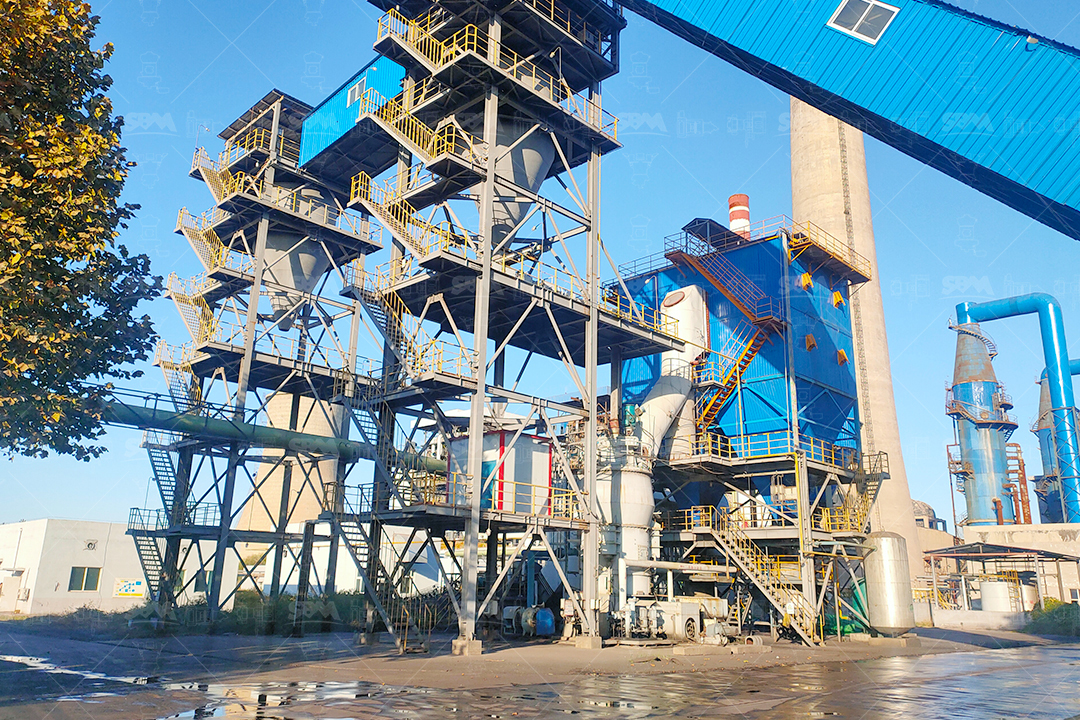
Application scope further differentiates the two. Raymond mills are ideal for dry grinding of non-metallic minerals like limestone, gypsum, barite, and calcite with fineness requirements between 30 and 400 mesh. They are widely used in power plant desulfurization, building materials, and chemical industries. Sand-powder integrated machines occupy a niche in large-scale mineral processing where both coarse aggregate and fine powder are needed, such as in artificial stone manufacturing, plastics masterbatch production, and non-woven fabric industries. For example, the LUM Ultrafine Vertical Mill processes calcite, marble, and talc into ultrafine powders (325-4000 mesh) while also producing sand-sized particles for specific applications. This dual capability makes integrated machines more versatile for customers with diverse product lines, but the initial capital investment is typically higher, and the return on investment depends on whether both product streams can be sold at profitable prices. A common mistake is purchasing an integrated machine for a single-product line, which leaves the sand output underutilized and lowers overall efficiency.
Maintenance frequency differs notably. Raymond mills with MTW design have maintenance intervals typically every 3,000 to 5,000 operating hours, focusing on replacing shovel blades and checking roller wear. The grinding chamber has no bearing screw, allowing stable operation with vibration-free performance after balancing. Sand-powder integrated machines often require shorter intervals for classifier maintenance, especially if processing abrasive materials. The multi-rotor powder classifier in integrated machines can experience vane wear every 2,000 hours. For high-availability operations, this difference matters. One customer milling petcock found that Raymond mill maintenance could be scheduled on weekends without affecting production targets, while the integrated machine required two full shutdown days per month for classifier inspection. These operational realities should guide equipment selection based on the plant's maintenance resources and production schedule flexibility.
Environmental considerations are comparable but not identical. Both technologies meet strict emission standards. Raymond mills with volute design and sealed systems operate under negative pressure to prevent dust spillover. The MTW series achieves noise levels around 85 dB(A) with optional sound insulation. Sand-powder integrated machines, like the LUM series, also use negative pressure operation and double powder collection methods (bag filters and pulse dust collectors), achieving emission levels below 20 mg/Nm³. However, the integrated machine's larger air volume requires bigger bag filters, increasing footprint and replacement costs. An environmental manager at a large calcium carbonate plant reported that the integrated machine's dust collector consumed 35% more filter bags annually compared to a comparable Raymond mill installation. For facilities with strict space constraints or limited maintenance crews, the Raymond mill often presents a simpler environmental compliance path.
In summary, the choice between a Raymond mill and a sand-powder integrated machine hinges on product mix requirements, maintenance capabilities, control system expertise, and capital expenditure priorities. Raymond mills offer simplicity, predictable operation, and proven reliability for fine powder applications. Sand-powder integrated machines provide higher versatility and throughput for dual-product operations but demand more sophisticated control and maintenance management. For new projects, conducting a thorough product demand analysis over the equipment's lifecycle (typically 15-20 years) is essential. Many successful operations use both machines in tandem: a Raymond mill for fine powder production and a separate sand manufacturing line. Others achieve excellent results with optimized integrated machines when properly matched to their raw material characteristics and product specifications.
Frequently Asked Questions (FAQ)
- Q: My biggest issue is frequent roller ring wear and high replacement costs. Which machine is more durable? A: For Raymond mills (like MTW series), the curved shovel blade design and combined-type replacement extend roller and ring life significantly. Only the blade needs replacement, lowering part costs. Sand-powder integrated machines use high-quality alloy steel for rollers and grinding plates, and since the roller doesn't contact the plate, overall wear is lower, but the classifier components may wear faster when processing coarse sand. If you prioritize low wear part costs, Raymond mill is often better. If you need both sand and powder, the integrated machine's lower energy savings may offset higher classifier maintenance.
- Q: We need to produce 325 mesh powder and also sell 2-5mm sand from the same material. Can a Raymond mill do both? A: No, a Raymond mill is designed exclusively for fine powder production and cannot simultaneously produce coarse sand. For dual-output requirements, you need a sand-powder integrated machine like the LM Vertical Roller Mill or an LUM Ultrafine Vertical Mill. These systems use adjustable classifiers to split the product into sand-sized fractions (for aggregate) and fine powder (for filler applications). You can adjust the ratio, but expect some initial tuning to achieve your target split percentage.
- Q: Our electricity costs are very high. Which machine gives lower kWh per ton for limestone milling? A: For limestone grinding to 325 mesh, an MTW Raymond mill typically consumes 25-30 kWh per ton. A sand-powder integrated machine (like LM series) can achieve 18-22 kWh per ton, which is 30-40% lower than ball mills. However, the integrated machine shows its full efficiency benefit only when operating above 70% capacity for both sand and powder streams. If your operation is below this threshold, the Raymond mill may offer more consistent energy performance. We recommend a site-specific power audit to compare your expected throughput profile.
- Q: I'm worried about dust emissions and noise. Which machine is cleaner and quieter? A: Both machines meet national environmental standards. Raymond mills with the MTW design use negative pressure and sealed systems, achieving emissions under 30 mg/Nm³. The gear transmission reduces vibration and noise to about 80-85 dB(A). Sand-powder integrated machines use double pulse dust collectors and can achieve even lower emissions (under 20 mg/Nm³), but the larger air handling system may require bigger filters and more frequent bag replacement. Noise levels are comparable. For a plant in a residential area, both machines can be further silenced with optional sound insulation rooms. SBM can provide detailed emission and noise data for your specific material and fineness requirements.
- Q: We plan to expand capacity in two years. Which machine offers easier scalability? A: Raymond mills are modular—each unit operates independently. Adding a second MTW mill is straightforward and allows you to maintain production during installation. Sand-powder integrated machines are larger and more complex to duplicate because they involve a fully integrated system with conveyors, classifiers, and dust collection. However, a single LM Vertical Roller Mill can be ordered with 20-30% capacity margin for future expansion if you specify your growth plans upfront. We recommend discussing your 2-year and 5-year production targets with our engineering team to select the machine size that balances current needs with future flexibility.


