

Working principle and structure analysis of raymond mill
Published on: October 26, 2023
Raymond mill, a classic and widely used grinding equipment in the mineral processing industry, operates on the principle of grinding materials between a rotating roller and a stationary ring under centrifugal force. The core working mechanism involves the shovel blade feeding material into the gap between the roller and ring, where it is crushed and ground by the rolling motion. The ground powder is then classified by an internal classifier, with coarse particles returned for further grinding and fine particles carried by airflow to the collector. Structurally, Raymond mill consists of a host machine, classifier, blower, cyclone collector, and piping system. Modern variations, such as the European Trapezium Grinding Mill (MTW series), incorporate innovations like cone gear whole transmission, arc air ducts, and volute design to enhance efficiency, reduce energy consumption, and improve wear resistance. This analysis delves into the detailed working principle and structural components of Raymond mill, highlighting key technical advantages and addressing common operational pain points.
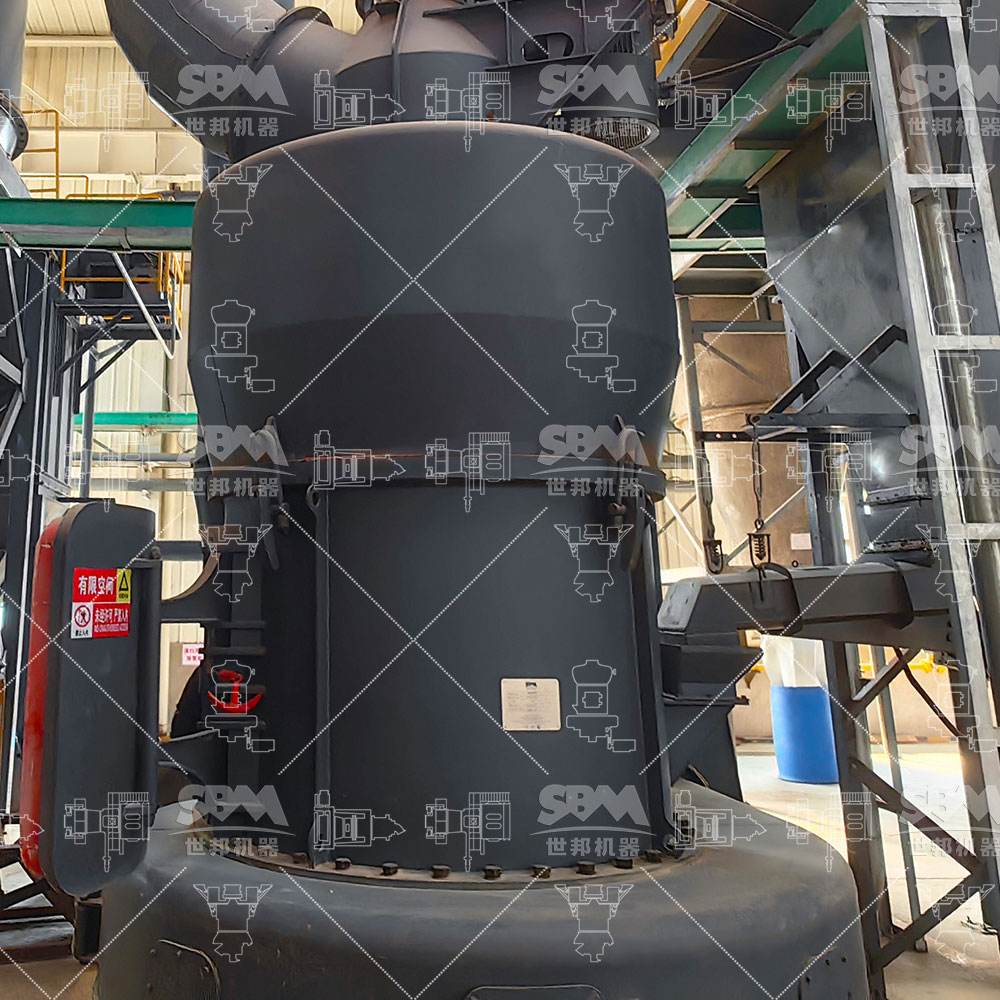
Working Principle of Raymond Mill
The fundamental working principle of a Raymond mill revolves around the grinding of bulk materials into fine powders using mechanical force. Materials are fed into the grinding chamber via a feeder, where shovel blades scoop the material and direct it between the grinding roller and grinding ring. The roller rotates around a fixed shaft under the action of centrifugal force, pressing against the ring to crush and grind the material. This process is continuous, with the ground powder being swept upward by airflow generated by the blower. The classifier, typically an impeller-type separator, screens the powder based on fineness; coarse particles fall back to the grinding chamber for re-processing, while fine particles pass through and are collected in the cyclone collector or bag filter. The recirculation of coarse material ensures consistent output fineness and efficient use of energy.
Structure Analysis of Raymond Mill
The structural design of a Raymond mill is optimized for durability, ease of maintenance, and high throughput. Key components include the host machine, which houses the grinding roller and ring; the shovel blade assembly, which feeds material into the grinding zone; the air duct system for material transport; and the classifier for particle size control. The host machine is typically a vertical arrangement with a central shaft driving the grinding roller via a bevel gear transmission. The European Trapezium Mill (MTW series) highlights several structural innovations:
- Cone Gear Whole Transmission: A bevel gear drive that transmits power from the motor directly to the grinding roller, reducing space requirements and improving transmission efficiency compared to traditional belt-driven systems.
- Arc Air Duct Design: Curved air ducts minimize air energy loss and ensure efficient powder transport, while high-strength guard plates protect the duct surfaces from wear.
- Volute Design: An unobstructed, wear-resistant volute enhances wind-driven material movement within the mill, reducing maintenance costs for material handling components.
- Unique Wear-Proof Perching Knife Design: The combined-type shovel blade allows replacement of only the blade, lowering wear part costs. The curved blade design also optimizes the feeding angle, extending the service life of the roller and ring.
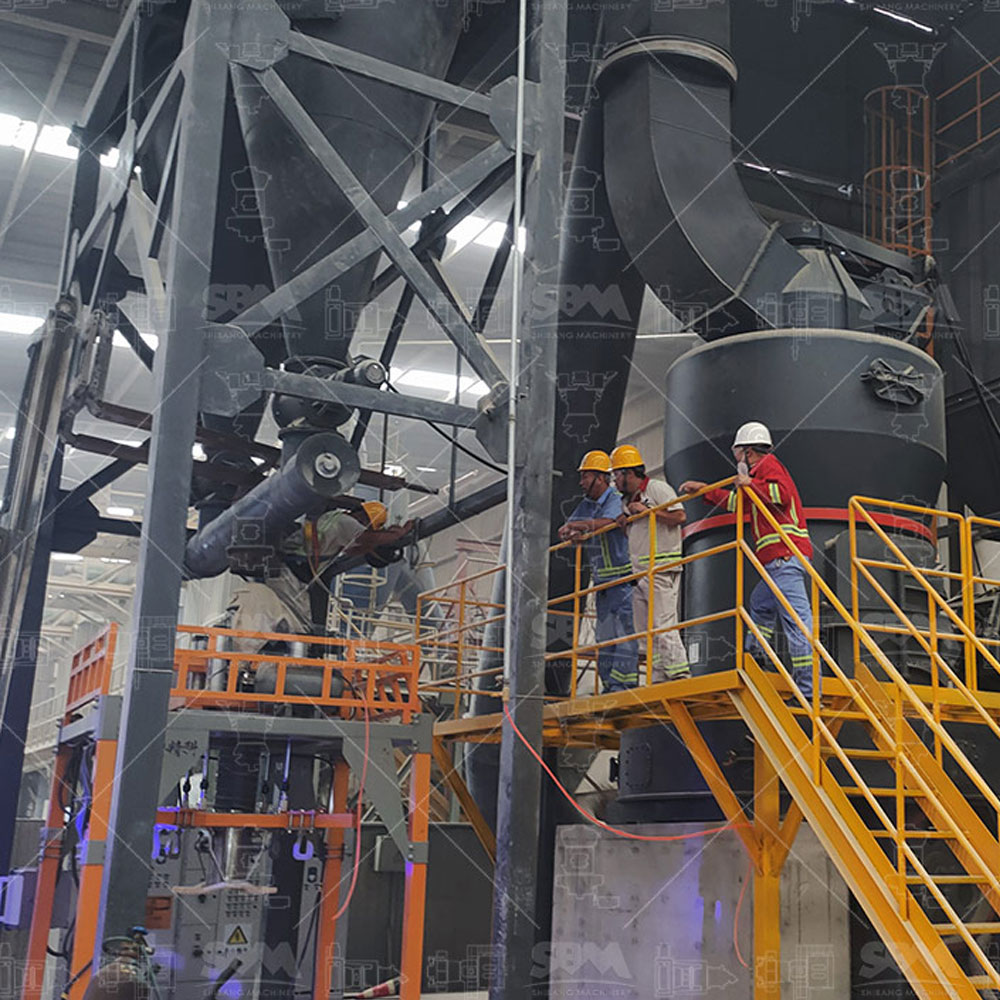
Technical Advantages Over Traditional Mills
Raymond mills, particularly the MTW series, address several limitations of traditional grinding mills. The integration of international advanced technologies results in higher transmission efficiency, lower energy consumption, and reduced operational costs. The cone gear whole transmission eliminates belt slippage and maintenance, while the arc air duct ensures consistent material flow without energy losses. The wear-proof design of the shovel blade and the volute structure significantly extend component life, reducing downtime and maintenance frequency. These features make the Raymond mill suitable for demanding applications such as limestone desulfurization, coal powder preparation, and heavy calcium carbonate processing.
Applications and Industry Use
Raymond mills are widely used in industries including power generation, building materials, mining, metallurgy, chemicals, and non-metallic minerals. They are ideal for processing materials with Mohs hardness below 7 and humidity under 6%, such as limestone, calcite, barite, dolomite, kaolin, gypsum, and talc. The mill's ability to produce fine powders from 30 to 400 mesh makes it a versatile solution for both coarse and medium-fine grinding needs. For ultrafine applications, alternatives like the SCM series Ultrafine Mill or LUM Ultrafine Vertical Mill can achieve fineness up to 2500 mesh, but the Raymond mill remains a cost-effective choice for standard requirements.
FAQs
1. Why does my Raymond mill produce inconsistent particle size?
Inconsistent particle size often results from improper classifier speed settings or worn classifier blades. Check the impeller speed and ensure it matches the desired fineness; also inspect for blade wear that may disrupt separation efficiency. Regular calibration and replacement of worn parts can maintain consistent output.
2. How can I reduce the high wear rate of grinding rollers and rings?
High wear can be mitigated by using the unique wear-proof perching knife design available in MTW series mills, which allows easy replacement of only the blade. Additionally, maintain proper feeding rates to avoid overload, and use materials with appropriate moisture content (below 6%) to reduce abrasive wear. Consider upgrading to mills with specialized alloy roller and ring materials.
3. What causes low output in my Raymond mill?
Low output may be due to blocked air ducts, insufficient blower pressure, or worn shovel blades that fail to feed material effectively. Inspect the arc air duct for blockages and ensure the blower is operating at correct speed. Replace worn shovel blades with curved designs to improve feeding angles and throughput.
4. How do I troubleshoot frequent mill vibration?
Vibration often arises from unbalanced grinding rollers or ring wear, loose foundation bolts, or uneven material feeding. Check for roller and ring wear and replace if needed; tighten all bolts and ensure the mill base is level. Use automatic control systems to stabilize feed rates and reduce vibration from material surges.
5. Is the Raymond mill suitable for processing sticky or high-moisture materials?
Traditional Raymond mills struggle with sticky or high-moisture materials (above 6%), leading to clogging and reduced efficiency. For such materials, consider using a vertical roller mill with integrated drying function or a ball mill with pre-drying systems. Alternatively, pre-dry the material to below 6% moisture before feeding into the Raymond mill for optimal performance.


