

Cross comparison of raymond mill, ball mill and jet mill
Published on: October 26, 2023
When selecting a grinding mill for mineral processing, industries such as mining, metallurgy, building materials, and chemicals routinely face the challenge of balancing throughput, energy consumption, maintenance costs, and product fineness. This article provides a cross comparison of three widely used mill types: Raymond mill (specifically the MTW European Trapezium Mill), ball mill, and jet mill (with reference to SBM's high-efficiency ultrafine mill and vertical mill solutions). The Raymond mill excels in medium-fine grinding (30-400 mesh) with moderate energy use and low wear part costs. The ball mill, though mature and reliable, suffers from high energy consumption and metal ball wear, but remains competitive for coarse to medium grinding (0.2-0.074 mm). Jet mills, while capable of ultra-fine output (325-2500+ mesh), demand high energy and capital investment. By examining real customer pain points—such as wear part lifespan, power bills, floor space, and product consistency—this guide offers actionable insights to help operators choose the optimal mill for limestone, coal, slag, GCC, and non-metallic mineral processing.
Introduction to Mill Types and Typical Applications
The grinding process is central to many powder processing workflows. SBM Machinery, with over 30 years of industry experience and installations in 180+ countries, offers three core mill families that often compete for the same application: Raymond mills (MTW series), ball mills, and jet mills (represented by SCM ultrafine mill and LUM ultrafine vertical mill).
Raymond Mill (MTW European Trapezium Mill): Input size 0-50mm, output 30-400 mesh, capacity 3-40 tph. Its bevel gear transmission, arc air duct, and combined shovel blade design reduce energy loss and component wear. Ideal for limestone desulfurization, coal powder, and gypsum processing.
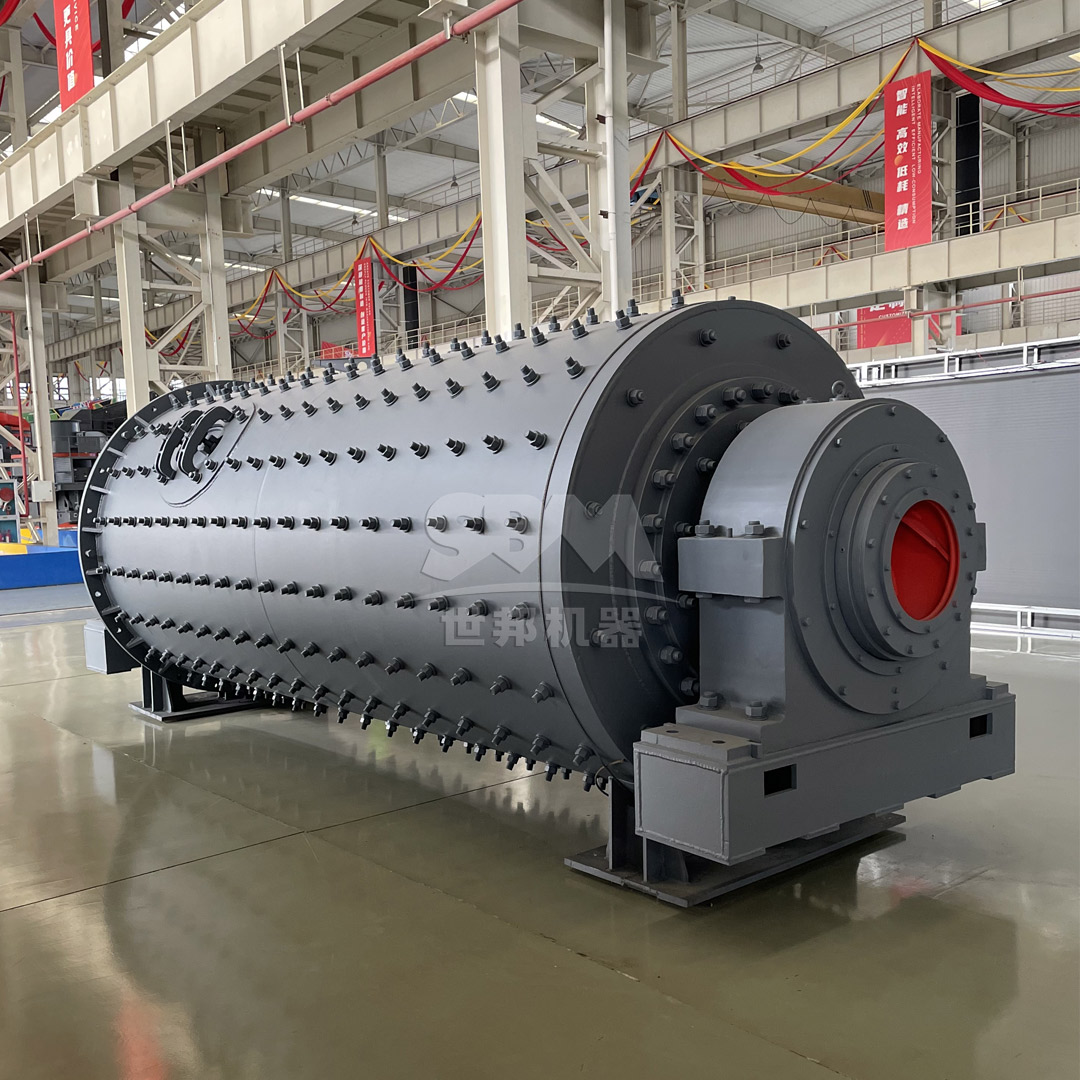
Ball Mill: Input 0-25mm, output 0.074-0.2 mm, capacity 3-65 tph. Although mature, customers often report high energy consumption (30-40% higher than vertical mills) and frequent replacement of metal balls. SBM's improved ball mill uses durable liners and optimized structure to lower spare part costs.
Jet Mill: For ultra-fine grinding (325-4000 mesh, D97 ≤5μm), SBM's SCM ultrafine mill delivers capacity 0.5-25 tph. It achieves twice the output of traditional jet mills at 30% lower energy, using a heavy rotor and multi-rotor classifier. The LUM ultrafine vertical mill (10-70 tph) combines Taiwan roller tech and German classification for high-end ultra-fine applications.
Performance and Efficiency Comparison
1. Energy Consumption and Operating Costs
Ball mills are notorious for high power draw due to metal ball impact. Ball mill energy consumption can be 30-40% higher than vertical roller mills. In contrast, the MTW Raymond mill uses a cone gear transmission and arc air duct to maintain efficiency. Jet mills, especially those without efficient classifiers, can have energy costs double those of SBM's SCM ultrafine mill. For example, the SCM series claims capacity more than double that of conventional jet mills with 30% lower energy consumption.
2. Wear Part Life and Maintenance
Metal balls in ball mills wear quickly, especially for abrasive materials like quartz or slag. Operators often need to stop production weekly to re-grade balls. Raymond mills solve this with a unique curved shovel blade design that extends roller and ring life; only the blade needs replacement. Jet mills have no moving parts in the grinding chamber but suffer from nozzle wear and high maintenance on classifiers.
3. Fineness and Product Quality
Ball mills struggle to produce consistent ultra-fine powders below 200 mesh without extensive screening. Raymond mills achieve 30-400 mesh reliably. Jet mills (and SBM's SCM/LUM) handle 325-4000 mesh with D97 ≤5μm. The LUM ultrafine vertical mill uses multi-rotor classifiers to cut sizes accurately, preventing coarse powder spillover—a common customer complaint in traditional jet mills.
Floor Space, Investment, and Environmental Impact
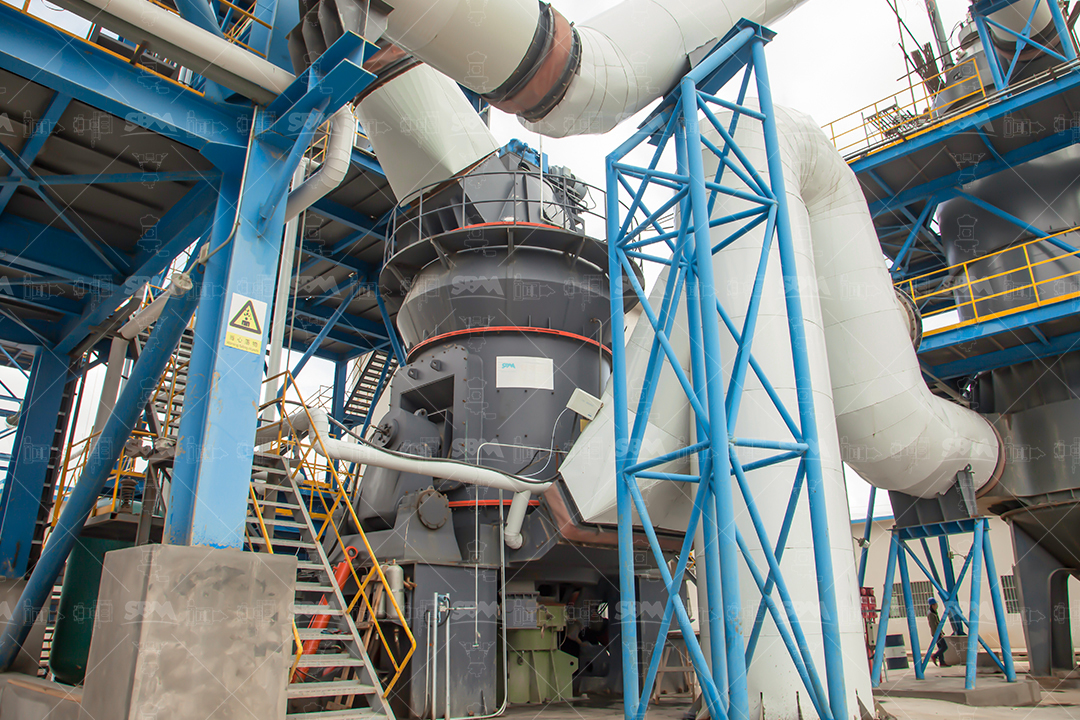
Ball mills require large floor space, often 50% more than vertical mills. The LM vertical roller mill integrates crushing, drying, grinding, and separation, saving 50% area compared to ball mill systems. Jet mills typically need compact layouts but demand high-pressure air compressors and dust collection systems. SBM's SCM and LUM mills operate under negative pressure with double pulse dust collectors, meeting strict environmental standards. Customers in Europe and North America often prioritize low noise and dust-free operation; SBM's soundproofing and sealed systems address these pain points.
Customer Pain Points and Solutions
- High energy bills: Ball mill users switching to MTW Raymond or LM vertical mill report 30-40% energy reduction.
- Frequent downtime for ball replacement: SBM's Raymond mills use perching knife design that only requires blade swaps, reducing downtime by 70%.
- Inconsistent ultra-fine product: Jet mill operators adopt SCM ultrafine mill with automatic feedback and frequency conversion for stable D97 ≤5μm.
- Space constraints: LM vertical mill's compact layout can cut building cost by half.
- Environmental compliance: All SBM mills feature sealed negative pressure operation, meeting EPA and local standards.
Choosing the Right Mill
For coarse to medium grinding (30-200 mesh) with high capacity, ball mills remain viable if energy cost is not primary. For medium-fine (30-400 mesh) with lower wear cost, MTW Raymond mill is ideal. For ultra-fine (325-2500 mesh), SCM or LUM mills outperform traditional jet mills in efficiency and cost. The decision matrix should factor in input size, desired output, capacity, and maintenance budget. SBM's integrated solutions—from single mill to complete system—provide tailored support for every project.
FAQ
1. Which mill consumes the least energy for grinding calcium carbonate to 800 mesh?
The SCM ultrafine mill or LUM ultrafine vertical mill typically consume 30% less energy than traditional jet mills for 800 mesh products. Ball mills are not recommended for this fineness due to steep energy cost.
2. How can I reduce downtime caused by roller or ring wear in my Raymond mill?
Choose a mill with a combined shovel blade design like the MTW series. Only the blade requires replacement, and the curved blade extends the life of rollers and rings. SBM reports up to 50% longer component life.
3. My ball mill is over 20 years old; is it worth upgrading to a vertical mill?
Yes. Switching to an LM vertical roller mill can reduce energy by 30-40%, cut floor space by 50%, and lower overall operating costs. SBM offers complete conversion support and system integration.
4. Can jet mills achieve D97 less than 2 microns for pharmaceutical grade talc?
Yes, jet mills can reach sub-micron levels, but the SCM ultrafine mill can achieve D97 ≤5μm with higher throughput and lower energy. For ultra-fine specialty materials, LUM ultrafine vertical mill with multistage classification is often preferred.
5. What is the biggest maintenance issue with jet mills?
Nozzle wear from high-velocity particle impact and classifier rotor imbalance are common. SBM's SCM mill uses a heavy rotor design with balanced treatment to reduce vibration and extend service intervals.


