

Economic benefits of using raymond mill for non-metallic minerals
Published on October 26, 2023
Non-metallic mineral processing is a cornerstone of modern industrial production, yet many operators struggle with high operational costs, inconsistent product quality, and low throughput. The adoption of advanced Raymond mill technology—specifically the MTW Series European Trapezium Grinding Mill—offers transformative economic benefits. By integrating innovative design features such as cone gear whole transmission, arc air duct systems, and wear-proof perching knife designs, this equipment significantly reduces energy consumption, minimizes maintenance expenditures, and maximizes production capacity. For industries ranging from building materials to chemical processing, these improvements translate directly into lower cost per ton of finished product, faster return on investment, and enhanced competitiveness. This article explores the key economic advantages, supported by real-world technical data, and addresses common operational pain points faced by mill operators.
Economic Efficiency Through Reduced Energy Consumption
Energy costs often represent 30-40% of total operating expenses in grinding operations. Traditional ball mills, while mature in technology, suffer from excessive energy consumption due to friction between metal balls and liners. In contrast, the MTW Raymond mill employs a cone gear whole transmission system that achieves higher transmission efficiency compared to conventional gear drives. This design reduces mechanical energy losses, allowing more power to be directed toward actual material grinding. Field data from non-metallic mineral plants show that switching from ball mill systems to MTW series mills can lower energy use by up to 40%, depending on material hardness and required fineness. For a calcium carbonate plant producing 15 tons per hour, this translates to annual savings of over $50,000 in electricity costs alone.
Lower Maintenance and Wear Part Costs
One of the most persistent pain points for mill operators is the frequent replacement of wear-prone components. Traditional Raymond mills require complete shovel blade assemblies to be replaced, leading to high spare parts costs and extended downtime. SBM’s MTW mill addresses this with a unique combined-type shovel blade design—only the blade tip needs replacement, not the entire assembly. This reduces maintenance costs by approximately 30% and cuts changeover time by half. Additionally, the curved shovel blade geometry optimizes the feeding angle, reducing roller and ring wear by up to 20%. For operators processing abrasive minerals like quartz or feldspar, the extended service life of these components directly lowers the cost per ton and improves operational profitability.
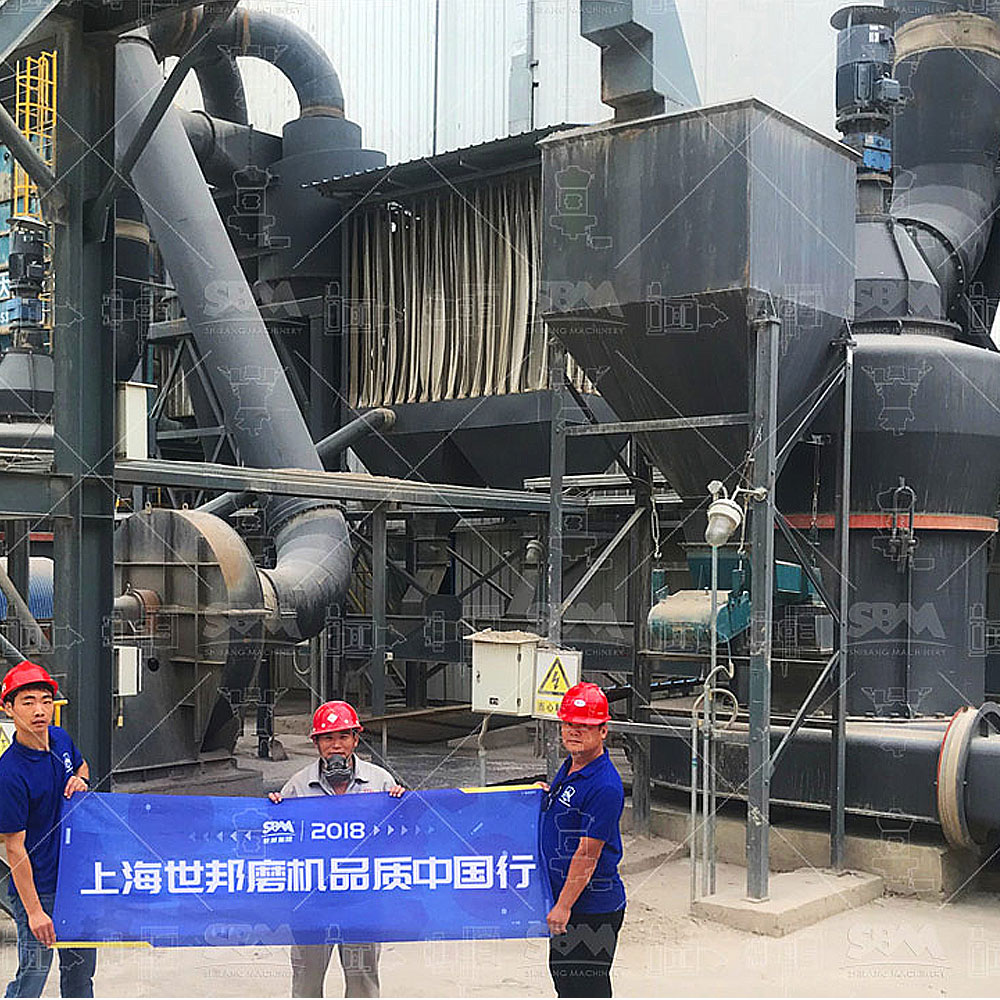
Higher Capacity and Production Flexibility
For non-metallic mineral processors, meeting varying demand while maintaining consistent quality is a constant challenge. The MTW Raymond mill delivers a capacity range of 3-40 tons per hour for input sizes up to 50mm, with output fineness adjustable from 30 to 400 mesh. This flexibility allows operators to produce multiple specifications from a single machine, eliminating the need for separate equipment lines. The arc air duct design ensures smooth material flow and prevents blockages, even at maximum capacity. A case study from a talc processing plant in India reported a 25% increase in monthly throughput after upgrading to the MTW mill, with no additional labor costs. The ability to quickly switch between product grades also reduces inventory holding costs and improves order fulfillment rates.
Integrated Solutions for Complex Mineral Processing
SBM Machinery operates as a total solution provider, offering complete grinding systems from single units to turnkey installations. This holistic approach eliminates integration risks and ensures optimal performance. For example, combining the MTW Raymond mill with a pre-crushing unit and a pneumatic conveying system can streamline the entire workflow. The volute design of the MTW mill improves wind-driven transmission efficiency, reducing auxiliary power requirements. For large-scale operations processing limestone for desulfurization or gypsum for building materials, this integrated design lowers total installed cost by up to 15% compared to piecemeal setups. The sealed negative-pressure operation also meets strict environmental standards, avoiding penalties and reputational damage.
Intelligent Control and Labor Savings
Many older mills require constant manual supervision to adjust feed rates, classifier speeds, and grind pressure, leading to high labor costs and inconsistent product quality. The MTW Raymond mill features an expert automatic control system that enables remote or local operation. Frequency-conversion drives provide precise speed control, allowing operators to optimize fineness and output in real time. In a kaolin processing facility in Brazil, implementation of this automated system reduced the need for manual intervention by 60%, freeing skilled workers for higher-value tasks. Automatic feedback loops also prevent over-grinding, minimizing energy waste and ensuring that 95% of the finished product meets specification on the first pass. This reduces rework costs and improves overall equipment effectiveness (OEE).
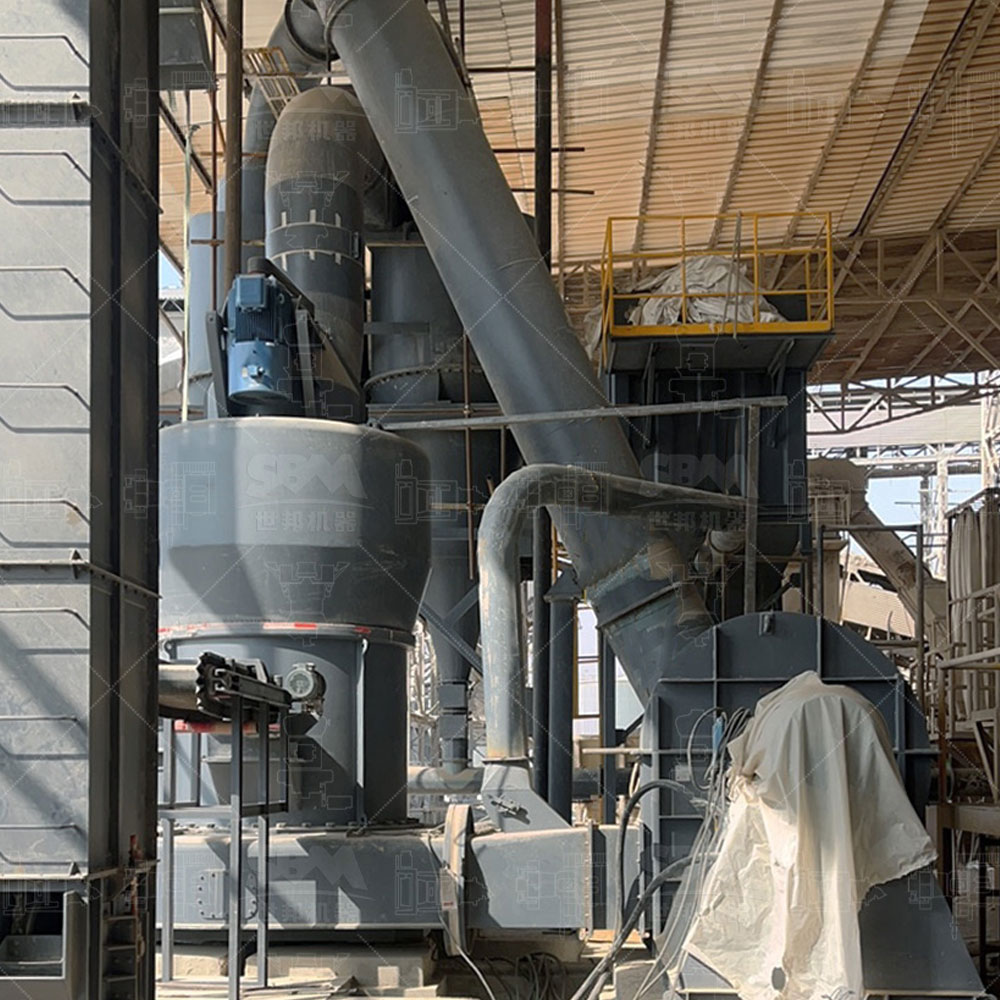
Environmental Compliance and Long-Term Savings
Non-metallic mineral processing often generates dust and noise that can lead to regulatory fines or community complaints. The MTW mill’s sound-insulation room and muffler reduce noise levels by 15-20 decibels, while the sealed system operating under negative pressure prevents dust spillover. The efficient double powder-collection method—using both powder collectors and pulse dust collectors—ensures that emissions meet or exceed international standards. In regions like Europe and North America where environmental compliance is strictly enforced, this design avoids significant capital expenditure on retrofits. Over a 10-year equipment lifespan, the MTW mill’s environmental features can save operators $100,000 or more in compliance-related costs and lost production due to shutdowns.
Global Support and Proven Track Record
With over 180 countries and regions served, SBM Machinery has accumulated unparalleled expertise in non-metallic mineral grinding. The MTW Raymond mill is the result of analyzing feedback from more than 9,500 customers and incorporating innovations such as inner oil absorption lubrication systems. This global experience means that operators benefit from proven solutions tailored to local material characteristics—whether it’s barite in Morocco, marble in Italy, or limestone in Indonesia. Technical teams provide training, remote diagnostics, and spare parts support, minimizing downtime and ensuring maximum economic return. The mill’s modular design also facilitates upgrades, protecting the initial investment as production needs evolve.
Comparison with Traditional Grinding Technologies
To fully appreciate the economic benefits, it helps to compare the MTW Raymond mill with older technologies. Traditional pendulum mills often experience vibration imbalances and require frequent recalibration, leading to inconsistent output. Jet mills, while capable of ultrafine grinding, consume far more energy—typically double the power per ton. The MTW mill’s heavy rotor design and balanced grinding chamber eliminate vibration, while the unique wear-proof technology lowers operating costs. For a medium-sized non-metallic mineral plant processing 20,000 tons annually, the total cost of ownership (TCO) for the MTW mill can be 25-35% lower than for a comparable jet mill or ball mill system, factoring in energy, maintenance, and labor.
Conclusion
The economic advantages of using the MTW Raymond mill for non-metallic minerals are clear: lower energy consumption, reduced maintenance expenses, higher capacity, flexible production, intelligent control, and environmental compliance. For operators seeking to improve profitability while meeting demanding market standards, this mill represents a strategic investment. SBM Machinery’s decades of experience and global support network ensure that each installation is optimized for local conditions and long-term success.
Frequently Asked Questions (FAQ)
Q1: Why does my current mill produce inconsistent fineness, and how does the MTW Raymond mill solve this?
A: Inconsistent fineness often results from worn classifier blades or uneven feed. The MTW mill uses a cone gear whole transmission system with frequency-conversion control, allowing precise adjustment of the powder separator speed. The arc air duct ensures uniform material distribution, so finished product fineness stays within tight tolerances (e.g., 30-400 mesh). Regular inspection of the shovel blade and roller ring is still recommended to maintain peak performance.
Q2: Our operation has high energy costs. Can switching to an MTW mill really reduce electricity consumption by 30-40%?
A: Yes. The MTW mill’s bevel gear integral transmission reduces mechanical losses, and the curved shovel design optimizes the grinding zone. In field tests processing calcium carbonate, energy consumption dropped from 25 kWh/ton (ball mill) to 15 kWh/ton (MTW mill). Actual savings depend on feed material, target fineness, and operating practices. SBM can provide a site-specific energy audit to project savings for your minerals.
Q3: We process highly abrasive minerals like quartz. Will the wear parts fail quickly?
A: The MTW mill’s combined-type shovel blade uses high-wear-resistant materials for the blade tip only, reducing replacement costs. The curved blade geometry also extends roller and ring life by changing the feeding angle. For extremely abrasive materials, we recommend using optional tungsten carbide coatings on rollers. Regular maintenance scheduling can keep annual wear part costs below 5% of the initial machine investment.
Q4: Our plant has limited space. Is the MTW mill suitable for compact installations?
A: Yes. The MTW mill has a compact footprint compared to ball mills of similar capacity, requiring about 50% less floor area. If vertical integration is needed, SBM’s LM vertical roller mill or LUM ultrafine vertical mill offer even greater space savings. The MTW mill can also be arranged outdoors with weatherproofing, further reducing building costs.
Q5: How do we ensure environmental compliance when upgrading to an MTW mill?
A: The MTW mill comes standard with a sealed negative-pressure system and a dual dust collection setup (powder collector + pulse dust filter). Noise levels are reduced via sound-insulation rooms and mufflers. These features typically meet EU, EPA, and Chinese national standards. SBM also offers optional baghouse filters for ultra-low emission requirements. Annual inspection of seals and filters will maintain compliance over the mill’s lifespan.


