

Structural composition analysis of raymond mill
Published: 2025-03-21
Raymond mill, as a classic and widely used grinding equipment in the powder processing industry, has undergone significant structural evolution to meet increasingly stringent demands for efficiency, fineness, and reliability. This article provides a comprehensive structural composition analysis of the modern Raymond mill, focusing on the innovative design features that address common operational pain points such as high wear rate, low capacity, excessive energy consumption, and maintenance difficulties. Drawing on decades of engineering experience and feedback from over 9,500 customers, the analysis covers key components including the grinding roller and ring assembly, shovel blade system, air duct configuration, transmission mechanism, and classification system. The discussion highlights how these structural innovations — such as the cone gear whole transmission, arc air duct, and volute design — collectively enhance performance, reduce operating costs, and improve product quality. By understanding the structural anatomy of a Raymond mill, operators and plant managers can make informed decisions to optimize their grinding processes, minimize downtime, and achieve consistent output in applications ranging from limestone desulfurization to heavy calcium carbonate processing.
1. Introduction to Raymond Mill Structure
The Raymond mill is a vertical grinding system that relies on the centrifugal force generated by rotating grinding rollers to crush and pulverize materials. The structural composition of a modern Raymond mill, such as the MTW European Trapezium Grinding Mill developed by Shanghai SBM Machinery Equipment Co., Ltd., integrates several key subsystems: the grinding mechanism, feeding system, classification system, air flow system, and transmission system. Each component is designed to work in harmony to achieve high efficiency, low energy consumption, and consistent product fineness.
2. Grinding Roller and Ring Assembly
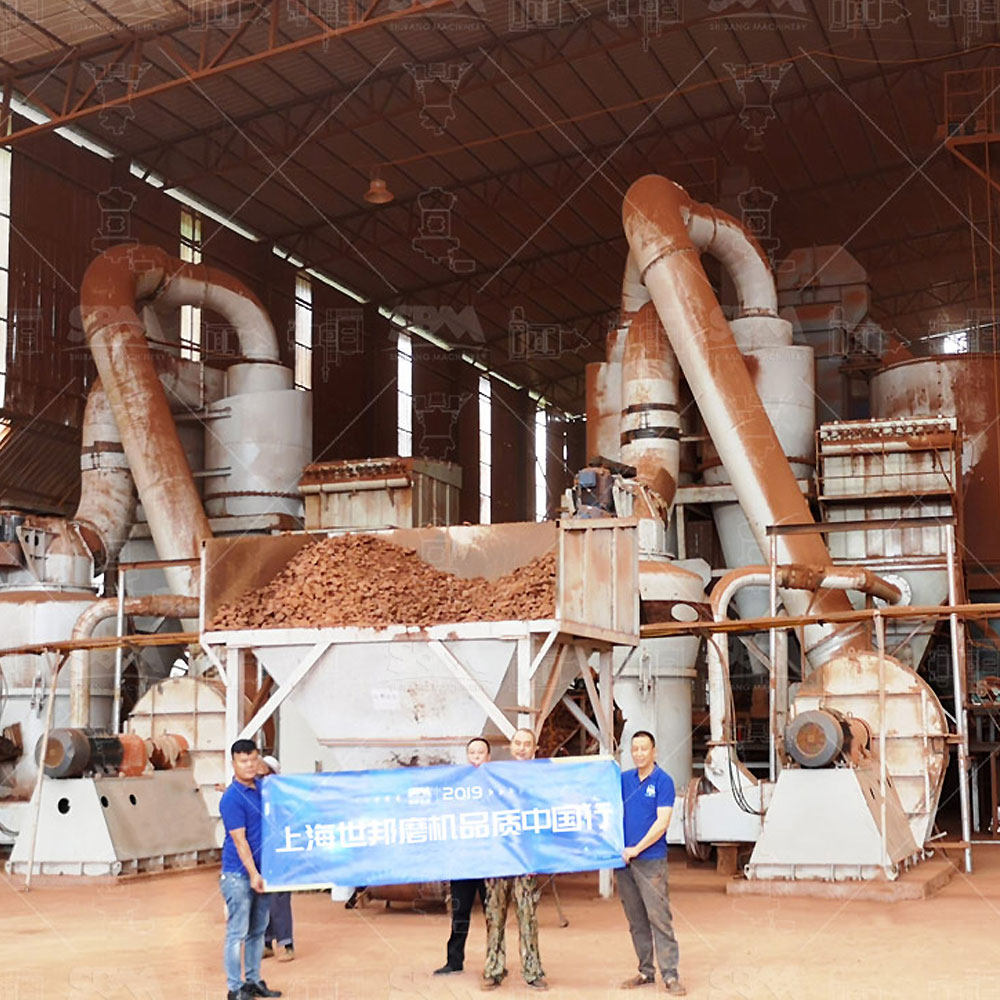
At the heart of the Raymond mill is the grinding roller and ring assembly. The grinding rollers are mounted on a rotating spider arm and press against the stationary grinding ring under centrifugal force. In traditional mills, the roller and ring suffer from rapid wear due to direct contact and high friction. The structural innovation in the MTW series addresses this through a unique wear-proof perching knife design. The combined-type shovel blade reduces the cost of wearing parts because only the blade needs replacement during maintenance. The curved shovel blades change the feeding angle, which prolongs the service life of both the roller and ring, thereby lowering operating costs. This design directly tackles the common customer pain point of frequent replacement of wearing parts and associated downtime.
3. Arc Air Duct and Air Flow System
The air duct system in a Raymond mill is responsible for transporting the ground powder from the grinding chamber to the classifier. Inefficient air flow leads to energy loss and reduced capacity. The arc air duct design in the MTW mill features a circular duct that avoids air energy loss, ensuring high transportation efficiency. Additionally, the high-strength guard plate protects the working face of the air duct from wear and impact. This structural improvement directly addresses the pain point of low throughput and high energy consumption that operators often face with conventional mills. The arc shape also reduces turbulence, allowing finer particles to be carried upward more effectively.
4. Cone Gear Whole Transmission System
Transmission efficiency is a critical factor in the overall performance of a Raymond mill. Traditional mills often use a gearbox with multiple reduction stages, which wastes space and energy. The MTW mill adopts a cone gear whole transmission system, where a bevel gear integral transmission achieves higher efficiency. This design not only saves space but also lowers investment costs because the entire transmission is more compact and reliable. By reducing the number of moving parts, the system also minimizes maintenance requirements and extends the equipment's service life. Customers frequently complain about transmission failures and high energy bills; the cone gear design directly mitigates these issues.
5. Volute Design for Wind-Driven Transport
The volute, or spiral casing, is an often-overlooked component in Raymond mill design. In the MTW series, the unobstructed wear-resistant volute is engineered to improve the efficiency of the wind-driven transport of materials within the mill. The volute effectively guides the air-powder mixture toward the classifier, reducing pressure losses and preventing material buildup. Simultaneously, the wear-resistant lining of the volute reduces the costs for material maintenance. This feature is particularly beneficial for customers processing abrasive materials like limestone or slag, where internal wear can cause frequent shutdowns and increased operational expenses.
6. Classifier and Product Fineness Control
For Raymond mills used in fine grinding applications (e.g., 30-400 mesh), the classifier plays a vital role in determining final product quality. The structural composition of the classifier in modern Raymond mills includes a rotating impeller with adjustable speed, enabling precise control of cut size. In the MTW mill, the classifier is integrated with the arc air duct to ensure that only particles meeting the required fineness exit the grinding chamber, while oversized particles are returned for further grinding. This design reduces the recirculation load and improves energy efficiency. Customers often struggle with inconsistent product fineness; the advanced classifier structure resolves this by providing sharp separation and stable operation.
7. Integration of Structural Innovations in Other SBM Mills
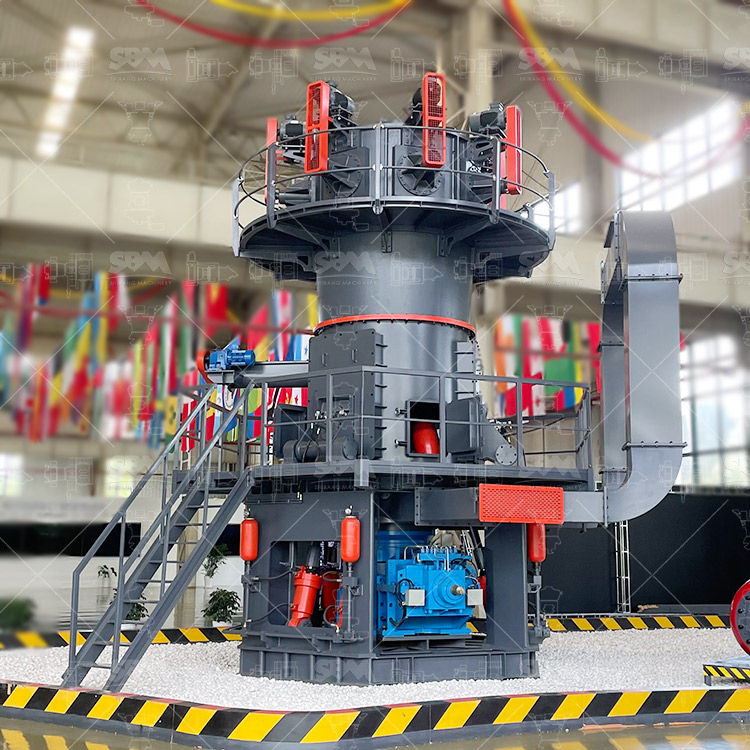
While this analysis focuses on the Raymond mill (MTW series), it is worth noting that SBM applies similar structural principles across its other grinding equipment. For example, the LM Vertical Roller Mill integrates crushing, drying, grinding, and powder separation in a compact layout, reducing floor space by 50% compared to ball mills. The SCM Ultrafine Mill achieves fineness up to 2500 mesh through a high-efficiency vertical turbine powder classifier. The LUM Ultrafine Vertical Mill adopts a multi-rotor classifier for customized fineness. Each of these machines incorporates wear-resistant materials, energy-efficient transmission, and sealing systems to address the common customer pain points of high operating costs, equipment downtime, and environmental compliance.
8. Conclusion
The structural composition analysis of the Raymond mill reveals that modern design innovations — such as the cone gear transmission, arc air duct, volute configuration, and upgraded wear parts — have transformed this classic grinding machine into a high-performance, cost-effective solution for the powder processing industry. By addressing the most common customer pain points — including frequent wear, low capacity, high energy consumption, and maintenance complexity — the MTW European Trapezium Grinding Mill represents a significant advancement over traditional Raymond mills. For customers in industries such as power generation, building materials, mining, and chemicals, understanding these structural features is essential for selecting the right equipment and optimizing their grinding operations.
Frequently Asked Questions (FAQ)
Q1: Why does my Raymond mill have low output even when running at full speed?
A: Low output is often caused by wear of the grinding roller and ring, inefficient air flow, or improper feeding. Check the perching knife and shovel blade condition — if the blade is worn, it cannot effectively direct material into the grinding zone. Also verify that the arc air duct is not clogged and that the classifier speed is correctly set for the desired fineness.
Q2: How can I reduce the high wear rate of grinding parts in my Raymond mill?
A: The best approach is to upgrade to a mill with curved shovel blades and combined-type design, where only the blade needs replacement. Also ensure the materials of the roller and ring are high-quality alloys. Regularly monitor the feed size (should be 0-50mm for most models) and remove any hard impurities that accelerate wear.
Q3: My Raymond mill produces inconsistent fineness — coarse particles keep escaping. What is wrong?
A: This is typically a classifier issue. The impeller blades may be worn or the rotational speed is too low. Check for blockages in the classifier and ensure the sealing is intact. An advanced classifier with frequency-conversion control can provide more precise cut size and eliminate coarse particle spillover.
Q4: The mill vibrates excessively and makes loud noise. How do I fix it?
A: Vibration is often due to uneven feeding, worn grinding rollers, or imbalance in the rotating assembly. Stop the mill and inspect the roller and ring for uneven wear. Also check the foundation bolts and ensure the mill is properly leveled. Machines with heavy rotor design and balance treatment, like the SCM ultrafine mill, inherently have less vibration.
Q5: What is the best way to reduce energy consumption in a Raymond mill?
A: Upgrade to a mill with cone gear whole transmission, which provides higher transmission efficiency. Also optimize the air duct system to prevent energy loss. Using a mill with an expert automatic control system can maintain optimal operating parameters, reducing energy waste. For very fine grinding, consider an ultrafine vertical mill which can cut energy consumption by up to 30% compared to jet mills.


