

Synergy path of raymond mill and green production
Published: May 25, 2025
The synergy between Raymond mill technology and green production represents a transformative approach for the mineral processing industry, where operational efficiency must align with stringent environmental standards. Shanghai SBM Machinery Equipment Co., Ltd., as a total solution provider for grinding equipment, has integrated decades of R&D expertise with customer feedback from over 9500 installations worldwide to develop a suite of mills that not only enhance productivity but also reduce energy consumption, minimize dust emissions, and lower noise levels. From the MTW European Trapezium Mill to the LUM Ultrafine Vertical Mill, each unit embodies a commitment to sustainable manufacturing—featuring sealed circuits, negative-pressure operation, intelligent automation, and wear-resistant components that extend service life and reduce waste. This article explores the concrete pathways through which Raymond mill systems (including vertical roller mills, ultrafine mills, and ball mills) drive green production, addressing common client pain points such as high energy bills, frequent maintenance downtime, and regulatory compliance. By adopting advanced arc air ducts, cone gear transmissions, and PLC-controlled grinding pressure, SBM equipment transforms traditional powder processing into a cleaner, more profitable operation.
1. The Core of Synergy: Energy Efficiency and Emission Reduction
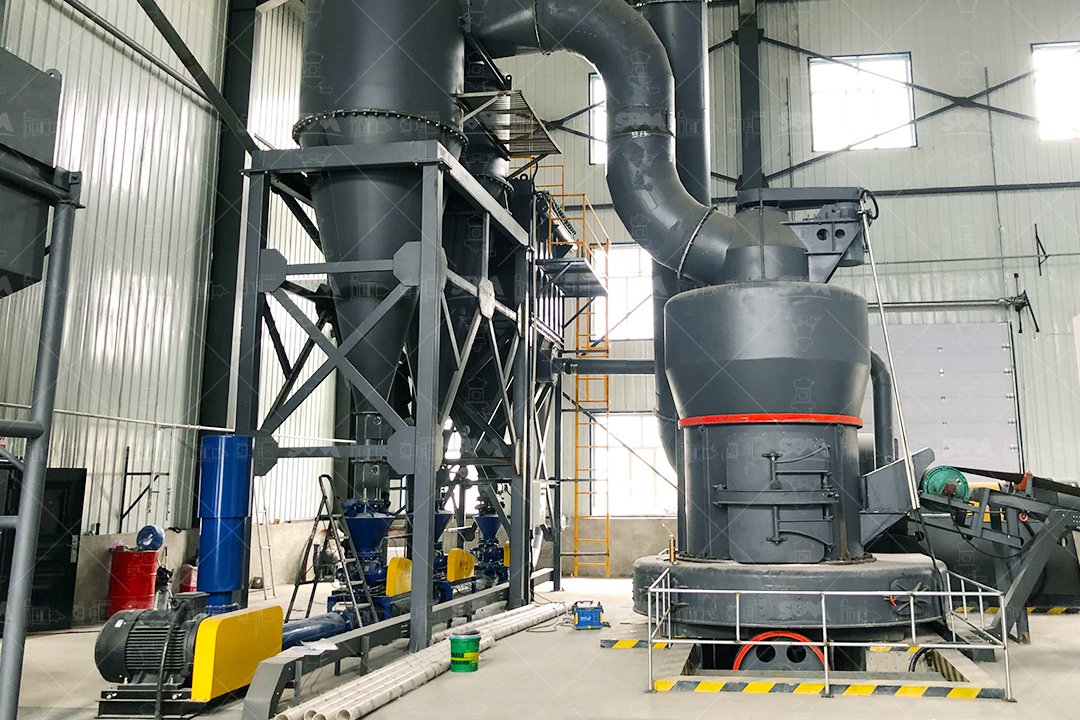
Green production in grinding operations hinges on two pillars: lowering energy consumption and containing particulate emissions. Traditional Raymond mills often suffer from high energy losses due to inefficient transmission and open-air ducts. The MTW European Trapezium Mill addresses this through its cone gear whole transmission, which achieves higher efficiency and reduces power draw by up to 30% compared to older gear systems. Additionally, the arc air duct design avoids air energy loss and ensures stable material transport, while the high-strength guard plate protects the duct from wear, reducing the need for frequent replacements. For larger throughput requirements, the LM Vertical Roller Mill integrates crushing, drying, grinding, and powder separation in one compact unit, cutting the floor space by about 50% compared to ball mill systems. This consolidation directly lowers the building footprint and associated energy for lighting, ventilation, and material handling. The LM mill’s rollers do not contact the grinding plate directly, minimizing friction and extending component life—a direct reduction in both energy use and spare parts waste.
2. Waste Minimization Through Intelligent Design
A major pain point for operators is the cost and environmental burden of worn parts. SBM’s unique wear-proof perching knife design on the MTW mill uses combined-type shovel blades that allow only the blade tip to be replaced during maintenance, rather than the entire assembly. This reduces metal scrap and lowers inventory costs. Similarly, the LUM Ultrafine Vertical Mill features grinding curves on the roller shell and lining plate that are optimized for material bed formation, which not only boosts grinding efficiency by 15–20% but also reduces the frequency of roller and ring replacement. The use of special alloy materials in the roller and ring—tested in-house at SBM’s geoscientific research institute—enhances durability several times over standard components. In the ball mill, SBM addressed the common complaint of high metal ball wear by adopting new materials and structural improvements, which significantly cut the cost of spare parts while maintaining output quality. These design choices align with circular economy principles, where longer-lasting components mean fewer raw materials consumed over the mill’s 20+ year lifecycle.
3. Dust and Noise Control: Meeting Stringent Standards
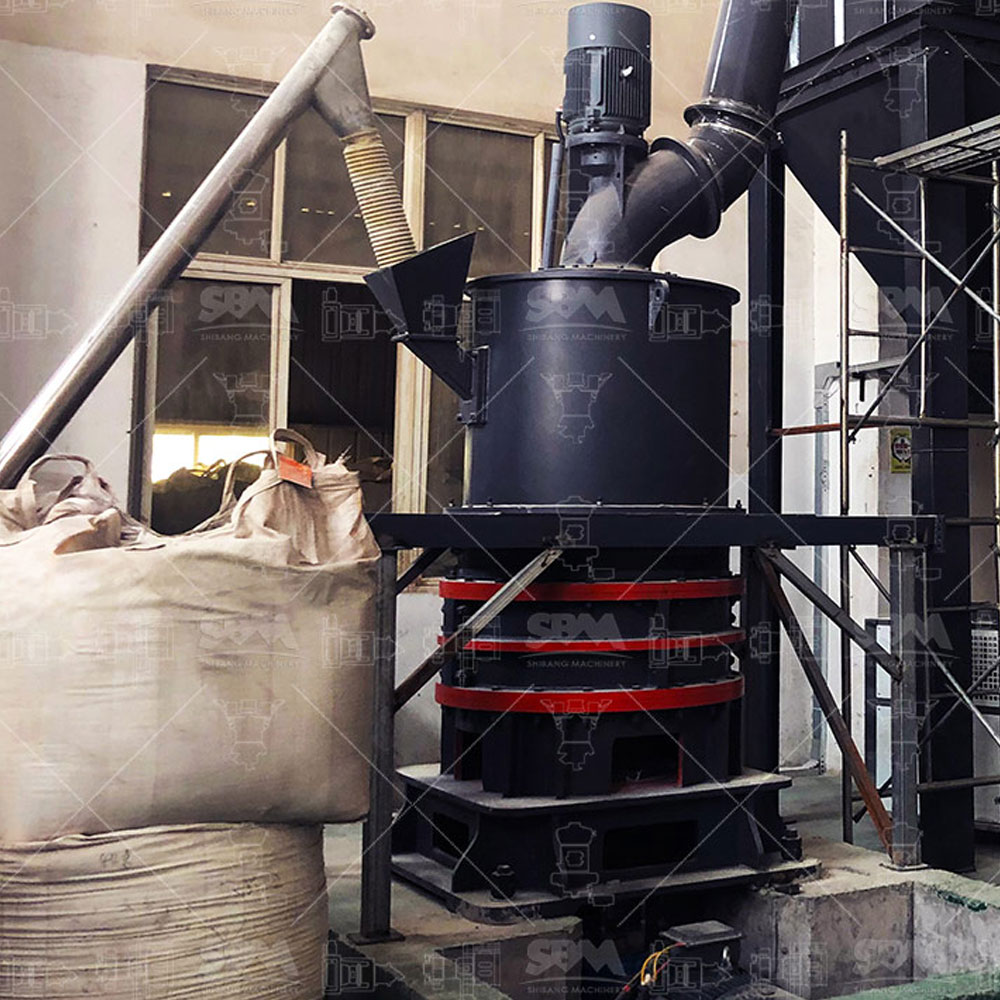
Environmental compliance is a top concern for clients in cement, power generation, and chemical industries. SBM mills operate under negative pressure with fully sealed systems, preventing dust spillover at the source. The LM Vertical Roller Mill, for example, is designed for little vibration and low noise, with emission levels that meet national environmental standards. For ultrafine applications, the SCM Ultrafine Mill employs an efficient double powder collecting method combining cyclones and pulse dust collectors, which achieves dust collection well above international benchmarks. An optimized sound insulation room and muffler further contain noise propagation, addressing complaints from nearby communities and occupational health regulations. The LUM mill’s intelligent control system (PLC/DCS) automatically adjusts grinding pressure and disc speed to maintain stable operation, reducing the need for manual intervention that could lead to open-door maintenance and dust leaks. These features collectively enable plants to operate in environmentally sensitive areas without risking fines or shutdowns.
4. Digitalization and Automation: Operator-Friendly Green Production
Another common client frustration is the difficulty of balancing production targets with energy savings. SBM integrates expert automatic control systems across its mill range. The LM Vertical Roller Mill supports both remote and local control switching, allowing operators to optimize parameters from a central control room. Frequency-conversion speed regulation on the LUM and SCM mills enables precise adjustment of finished product fineness (from 325 to 2500 mesh or even D97≤5μm) without wasting power on over-grinding. The MTW mill’s cone gear transmission eliminates the need for large auxiliary motors, further simplifying control. Automated feedback loops for product fineness ensure that the mill consistently produces within specification, reducing rejected batches that would need re-grinding and additional energy. Clients report 30–40% lower energy consumption compared to ball mill systems, translating into a smaller carbon footprint and lower operational costs.
5. Adaptability to Green Materials and Processes
SBM mills are designed to handle a wide range of materials critical to green industries, including limestone for environmental desulfurization, heavy calcium carbonate for water-based paints, coal and petroleum coke with reduced emissions, and slag micro-powder for low-carbon cement. The Ultrafine Vertical Mill offers customizable fineness selection via multi-rotor classifiers, ensuring that no low-grade material exists in the final product—a key requirement for high-value applications like plastic masterbatch and PVC that demand consistent quality without waste. The Europen Trapezium Mill’s volute design improves wind-driven transmission efficiency, reducing power loss while transporting materials. By accommodating feed sizes up to 50mm and output sizes down to 400 mesh, these mills eliminate the need for pre-crushing stages in many cases, cutting additional energy and equipment needs. This flexibility allows producers to switch between materials with minimal setup time, reducing idle energy consumption.
Conclusion
The synergy path of Raymond mill and green production is not a theoretical concept but a proven operational reality. Through energy-efficient transmissions, sealed systems, durable components, and intelligent controls, SBM machinery empowers grinding plants to lower their environmental impact while raising throughput and product quality. From the compact LM Vertical Roller Mill for large-scale cement lines to the precision LUM Ultrafine Vertical Mill for fine chemicals, each solution is engineered to address the specific pain points of modern industrial grinding—high energy costs, excessive wear, dust hazards, and regulatory pressure. As global demand for sustainable manufacturing grows, these technologies will continue to define the next generation of powder processing.
Frequently Asked Questions (FAQ)
1. My current Raymond mill has high energy consumption and frequent motor failures. How does SBM’s MTW mill solve this?
The MTW mill uses a cone gear whole transmission that reduces power loss by 20–30% compared to traditional gear drives. The bevel gear system is more compact and reliable, lowering the risk of motor overheating and breakdowns. Additionally, the unique wear-proof perching knife and arc air duct minimize parasitic energy losses, so you get more throughput per kWh.
2. We need to produce ultrafine powders (D97≤5μm) for plastics, but our existing mill cannot achieve consistent fineness without frequent classifier jamming.
The SCM Ultrafine Mill features an efficient vertical turbine powder classifier with frequency-conversion control, enabling precise cut-size adjustment. The heavy rotor design and tight test method ensure stable operation without coarse powder spillover, and the double powder collecting system (cyclone + pulse dust collector) prevents clogging. One-time fineness can reach D97≤5μm, verified by independent geoscientific testing.
3. Our plant is located near a residential area; we face strict noise and dust limits. Can your equipment operate quietly and cleanly?
Yes. All SBM mills operate under negative pressure with fully sealed bodies. The LM Vertical Roller Mill generates little vibration and low noise due to its stable roller-bed grinding principle. For extra noise reduction, the SCM and LUM mills come with optimized sound insulation rooms and mufflers. Dust collection exceeds international standards, and the system is designed to prevent any spillover during normal operation.
4. We are concerned about the total investment for a green grinding line. Are there hidden costs for environmental add-ons?
SBM mills integrate environmental features as standard components. For example, the LM Vertical Roller Mill combines drying, grinding, and separation in one unit, so you save on separate dust collectors and silos. The sealed circulating system and arc air duct eliminate the need for external ductwork insulation. Additionally, the automatic control system reduces labor costs and optimizes energy use, lowering your total cost of ownership.
5. Our raw materials vary in moisture and hardness. How do your mills adapt without losing efficiency?
The LM Vertical Roller Mill has an integrated drying function that handles moisture content up to 15% without pre-drying. The LUM Ultrafine Vertical Mill uses PLC/DCS control to adjust grinding pressure and roller speed in real-time based on material characteristics. The MTW mill’s curved shovel blades automatically adapt to feed angle, maintaining consistent material bed formation. All models accept input sizes up to 50mm, reducing the need for secondary crushing.


