

Composition, applications and grinding processing of spodumene
Published: October 2024
Spodumene, a lithium-bearing pyroxene mineral with the chemical formula LiAlSi₂O₆, stands as one of the most commercially significant sources of lithium for the rapidly expanding battery and energy storage industries. Its composition typically ranges from 6% to 8% Li₂O by weight, though variations exist between alpha (α) and beta (β) crystalline phases. The mineral's unique properties—including high lithium content, relatively low iron contamination in select deposits, and amenability to thermal beneficiation—make it indispensable for producing lithium hydroxide and lithium carbonate, both critical precursors for electric vehicle (EV) batteries, ceramics, glass, and specialty lubricants. However, the processing of spodumene from run-of-mine ore to a fine, high-purity concentrate suitable for downstream chemical conversion presents significant engineering challenges. These include phase transformation during calcination, abrasion resistance in grinding circuits, and the need for precise particle size distribution to optimize leaching efficiency. Drawing on decades of experience in mineral processing, Shanghai SBM Machinery Equipment Co., Ltd. (SBM Machinery) offers a comprehensive suite of grinding solutions—from European trapezium mills to ultrafine vertical roller mills—tailored to the unique demands of spodumene beneficiation. This article explores the mineralogy and industrial applications of spodumene, the critical role of grinding in its processing workflow, and how advanced milling technologies address the persistent pain points faced by lithium producers worldwide.
Composition and Crystalline Forms of Spodumene
Spodumene belongs to the clinopyroxene group and naturally crystallizes in the monoclinic system. Its theoretical Li₂O content is approximately 8.03%, but commercial ores typically grade between 1% and 7% Li₂O due to impurities such as sodium, potassium, iron, and magnesium. The mineral exists in two principal polymorphs: alpha-spodumene (α-spodumene), which is the natural, dense, and chemically inert form, and beta-spodumene (β-spodumene), which is the thermally transformed, more reactive phase. The conversion from α to β occurs at temperatures between 950°C and 1100°C, accompanied by a volume expansion of about 30% that induces microcracking. This phase change is critical for subsequent acid leaching or hydrometallurgical extraction. Iron content, often present as ferric iron substituting for aluminum in the crystal lattice, can degrade battery-grade lithium product quality, making ore selection and magnetic separation essential preprocessing steps. Understanding these compositional nuances allows processors to select appropriate grinding strategies, as alpha-spodumene is significantly harder (Mohs hardness 6.5–7) and more abrasive than its beta counterpart.
Industrial Applications of Spodumene
Spodumene's primary application has undergone a dramatic shift in the last decade. Historically, it was a key raw material for glass-ceramics, where it acts as a flux to lower melting temperatures and enhance thermal shock resistance. It is still widely used in low-expansion glass-ceramics (e.g., Corningware), porcelain enamels, and specialty glazes. However, the explosive growth of lithium-ion batteries—driven by electric vehicles and grid storage—has made spodumene the dominant feedstock for lithium chemicals. Processed spodumene concentrates (typically 5.5–7% Li₂O) are converted to lithium carbonate or lithium hydroxide via either the sulfuric acid route (for alpha-spodumene after calcination) or the lime-soda sintering process. Beyond batteries, spodumene finds utility in aluminum smelting (as a bath additive to reduce melting temperature), continuous casting mold fluxes, and as a source of lithium for synthetic greases. In all these applications, the particle size, surface area, and purity of the final ground product directly influence reaction kinetics and product quality. For example, in the battery supply chain, a grind size of 75–150 μm is often optimal for sulfuric acid digestion, while finer grinds (below 30 μm) may be required for direct lithium extraction processes.
Grinding Processing of Spodumene: Challenges and Solutions
Grinding is arguably the most energy-intensive and mechanically demanding stage in the spodumene beneficiation circuit. Run-of-mine ore is typically crushed to minus 50 mm and then milled to a target size range of 80–200 mesh (0.074–0.177 mm) for flotation concentration or 30–400 mesh (0.038–0.6 mm) for direct leaching feed. The choice of grinding equipment significantly impacts both capital and operating expenditures. Traditional ball mills, while mature in technology, suffer from well-documented drawbacks including high metal ball wear, elevated energy consumption (typically 15–35 kWh/t), and limited flexibility in adjusting product fineness. SBM Machinery addresses these deficiencies through a portfolio of advanced mills engineered for productivity, durability, and energy efficiency.
MTW European Trapezium Mill for Coarse to Medium Grinding
For spodumene operations requiring outputs from 30 to 400 mesh at capacities of 3–40 tph, the MTW European Trapezium Mill offers a compelling upgrade over conventional Raymond mills. Its cone gear whole transmission system eliminates belt slip and reduces energy loss, while the arc air duct design maintains consistent air volume for material transport. The unique wear-proof perching knife with combined-type shovel blades allows for blade-only replacement during maintenance, significantly lowering wear part costs—a critical advantage when processing highly abrasive alpha-spodumene. The mill’s volute design further enhances wind-driven classification efficiency, reducing fines over-grinding and improving yield. For spodumene concentrators, this translates to reduced downtime and consistent throughput across ore variability.
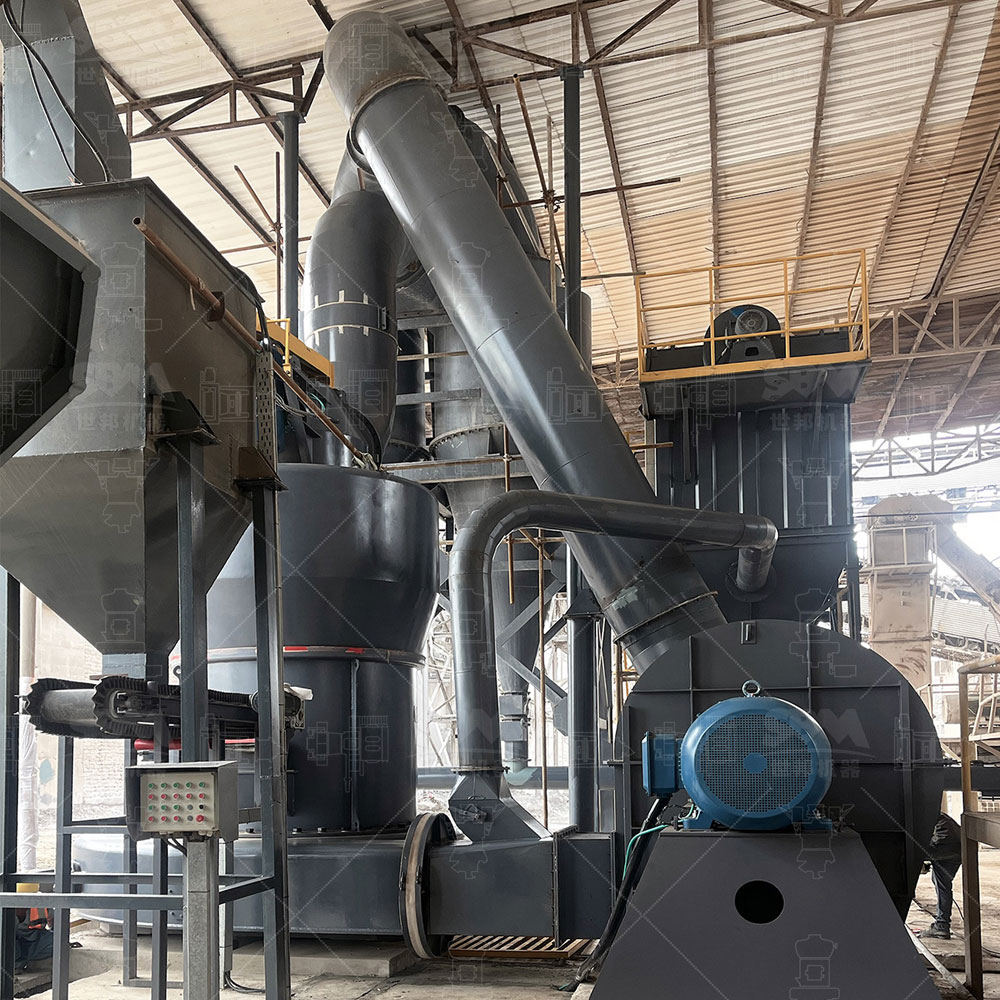
LM Vertical Roller Mill for High-Volume Production
When capacity demands exceed 40 tph, the LM Vertical Roller Mill becomes the preferred solution. Integrating crushing, drying, grinding, and powder separation within a single system, it occupies approximately 50% less floor space than an equivalent ball mill system, making it ideal for greenfield lithium projects in remote locations. The roller does not contact the grinding plate directly, and both components are fabricated from high-quality wear-resistant alloys, extending service life substantially. Energy savings of 30–40% compared to ball milling are typical, a critical factor when electricity costs represent a major portion of operating expenses. The automated control system allows seamless switching between remote and local operation, reducing labor requirements while maintaining tight product fineness specifications—essential for downstream chemical reactors that demand consistent feed quality.
SCM Ultrafine and LUM Ultrafine Vertical Mills for Fine and Ultra-Fine Grinding
As lithium extraction technologies evolve toward direct leaching and hydrometallurgical methods, the demand for ultrafine spodumene powders (D97 ≤ 5–10 μm) is increasing. The SCM Ultrafine Mill achieves adjustable fineness from 325 to 2500 mesh with energy consumption 30% lower than jet mills, while the LUM Ultrafine Vertical Mill incorporates Germany-derived multi-rotor powder classifier technology for precise cut size control. These mills are particularly suited for processing beta-spodumene after calcination, where brittleness and microcracking facilitate size reduction. The heavy rotor design and special alloy rollers in SCM mills offer durability several times higher than conventional ultrafine equipment, directly addressing the pain point of frequent maintenance in high-wear environments. Environmental protection features—including efficient double powder collection and sound insulation rooms—help lithium processors meet increasingly stringent emissions regulations in jurisdictions such as China, Australia, and Chile.
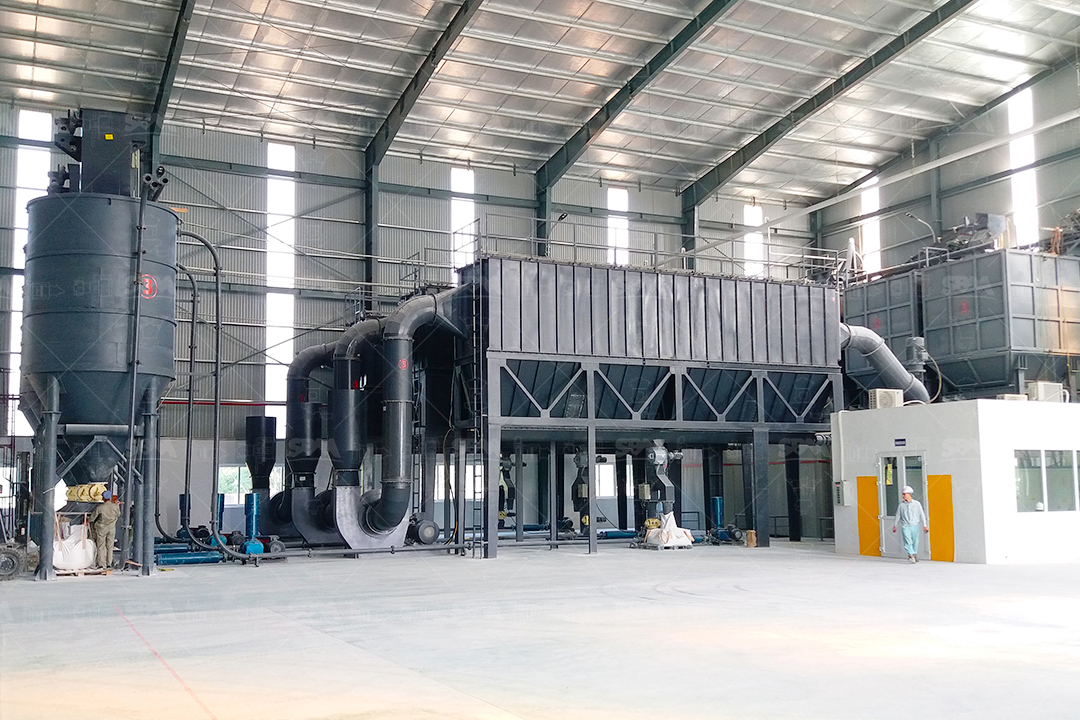
Holistic Processing Solutions from SBM Machinery
Beyond individual machines, SBM Machinery provides complete grinding systems covering the entire spodumene processing workflow—from primary crushing and stockpile reclaim to mill feeding, classification, and product handling. With installations in over 180 countries, the company has accumulated extensive application expertise in lithium mineral processing. Whether the target is a 6% Li₂O flotation concentrate or a micronized product for direct lithium extraction, SBM’s engineering team can recommend and integrate the optimal grinding solution. The company’s commitment to innovation is reflected in its autonomous patent technologies, such as the cone gear transmission and arc air duct designs, which directly address the industry’s longstanding frustrations with high energy consumption, excessive wear, and process instability.
FAQ: Common Customer Pain Points in Spodumene Grinding
Q1: Why does my spodumene grinding circuit experience high wear rates even with new liners?
A1: Alpha-spodumene is extremely abrasive due to its Mohs hardness (6.5–7) and the presence of quartz gangue. SBM’s MTW mill features combined-type shovel blades that allow for easy blade replacement without discarding the entire shovel, reducing wear part costs. Additionally, the LM vertical roller mill uses high-alloy rollers and liners with no metal-to-metal contact, significantly extending wear life.
Q2: How can I achieve a finer grind (D97 < 20 μm) without excessive energy consumption?
A2: The SCM Ultrafine Mill and LUM Ultrafine Vertical Mill are specifically designed for this. The SCM mill consumes 30% less energy than jet mills while achieving D97 ≤ 5 μm, thanks to its efficient vertical turbine classifier and frequency-conversion control. The LUM mill’s multi-rotor classifier ensures precise cut size without coarse particle spillover.
Q3: My spodumene product fineness fluctuates—what can I do to stabilize output?
A3: Inconsistent ore feed composition and varying moisture content often cause fluctuations. SBM’s grinding systems are equipped with PLC/DCS automatic control that continuously adjusts grinding pressure, disc speed, and classifier rotor speed. For example, the LM mill’s expert system can remotely switch between control modes to maintain target fineness even when feed characteristics change.
Q4: Is it possible to reduce energy costs by 30% or more compared to my current ball mill circuit?
A4: Yes, especially when switching to a vertical roller mill. The LM mill operates with 30–40% lower energy consumption than ball mills due to its direct grinding mechanism and no metal impact. Case studies from spodumene plants indicate payback periods of less than 18 months when considering energy savings alone.
Q5: What is the best way to handle dust and noise emissions during spodumene processing?
A5: SBM mills are designed with environmental compliance in mind. The LUM and LM mills operate under negative pressure with fully sealed systems, preventing dust escape. The SCM mill incorporates an efficient double powder collection system combining cyclones and pulse dust collectors, while optimized sound insulation rooms and mufflers reduce noise levels to meet international standards—a critical requirement for operations near residential areas.


