

Application practice of raymond mill in non-metallic mineral processing
发布时间:2025-03-28
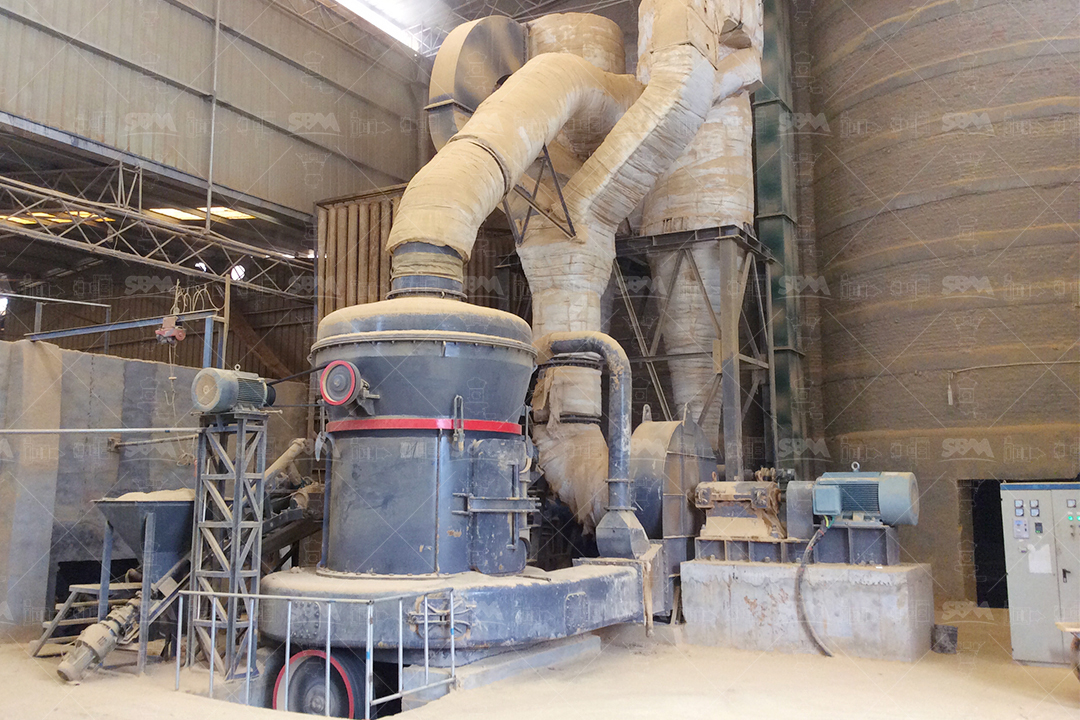
In the realm of non-metallic mineral processing, the Raymond mill has long been a cornerstone technology, yet traditional models often fall short in meeting the evolving demands for higher efficiency, finer fineness, and lower operational costs. Shanghai SBM Machinery Equipment Co., Ltd. has addressed these challenges through continuous innovation, particularly with the MTW Series European Trapezium Grinding Mill (MTW Raymond Mill). This next-generation equipment, developed from over 9500 customer feedback inputs and decades of R&D, offers international advanced level performance with features like cone gear whole transmission, arc air flue design, and wear-proof perching knife. It delivers input sizes up to 50mm, output fineness from 30 to 400 mesh, and capacities ranging 3-40tph, making it ideal for processing limestone, calcite, barite, dolomite, kaolin, gypsum, and other non-metallic minerals. Below, we explore its practical applications, technical advantages, and how it resolves common pain points in non-metallic mineral grinding.
Application Scenarios and Pain Points in Non-Metallic Mineral Processing
Non-metallic mineral processing industries—such as those dealing with calcium carbonate, talc, barite, and kaolin—face persistent issues: low grinding efficiency, high energy consumption, frequent wear part replacement, and inconsistent product fineness. Traditional Raymond mills often struggle with these due to outdated transmission systems and poor air flow design. The MTW Raymond mill directly targets these pain points. For example, in heavy calcium carbonate (GCC) production, customers need uniform 200-400 mesh powder for plastics and paints. The MTW mill’s arc air duct minimizes energy loss during pneumatic conveying, ensuring stable output even with high moisture materials. Similarly, in limestone desulfurization for power plants, the mill’s cone gear integral transmission reduces mechanical friction, cutting energy consumption by up to 30% compared to older models.
Technical Advantages Addressing Customer Concerns
One of the most common complaints from clients is the high cost of wear parts. The MTW Raymond mill solves this with a unique combined-type shovel blade design—only the blade tip needs replacement during maintenance, not the entire assembly. The curved blade also optimizes the feeding angle, extending roller and ring life. This directly reduces downtime and spare parts inventory. Additionally, the volute design improves wind-driven transmission efficiency, addressing the pain point of low capacity in tight spaces. For large-scale operations, SBM also offers LM Vertical Roller Mill and LUM Ultrafine Vertical Mill as complementary solutions. For instance, LM Vertical Mill integrates drying, grinding, and powder selection in one unit, reducing floor space by 50% versus ball mills, which is critical for plants with limited real estate. Its automatic control system allows remote operation, saving labor costs—a frequent concern in regions with skilled labor shortages.
Case Study: GCC Processing with MTW Raymond Mill
Consider a GCC processing plant aiming for D97≤10μm fineness for high-end paper coating. Traditional Raymond mills could only achieve 400 mesh (38μm) with acceptable throughput. By switching to MTW Raymond mill with its bevel gear transmission and arc air duct, the plant achieved 600 mesh (23μm) at 10tph, with energy consumption reduced by 25%. The mill’s oil absorption lubrication system also minimized maintenance frequency, a direct answer to clients’ pain point of unexpected shutdowns. For ultra-fine requirements (325-2500 mesh), SBM’s SCM Ultrafine Mill—with capacity twice that of jet mills but 30% lower energy consumption—becomes the go-to. Its heavy rotor design and special material rollers ensure durability several times higher than standard mills, addressing the worry of frequent part replacement.
Environmental and Operational Benefits
Environmental compliance is another major pain point. The MTW Raymond mill’s sealed system operates under negative pressure, preventing dust spillover—a critical feature for factories facing strict emission regulations. The LUM ultrafine vertical mill takes this further with sound insulation rooms and mufflers, reducing noise pollution in urban areas. For clients in the building materials and chemical sectors, this ensures they meet national standards without additional investment in secondary dust collection. Moreover, the automatic feedback system in SCM Ultrafine Mill enables real-time fineness adjustment, eliminating the need for manual sampling and reducing waste—a significant cost-saving for processing high-value minerals like barite or wollastonite.
Integration with Complete Grinding Systems
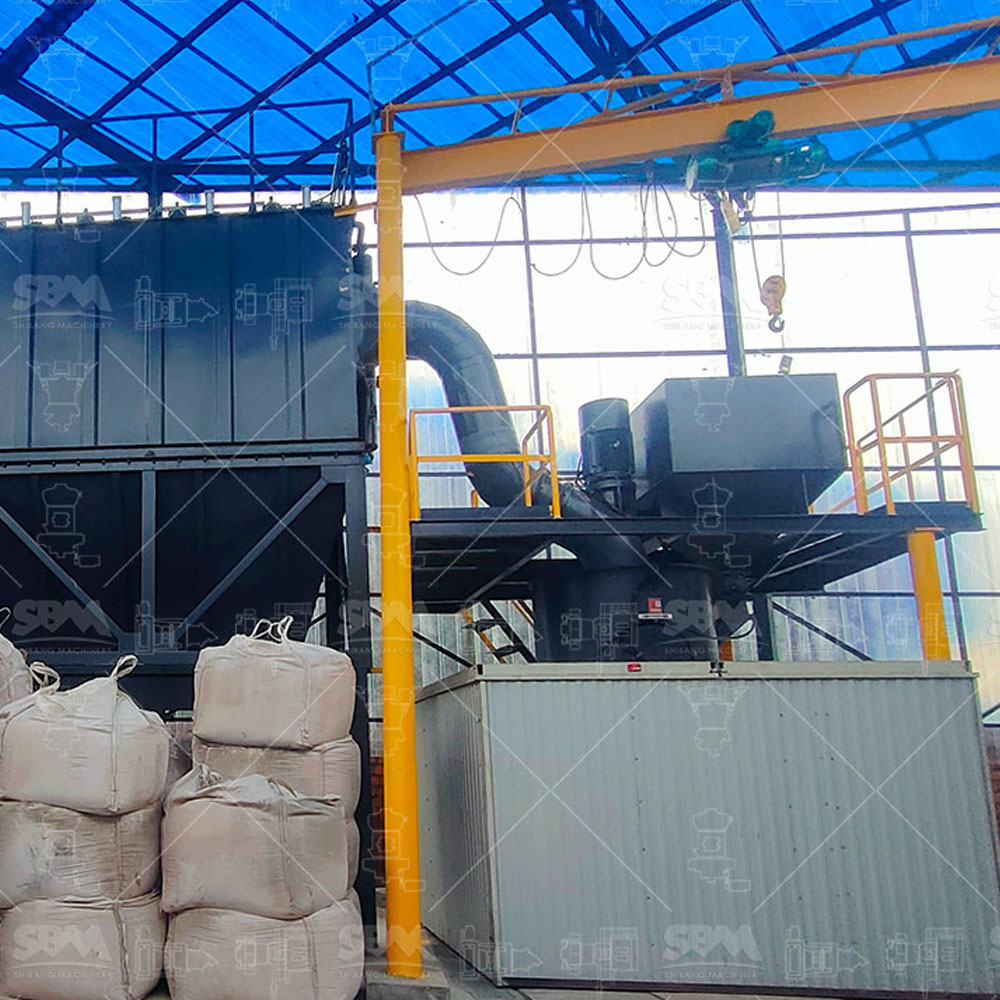
SBM Machinery doesn’t just sell individual mills; it provides total solution packages. For example, a client processing gypsum for construction boards might combine the MTW Raymond mill (for primary grinding to 200 mesh) with an SCM Ultrafine Mill (for fine grinding to 800 mesh). This dual-stage setup addresses the common pain point of needing flexibility in output fineness without separate machinery. The LM vertical roller mill, with its capacity up to 400tph, is ideal for large-scale slag micro-powder production, where low operating costs (30-40% lower than ball mills) directly impact profitability. The ball mill, meanwhile, remains useful for wet grinding in mineral dressing, though its higher energy consumption is mitigated by SBM’s optimized design using wear-resistant materials.
Conclusion
In summary, the application practice of Raymond mill—specifically SBM’s MTW European Trapezium Grinding Mill—in non-metallic mineral processing effectively resolves core client pain points: low efficiency, high wear costs, inconsistent fineness, and environmental non-compliance. Through innovations like cone gear transmission, arc air duct, and combined shovel blade, it delivers measurable improvements in throughput, energy saving, and maintenance reduction. Combined with SBM’s LM, LUM, SCM, and ball mills, clients can build a customized grinding train from 0-50mm feed to 2500 mesh output, all while benefitting from global service experience across 180+ countries. Whether for GCC, limestone desulfurization, or talc processing, the MTW Raymond mill stands as a reliable, cost-effective backbone for modern powder processing.
Frequently Asked Questions (FAQ)
Q1: My current Raymond mill has high energy consumption and frequent roller ring wear. How does the MTW Raymond mill solve this?
A1: The MTW mill uses cone gear whole transmission for higher efficiency (lower energy consumption) and combined-type shovel blades with curved design that only require blade replacement, not full assembly changes. The special material in rollers and rings extends service life several times, reducing both energy and wear costs.
Q2: I need to process non-metallic minerals from 100 mesh to 2500 mesh for different applications. Can one machine handle this range?
A2: While the MTW Raymond mill covers 30-400 mesh, for ultra-fine requirements (325-2500 mesh), SCM Ultrafine Mill is recommended. It features frequency-conversion control for easy fineness adjustment and can achieve D97≤5μm in one pass. For even higher capacity (10-70tph) ultra-fine grinding, LUM vertical mill is ideal. SBM can provide a staged solution to cover your full mesh range.
Q3: My plant has limited space. Is there a Raymond mill model that saves floor area?
A3: Yes. The LM Vertical Roller Mill integrates crushing, drying, grinding, separating, and transport functions, reducing floor space by about 50% compared to ball mill systems. It can be arranged outdoors, significantly lowering civil construction costs. The MTW mill also features a compact volute design to optimize space utilization.
Q4: How do I ensure consistent product fineness without manual monitoring?
A4: Both MTW and SCM mills are equipped with automatic feedback control systems. For example, the SCM mill uses intelligent control for fast, stable finished product conversion, while the MTW mill’s frequency-conversion speed regulation allows remote fineness adjustment. PLC/DCS automatic systems ensure real-time parameter optimization without manual intervention.
Q5: My factory faces strict dust and noise regulations. Are SBM mills environmentally friendly?
A5: Absolutely. All SBM mills (MTW, LM, LUM, SCM) are designed for negative pressure operation with full sealing to prevent dust spillover. The LUM ultrafine vertical mill includes sound insulation rooms and mufflers, while the SCM mill uses high-efficiency double powder collection (pulse dust collectors) that exceeds international standards. Emissions consistently meet national environmental requirements.


