

Can carbon materials be processed by raymond mill?
Published: December 18, 2024
Carbon materials, including graphite, carbon black, activated carbon, and petroleum coke, have become indispensable in modern industries ranging from batteries and electronics to metallurgy and environmental protection. A question frequently asked by customers is whether these materials can be effectively processed by Raymond mills. The answer is a resounding yes, but with important technical considerations. Raymond mills, particularly advanced models like the MTW Series European Trapezium Grinding Mill, are well-suited for grinding various carbon materials into fine powders. However, the success of the process depends on factors such as material hardness, moisture content, desired fineness, and the specific mill configuration. For softer carbon materials like graphite and carbon black, Raymond mills deliver excellent results with high efficiency and consistent particle size distribution. For harder or abrasive carbon materials, specialized wear-resistant components and optimized grinding parameters are essential. This article explores the technical aspects, potential challenges, and solutions for processing carbon materials with Raymond mills, drawing on SBM Machinery's extensive experience and advanced grinding technologies.
[Image Placeholder: Raymond mill processing carbon materials in a industrial setting, with alt text "Raymond mill grinding carbon materials for industrial applications"]Understanding Carbon Materials and Their Grinding Requirements
Carbon materials encompass a wide range of substances, each with distinct properties that influence grinding behavior. Graphite, for instance, is relatively soft with a Mohs hardness of 1-2, making it easy to grind but prone to producing flaky particles that can affect flowability. Carbon black, with its fine particle size and high surface area, tends to agglomerate and requires careful dispersion during grinding. Activated carbon is porous and brittle, requiring gentle grinding to preserve its adsorption properties. Petroleum coke, often used as a fuel or anode material, is harder and more abrasive, demanding robust grinding equipment. Other carbon-based materials like coal, char, and carbon fiber reinforced composites present unique challenges.
The ideal grinding solution must address these variations. Raymond mills, particularly the MTW Series, are designed with flexibility in mind. The MTW mill's adjustable parameters—such as roller pressure, classifier speed, and air flow—allow operators to tailor the grinding process to specific carbon materials. For instance, when processing graphite, lower roller pressure and higher classifier speeds prevent over-grinding and preserve particle morphology. For petroleum coke, higher pressure and wear-resistant components ensure efficient size reduction without excessive downtime.
Why Raymond Mills Are Suitable for Carbon Materials
Raymond mills have long been a staple in the powder processing industry due to their reliability, efficiency, and ability to produce fine powders. The MTW Series European Trapezium Grinding Mill, also known as MTW Raymond Mill, represents a significant advancement over traditional designs. It incorporates features that make it particularly advantageous for carbon materials:
- Advanced Transmission System: The cone gear whole transmission ensures high efficiency and reliable operation, reducing energy loss and maintenance requirements. This is crucial when grinding abrasive carbon materials that can strain mechanical components.
- Wear-Resistant Components: The combined-type shovel blade and curved shovel blades reduce wear and extend the service life of rollers and rings. This is especially beneficial for hard carbon materials like petroleum coke, where abrasive wear is a primary concern.
- Optimized Air Flow: The arc air duct design minimizes air energy loss and ensures efficient material transport. For lightweight carbon black, this prevents accumulation and ensures consistent output.
- Volute Design: The unobstructed wear-resistant volute improves wind-driven transmission efficiency, reducing maintenance costs and ensuring stable operation.
These technical advantages translate into tangible benefits for carbon material processors: higher throughput, lower operating costs, and consistent product quality. SBM Machinery's MTW Series has been deployed in numerous carbon processing applications worldwide, from graphite beneficiation to petroleum coke grinding for fuel preparation.
[Image Placeholder: Detailed view of MTW Raymond Mill's grinding rollers and ring, with alt text "Wear-resistant grinding rollers and ring in MTW Raymond Mill for carbon materials"]Challenges in Processing Carbon Materials with Raymond Mills
While Raymond mills are versatile, processing carbon materials is not without challenges. Customers often encounter the following issues:
1. Material Hardness and Abrasiveness
_1790612729825.jpg)
Hard carbon materials like petroleum coke and certain types of graphite can accelerate wear on grinding components. Traditional Raymond mills may require frequent replacement of rollers and rings, leading to downtime and increased costs. The MTW Series addresses this with wear-resistant materials and a unique perching knife design that allows only the blade to be replaced, reducing maintenance time and cost.
2. Moisture Content
Carbon materials often contain moisture, which can cause clogging and reduce grinding efficiency. The MTW mill can handle materials with moisture content up to a certain level, but excessive moisture may require pre-drying. For high-moisture carbon materials, integrating a drying system or using a mill with built-in drying capabilities, such as the LM Vertical Roller Mill, may be more suitable.
3. Fineness Requirements
Different carbon applications demand different fineness levels. Battery-grade graphite may require ultrafine grinding to D97 ≤ 5μm, while activated carbon for water treatment typically needs 200-325 mesh. The MTW mill can produce powders from 30 to 400 mesh, covering many carbon applications. For ultrafine requirements, SBM's SCM Ultrafine Mill or LUM Ultrafine Vertical Mill can achieve fineness up to 2500 mesh, with the LUM mill reaching D97 ≤ 5μm.
4. Dust and Environmental Control
Carbon dust can be hazardous and environmentally problematic. Raymond mills must be equipped with effective dust collection systems. SBM's mills feature sealed systems operating under negative pressure, with pulse dust collectors and sound insulation to meet stringent environmental standards.
5. Energy Consumption
Energy costs are a major concern in carbon processing. Traditional Raymond mills can be energy-intensive, especially when grinding hard materials. The MTW Series optimizes energy efficiency through its transmission design and airflow dynamics. For even greater energy savings, the LM Vertical Roller Mill consumes 30-40% less energy than ball mills, making it an attractive option for large-scale carbon processing.
Choosing the Right Mill for Carbon Materials
Selecting the appropriate mill depends on the specific carbon material and production requirements. Here is a comparison of SBM's mills for carbon processing:
- MTW Series European Trapezium Grinding Mill: Ideal for medium-fine grinding (30-400 mesh) of graphite, carbon black, and activated carbon. Capacity: 3-40 tph. Best for small to medium-scale operations requiring flexibility.
- LM Vertical Roller Mill: Suitable for large-scale processing (3-400 tph) of petroleum coke, coal, and other carbon materials. Integrates drying, grinding, and classification. Energy-efficient and environmentally friendly.
- SCM Ultrafine Mill: For ultrafine grinding (325-2500 mesh) of graphite and carbon black. Capacity: 0.5-25 tph. High fineness and low energy consumption.
- LUM Ultrafine Vertical Mill: For ultrafine grinding (325-4000 mesh) with capacities up to 70 tph. Advanced classification technology ensures precise particle size control.
- Ball Mill: Traditional solution for coarse to fine grinding (0.2-0.074mm). Robust and mature technology, but higher energy consumption. Available in dry and wet configurations.
SBM Machinery's team of experts can help customers select the optimal mill based on material testing and production goals. With over 180 countries served, SBM has the experience to tailor solutions for diverse carbon materials.
Case Studies: Successful Carbon Processing with SBM Mills
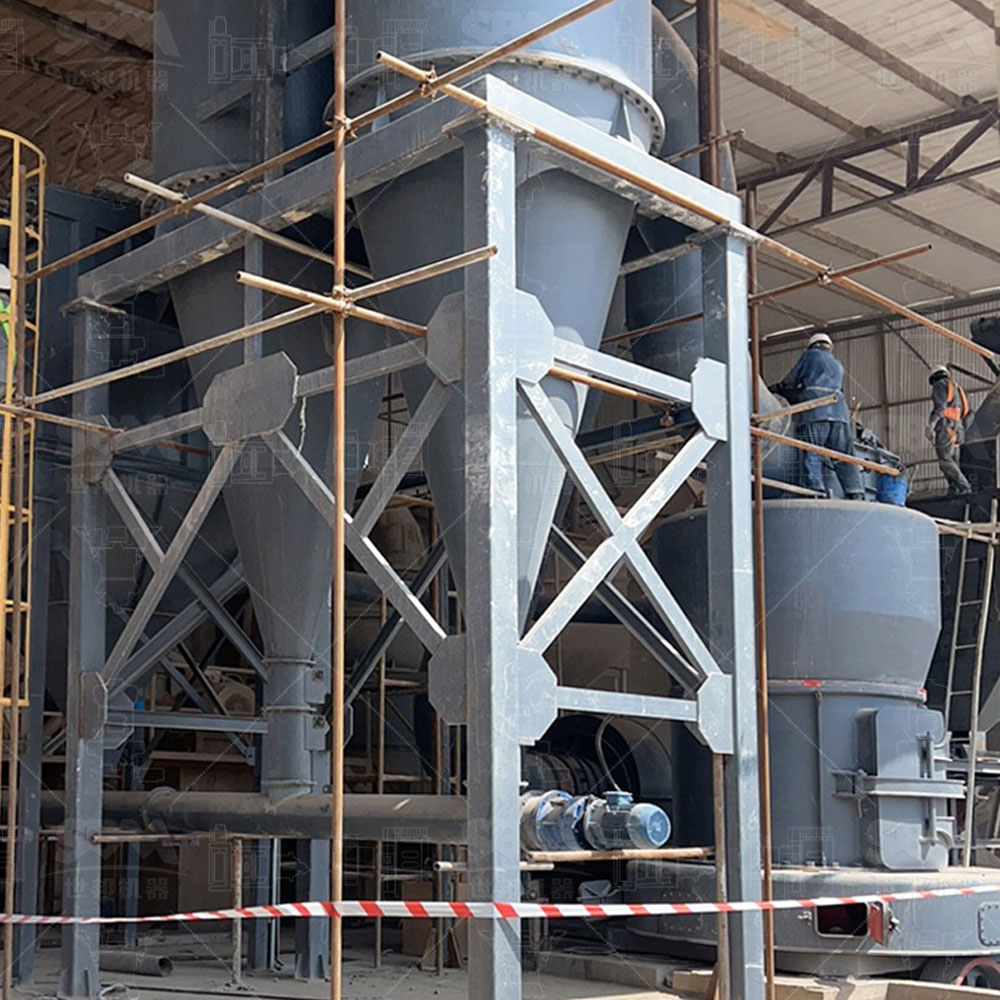
In a graphite processing plant in Asia, an MTW Series mill was installed to produce 200 mesh graphite for battery anodes. The mill's wear-resistant components and precise classifier ensured consistent product quality, while the automatic control system reduced labor costs. The customer reported a 25% increase in throughput compared to their previous mill.
In Europe, a petroleum coke grinding facility utilized an LM Vertical Roller Mill to produce fuel for cement kilns. The mill's drying function handled the high moisture content of the coke, and its energy efficiency reduced operating costs by 35%. The sealed system met strict EU environmental regulations.
These examples demonstrate the adaptability and performance of SBM's grinding equipment in carbon material processing.
Maintenance and Optimization Tips
To maximize the performance and lifespan of Raymond mills when processing carbon materials, consider these tips:
- Regular Inspection: Check wear parts (rollers, rings, blades) frequently and replace as needed. The MTW mill's combined-type shovel blade simplifies maintenance.
- Material Pre-Treatment: Crush large carbon chunks to the mill's input size (0-50mm for MTW) to avoid overload. Dry materials if moisture content is high.
- Parameter Tuning: Adjust classifier speed and roller pressure based on material characteristics to achieve desired fineness without over-grinding.
- Dust Collection: Ensure dust collectors are functioning properly to maintain a clean workspace and comply with regulations.
- Operator Training: Train operators on the mill's control system to optimize performance and respond to issues promptly.
Frequently Asked Questions (FAQs)
1. Can Raymond mills grind all types of carbon materials?
Raymond mills can handle most carbon materials, including graphite, carbon black, activated carbon, and petroleum coke. However, very hard or abrasive materials may require wear-resistant components or alternative mills like vertical roller mills. Testing is recommended to confirm suitability.
2. What is the maximum fineness achievable for carbon materials?
The MTW Raymond Mill can produce powders from 30 to 400 mesh. For ultrafine requirements (up to 2500 mesh), SBM's SCM Ultrafine Mill or LUM Ultrafine Vertical Mill is more appropriate. The LUM mill can reach D97 ≤ 5μm.
3. How to prevent dust pollution during carbon grinding?
Choose a mill with a sealed system and negative pressure operation, such as SBM's MTW or LM mills. These are equipped with pulse dust collectors and sound insulation to meet environmental standards. Regular maintenance of dust collection systems is essential.
4. What causes high wear on grinding rollers when processing carbon?
High wear is often due to abrasive materials like petroleum coke or improper operating parameters. Using wear-resistant components (e.g., SBM's combined-type shovel blade) and optimizing roller pressure can significantly reduce wear. Pre-crushing materials to uniform size also helps.
5. Can Raymond mills process carbon materials with high moisture content?
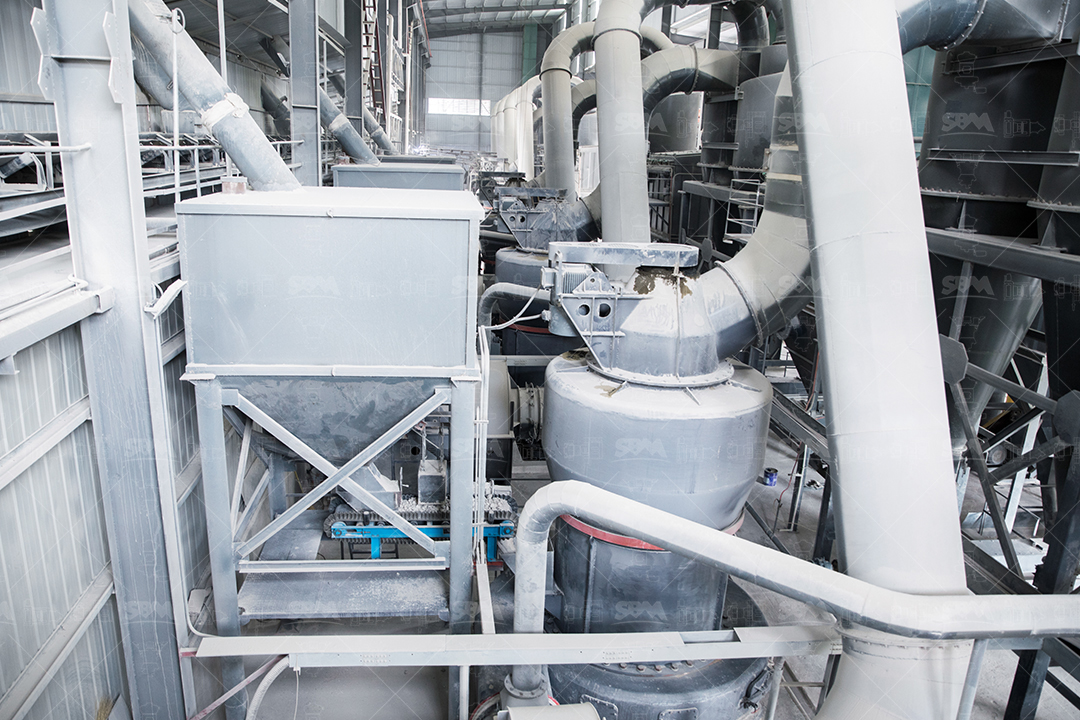
While Raymond mills can handle some moisture, high moisture content may cause clogging and reduced efficiency. For such cases, a vertical roller mill with integrated drying (like SBM's LM mill) is recommended, as it can dry and grind simultaneously.
In conclusion, carbon materials can indeed be processed by Raymond mills, provided the equipment is properly selected and maintained. SBM Machinery's advanced grinding solutions, including the MTW Series, LM Vertical Roller Mill, and ultrafine mills, offer reliable and efficient options for carbon processors worldwide. By understanding material properties and leveraging the right technology, customers can achieve optimal results and stay competitive in the growing carbon materials market.


