

Wide applications and basic characteristics of limestone
Published: December 18, 2024
Limestone is one of the most versatile and abundant sedimentary rocks on Earth, playing a critical role across industries ranging from construction and agriculture to environmental protection and advanced materials manufacturing. Its primary component, calcium carbonate (CaCO₃), gives limestone its distinctive chemical and physical properties, making it indispensable in processes such as flue gas desulfurization, cement production, heavy calcium carbonate (GCC) processing, and the creation of new energy materials. As global demand for finely ground limestone powder continues to rise, the importance of selecting the right grinding equipment—capable of delivering precise fineness, high capacity, and energy efficiency—has never been greater. This article explores the wide applications and fundamental characteristics of limestone, and examines how advanced grinding technologies from Shanghai SBM Machinery Equipment Co., Ltd. (SBM Machinery) enable industries worldwide to unlock the full potential of this remarkable mineral resource.
What Is Limestone? A Geological and Chemical Overview
Limestone is a sedimentary rock composed primarily of calcium carbonate. It forms over millions of years through the accumulation of marine organisms—such as coral, foraminifera, and mollusks—whose calcium carbonate skeletons settle on the ocean floor and undergo compaction and cementation. Depending on its formation process and mineral composition, limestone can vary significantly in color, texture, and purity, ranging from white and cream to gray, yellow, and even black.
Chemically, limestone is dominated by CaCO₃, typically constituting 80% to 99% of its composition. Other minerals such as dolomite (CaMg(CO₃)₂), silica, clay, and iron oxides may be present as impurities, influencing its suitability for specific applications. The Mohs hardness of limestone generally ranges from 3 to 4, making it relatively soft compared to granite or basalt, which is advantageous for grinding and processing operations.
Key characteristics of limestone include:
- High calcium carbonate content: Essential for chemical reactivity in industrial processes.
- Moderate hardness: Facilitates efficient crushing and grinding.
- Alkaline nature: Enables neutralization of acidic substances.
- Thermal decomposition: At temperatures around 900–1000°C, limestone decomposes into calcium oxide (quicklime) and carbon dioxide, a property fundamental to cement and lime production.
- Variability: Physical and chemical properties differ by deposit, requiring tailored processing solutions.
Wide Applications of Limestone Across Industries
1. Construction and Building Materials
The construction industry is the largest consumer of limestone. Crushed limestone serves as aggregate in concrete and asphalt, while finely ground limestone is used as a filler in cement production. In cement manufacturing, limestone provides the necessary calcium oxide for clinker formation. Additionally, limestone is a key ingredient in the production of lime (quicklime and hydrated lime), which is used in mortars, plasters, and soil stabilization.
For building materials, the particle size and fineness of limestone powder are critical. SBM Machinery's grinding equipment, such as the MTW Series European Trapezium Grinding Mill, delivers output sizes ranging from 30 to 400 mesh with capacities of 3 to 40 tph, making it ideal for producing high-quality limestone powder for cement and building material applications.
2. Environmental Desulfurization
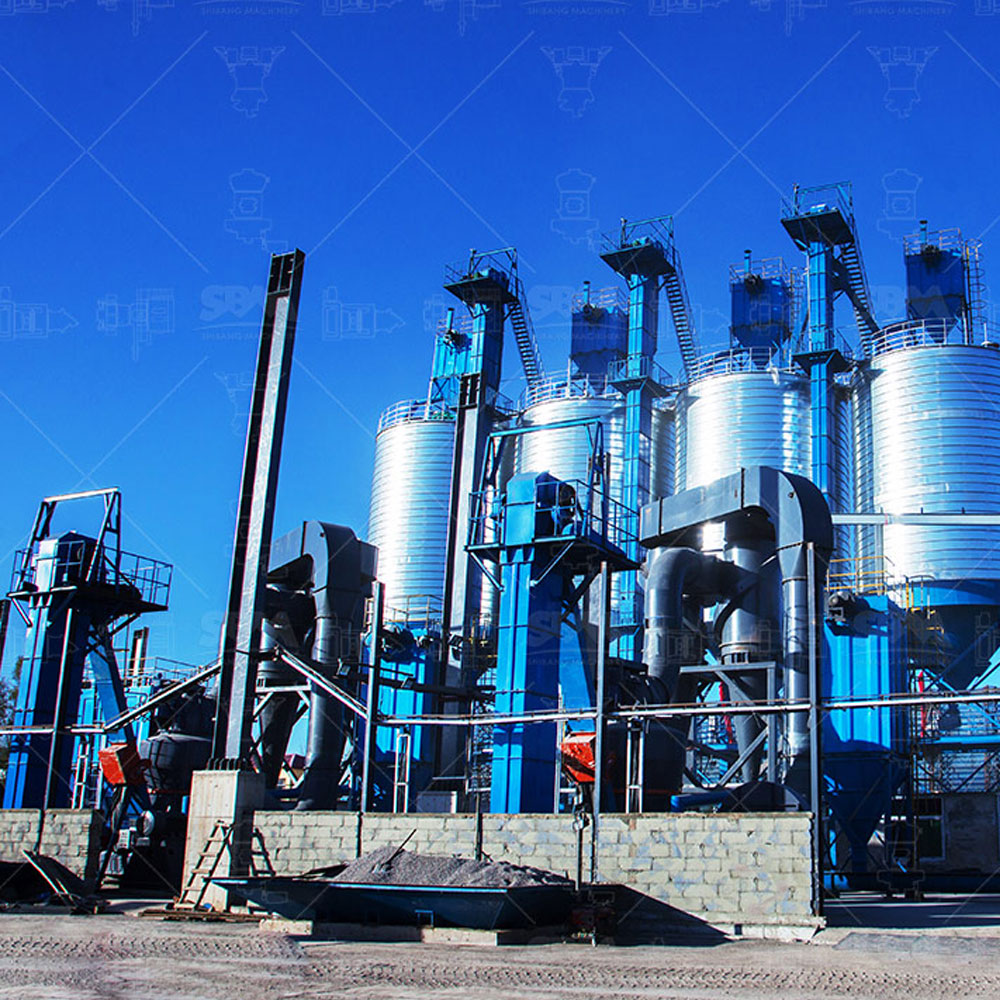
Flue gas desulfurization (FGD) in power plants is one of the most significant applications of limestone powder. When limestone is finely ground and mixed with water to form a slurry, it reacts with sulfur dioxide (SO₂) in flue gases to produce calcium sulfite and calcium sulfate (gypsum), effectively reducing sulfur emissions. This process is critical for meeting environmental regulations and combating acid rain.
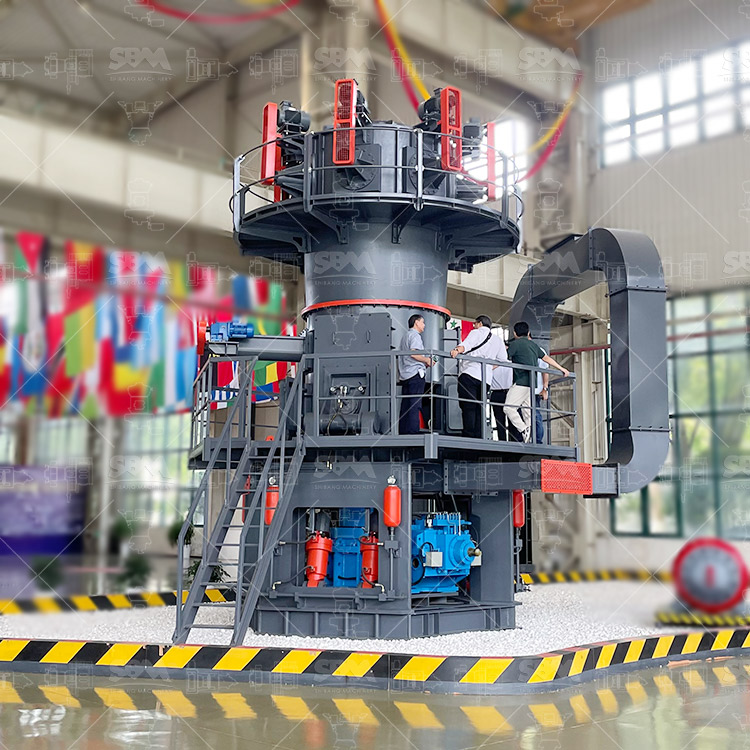
The efficiency of FGD systems depends heavily on the fineness and reactivity of the limestone powder. SBM's LM Vertical Roller Mill, with its integrated drying, pulverizing, and powder-selection functions, is widely applied in power generation industries for environmental desulfurization limestone powder preparation. Its capacity of 3 to 400 tph ensures large-scale processing capabilities.
3. Heavy Calcium Carbonate (GCC) Processing
Ground calcium carbonate (GCC) is produced by grinding high-purity limestone to fine powders. GCC is used extensively as a filler and coating pigment in paper, plastics, paints, and rubber. In the paper industry, GCC improves opacity, brightness, and printability. In plastics, it enhances stiffness and reduces production costs.
Producing GCC with consistent particle size distribution requires advanced grinding technology. SBM's SCM Series Ultrafine Grinding Mill can adjust powder fineness from 325 to 2500 mesh, with disposable fineness reaching D97≤5μm, meeting the stringent requirements of GCC processing for high-end applications.
4. Chemical and Metallurgical Industries
In the chemical industry, limestone is used to produce calcium carbide, calcium cyanamide, and various calcium salts. It also serves as a flux in steelmaking, where it removes impurities such as silica and sulfur from molten iron. In metallurgy, the correct particle size of limestone is essential for efficient smelting operations.
5. Agriculture and Soil Treatment
Agricultural lime, derived from ground limestone, is used to neutralize acidic soils, improving crop yields and soil health. The fineness of agricultural limestone affects its reactivity and effectiveness in raising soil pH.
6. New Energy and Advanced Materials
As the world transitions to renewable energy, limestone is finding new applications in the production of lithium-ion batteries, where calcium carbonate is used as a precursor for cathode materials. Additionally, limestone is a source of calcium for various advanced ceramic and glass formulations.
Basic Characteristics That Determine Limestone's Industrial Value
Understanding the basic characteristics of limestone is essential for selecting the appropriate processing equipment and optimizing end-product quality. The following properties are particularly important:
Particle Size and Fineness
Different applications require different levels of fineness. For cement production, limestone is typically ground to 200–400 mesh. For GCC used in paper coating, fineness may reach 1000–2500 mesh. Ultrafine grinding to D97≤5μm is necessary for specialized applications in plastics, paints, and pharmaceuticals. SBM's LUM Ultrafine Vertical Mill is designed for ultrafine grinding of limestone and other non-metallic minerals, achieving output sizes of 325–4000 mesh with capacities of 10–70 tph.
Chemical Purity
The calcium carbonate content of limestone determines its suitability for chemical and food-grade applications. High-purity limestone (>98% CaCO₃) is required for pharmaceuticals, food additives, and high-end GCC. Impurities such as silica, iron, and magnesium can affect color, reactivity, and processing equipment wear.
Hardness and Abrasiveness
Although limestone is relatively soft, its abrasiveness can vary depending on quartz content. Abrasive limestone causes wear on grinding equipment, increasing maintenance costs. SBM's grinding mills feature wear-resistant materials and designs, such as the combined-type shovel blade in the MTW Series, which reduces the cost of wearing parts by allowing only the blade to be replaced during maintenance.
Moisture Content
Limestone can absorb moisture during storage and transportation, affecting grinding efficiency. SBM's LM Vertical Roller Mill integrates drying, pulverizing, and powder-selection functions, allowing it to handle limestone with varying moisture content efficiently.
Bulk Density and Flowability
These properties influence material handling and feeding systems. SBM's equipment is designed to accommodate different bulk densities and ensure smooth, continuous operation.
Advanced Grinding Solutions from SBM Machinery
Shanghai SBM Machinery Equipment Co., Ltd. operates as a total solution provider for grinding equipment, offering clients everything from individual units to complete grinding systems. With expertise spanning the entire mineral processing workflow, SBM has served over 180 countries and regions worldwide, making it the preferred choice for customers in the global powder processing industry.
SBM's product portfolio for limestone processing includes:
- MTW Series European Trapezium Grinding Mill: With input sizes of 0–50mm, output sizes of 30–400 mesh, and capacities of 3–40 tph. Features include cone gear whole transmission, inner oil absorption lubrication system, arc air flue, and volute design for improved wind-driven transmission efficiency.
- LM Vertical Roller Mill: Capacities from 3 to 400 tph, output sizes of 30–400 mesh. Integrated drying, pulverizing, and powder-selection. Features small comprehensive investment, low operating costs, automatic control system, and high environmental protection standards.
- SCM Series Ultrafine Grinding Mill: Output sizes of 325–4000 mesh, capacities of 0.5–25 tph. Achieves one-time finished products D97≤5μm. Features high output, low energy consumption, high fineness, and environmental protection.
- LUM Ultrafine Vertical Mill: Capacities of 10–70 tph, output sizes of 325–4000 mesh. Integrates powder grinding, separation, and transportation. Features high efficiency, advanced separation technology, intelligentized control system, and environmentally-friendly operation.
- Ball Mill: Input sizes of 0–25mm, output sizes of 0.2–0.074mm, capacities of 3–65 tph. Optimized structure design and new materials reduce spare parts costs. Dry ball mill for common powder; wet ball mill for mineral dressing.
Frequently Asked Questions (FAQ)
1. What fineness can I achieve when grinding limestone with SBM equipment?
SBM offers a range of grinding mills to meet different fineness requirements. The MTW Series European Trapezium Mill and LM Vertical Roller Mill can produce powders from 30 to 400 mesh, suitable for cement, desulfurization, and GCC applications. For ultrafine applications, the SCM Series Ultrafine Grinding Mill achieves 325–4000 mesh with one-time finished products D97≤5μm. The LUM Ultrafine Vertical Mill also produces 325–4000 mesh with higher capacities of 10–70 tph. Our technical team can help you select the optimal mill based on your specific fineness target and production capacity.
2. My limestone has high moisture content. Will that affect grinding efficiency?
High moisture content can indeed reduce grinding efficiency and cause clogging in some mill types. However, SBM's LM Vertical Roller Mill and LUM Ultrafine Vertical Mill are equipped with integrated drying functions, allowing them to process limestone with moisture content up to 15%. Hot air is introduced into the grinding chamber to evaporate moisture while grinding, ensuring stable operation and consistent product quality. For other mill types, pre-drying may be recommended. Our engineers can assess your material conditions and recommend the most suitable solution.
3. What are the maintenance requirements and wear part costs for SBM grinding mills?
SBM designs its grinding equipment to minimize maintenance costs and downtime. For example, the MTW Series features a combined-type shovel blade that allows only the blade to be replaced during maintenance, reducing wear part costs. The curved shovel blade design changes the feeding angle and prolongs the service life of the roller and ring. The LM Vertical Roller Mill uses high-quality materials for rollers and grinding plates, and the roller does not contact the grinding plate directly, resulting in less wear and longer service life. SBM also provides comprehensive after-sales support, including spare parts supply and technical guidance, to ensure optimal equipment performance.
4. Can SBM equipment handle large-scale limestone processing for power plant desulfurization?
Absolutely. SBM's LM Vertical Roller Mill is specifically designed for large-scale operations, with capacities ranging from 3 to 400 tph. It is widely applied in power generation industries for environmental desulfurization limestone powder preparation. The mill integrates crushing, drying, grinding, powder separating, and transportation, featuring a simple system and compact layout. Its grinding rollers directly grind materials on the grinding plate, resulting in energy consumption 30%–40% lower than ball-milling systems. The system is wholly sealed and operates under negative pressure, free of dust spillover and environmentally friendly, meeting national emission standards.
5. How do I choose between a vertical roller mill and an ultrafine mill for my limestone project?
The choice depends on your target fineness, production capacity, and application. If you need high capacity (up to 400 tph) and fineness between 30 and 400 mesh, the LM Vertical Roller Mill is ideal. It is particularly suitable for cement, desulfurization, and large-scale GCC production. If your application requires ultrafine powder (325–4000 mesh) with high fineness (D97≤5μm), the SCM Series Ultrafine Grinding Mill or LUM Ultrafine Vertical Mill is the better choice. The SCM Series is suitable for capacities up to 25 tph, while the LUM series handles 10–70 tph. SBM's technical team can conduct material tests and provide personalized recommendations to ensure you select the most cost-effective solution for your specific needs.
With decades of experience and a commitment to innovation, SBM Machinery continues to lead the way in grinding technology, helping limestone processors worldwide achieve higher efficiency, lower costs, and superior product quality.


