

Safety precautions for operating pyrophyllite raymond mill
Published on: 2025-04-08
Operating a pyrophyllite Raymond mill safely requires a comprehensive understanding of the equipment, strict adherence to established procedures, and a proactive approach to hazard identification. This article outlines the key safety precautions that every operator and maintenance team should follow to prevent accidents, protect personnel, and ensure continuous, efficient production. From pre-operation inspections and personal protective equipment to fire prevention, dust control, and emergency response, these guidelines are designed to address the most common risks associated with pyrophyllite grinding. By integrating these practices into daily operations, plants can significantly reduce downtime, extend equipment life, and create a safer working environment.
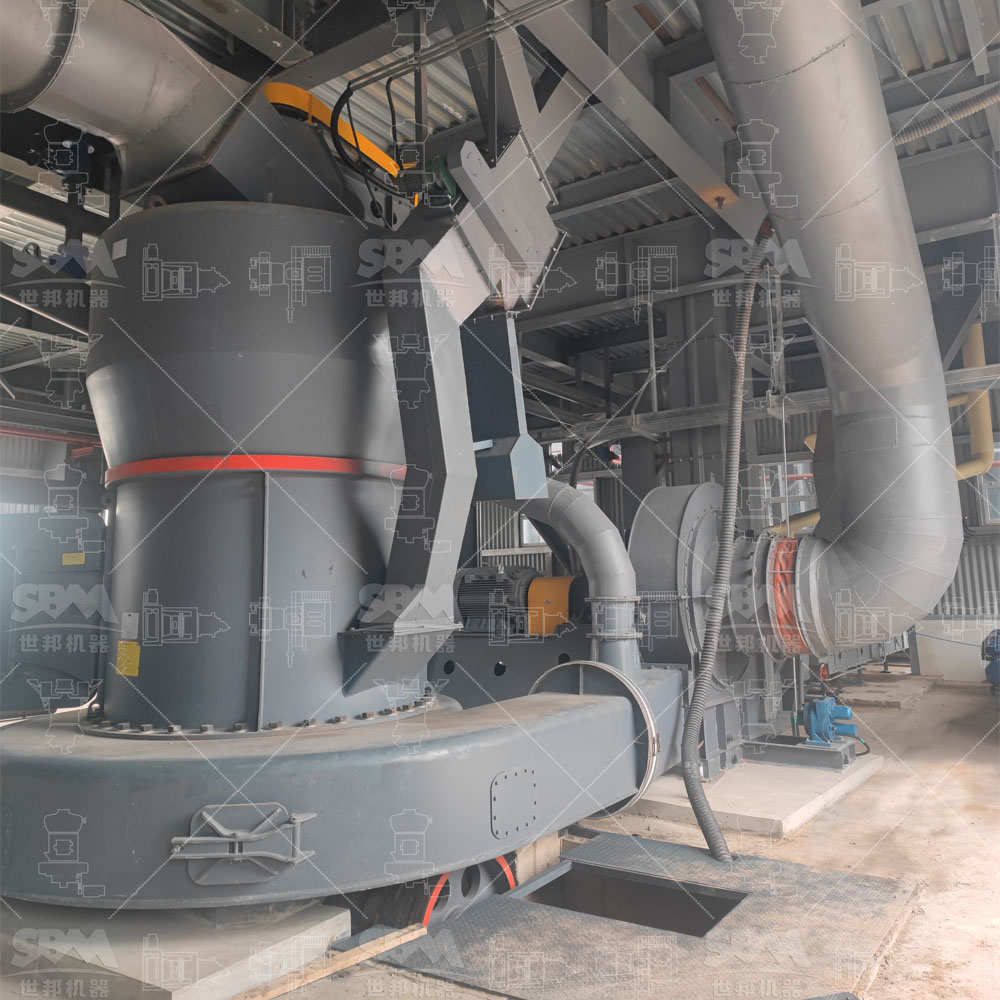
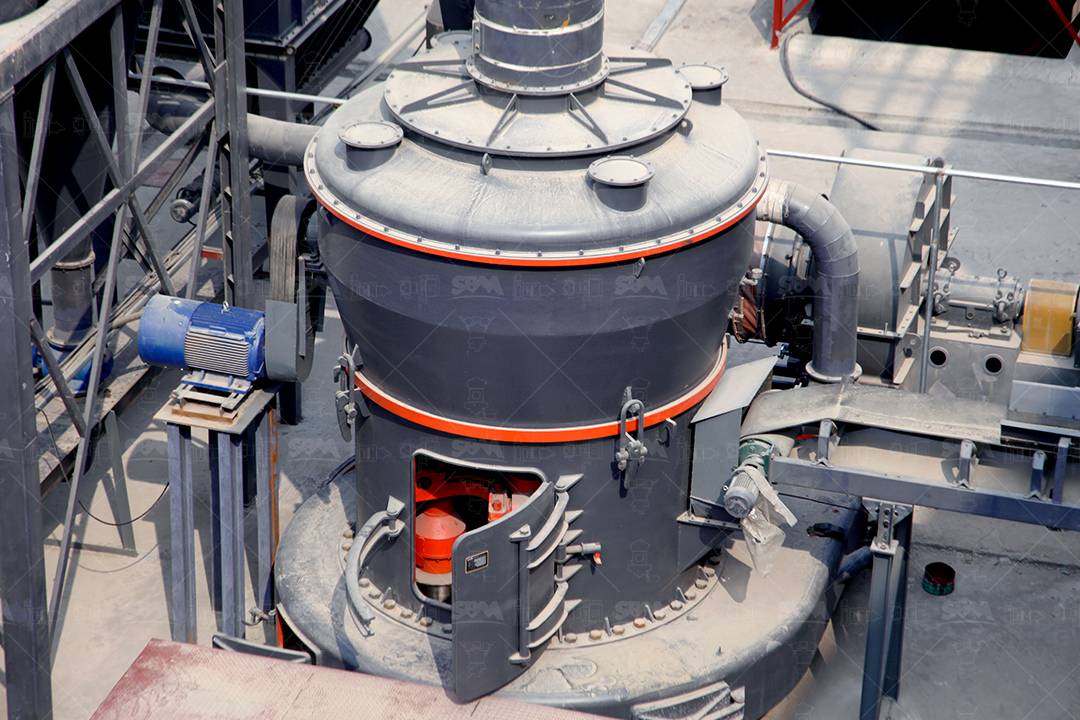
Pyrophyllite is a soft, layered silicate mineral widely used in ceramics, refractories, and fillers. Its grinding typically involves a Raymond mill (such as the MTW Series European Trapezium Mill), which relies on rollers, rings, and an air classification system. While the machine is robust, the combination of fine powder, rotating parts, and heat generation demands rigorous safety management. Below, we break down the essential precautions into actionable categories.
1. Pre-Operation Safety Checks
Before starting the Raymond mill, conduct a thorough walk-around inspection. Verify that all guards and covers are in place, especially around the grinding chamber, belt drives, and discharge points. Check the lubrication system—SBM’s MTW mill features an internal oil absorption lubrication system; ensure oil levels and quality are within specification. Inspect the wear parts: the combined-type shovel blade and the grinding ring. Worn or cracked blades can break and be ejected, causing serious injury. Confirm that the air duct (arc air duct design) is free of obstructions and that the fan and classifier rotate freely. Test the emergency stop button and all interlocks. Only after these checks should the operator proceed to startup.
2. Personal Protective Equipment (PPE)
Pyrophyllite dust is a respiratory irritant and may contain crystalline silica. Operators must wear appropriate PPE: a NIOSH-approved respirator (at least N95 for dust), safety glasses with side shields, hearing protection (the mill can exceed 85 dB during operation), steel-toed boots, and tight-fitting work clothing. Avoid loose sleeves or jewelry that could catch in rotating parts. When handling hot parts or performing maintenance, add heat-resistant gloves. Dust masks should be replaced regularly; do not reuse disposable respirators beyond their intended life.
3. Dust Control and Ventilation
The Raymond mill generates substantial fine dust. SBM’s MTW mill is equipped with a closed system and negative pressure operation, but leaks can occur at flanges, joints, and the discharge valve. Inspect these points daily. Ensure the pulse-jet dust collector is functioning correctly—check pulse timing, air pressure, and filter bags for tears. Never operate the mill without the dust collection system running. In case of visible dust emission, stop the mill immediately and repair the leak. Additionally, keep the working area clean; use a vacuum or wet sweeping, never compressed air, to avoid resuspending dust.
4. Fire and Explosion Prevention
Although pyrophyllite is non-flammable, fine dust clouds can be explosive under certain conditions. Avoid any ignition sources near the mill: no smoking, no welding without a hot work permit, and no electrical equipment that is not dust-rated. The mill’s operating temperature should be monitored; excessive heat can arise from friction if the mill is overloaded or if lubrication fails. Install temperature sensors on the main bearing and gearbox. Keep a dry chemical fire extinguisher nearby and train operators on its use. If a fire occurs, shut down the feed, keep the dust collector running to avoid dust accumulation, and evacuate if necessary.
5. Lockout/Tagout (LOTO) for Maintenance
All maintenance, including cleaning, part replacement, and lubrication, must follow LOTO procedures. Isolate the main power, lock the disconnect switch, and tag it with the maintenance person’s name. Never rely on the control panel’s stop button alone. For the MTW mill, also isolate the classifier motor and the fan. Before entering the grinding chamber, wait for all rotating parts to come to a complete stop and verify zero energy. Use a checklist to ensure no stored energy remains in hydraulic or pneumatic systems, if applicable.
6. Safe Handling of Wear Parts and Materials
Grinding rollers and rings are heavy. Use proper lifting techniques or mechanical aids (hoist, crane) when replacing them. The combined-type shovel blade is sharp; wear cut-resistant gloves. When feeding pyrophyllite, ensure the feed size is within the mill’s input range (0–50 mm for MTW). Oversized material can cause blockages or sudden surges. Never introduce metal pieces, rocks, or other foreign objects; use a magnetic separator or screening ahead of the mill. Also, keep the feed hopper covered to prevent dust and to avoid personnel falling in.
7. Electrical Safety
The Raymond mill’s motors and control panels must be properly grounded. Inspect cables for damage before each shift. Do not open electrical cabinets while the mill is energized. Only qualified electricians should service the control system. The MTW mill features a cone gear whole transmission and an automatic control system; these components require stable voltage. Use surge protection if the power supply is unstable. In wet or damp conditions, extra caution is needed—ensure all enclosures are sealed.
8. Emergency Procedures and Training
Develop and post clear emergency procedures: how to stop the mill in an emergency, how to report an incident, and how to evacuate. Conduct regular drills for fire, dust explosion, and personnel injury. All operators must be trained on the specific model (e.g., MTW Series) and understand the function of every control. New operators should work under supervision for at least one week. Keep a first-aid kit stocked and accessible; include eye wash stations if chemicals are used nearby.
9. Routine Maintenance and Inspections
Safety is not a one-time effort. Establish a preventive maintenance schedule: daily checks of guards, dust collector, and PPE; weekly inspection of wear parts and lubrication; monthly review of electrical connections and LOTO effectiveness. Record all findings and corrective actions. SBM’s MTW mill has a unique wear-proof perching knife design that reduces wear-part replacement frequency, but regular inspection remains mandatory. Replace any worn or damaged component with genuine parts to maintain safety integrity.
10. Environmental and Housekeeping
Keep the mill area free of clutter, spills, and tripping hazards. Mark walkways and keep them clear. Store pyrophyllite feed in a covered, dry area to prevent moisture, which can cause blockages and dust. Dispose of used lubricants and filters according to local regulations. Ensure adequate lighting around the mill, especially at inspection points and the control panel.
By following these safety precautions, operators can significantly reduce the risk of accidents while maximizing the performance and longevity of the pyrophyllite Raymond mill. Safety is a shared responsibility—every team member must remain vigilant and empowered to stop work if conditions become unsafe.
FAQ
1. What are the most common causes of accidents when operating a pyrophyllite Raymond mill?
The most frequent causes include contact with rotating parts due to missing guards, dust exposure from poorly maintained collection systems, fires from hot work near dust, and injuries during maintenance without proper lockout/tagout. Operator fatigue and bypassing safety interlocks also contribute.
2. How often should I inspect the dust collection system on my Raymond mill?
Inspect the dust collector daily for visible emissions and pressure drop. Check filter bags monthly for wear, and replace them according to the manufacturer’s recommendation or when efficiency drops. Pulse valves and air lines should be checked weekly.
3. Can I operate the Raymond mill without a respirator if the dust collector is working?
No. Even with a functioning dust collector, residual dust can be present during maintenance, bag changes, or minor leaks. A respirator is mandatory for all personnel in the mill area, as per occupational health regulations.
4. What should I do if I notice unusual vibration or noise from the mill?
Stop the mill immediately. Unusual vibration or noise often indicates worn rollers, loose bolts, or material buildup. Follow lockout/tagout, inspect the grinding chamber and transmission, and correct the issue before restarting. Never ignore these warning signs.
5. How can I prevent fires in the pyrophyllite grinding system?
Eliminate ignition sources, monitor bearing temperatures, avoid overloading, and keep the system clean. Use spark detection if welding or cutting nearby. Train operators to respond quickly to smoke or heat, and keep appropriate fire extinguishers accessible.


