

Raymond mill output becoming coarse? fault diagnosis and solutions
Published on: 2025-03-21
When a Raymond mill begins producing coarser powder than specified, it signals an underlying issue that can stem from wear, operational adjustments, or material feed inconsistencies. This article provides a structured approach to diagnosing and resolving the problem, drawing on the technical advantages of modern grinding equipment such as the MTW European Trapezium Mill and LM Vertical Roller Mill. Key factors include worn grinding elements, improper classifier settings, insufficient grinding pressure, and feed variations. By systematically checking these areas, operators can restore product fineness and maintain efficient production. The following sections detail common causes, diagnostic steps, and practical solutions, concluding with five frequently asked questions that address customer pain points.
Understanding the Coarse Output Problem
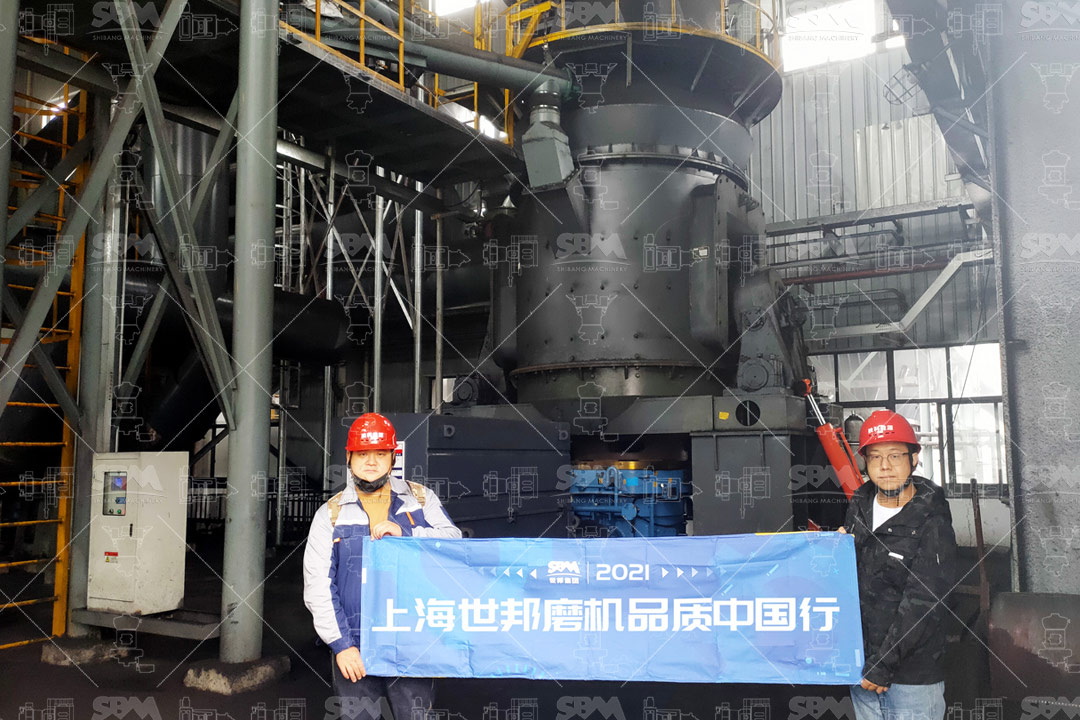
Raymond mills, including traditional models and advanced variants like the MTW European Trapezium Mill, rely on a combination of grinding rollers, rings, and a classifier to achieve target fineness. When output becomes coarse, the first step is to identify whether the issue is mechanical, operational, or material-related. Coarse output not only affects product quality but also reduces downstream processing efficiency and increases energy consumption per ton. In many cases, the problem develops gradually, making it easy to overlook until quality specs are breached.
Common Causes of Coarse Output
1. Worn Grinding Elements
The grinding roller and ring are subject to abrasive wear over time. As the gap between roller and ring increases, the grinding action becomes less effective, allowing larger particles to pass through. In traditional Raymond mills, the shovel blade design can exacerbate wear if not maintained. Modern designs, such as the MTW mill’s combined-type shovel blade, reduce wear part costs by allowing only the blade to be replaced, but wear still occurs and must be monitored.
2. Classifier Setting and Condition
The classifier is the gatekeeper of product fineness. If the classifier blades are worn, misaligned, or the rotor speed is too low, coarse particles escape into the finished product. In the MTW mill, the efficient vertical turbine powder classifier achieves accurate cutting size, but it requires periodic inspection. Similarly, the LUM ultrafine vertical mill uses a multi-rotor powder classifier that can be adjusted to customize fineness; improper adjustment can lead to coarse output.
3. Insufficient Grinding Pressure
Grinding pressure directly affects the crushing force applied to the material. In vertical roller mills like the LM series, hydraulic pressure must be set correctly. Low pressure results in insufficient grinding, producing coarser powder. In Raymond mills, the spring pressure on the roller assembly must be adequate; weakened springs or incorrect tension can cause coarse output.
4. Feed Material Variations
Changes in feed size, hardness, or moisture content can overwhelm the mill’s capacity to grind to the desired fineness. For example, if the feed size exceeds the recommended maximum (0-50mm for MTW and LM mills), the mill may struggle to reduce particles sufficiently. High moisture content can also cause material to agglomerate and bypass fine grinding.
5. Airflow and Damper Settings
Proper airflow is essential for transporting fine powder out of the grinding chamber and into the classifier. If the air volume is too low, fine particles may not be carried efficiently, leading to a buildup and eventually coarser output as the mill discharges material that has not been adequately classified. The arc air duct design in MTW mills helps avoid air energy loss, but dampers and fan settings must be optimized.
Diagnostic Steps
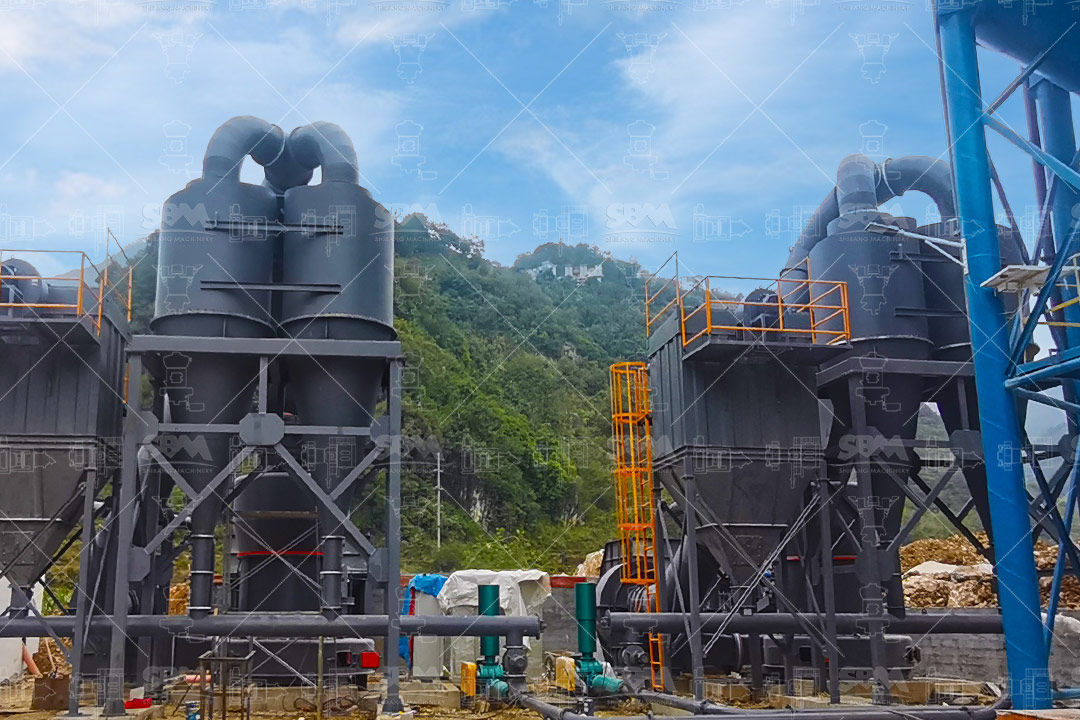
A systematic diagnosis should begin with a visual inspection of wear parts. Check the grinding roller and ring for flat spots, grooves, or excessive clearance. Inspect the classifier blades for wear and verify that the rotor speed matches the set point. Measure the grinding pressure or spring tension and compare with specifications. Review the feed material properties and ensure they are within the mill’s design parameters. Finally, check the airflow system, including fan dampers and ducting, for blockages or leaks.
Solutions and Adjustments
1. Replace or Recondition Wear Parts
When wear is detected, replace the roller and ring according to the manufacturer’s recommendations. In MTW mills, the combined-type shovel blade allows replacement of only the blade, reducing cost. For LUM ultrafine vertical mills, the roller shell and lining plate are designed with unique grinding curves to form a material bed; worn parts should be replaced to restore grinding efficiency.
2. Adjust Classifier Speed and Blades
Increase the classifier rotor speed to reject coarser particles. In the SCM ultrafine mill, frequency-conversion control allows convenient adjustment of fineness. For the LUM mill, the multi-rotor classifier speed can be customized via the PLC control system. Ensure classifier blades are properly aligned and not worn.
3. Optimize Grinding Pressure
For vertical roller mills, adjust the hydraulic pressure to the recommended level for the material being ground. For Raymond mills, check and adjust spring tension. The LM vertical roller mill features an automatic control system that can maintain optimal grinding pressure, reducing manual intervention.
4. Control Feed Material
Maintain consistent feed size and moisture content. Pre-crushing may be necessary if feed size exceeds the mill’s maximum input. For high-moisture materials, consider drying before grinding or use a mill with integrated drying function, such as the LM vertical roller mill.
5. Balance Airflow
Adjust fan dampers to achieve the recommended air volume. Clean or replace air filters and check for duct leaks. The volute design in MTW mills improves wind-driven transmission efficiency, but it still requires proper airflow management.
Preventive Maintenance Tips
Regular maintenance is key to preventing coarse output. Establish a wear-part inspection schedule based on operating hours and material abrasiveness. Keep a log of classifier settings and grinding pressure. Train operators to recognize early signs of coarse output, such as changes in powder fineness or increased reject rate. Utilize mills with automatic control systems, like the LM vertical roller mill’s expert automatic control system, to maintain stable operation and reduce human error.
Frequently Asked Questions
1. Why does my Raymond mill suddenly produce coarser powder after a few months of operation?
Sudden coarseness after months of operation is often due to gradual wear of the grinding roller and ring, or classifier blade wear. Check these components first. Also, verify that the feed material has not changed in hardness or moisture content.
2. Can I adjust the fineness without replacing parts?
Yes, in many cases adjusting the classifier speed or grinding pressure can restore fineness. However, if wear is significant, adjustment alone may not be sufficient. Modern mills like the MTW and LUM series offer convenient adjustment via variable frequency drives or PLC systems.
3. What is the most common cause of coarse output in vertical roller mills?
In vertical roller mills, insufficient grinding pressure or improper classifier speed are the most common causes. Unlike ball mills, vertical mills rely on hydraulic pressure and a dynamic classifier, so these settings must be optimized for the specific material.
4. How often should I inspect the classifier and grinding elements?
Inspection frequency depends on the abrasiveness of the material and operating hours. As a general guideline, inspect monthly for highly abrasive materials and quarterly for less abrasive ones. Keep a maintenance log to track wear trends.
5. Can coarse output be a sign of a larger mechanical problem?
Yes, persistent coarse output despite adjustments may indicate a mechanical issue such as a damaged classifier rotor, worn out bearings, or a failing hydraulic system. In such cases, consult the manufacturer’s technical support for a thorough diagnosis.


