

Detailed workflow of raymond mill—transformation journey from raw material to finished product
Published on: 2025-04-08
In the intricate world of mineral processing, the transformation of raw, unrefined ore into a fine, usable powder is a journey defined by precision, power, and technological sophistication. For industries ranging from power generation and building materials to chemicals and non-metallic minerals, the Raymond mill—particularly the advanced European Trapezium Mill—stands as a cornerstone of this transformation. This article provides a detailed, step-by-step walkthrough of the entire workflow, from the moment raw material enters the system to the final collection of finished powder. We will explore the engineering marvels that enable efficient grinding, the critical stages of operation, and how modern design addresses the common pain points of cost, maintenance, and environmental compliance. By understanding this journey, operators and investors can better appreciate the value of a well-designed grinding system and optimize their own production processes.
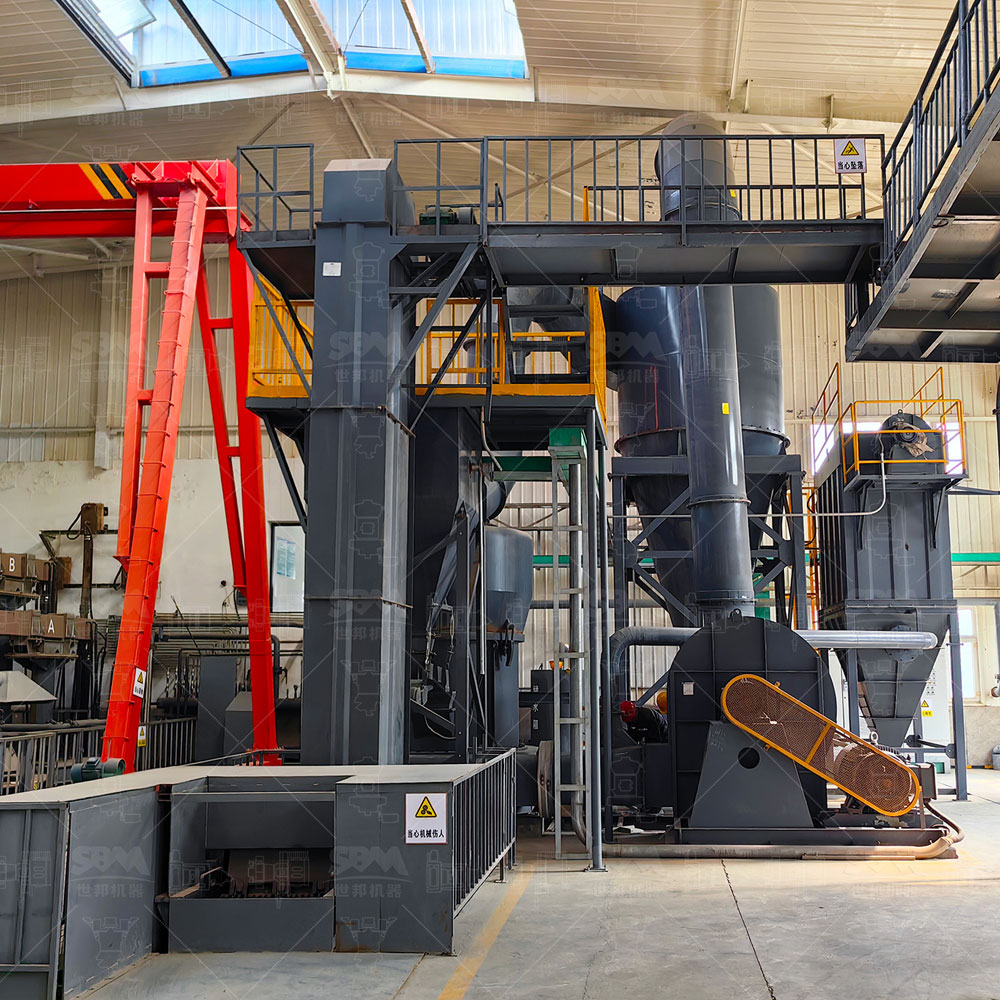
Stage 1: Raw Material Preparation and Feeding
The journey begins with the raw material itself. Depending on the source, materials such as limestone, calcite, barite, or gypsum may arrive in varying sizes, typically up to 50mm for a standard Raymond mill setup. The first critical step is primary crushing, usually performed by a jaw crusher or hammer crusher, to reduce the material to a size suitable for the mill's inlet. This pre-processing is essential to prevent blockages and ensure a consistent feed rate. Once crushed, the material is stored in a hopper and then transported via a vibrating feeder or belt conveyor to the mill's feed inlet. The feeder plays a crucial role in regulating the flow, ensuring a steady and controlled supply to the grinding chamber. An inconsistent feed can lead to inefficient grinding, overload, or even damage to the mill's internal components. Therefore, proper material preparation and feeding are the foundation of a smooth operation.
Stage 2: Grinding and Pulverization Inside the Mill
This is the heart of the transformation. The material enters the grinding chamber of the European Trapezium Mill, where it is subjected to the combined forces of grinding, impact, and crushing. The mill's core consists of a set of rollers that rotate around a central shaft and press against a stationary grinding ring. As the material is fed into the chamber, it is scooped up by the shovel blades and thrown into the space between the rollers and the ring. The unique design of the shovel blades—featuring a curved profile—changes the feeding angle, allowing material to be directed more efficiently into the grinding zone. This not only improves grinding efficiency but also reduces wear on the rollers and ring, as the material is evenly distributed. The rollers, driven by a central shaft through a cone gear whole transmission system, apply immense pressure to crush the material into fine powder. The bevel gear integral transmission ensures higher transmission efficiency, saves space, and lowers investment costs. Meanwhile, the arc air duct design creates a smooth, circular airflow that lifts the ground material upwards, preventing it from accumulating and ensuring continuous operation.
Stage 3: Classification and Separation
Once the material is ground to a sufficient fineness, it must be classified. This is where the integrated powder classifier comes into play. As the airflow carries the ground particles upward, they pass through a rotating classifier wheel. The speed of this wheel determines the cut-off point: fine particles that are small enough pass through the wheel and are carried to the next stage, while coarser particles are rejected and fall back into the grinding chamber for further pulverization. This dynamic separation process ensures that only material meeting the desired fineness (typically ranging from 30 to 400 mesh for the MTW series) exits the mill. The precision of this classification is vital for product quality and consistency. Advanced models often feature frequency-conversion control for the classifier, allowing operators to adjust the fineness on the fly without halting production. This flexibility is a major advantage for processors dealing with diverse customer requirements.
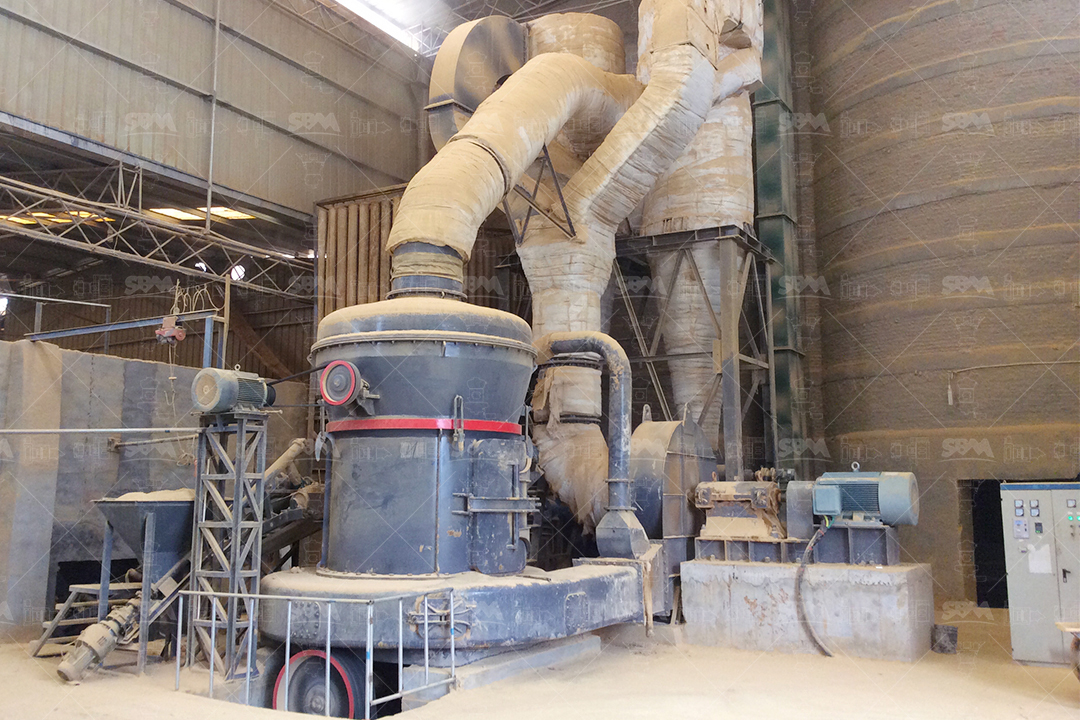
Stage 4: Collection of Finished Product
The fine powder, now suspended in the air stream, exits the mill and enters a cyclone collector. Here, the centrifugal force causes the particles to separate from the air and fall to the bottom, where they are discharged through a rotary valve as the finished product. The air, now largely free of dust, is drawn into a pulse dust collector for final filtration before being released or recirculated. The efficiency of this collection system is paramount, not only for product yield but also for environmental compliance. Modern Raymond mills are equipped with high-efficiency pulse dust collectors that capture even the finest particles, ensuring that emissions meet stringent national standards. The entire system operates under negative pressure, which prevents dust from escaping at any point, creating a clean and safe working environment. This is a significant improvement over older designs and addresses a common customer concern regarding environmental regulations.
Stage 5: Auxiliary Systems and Automation
A Raymond mill is more than just a grinding chamber; it is a complex system of interconnected components. The lubrication system, for instance, is crucial for maintaining the health of the mill's bearings and gears. The MTW series features an inner oil absorption lubrication system that ensures continuous lubrication, reducing friction and extending the lifespan of critical parts. The automatic control system is another hallmark of modern design. It allows for remote monitoring and adjustment of key parameters such as feed rate, classifier speed, and grinding pressure. This level of automation not only reduces labor costs but also ensures stable operation and consistent product quality. Operators can receive real-time feedback and make data-driven decisions, transforming the mill from a mechanical beast into an intelligent processing unit.
Addressing Customer Pain Points Through Design
Throughout this journey, the design of the Raymond mill addresses several common pain points. The unique wear-proof perching knife design, with its combined-type shovel blade, reduces the cost of wearing parts; only the blade needs to be replaced during maintenance, and the curved design prolongs the service life of the roller and ring. The unobstructed wear-resistant volute improves the efficiency of wind-driven transmission and reduces material maintenance costs. For those concerned about energy consumption, the vertical roller mill—a close cousin in the grinding family—offers a more energy-efficient alternative for higher capacities, but the Raymond mill remains a reliable workhorse for a wide range of applications. The integration of these advanced features ensures that the transformation journey is not only effective but also economically viable and environmentally responsible.
In conclusion, the transformation of raw material to finished product in a Raymond mill is a meticulously engineered process. From the initial crushing and feeding to the final collection, each stage is designed to maximize efficiency, minimize waste, and ensure product quality. By understanding this workflow, operators can better appreciate the technology behind the machine and make informed decisions to optimize their operations.
Frequently Asked Questions
1. What are the common causes of unexpected downtime in a Raymond mill, and how can I prevent them?
Unexpected downtime is often caused by improper feed size, inconsistent feed rate, insufficient lubrication, or worn-out grinding parts. To prevent this, ensure that the raw material is crushed to the recommended input size (typically 0-50mm) before entering the mill. Maintain a steady feed rate using a reliable vibrating feeder or belt conveyor; overfeeding can overload the mill, while underfeeding reduces efficiency. Regularly check and top up the lubrication system, as the inner oil absorption system requires consistent oil levels to protect bearings and gears. Finally, inspect the shovel blades and grinding rollers for wear. The combined-type shovel blade design allows for easy replacement of just the blade, reducing maintenance time. By adhering to a preventive maintenance schedule and using the automatic control system to monitor key parameters, you can significantly reduce the risk of unplanned stoppages.
2. How can I ensure the final product fineness meets my customer's specifications without constant manual adjustment?
Product fineness in a Raymond mill is primarily controlled by the speed of the classifier wheel and the airflow rate. Modern mills are equipped with frequency-conversion control for the classifier, which allows you to adjust the fineness precisely and repeatably. To ensure consistency without constant manual intervention, utilize the automatic control system. It can maintain the classifier speed and other parameters within set limits, providing stable output. Additionally, the arc air duct design ensures a smooth airflow, which helps in efficient particle transport and classification. Regular testing of the finished product using a sieve or laser particle size analyzer is recommended to verify that the mill is producing the desired mesh size. If you notice a drift in fineness, it may indicate wear on the classifier wheel or a change in material characteristics; the control system can often compensate for these variations automatically.
3. What are the key maintenance tasks for the grinding chamber, and how often should they be performed?
The grinding chamber is the most wear-intensive area. Key maintenance tasks include inspecting the shovel blades, grinding rollers, and grinding ring for wear. The combined-type shovel blade can be inspected weekly; if the blade edge is worn, it can be replaced individually without removing the entire assembly. The rollers and ring should be checked monthly for signs of excessive wear or damage. Thanks to the wear-resistant materials used, their lifespan is extended, but regular inspection is still necessary. Lubrication is also critical: check the oil level in the inner oil absorption system daily and change the oil according to the manufacturer's schedule (typically every 500-1000 hours). The arc air duct and volute should be cleaned periodically to prevent material buildup, which can affect airflow and efficiency. By following a structured maintenance plan, you can prolong the life of these components and maintain optimal grinding performance.
4. How does the Raymond mill handle materials with high moisture content?
Traditional Raymond mills are generally designed for materials with low to moderate moisture content. However, the MTW series can handle some moisture through the heat generated during grinding and the airflow system. If the material is too wet, it can stick to the grinding parts and cause blockages. To mitigate this, ensure that the material is pre-dried if it has a moisture content above 6-8%. Alternatively, you can introduce a hot air source into the mill system to aid in drying during grinding. The arc air duct design helps maintain a smooth airflow, reducing the chance of material buildup. For materials with very high moisture, a vertical roller mill with an integrated drying function might be more suitable, as it is specifically designed to handle higher moisture content by utilizing hot gas. Always consult the material specifications and the mill's operating manual to determine the appropriate moisture limits.
5. What environmental measures are in place to control dust and noise from the Raymond mill?
Modern Raymond mills are designed with environmental protection in mind. The entire system operates under negative pressure, which prevents dust from escaping. A high-efficiency pulse dust collector is used to filter the air before it is released, capturing even the finest particles and ensuring emissions meet national standards. The MTW series also features an optimized sound insulation room and muffler to reduce noise from the fan and grinding process. The unobstructed wear-resistant volute and arc air duct design contribute to smoother airflow, which reduces turbulence and noise. To further minimize environmental impact, ensure that all connections and seals are tight and that the dust collector is regularly maintained (e.g., cleaning or replacing filter bags). By implementing these measures, the Raymond mill can operate as a clean and quiet addition to your production facility.


