

Limestone–quicklime–hydrated lime: transformation chain and industrial ecosystem
Published: 2025-04-08
The transformation chain from limestone to quicklime and then to hydrated lime is a cornerstone of modern industrial ecosystems, enabling applications ranging from construction and steelmaking to environmental desulfurization and chemical processing. This article explores the entire chain, highlighting the critical role of advanced grinding technologies in optimizing each stage. We discuss how equipment such as European trapezium mills, vertical roller mills, ultrafine mills, and ball mills contribute to efficient limestone powder preparation, quicklime grinding, and hydrated lime production, while also addressing the broader industrial ecosystem that connects mines, processing plants, and end-users. By integrating high-performance grinding solutions, companies can enhance product quality, reduce energy consumption, and minimize environmental impact, ultimately fostering a sustainable and competitive industrial ecosystem.
Introduction to the Limestone Transformation Chain
Limestone, a sedimentary rock composed primarily of calcium carbonate (CaCO3), is one of the most versatile minerals in modern industry. Its transformation into quicklime (calcium oxide, CaO) through calcination and subsequently into hydrated lime (calcium hydroxide, Ca(OH)2) via hydration forms a value chain that supports numerous sectors. This chain is not merely a series of chemical reactions; it represents an industrial ecosystem where each step—from quarrying to final product—relies on precise processing technologies to ensure efficiency, quality, and environmental compliance.
The industrial ecosystem surrounding this chain involves limestone mines, calcination kilns, grinding facilities, hydration plants, and end-users in construction, metallurgy, environmental protection, and chemicals. Each stakeholder depends on reliable equipment that can handle the specific characteristics of limestone and its derivatives. Grinding is particularly critical: limestone must be pulverized to specific fineness for desulfurization, while quicklime and hydrated lime require controlled particle size distributions for optimal reactivity and performance.
The Role of Grinding in Limestone Processing
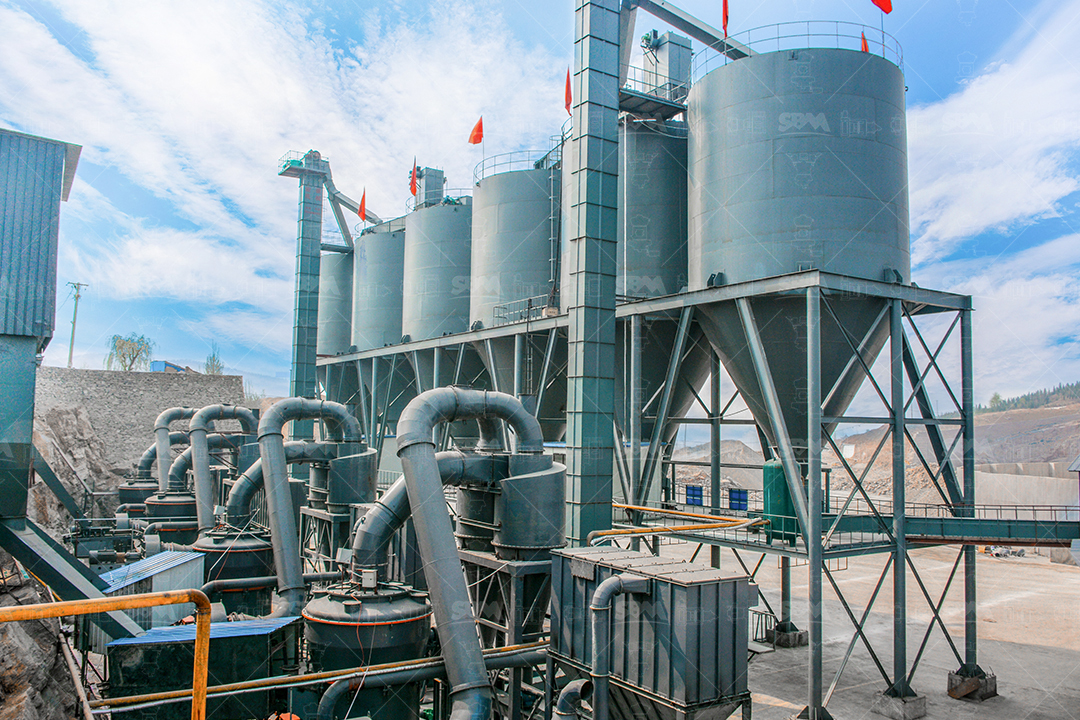
In the first stage of the chain, limestone extracted from quarries is often crushed and ground to prepare for calcination or direct use as a powder. For environmental desulfurization, limestone powder with a fineness of 200-325 mesh is typically required to ensure adequate reactivity with SO2 in flue gases. This demands grinding equipment that can deliver consistent particle size at high capacity while minimizing energy consumption.
Advanced grinding mills such as the MTW Series European Trapezium Mill are well-suited for this task. With input sizes up to 50mm and output fineness adjustable between 30 and 400 mesh, these mills offer capacities from 3 to 40 tph, making them ideal for medium-scale limestone powder production. Their unique wear-proof shovel blade design and arc air duct reduce operating costs and energy loss, while the cone gear whole transmission ensures high efficiency. Such features are essential for maintaining a continuous supply of quality limestone powder to calcination kilns or desulfurization systems.
For larger-scale operations, the LM Vertical Roller Mill provides a robust solution. Integrating crushing, drying, grinding, powder separation, and transportation, it occupies about 50% less floor space than ball mill systems and can be installed outdoors, significantly reducing investment costs. With capacities ranging from 3 to 400 tph and output fineness of 30-400 mesh, it is a mainstream choice in cement, chemical, coal, and power industries. Its automatic control system and low noise, dust-free operation align with the environmental standards of modern industrial ecosystems.
Calcination and Quicklime Production
Calcination of limestone at temperatures around 900-1000°C drives off carbon dioxide, yielding quicklime. This reactive material is a key input for steelmaking, water treatment, and construction. However, quicklime is often further processed—ground to fine powder for specific applications such as slag conditioning or as a binder. Grinding quicklime requires equipment that can handle its abrasive nature and heat sensitivity.
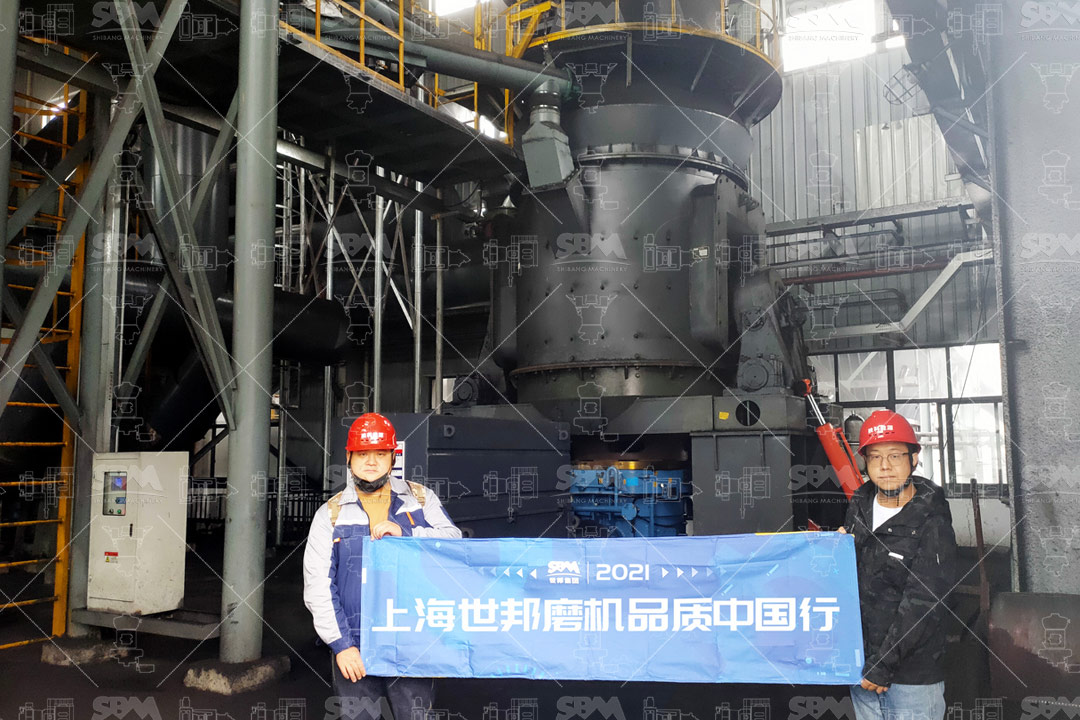
The SCM Ultrafine Mill excels in producing fine powders with adjustable fineness from 325 to 2500 mesh and capacities up to 25 tph. Its high output and low energy consumption—more than twice the capacity of jet mills with 30% lower energy use—make it a cost-effective choice for quicklime grinding. The efficient vertical turbine powder classifier ensures accurate cutting size and no coarse powder spillover, while the heavy rotor design and special materials for roller and ring extend durability. This is crucial in the abrasive environment of quicklime processing.
For ultrafine quicklime powder used in high-end applications, the LUM Ultrafine Vertical Mill offers fineness up to 4000 mesh and capacities from 10 to 70 tph. Its advanced multi-rotor powder classifier and PLC control system allow precise adjustment of fineness and pressure, ensuring stable operation and high-quality finished products. The unique grinding curves of the roller shell and lining plate improve material bed formation and grinding efficiency, while the sealed, negative-pressure operation prevents dust emissions—a vital consideration in quicklime handling.
Hydration to Hydrated Lime
Hydrated lime is produced by adding water to quicklime in a controlled hydration process. The resulting calcium hydroxide is a versatile product used in mortars, plasters, soil stabilization, and flue gas desulfurization. Grinding plays a role here too: hydrated lime may be ground to improve its reactivity or to meet specific particle size requirements for end-use applications.
Ball mills have long been used in hydrated lime grinding due to their simplicity and reliability. However, traditional ball mills suffer from high wear and energy consumption. Modern designs, such as those offered by SBM Machinery, address these issues through improved structure and new materials, reducing spare parts costs. With input sizes up to 25mm and output fineness of 0.2-0.074mm, ball mills remain a viable option for producing common hydrated lime powders. Wet ball mills are also widely used in mineral dressing applications where slaking and grinding occur simultaneously.
For higher fineness requirements, the MTW European Trapezium Mill can be employed to grind hydrated lime to 30-400 mesh, offering capacities up to 40 tph. Its bevel gear integral transmission and volute design ensure efficient air-driven transportation and reduced maintenance costs, making it suitable for medium-scale hydrated lime production.
Industrial Ecosystem Integration
The limestone–quicklime–hydrated lime chain does not exist in isolation. It is part of a broader industrial ecosystem that includes power plants using limestone powder for desulfurization, steel mills consuming quicklime as a flux, construction companies utilizing hydrated lime in mortars, and chemical plants employing lime in various processes. Each of these sectors demands specific powder characteristics, and the grinding equipment must be adaptable to meet these diverse needs.
SBM Machinery’s portfolio of grinding mills—from the versatile MTW European Trapezium Mill to the high-capacity LM Vertical Roller Mill, the ultrafine SCM and LUM mills, and the reliable ball mills—provides a comprehensive solution for every stage of the chain. By offering equipment that integrates drying, grinding, and classification, and that operates with low energy consumption and high environmental standards, SBM supports the development of a sustainable industrial ecosystem. With over 180 countries and regions served, SBM has become a preferred partner for clients worldwide, helping them transform limestone into valuable products efficiently and responsibly.
In summary, the transformation chain from limestone to quicklime and hydrated lime is a complex yet vital industrial process. Advanced grinding technologies are indispensable for optimizing each step, ensuring product quality, reducing operational costs, and minimizing environmental impact. As industries continue to seek sustainable and efficient solutions, the integration of high-performance grinding equipment into the limestone value chain will remain a key driver of success.
Frequently Asked Questions (FAQ)
1. What grinding equipment is best for producing limestone powder for desulfurization?
For desulfurization, limestone powder typically requires 200-325 mesh fineness. The MTW European Trapezium Mill and LM Vertical Roller Mill are both excellent choices, offering adjustable fineness (30-400 mesh) and capacities from 3 to 400 tph. The LM Vertical Roller Mill is particularly suitable for large-scale operations due to its compact footprint and low operating costs.
2. How can I reduce wear and maintenance costs when grinding quicklime?
Quicklime is abrasive, so equipment with durable wear parts is essential. The SCM Ultrafine Mill features a heavy rotor design and special materials for roller and ring, significantly extending service life. Additionally, the MTW mill’s combined-type shovel blade allows replacement of only the blade, reducing maintenance costs. Proper selection and regular maintenance are key.
3. What is the maximum fineness achievable with your ultrafine mills for lime products?
The SCM Ultrafine Mill can achieve fineness up to 2500 mesh, with one-time finished products D97≤5μm. The LUM Ultrafine Vertical Mill can reach up to 4000 mesh, making it suitable for high-end applications requiring extremely fine powders. Both mills offer frequency-conversion control for precise fineness adjustment.
4. Can your equipment handle both dry and wet grinding for hydrated lime?
Yes. Our ball mills are available in dry and wet configurations. Dry ball mills are mainly for producing common powders, while wet ball mills are widely used in mineral dressing where simultaneous grinding and slaking may occur. For dry fine grinding, the MTW and SCM mills are also suitable.
5. How do your grinding mills ensure environmental compliance and low noise?
Our mills are designed with sealed systems operating under negative pressure to prevent dust spillover. The LM Vertical Roller Mill and LUM Ultrafine Vertical Mill feature low vibration and noise, with optimized sound insulation and mufflers. Dust collection systems, such as efficient pulse dust collectors, ensure emissions meet national standards, making our equipment environmentally friendly.


