

Working principle of ultra-fine mill: the tech behind micron powder
Published on: October 26, 2023
Ultra-fine grinding is a pivotal technology in modern powder processing, enabling the production of micron and sub-micron particles for industries ranging from mining and metallurgy to chemicals and new materials. At its core, an ultra-fine mill operates by combining high-pressure grinding, precise classification, and efficient material transport to achieve consistent fineness (e.g., D97 ≤ 5 μm) with low energy consumption. This article explores the working principles behind advanced ultra-fine mills, drawing on proven engineering designs such as the SCM series ultrafine grinding mill and LUM ultrafine vertical mill. We will detail how these systems integrate crushing, drying, grinding, and powder separation into a compact, automated process, and highlight the technical advantages that address common customer pain points like high wear costs, inconsistent product fineness, and environmental compliance. By understanding the mechanics, operators can optimize performance and reduce operational expenses.
1. Introduction to Ultra-fine Grinding Technology
Ultra-fine grinding refers to the process of reducing solid materials to particle sizes typically below 10 microns, often down to 1–5 microns. This is essential for applications requiring high surface area, improved reactivity, or specific rheological properties—such as in heavy calcium carbonate (GCC) for plastics and paper, advanced ceramics, pharmaceuticals, and battery materials. Traditional mills like Raymond mills struggle to achieve such fineness economically, leading to the development of specialized ultra-fine mills that use innovative mechanical and aerodynamic principles.
Modern ultra-fine mills are engineered to deliver high output, low energy consumption, and precise particle size control. They often incorporate vertical roller or turbine designs, dynamic classifiers, and automated control systems. The working principle revolves around generating strong shear and impact forces within a grinding chamber, followed by air classification to separate fine particles from coarse ones. This closed-loop system ensures that only material meeting the target fineness exits the mill, while oversize particles are recirculated for further grinding.
2. Core Working Principles of Ultra-fine Mills
Although designs vary, most ultra-fine mills share four fundamental stages: material feeding, grinding, classification, and product collection. The SCM series ultrafine grinding mill exemplifies this with its efficient vertical turbine powder classifier and heavy rotor design. Let’s break down the process.
2.1 Grinding Mechanism: Impact, Shear, and Attrition
In an ultra-fine mill, raw material (typically 0–20 mm) is fed into the grinding chamber where it is subjected to repeated impact and shear forces. For the SCM series, the grinding action occurs between a rotating roller and a stationary ring. The roller is pressed against the ring by centrifugal force, and the material is caught in the gap. The unique wear-proof perching knife design (curved shovel blades) optimizes the feeding angle, ensuring that material is directed efficiently into the grinding zone. This not only prolongs the service life of the roller and ring but also reduces operating costs by minimizing the need to replace entire assemblies—only the blade needs replacement during maintenance.
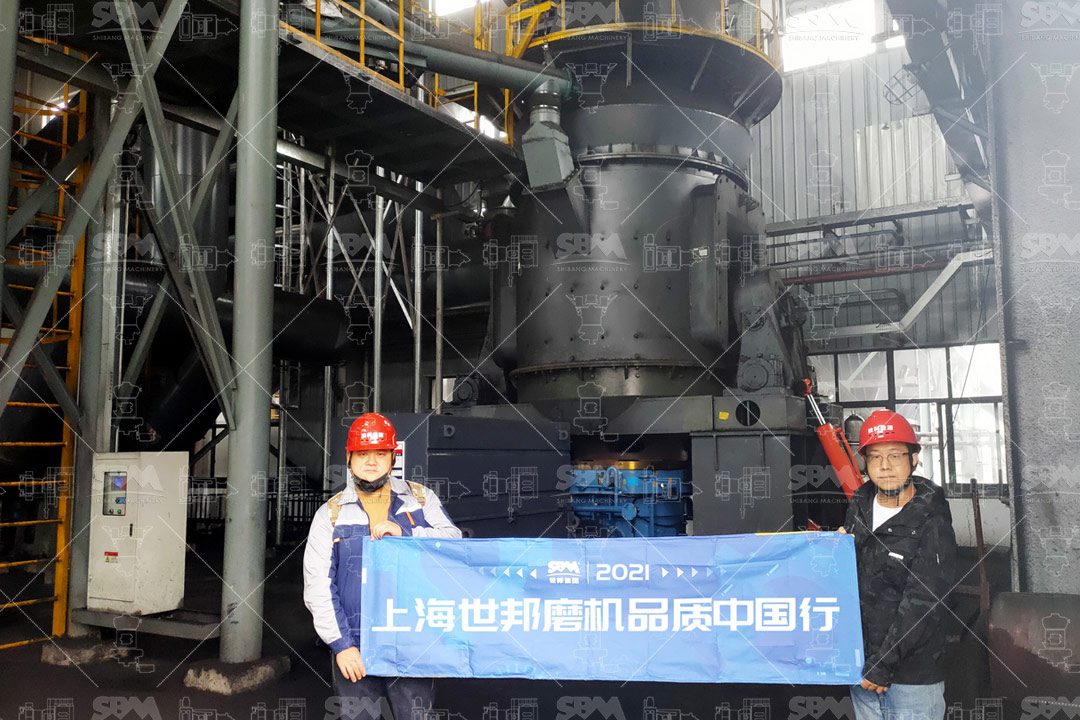
For the LUM ultrafine vertical mill, the grinding principle is based on a material bed: the roller shell and lining plate have specially designed grinding curves that facilitate the formation of a stable material layer. This allows for high grinding efficiency and a higher proportion of finished product from the primary grinding pass. The roller does not contact the grinding plate directly; instead, material is ground by inter-particle compression and shear, which reduces wear and energy consumption.
2.2 Classification: The Key to Precise Fineness
After grinding, the air stream carries the particles upward to a classifier. In the SCM mill, an efficient vertical turbine powder classifier achieves high efficiency, accurate cut size, and no spillover of coarse powder. The classifier uses a rotating turbine that throws coarse particles back into the grinding zone while allowing fine particles to pass through. Frequency-conversion control allows operators to adjust the classifier speed, thereby changing the product fineness—typically within a range from 325 to 2500 mesh (D97 ≤ 5 μm achievable).
The LUM mill adopts a multi-rotor powder classifier principle, enabling customized fineness with no low-grade material in the final product. The classifier speed, along with grinding pressure and disc speed, is controlled via a PLC system, ensuring stable operation and consistent quality.
2.3 Material Transport and Dust Collection
The air stream not only transports particles but also serves as the medium for classification and drying (if hot gas is used). In the SCM series, an arc air duct design minimizes air energy loss and ensures transportation efficiency, while a high-strength guard plate protects the duct’s working face. The efficient double powder collecting method—combining powder collectors and pulse dust collectors—achieves excellent dust collection, far exceeding international standards. This is crucial for environmental compliance and worker safety.
For the LUM mill, the entire system operates under negative pressure, preventing dust spillover. The optimized sound insulation room and muffler further reduce noise, making it suitable for stringent environmental regulations.
3. Key Components and Their Functions
3.1 Grinding Roller and Ring
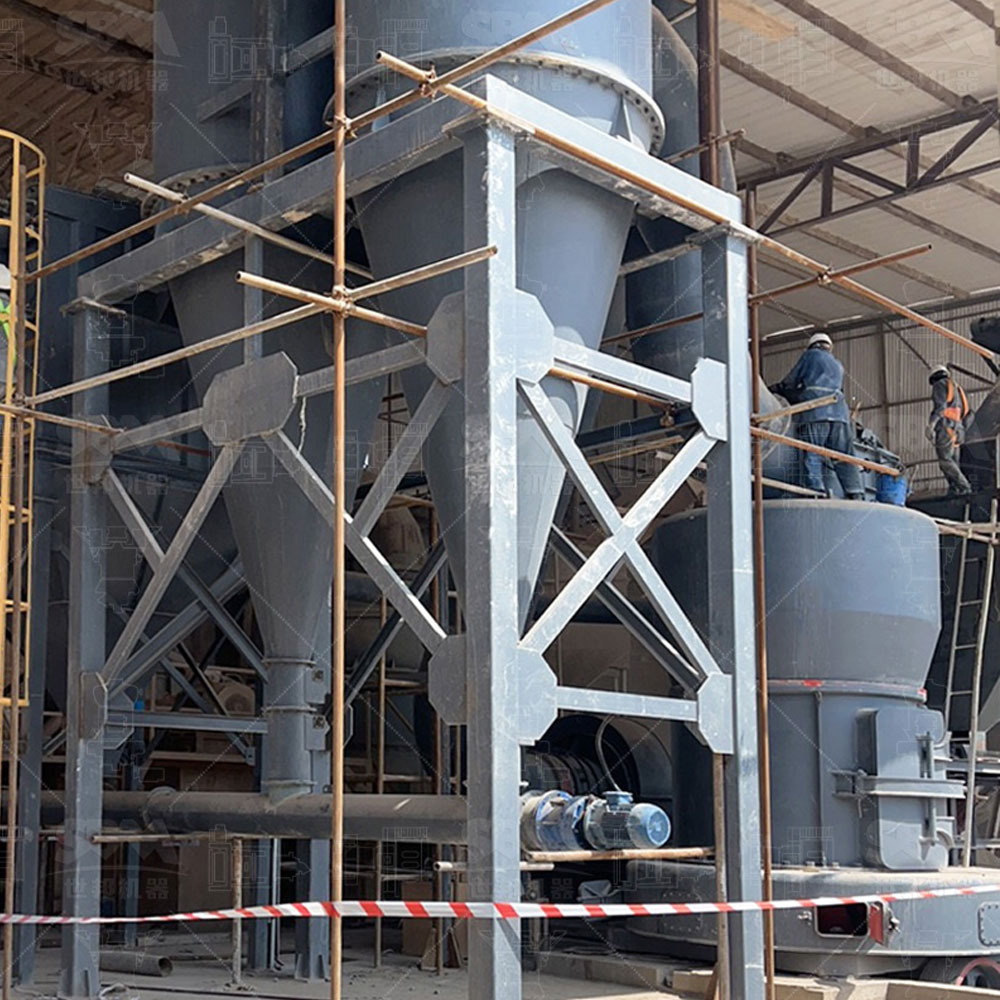
These are the wear parts that directly contact the material. In the SCM mill, the roller and ring are made of special materials, making their durability several times higher than conventional parts. The heavy rotor design and tight test method ensure stable operation without vibration, thanks to the absence of bearing screws in the grinding chamber.
3.2 Classifier
As described, the classifier is the heart of fineness control. The SCM’s vertical turbine classifier is designed for high efficiency and precise cut size, while the LUM’s multi-rotor classifier allows for flexible adjustment of the particle size distribution.
3.3 Transmission System
The SCM mill features a cone gear whole transmission, which achieves higher transmission efficiency, saves space, and lowers investment costs. This bevel gear integral transmission is a departure from traditional belt or chain drives, reducing maintenance and energy losses. The LUM mill uses a frequency-conversion speed regulation system for the main motor, enabling flexible operation and energy savings.
3.4 Air Duct and Volute
The arc air duct and unobstructed wear-resistant volute in the SCM mill improve wind-driven transmission efficiency and reduce maintenance costs. The volute design ensures smooth airflow, minimizing turbulence and wear.
3.5 Control System
Modern ultra-fine mills are equipped with intelligent control systems. The SCM mill offers automatic feedback with fast and stable conversion of finished products, saving labor costs. The LUM mill uses a PLC/DCS automatic control system for grinding pressure, disc speed, and classifier speed, enabling remote control and simple operation.
4. Technical Advantages and Customer Pain Points Addressed
Customers in the powder processing industry often face challenges such as high energy consumption, frequent replacement of wear parts, inconsistent product fineness, and environmental compliance issues. Ultra-fine mills like the SCM and LUM series are designed to address these pain points directly.
4.1 High Output and Low Energy Consumption
The SCM mill features high efficiency and low energy consumption, with capacity more than twice that of jet mills while consuming 30% less energy. The LUM mill’s material bed grinding principle and efficient classifier reduce energy waste. For customers, this translates to lower operating costs and higher profitability.
4.2 Reduced Wear and Maintenance Costs
The combined-type shovel blade in the SCM mill reduces the cost of wearing parts—only the blade needs replacement. The roller and ring’s special material lasts several times longer. In the LUM mill, the roller does not contact the grinding plate directly, reducing wear. These design choices directly address the common complaint of frequent and costly spare parts replacement.
4.3 Precise and Adjustable Fineness
With frequency-conversion control and advanced classifiers, both mills allow easy adjustment of product fineness. The SCM achieves one-time finished products D97 ≤ 5 μm, while the LUM can customize the selected range with no low-grade material. This solves the problem of inconsistent quality that plagues many operations.
4.4 Environmental Compliance and Low Noise
The SCM’s double powder collecting method and the LUM’s sealed negative-pressure operation ensure dust emissions meet or exceed national standards. Noise is effectively controlled through sound insulation and mufflers. This helps customers avoid regulatory fines and improve workplace safety.
4.5 Intelligent Control and Labor Savings
Automated control systems reduce the need for constant manual intervention. The SCM’s automatic feedback and the LUM’s PLC/DCS system enable remote monitoring and adjustment, saving labor costs and reducing human error.
5. Applications and Suitability
Ultra-fine mills are versatile and can process a wide range of materials. The SCM series is suitable for non-metallic minerals, such as calcite, marble, limestone, talc, dolomite, barite, kaolin, wollastonite, gypsum, feldspar, and pyrophyllite. It is also used in environmental desulfurization limestone powder preparation, heavy calcium carbonate (GCC) processing, coal powder preparation, petroleum coke grinding, slag micro-powder production, and new energy materials.
The LUM ultrafine vertical mill is specifically designed for medium and high-end processing in plastic masterbatch, PVC, artificial stone, electric cable, non-woven fabrics, and other industries. It excels in ultrafine grinding of similar non-metallic minerals. With input sizes up to 20 mm and capacities ranging from 0.5 to 70 tph (depending on model), these mills can be integrated into complete grinding systems.
6. Conclusion
The working principle of ultra-fine mills combines mechanical ingenuity with aerodynamic precision to produce micron-sized powders efficiently and reliably. By understanding the grinding, classification, and transport mechanisms, operators can maximize throughput, minimize downtime, and meet stringent quality standards. The SCM and LUM series exemplify how modern engineering addresses customer pain points—high wear costs, inconsistent fineness, energy inefficiency, and environmental concerns—through innovative designs like curved shovel blades, multi-rotor classifiers, and intelligent control systems. As industries continue to demand finer powders and greener processes, ultra-fine grinding technology will remain at the forefront of powder processing innovation.
Frequently Asked Questions (FAQ)
1. What is the maximum fineness I can achieve with an ultra-fine mill, and how do I adjust it?
Ultra-fine mills like the SCM series can achieve fineness up to 2500 mesh (D97 ≤ 5 μm). Adjustment is typically done by changing the classifier speed via frequency-conversion control. Higher classifier speeds produce finer products, while lower speeds yield coarser products. The LUM mill allows customization through its multi-rotor classifier and PLC settings. Always consult the operation manual for specific adjustment procedures.
2. How often do wear parts need replacement, and what can I do to extend their life?
Wear part life depends on the material’s abrasiveness and operating conditions. The SCM mill’s combined-type shovel blade only requires replacement of the blade itself, not the entire assembly, reducing costs. The roller and ring are made of special materials for extended durability. To maximize life, ensure proper feed size (0–20 mm), avoid overfeeding, and maintain the classifier and air duct clean. Regular inspection and timely replacement of worn blades will prevent damage to other components.
3. Can the mill handle high-moisture materials without a separate dryer?
The LUM ultrafine vertical mill features a drying function, as it integrates drying, pulverizing, and powder selection. Hot gas can be introduced into the mill to evaporate moisture while grinding. The SCM mill, however, is typically used for dry materials; high-moisture feed may require pre-drying. For materials with moisture content above 5–8%, consider a dedicated drying system or consult our engineers for a customized solution.
4. What are the environmental compliance features, and will the mill meet local dust emission standards?
Both mills are designed for environmental compliance. The SCM mill uses an efficient double powder collecting method (powder collectors + pulse dust collectors) that exceeds international standards. The LUM mill operates under negative pressure with a fully sealed system, preventing dust spillover. Noise is minimized through sound insulation and mufflers. Emissions typically meet or exceed national standards, but we recommend a site-specific assessment to ensure compliance with local regulations.
5. How does the automatic control system work, and can I operate it remotely?
The automatic control system uses PLC/DCS to monitor and adjust key parameters such as grinding pressure, classifier speed, and feed rate. The SCM mill offers automatic feedback for stable product conversion, while the LUM mill allows remote and local control switching. Remote access is possible via a networked control system, enabling operators to monitor performance from a central control room. This reduces labor costs and improves safety by keeping personnel away from the grinding area.


