

Application scenarios and industry matching guide for raymond mill
Published on: 2025-03-21
Raymond mill technology has evolved far beyond its traditional role, and today's industrial powder processing demands a more nuanced approach to equipment selection. This guide summarizes how modern Raymond mill configurations—particularly the European trapezium mill, vertical roller mill, ultrafine mills, and ball mill—match specific application scenarios across industries such as power generation, building materials, mining, metallurgy, chemicals, and non-metallic minerals. It outlines the key technical differentiators, capacity ranges, fineness capabilities, and operational advantages that determine the right fit for limestone desulfurization, heavy calcium carbonate processing, coal powder preparation, petroleum coke grinding, slag micro-powder production, and new energy materials. By aligning industry pain points with equipment strengths, this article serves as a practical reference for plant managers, process engineers, and procurement teams seeking to optimize grinding circuits, reduce operating costs, and meet environmental standards.
Understanding the Modern Raymond Mill Family
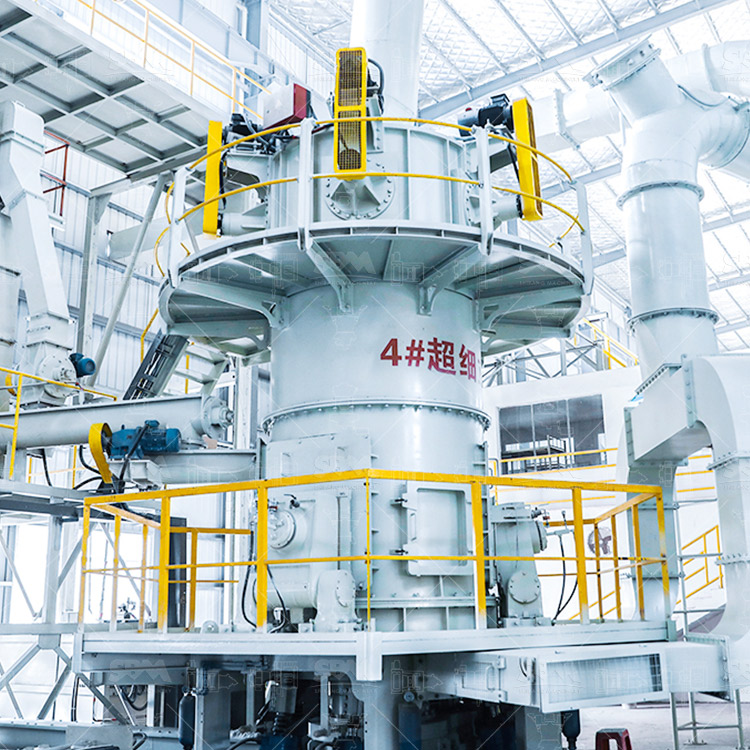
The term "Raymond mill" today covers a spectrum of grinding solutions that share the fundamental pendulum roller principle but differ significantly in structure, transmission, classification, and automation. The European Trapezium Grinding Mill, often referred to as the MTW Raymond Mill, represents a mature evolution of the classic design. It was developed through long-term research and development, structural and performance analyses of traditional mills, and the integration of proposals from more than 9,500 customers worldwide. This mill incorporates cone gear whole transmission, an internal oil absorption lubrication system, an arc air flue, and multiple international advanced technologies, backed by proprietary patent rights. With an input size of 0–50 mm, output fineness of 30–400 mesh, and capacity of 3–40 tph, it occupies the middle ground between conventional Raymond mills and high-capacity vertical roller mills.
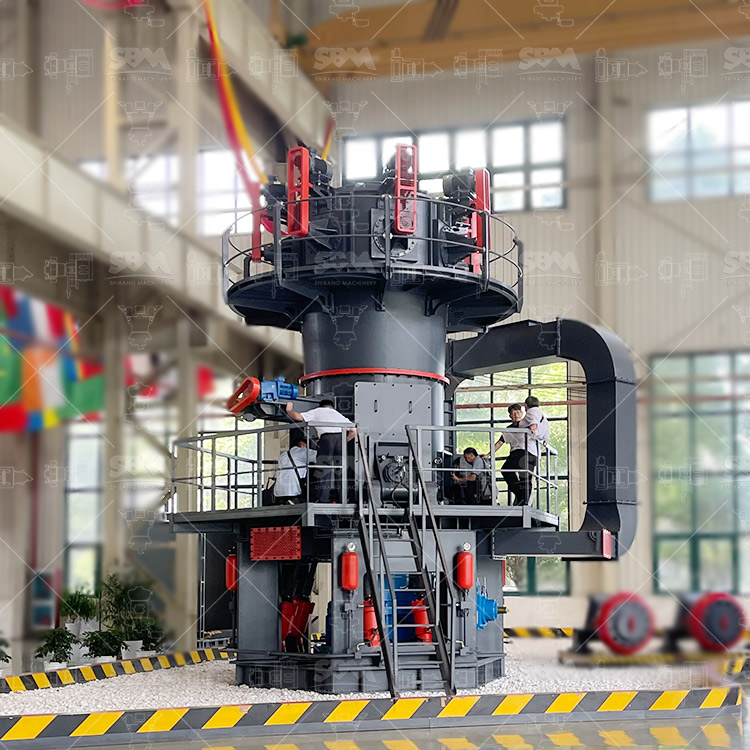
The LM Vertical Roller Mill takes a different approach. It was launched as a solution to low output and high energy consumption in ordinary grinding operations. Integrating drying, pulverizing, and powder selection, it handles input sizes up to 50 mm, produces 30–400 mesh powder, and achieves capacities from 3 to 400 tph. Its compact layout requires about 50% of the floor space of a ball-milling system, and it can be arranged outdoors, which significantly reduces civil construction investment.
For finer products, the SCM Ultrafine Mill adjusts fineness from 325 to 2,500 mesh, with one-time finished product fineness reaching D97 ≤ 5 μm. Capacities range from 0.5 to 25 tph, with input sizes up to 20 mm. The LUM Ultrafine Vertical Mill combines vertical mill structure with Taiwan grinding roller technology and German powder separating technology, delivering 325–4,000 mesh products at 10–70 tph. Finally, the ball mill remains a mature option for conventional powder production and mineral dressing, with input sizes up to 25 mm, output from 0.2 to 0.074 mm, and capacities of 3–65 tph.
Industry-by-Industry Matching Guide
Power Generation and Environmental Desulfurization
Flue gas desulfurization in coal-fired power plants requires consistent limestone powder fineness, typically in the 250–325 mesh range, with high availability and low maintenance. The European Trapezium Mill is well suited here because its arc air duct design avoids air energy loss and ensures transportation efficiency, while the high-strength guard plate protects the working face of the air duct. The cone gear whole transmission achieves higher transmission efficiency and lowers investment costs. For larger units, the LM Vertical Roller Mill offers integrated drying and grinding, which is advantageous when limestone moisture varies. Its automatic control system enables remote and local control switching, reducing labor requirements. The fully sealed negative-pressure operation meets national emission standards, addressing the common pain point of dust spillover in older installations.
Building Materials and Cement
Cement raw meal, clinker, and slag grinding demand high throughput and energy efficiency. The LM Vertical Roller Mill has become a mainstream choice in the cement industry because its grinding rollers directly grind material on the grinding plate, consuming 30–40% less energy than ball-milling systems. The roller does not contact the grinding plate directly, and both are made of high-quality materials, extending service life and reducing wear. For slag micro-powder production, the LM's drying function and 3–400 tph capacity range accommodate the high moisture and abrasive nature of slag. The compact layout and outdoor arrangement capability reduce capital expenditure, a significant advantage for greenfield cement plants.
For specialty building materials such as artificial stone and PVC master batch, the LUM Ultrafine Vertical Mill provides the required fineness and consistency. Its unique roller shell and lining plate grinding curves are designed based on ultrafine pulverization principles, making it easier to form a material bed, improving grinding efficiency, and increasing the proportion of finished products from the primary grinding.
Mining and Metallurgy
Mineral processing plants often require flexible fineness and the ability to handle abrasive ores. The European Trapezium Mill's combined-type shovel blade reduces wearing part costs, with only the blade needing replacement during maintenance. The curved shovel blades change the feeding angle and prolong the service life of the roller and ring. For wet grinding in mineral dressing, the ball mill remains widely used, and improvements in structure design and new materials have reduced spare parts costs. For dry fine grinding of metallurgical fluxes and additives, the SCM Ultrafine Mill offers high efficiency and low energy consumption, with capacity more than twice that of jet mills and energy consumption lower by 30%.
Chemicals and Non-Metallic Minerals
Heavy calcium carbonate (GCC) processing, talc, dolomite, barite, kaolin, wollastonite, gypsum, feldspar, and pyrophyllite all require tailored fineness and contamination control. The SCM Ultrafine Mill's frequency-conversion control allows convenient adjustment, with one-time finished products at D97 ≤ 5 μm. Its efficient vertical turbine powder classifier achieves accurate cutting size and prevents coarse powder spillover. The grinding chamber has no bearing screw and works stably without vibration after balance treatment. The efficient double powder collecting method of powder collectors and pulse dust collectors achieves dust collection far higher than international standards, while the optimized sound insulation room and muffler prevent equipment noise spread—directly addressing community and regulatory concerns.
The LUM Ultrafine Vertical Mill is particularly suited to medium and high-end processing in plastic master batch, PVC, artificial stone, electric cable, and non-woven fabrics. Its multi-rotor powder classifier principle allows finished product fineness to be customized within a selected range with no low-grade material. PLC control covers grinding pressure, grinding disc rotating speed, and classifier speed, ensuring stable operation and repeatable quality.
Coal Powder Preparation and Petroleum Coke Grinding
Coal powder preparation for kilns and boilers requires reliable operation and explosion-proof considerations. The LM Vertical Roller Mill's integrated drying, grinding, and powder selection make it suitable for coals with varying moisture. The automatic control system and low vibration, low noise operation improve workplace safety. For petroleum coke grinding, the European Trapezium Mill's volute design improves wind-driven transmission efficiency while reducing material maintenance costs. The unobstructed wear-resistant volute is especially useful when handling abrasive coke with variable hardness.
New Energy Materials
Battery materials, cathode and anode precursors, and specialty carbon products demand fine, consistent powders with minimal contamination. The SCM Ultrafine Mill's heavy rotor design and tight test method, with roller and ring made of special material, provide durability several times higher than conventional designs. The automatic feedback with fast and stable conversion of finished products and intelligent control save labor costs directly. For larger volumes of new energy material precursors, the LUM Ultrafine Vertical Mill's PLC/DCS automatic control system for grinding roller pressure adjustment ensures accurate pressure control, high efficiency, and stable operation. Frequency-conversion speed regulation enables the mill to be used for materials with different grindability.
Matching Equipment to Operational Pain Points
Customers frequently raise concerns about energy consumption, maintenance costs, dust emissions, product fineness consistency, and labor availability. The modern Raymond mill family addresses these directly. Energy consumption is reduced through direct grinding on the plate in vertical mills, cone gear whole transmission in trapezium mills, and efficient classifiers that minimize over-grinding. Maintenance costs are lowered by combined-type shovel blades, wear-resistant materials, and designs that avoid direct roller-plate contact. Dust emissions are controlled by fully sealed negative-pressure systems and double powder collecting methods. Fineness consistency is achieved through frequency-conversion control, multi-rotor classifiers, and PLC/DCS automation. Labor availability is addressed by remote control, automatic feedback, and expert control systems.
When selecting equipment, plant managers should consider input size, target fineness, required capacity, material moisture, abrasiveness, and available floor space. The European Trapezium Mill offers a balance of moderate capacity and fine output with low investment. The LM Vertical Roller Mill excels in high-capacity, high-moisture applications with the lowest operating costs per ton. The SCM Ultrafine Mill and LUM Ultrafine Vertical Mill serve fine and ultrafine niches where product quality drives profitability. The ball mill remains a reliable workhorse for conventional grinding and wet mineral dressing.
Frequently Asked Questions
1. What is the main difference between a traditional Raymond mill and the European Trapezium Mill?
The European Trapezium Mill integrates cone gear whole transmission, an internal oil absorption lubrication system, an arc air flue, and a volute design. These features improve transmission efficiency, reduce maintenance, and lower operating costs compared with traditional Raymond mills. The combined-type shovel blade also reduces wearing part replacement to the blade only, extending the service life of the roller and ring.
2. Can one mill handle both coarse and fine powder production?
Yes, within limits. The European Trapezium Mill and LM Vertical Roller Mill both produce 30–400 mesh, covering a broad range from coarse to fine. For ultrafine products below 325 mesh, the SCM Ultrafine Mill and LUM Ultrafine Vertical Mill are required. Plants with multiple product lines often use a trapezium or vertical mill for coarse and medium powders and an ultrafine mill for specialty fine products.
3. How do I control dust and noise to meet environmental regulations?
Choose equipment with fully sealed negative-pressure operation and efficient dust collection. The LM Vertical Roller Mill operates under negative pressure with no dust spillover, and its low vibration reduces noise. The SCM Ultrafine Mill uses efficient double powder collecting with pulse dust collectors and an optimized sound insulation room and muffler. The LUM Ultrafine Vertical Mill is well sealed and operates under negative pressure, meeting national environmental protection requirements.
4. What maintenance costs should I expect with abrasive materials?
Abrasive materials increase wear on rollers, rings, and shovel blades. The European Trapezium Mill's combined-type shovel blade allows blade-only replacement, and its curved blades change the feeding angle to prolong roller and ring life. The LM Vertical Roller Mill's rollers do not contact the grinding plate directly, and both are made of high-quality materials for longer service life and less wear. The SCM Ultrafine Mill uses special material for roller and ring, with durability several times higher than conventional designs.
5. Can the grinding system be automated to reduce labor costs?
Yes. The LM Vertical Roller Mill offers an expert automatic control system with free switching between remote and local control. The LUM Ultrafine Vertical Mill uses PLC/DCS automatic control for grinding roller pressure, ensuring accurate control and stable operation, with frequency-conversion speed regulation. The SCM Ultrafine Mill provides automatic feedback with fast and stable conversion of finished products and intelligent control, saving labor costs directly.


