

Performance evaluation and buying guide for coal powder mills
Published on: March 15, 2025
When evaluating coal powder mills for industrial applications, buyers must consider a range of performance factors including grinding capacity, fineness control, energy efficiency, wear resistance, and environmental compliance. This guide synthesizes key evaluation criteria and practical buying advice for professionals in power generation, cement, metallurgy, and related sectors. Drawing on the technical strengths of modern mill designs—such as European trapezium mills, vertical roller mills, and ultrafine grinding solutions—we outline how to match equipment to specific coal pulverizing needs, avoid common operational pitfalls, and make informed investment decisions. The following sections provide a structured framework for assessing mill performance and a checklist for procurement, followed by five frequently asked questions that address real-world customer pain points.
1. Understanding Coal Powder Mill Performance Metrics
Coal powder mills are critical in industries where pulverized coal is used as fuel or as a raw material. Performance evaluation should begin with a clear definition of required output fineness and capacity. For most coal-fired systems, a fineness of 200 mesh (75 microns) passing 80% is typical, but some applications demand finer or coarser grinds. The mill’s ability to maintain consistent fineness under varying loads is a key indicator of quality.
Another important metric is specific energy consumption—the electricity required per ton of coal ground. Modern vertical roller mills and trapezium mills often achieve 30–40% lower energy consumption compared to traditional ball mills. This difference directly impacts operating costs and should be quantified during the evaluation phase.
Wear part life is equally critical. Coal can be abrasive, so the hardness and design of grinding elements (rollers, rings, or balls) determine maintenance intervals. Mills that use combined-type shovel blades or curved blade designs can reduce wear and lower spare parts costs. Additionally, the integration of drying, grinding, and classification in a single unit—as seen in vertical roller mills—simplifies the flowsheet and reduces auxiliary equipment needs.
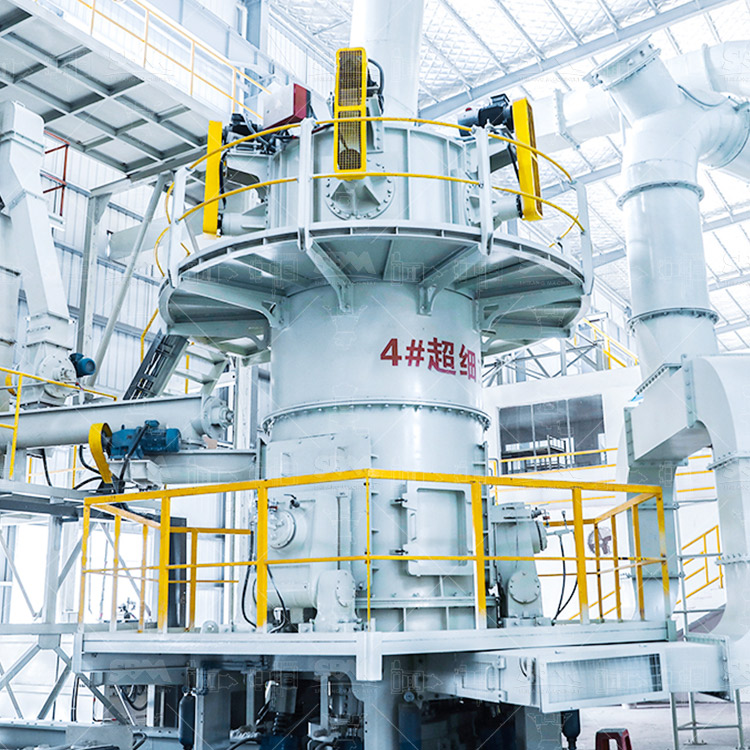
2. Key Technical Features to Compare
Buyers should compare mills across several technical dimensions:
- Grinding mechanism: Ball mills rely on impact and attrition, while vertical roller mills and trapezium mills use pressure and shear. The latter generally offer higher efficiency and better product shape.
- Classification system: An efficient dynamic classifier ensures precise fineness control and avoids over-grinding. Look for frequency-conversion control and multi-rotor classifier designs.
- Transmission and drive: Cone gear whole transmission in trapezium mills reduces space and improves efficiency. Vertical mills often use direct drive with variable speed control.
- Dust collection and environmental compliance: Fully sealed systems operating under negative pressure with pulse-jet dust collectors are essential. Noise levels should also be considered.
- Automation and control: PLC/DCS automatic control systems enable remote operation, stable grinding pressure, and easy adjustment of fineness. This reduces labor costs and improves consistency.
- Footprint and installation: Vertical roller mills can be arranged outdoors and occupy about 50% of the floor space of a ball mill system, which can significantly reduce civil construction costs.
When comparing suppliers, request detailed performance curves, specific power consumption data, and references from similar coal grinding applications. A mill that performs well in limestone may not be optimal for coal, so application-specific experience matters.
_1793895414335.jpg)
3. Matching Mill Type to Application Requirements
Coal powder preparation varies widely in scale and fineness. For small to medium capacities (3–40 tph) and fineness up to 400 mesh, the European trapezium mill (MTW series) offers a proven solution with low investment and easy maintenance. Its arc air duct and volute design ensure efficient material transport, while the combined-type shovel blade reduces wear costs.
For large-scale coal grinding (up to 400 tph) where drying and grinding are combined, the vertical roller mill (LM series) is the mainstream choice. It integrates crushing, drying, grinding, and powder separation, and its automatic control system ensures stable operation. The low wear rate and 30–40% energy savings compared to ball mills make it attractive for power plants and cement kilns.
When ultrafine coal powder is required (e.g., for specialized combustion or chemical processes), the SCM ultrafine mill can achieve fineness up to 2500 mesh with high output and low energy consumption. However, for most coal applications, 200–325 mesh is sufficient, so buyers should avoid over-specifying fineness, which can increase costs unnecessarily.
Ball mills remain viable for smaller capacities or when a very simple, robust system is preferred. Modern designs with improved liners and grinding media can reduce wear and energy use, but they generally cannot match the efficiency of vertical roller mills for large-scale coal grinding.
4. Procurement Checklist and Common Pitfalls
Before finalizing a purchase, use the following checklist:
- Define the duty: Specify coal type (hardgrove grindability index, moisture content, abrasiveness), required fineness, capacity, and operating hours per year.
- Request guaranteed performance: Obtain written guarantees for capacity, fineness, and specific power consumption at specified conditions.
- Evaluate wear part costs: Ask for wear part life estimates and prices for replacement parts. Consider combined-type blades or special materials that extend service life.
- Check environmental features: Ensure dust emission meets local standards and that noise levels are acceptable. Look for sealed systems with negative pressure operation.
- Review automation and control: Confirm that the control system allows remote monitoring and easy adjustment. PLC/DCS systems with automatic grinding pressure control are preferred.
- Assess installation and footprint: Compare civil construction requirements. Vertical mills can be installed outdoors, saving building costs.
- Verify supplier support: Check availability of service engineers, spare parts inventory, and training. A supplier with global experience (e.g., serving over 180 countries) is more likely to provide reliable after-sales support.
Common pitfalls include oversizing the mill (leading to low load factor and inefficient operation), ignoring coal abrasiveness (resulting in frequent wear part replacement), and underestimating the importance of proper coal drying (which can cause mill blockages). Also, buyers sometimes focus solely on capital cost and overlook operating costs, which over a 10-year horizon can dwarf the initial investment.
5. Frequently Asked Questions (FAQ)
Q1: What is the most common pain point when operating a coal powder mill?
One of the most frequent issues is inconsistent product fineness, which can affect combustion efficiency and emissions. This often stems from inadequate classifier adjustment or worn grinding elements. Mills with dynamic classifiers and automatic control systems (like those in vertical roller mills) help maintain stable fineness. Regular maintenance and timely replacement of wear parts are also essential.
Q2: How can I reduce energy consumption in coal grinding?
Energy consumption is largely determined by mill type and system design. Vertical roller mills and trapezium mills typically consume 30–40% less energy than ball mills for the same duty. Additionally, optimizing the classifier to avoid over-grinding, ensuring proper coal moisture (to prevent excessive drying), and using variable frequency drives on fans can further reduce power draw. Conducting a system audit and comparing specific energy consumption (kWh/t) against guaranteed values is recommended.
Q3: What are the main wear parts and how often should they be replaced?
In vertical roller mills, the grinding rollers and table liners are the primary wear parts; in trapezium mills, it’s the rollers and rings; in ball mills, grinding media and liners. Replacement intervals depend on coal abrasiveness and mill load, but typical life ranges from 6 to 18 months. Using wear-resistant materials and designs like combined-type shovel blades can extend life. Keeping a stock of critical wear parts is advisable to avoid downtime.
Q4: Can a coal mill handle high-moisture coal without pre-drying?
Vertical roller mills and some trapezium mills have integrated drying capability, allowing them to handle coal with moisture up to 10–15% depending on the heat source. However, if moisture is very high, a separate dryer may be needed. Always check the mill’s maximum moisture handling capacity and ensure the hot gas supply is sufficient. Improper drying can lead to clogging and reduced output.
Q5: What should I consider for environmental compliance and dust control?
Select a mill with a fully sealed system operating under negative pressure and equipped with high-efficiency pulse-jet dust collectors. Emission limits vary by region, but modern mills can achieve dust concentrations below 20 mg/m³. Noise reduction features such as sound insulation and mufflers are also important. During procurement, request environmental performance guarantees and check if the supplier has experience meeting local regulations in your country.
By following this guide, buyers can systematically evaluate coal powder mills, avoid common pitfalls, and select equipment that delivers reliable performance and low total cost of ownership. For further assistance, consult with a reputable mill manufacturer that offers a range of technologies and global service support.


