

Process flow of iron tailings mortar preparation
Published on: 2025-04-08
Iron tailings mortar preparation is a critical step in the recycling and utilization of mining waste, transforming fine-grained tailings into a pumpable or trowelable material for backfill, construction, and ground improvement. The process typically involves raw material handling, dewatering and dosage, dry mixing, water addition, and final mixing, with grinding and classification often integrated to achieve the required fineness and homogeneity. Based on SBM Machinery's extensive experience in powder processing and grinding system integration, this article outlines a practical process flow for iron tailings mortar preparation, highlights key equipment options such as the MTW European Trapezium Mill, LM Vertical Roller Mill, SCM Ultrafine Mill, LUM Ultrafine Vertical Mill, and ball mill, and addresses common customer pain points. The goal is to help operators improve product consistency, reduce downtime, and meet environmental standards while maintaining efficient throughput.
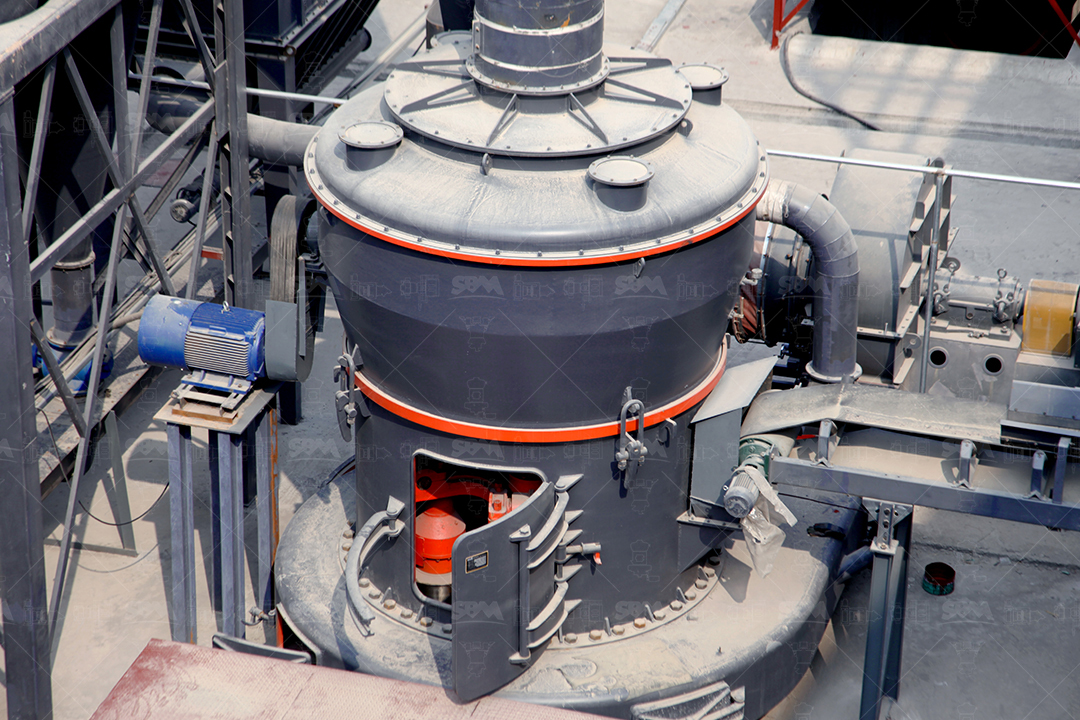
Understanding the Material and the Objective
Iron tailings are the fine residues left after iron ore beneficiation. Their properties vary widely depending on the ore source and processing method, but they generally consist of fine particles with a certain moisture content, angular shape, and varying mineralogy. For mortar preparation, the objective is to produce a stable mixture with controlled particle size distribution, consistent water demand, and adequate workability. Whether the mortar is intended for backfill, grouting, or as a component in construction materials, the process must handle variations in tailings fineness, moisture, and chemical composition.
From a process design perspective, the main challenges include achieving uniform mixing, preventing segregation, controlling dust, and ensuring that the grinding and classification steps match the target fineness. SBM Machinery's grinding equipment has been deployed in over 180 countries and regions, and the company's portfolio covers the entire mineral processing workflow, from individual units to complete grinding systems. This breadth of experience is directly relevant to iron tailings mortar preparation, where equipment reliability and system integration are essential.
Step-by-Step Process Flow
1. Raw Material Reception and Storage
Iron tailings are typically delivered by truck or conveyor from the beneficiation plant. At the reception area, a feed hopper with a vibrating feeder ensures a steady and controlled feed rate. Because tailings can be wet and sticky, the hopper and feeder should be designed with sufficient slope and anti-clogging features. Storage silos or stockpiles should be covered to prevent moisture variation and dust emissions. At this stage, preliminary screening may be used to remove oversized debris or foreign objects that could damage downstream equipment.
2. Dewatering and Moisture Control
Moisture content is a critical variable in mortar preparation. High moisture can cause clogging in grinding mills and inconsistent mixing, while low moisture can lead to dust generation. Dewatering equipment such as filter presses, thickeners, or drying systems may be required depending on the initial moisture content and the target mortar formulation. In many cases, the tailings are partially dried to a consistent moisture level before grinding. SBM's vertical roller mills and European trapezium mills are capable of handling materials with moderate moisture, and their integrated drying function can be advantageous when the tailings require further moisture reduction during grinding.
3. Grinding and Classification
Grinding is often the heart of the process, especially when the mortar requires a specific fineness or when the tailings need to be activated or homogenized. The choice of grinding equipment depends on the target fineness, capacity, and the physical properties of the tailings.
For general mortar preparation with output fineness in the range of 30–400 mesh and capacities from 3 to 40 tph, the MTW Series European Trapezium Grinding Mill is a suitable option. Its cone gear whole transmission, inner oil absorption lubrication system, and arc air flue design contribute to stable operation and reduced maintenance. The combined-type shovel blade design reduces wear part costs, which is a common concern when processing abrasive tailings.
When higher capacity is needed, the LM Vertical Roller Mill offers capacities from 3 to 400 tph and integrates crushing, drying, grinding, powder separation, and transportation. Its small comprehensive investment and low operating costs make it attractive for large-scale operations. The roller and grinding plate are made of high-quality materials and do not contact each other directly, which reduces wear and extends service life. The automatic control system allows remote and local control switching, saving labor costs.
For ultrafine mortar or applications requiring higher fineness, the SCM Ultrafine Mill can adjust powder fineness from 325 to 2500 mesh, with a one-time finished product fineness of D97≤5μm. Its high output and low energy consumption—more than twice the capacity of jet mills with 30% lower energy consumption—make it a strong candidate for specialty mortars. The LUM Ultrafine Vertical Mill is another option for ultrafine grinding of non-metallic minerals, with capacities from 10 to 70 tph and fineness up to 4000 mesh. Its unique grinding curve design and multi-rotor powder classifier ensure high efficiency and precise cutting size.
In some cases, a ball mill may be used for its mature technology and ability to handle abrasive materials. SBM's optimized ball mill designs address the common issues of metal ball wear and high energy consumption by improving structure design and adopting new materials. Dry ball mills are mainly for producing common powder, while wet ball mills are widely used in mineral dressing.
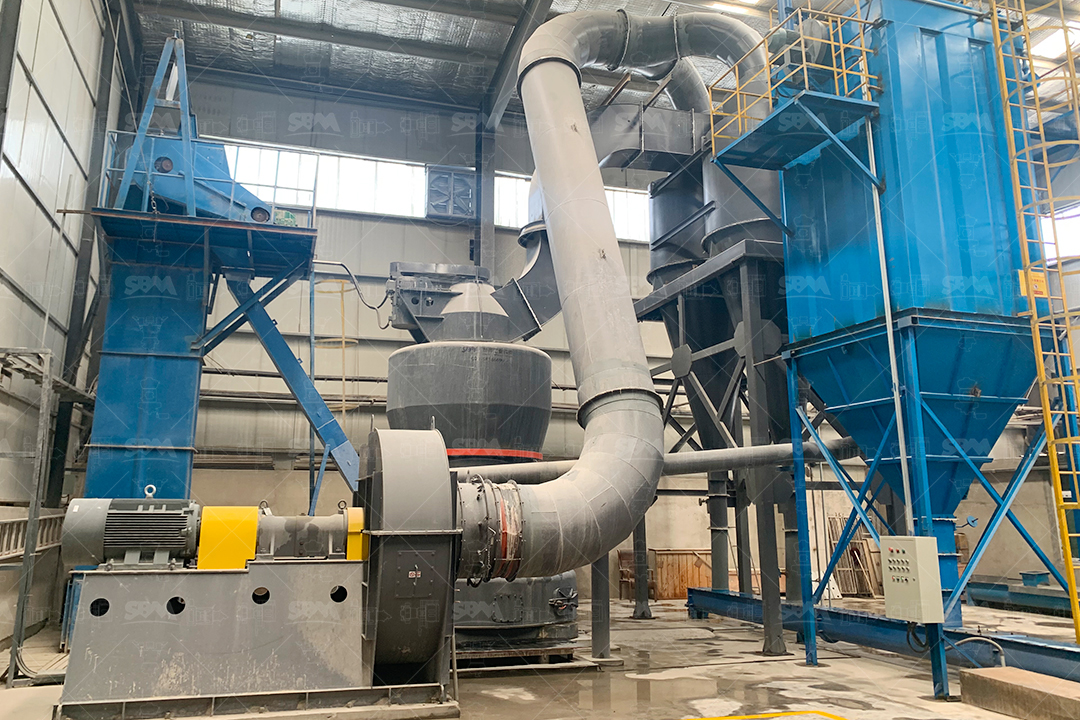
4. Batching and Dosage
After grinding, the tailings powder is stored in silos and dosed according to the mortar formulation. Batching systems typically include weigh hoppers, screw conveyors, and control valves. Accuracy and repeatability are essential to ensure consistent mortar properties. Additives such as cement, lime, fly ash, or chemical admixtures may be introduced at this stage. The batching system should be designed to handle the fine and potentially cohesive nature of the ground tailings, with measures to prevent bridging and segregation.
5. Dry Mixing
Dry mixing homogenizes the tailings powder with other dry components. A twin-shaft paddle mixer or a ribbon blender is commonly used. The mixing time and intensity should be optimized to achieve a uniform blend without excessive energy consumption. Dust collection at the mixer is important to maintain a clean working environment and comply with emission standards. SBM's grinding systems can be integrated with dust collectors and sealed negative-pressure operation to minimize dust spillover.
6. Water Addition and Wet Mixing
Water is added to the dry mix to achieve the desired consistency. The water dosage must be carefully controlled, as it directly affects the workability, strength, and setting behavior of the mortar. A flow meter and automatic valve can be used to regulate water addition. The wet mixing stage often employs a high-shear mixer or a continuous screw mixer to ensure thorough wetting and dispersion. For backfill applications, the mortar may be pumped directly to the placement site, requiring the mixture to remain stable and pumpable.
7. Quality Control and Discharge
Quality control checks may include fineness testing, moisture content measurement, density, and flowability tests. The final mortar is discharged into storage tanks, agitators, or directly into transport vehicles. For continuous operations, buffer silos with agitation can prevent settling and ensure a consistent supply. The entire process should be monitored and controlled, preferably with a PLC or DCS system, to maintain stable production and quickly respond to variations in raw material properties.
Key Equipment and Technical Advantages
SBM Machinery's grinding equipment is widely used across industries such as power generation, building materials, mining, metallurgy, chemicals, and non-metallic minerals. For iron tailings mortar preparation, the following equipment features are particularly relevant:
- MTW European Trapezium Mill: Unique wear-proof perching knife design reduces wearing part costs; arc air duct design avoids air energy loss; cone gear whole transmission achieves higher transmission efficiency and lower investment costs; volute design improves wind-driven transmission efficiency.
- LM Vertical Roller Mill: Small comprehensive investment with compact layout; low operating costs due to less wear and 30–40% lower energy consumption than ball-milling systems; automatic control system for easy operation; high environmental protection standard with low noise and dust-free operation.
- SCM Ultrafine Mill: High output and low energy consumption; high fineness with frequency-conversion control; heavy rotor design and tight test method for durability; efficient double powder collecting method for dust collection.
- LUM Ultrafine Vertical Mill: High efficiency and high quality of finished products; advanced separation technology and energy efficiency; intelligentized control system for stable operation; environmentally friendly with small vibration and low noise.
- Ball Mill: Mature technology; optimized structure and new materials reduce spare parts costs; dry and wet types available for different requirements.
These equipment options can be combined into complete grinding systems, allowing operators to tailor the process to their specific tailings characteristics and mortar specifications. SBM's expertise spans the entire mineral processing workflow, which means the company can provide everything from individual units to complete grinding systems.
Common Customer Pain Points and How the Process Addresses Them
Customers in iron tailings mortar preparation frequently face several challenges. First, variability in tailings properties can lead to inconsistent mortar quality. A well-designed process with proper storage, dewatering, and batching controls helps mitigate this. Second, wear and maintenance costs are often high due to the abrasive nature of tailings. Equipment with wear-resistant designs, such as the MTW mill's combined-type shovel blade and the LM mill's high-quality roller and plate materials, can reduce these costs. Third, dust and noise emissions are a concern for environmental compliance and worker safety. Sealed negative-pressure operation, efficient dust collectors, and sound insulation are incorporated into SBM's equipment designs. Fourth, energy consumption can be a major operating expense. Vertical roller mills and ultrafine mills with low energy consumption per ton can significantly reduce power costs. Finally, operators often struggle with complex control systems and labor intensity. Automatic control systems with remote and local control switching, PLC/DCS automation, and intelligent feedback help simplify operation and save labor.
Frequently Asked Questions
1. What fineness can be achieved for iron tailings mortar, and which mill should I choose?
The required fineness depends on the mortar application. For general backfill or construction mortar, 30–400 mesh is often sufficient, and the MTW European Trapezium Mill or LM Vertical Roller Mill can be suitable. For specialty mortars requiring ultrafine particles, the SCM Ultrafine Mill can reach 325–2500 mesh, and the LUM Ultrafine Vertical Mill can reach up to 4000 mesh. The choice also depends on capacity, moisture content, and budget considerations.
2. How do you handle the high moisture content of iron tailings?
Moisture control starts with dewatering equipment such as filter presses or thickeners. If further drying is needed, grinding mills with integrated drying functions, like the LM Vertical Roller Mill, can handle moderate moisture during grinding. The key is to maintain a consistent moisture level before batching to ensure mortar quality.
3. What about wear parts and maintenance costs when processing abrasive tailings?
Abrasive tailings can cause significant wear. Equipment designs that reduce wear include the MTW mill's combined-type shovel blade, which allows only the blade to be replaced during maintenance, and the LM mill's roller and plate made of high-quality materials with no direct contact. The SCM mill's heavy rotor design and special materials also extend durability. Regular maintenance and proper operation further reduce costs.
4. Can the process be automated to reduce labor and improve consistency?
Yes. Modern grinding and mixing systems can be equipped with PLC or DCS control systems. SBM's LM Vertical Roller Mill features an expert automatic control system with remote and local control switching. The LUM Ultrafine Vertical Mill uses PLC/DCS automatic control for grinding pressure, and the SCM mill offers intelligent control with automatic feedback. These systems improve consistency and reduce labor requirements.
5. How does the process address dust and noise emissions?
Environmental protection is integrated into equipment design. The LM Vertical Roller Mill operates under negative pressure with a wholly sealed system, preventing dust spillover and meeting national standards. The SCM Ultrafine Mill uses efficient double powder collecting methods with pulse dust collectors, and the LUM Ultrafine Vertical Mill has special structural design for low vibration and noise, with optimized sound insulation. These features help operators comply with environmental regulations and maintain a safer workplace.


