

Models for marble grinding equipment
Published on: October 26, 2023
Selecting the optimal grinding equipment is crucial for achieving efficient and high-quality marble powder production. Shanghai SBM Machinery Equipment Co., Ltd. offers a comprehensive portfolio of grinding mills, each engineered to address specific operational requirements and production goals. From high-capacity vertical roller mills to precision ultrafine grinding solutions, SBM's technology integrates advanced features for energy efficiency, operational stability, and environmental compliance, making it a trusted partner for over 180 countries in the global powder processing industry.
The processing of marble into powder demands equipment capable of delivering precise particle size distribution, high throughput, and consistent quality. SBM's range of mills is designed to meet these challenges across various applications, including the production of heavy calcium carbonate (GCC), artificial stone materials, and other non-metallic mineral products. Key considerations such as feed size, desired output fineness, and production capacity directly influence the choice of mill, and SBM's models provide tailored solutions to optimize these parameters.
MTW Series European Trapezium Grinding Mill
The MTW Series European Trapezium Grinding Mill represents a significant evolution from traditional Raymond mill designs. Developed through extensive research and incorporating feedback from thousands of global customers, this mill features several proprietary technologies that enhance its performance and reliability. Its input capacity handles materials up to 50mm, producing powders ranging from 30 to 400 mesh with a throughput of 3 to 40 tons per hour.
One of its standout features is the unique wear-proof shovel blade design. This combined-type blade reduces the cost of wearing parts, as only the blade itself requires replacement during maintenance. The curved design optimizes the feeding angle, which in turn prolongs the service life of the grinding roller and ring, significantly reducing long-term operating costs. Furthermore, the mill employs a Cone Gear Whole Transmission system. This bevel gear integral transmission achieves higher mechanical efficiency, saves installation space, and lowers initial investment costs compared to traditional drive systems.
The arc air duct design is another critical innovation, minimizing air energy loss and ensuring efficient material transportation within the system. A high-strength guard plate protects the air duct's working surface, contributing to the mill's durability. The unobstructed, wear-resistant volute further enhances the efficiency of the wind-driven transmission, simultaneously reducing maintenance costs associated with material flow.
LM Vertical Roller Mill
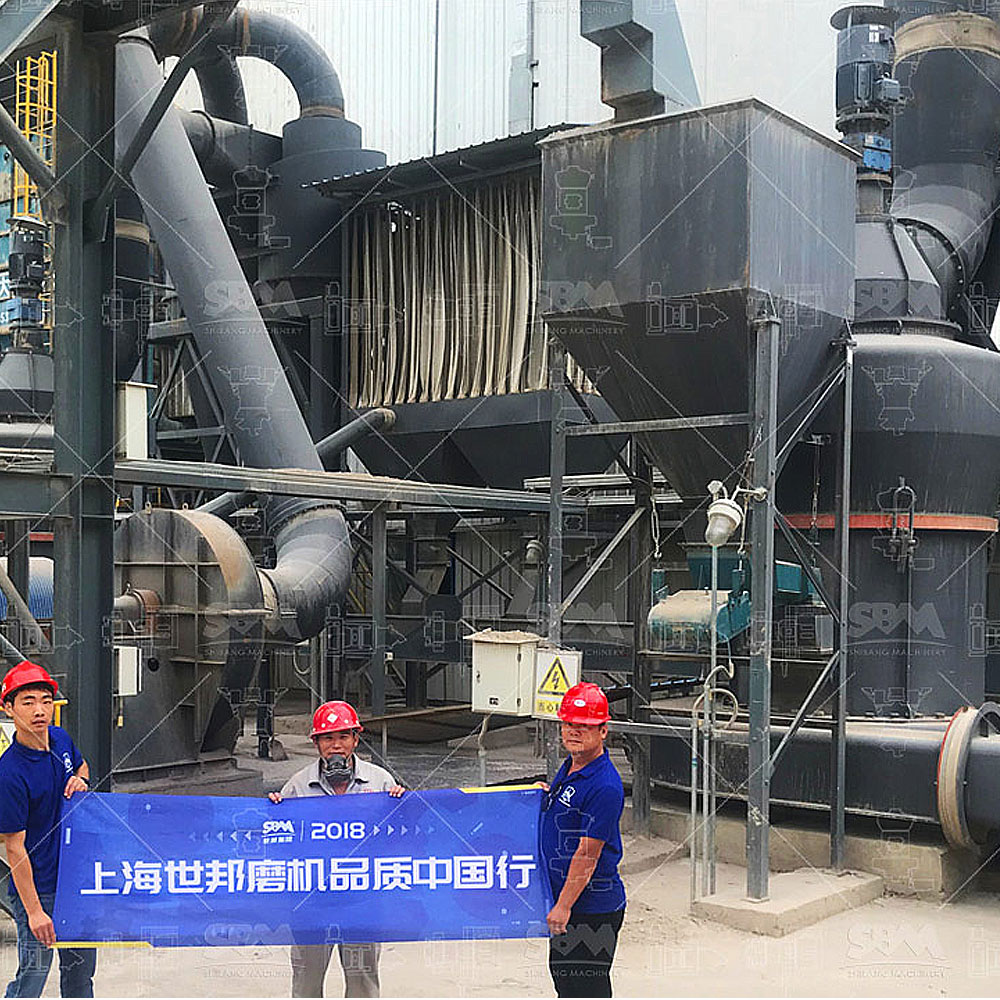
For operations requiring higher capacity and integrated processing, the LM Vertical Roller Mill offers a compelling solution. This mill addresses common industry issues of low output and high energy consumption by integrating crushing, drying, grinding, powder separation, and transportation into a single, compact unit. It can process feed sizes up to 50mm into finished products from 30 to 400 mesh, with an impressive capacity range of 3 to 400 tons per hour.
A primary advantage of the LM Vertical Roller Mill is its small comprehensive investment footprint. The system's layout is simple and compact, occupying approximately 50% of the space required by a traditional ball mill system. Its design allows for outdoor installation, which further reduces construction and infrastructure costs. Operationally, it excels in low operating costs. The grinding rollers do not directly contact the grinding plate, and both components are manufactured from high-quality, wear-resistant materials, leading to extended service life. The direct grinding action on the plate results in energy consumption that is 30% to 40% lower than that of ball-milling systems.
The mill is equipped with an expert automatic control system, enabling seamless switching between remote and local control. This automation facilitates easy operation, reduces the potential for human error, and saves on labor costs. From an environmental perspective, the LM mill operates with minimal vibration and low noise levels. The entire system is sealed and operates under negative pressure, preventing dust spillover and ensuring emissions comply with stringent national environmental standards.
SCM Series Ultrafine Mill and LUM Ultrafine Vertical Mill
When the application demands exceptionally fine powders, SBM's ultrafine grinding solutions come to the fore. The SCM Series Ultrafine Mill was developed to surpass the limitations of general Raymond mills, offering adjustable fineness from 325 to 2500 meshes, with a one-time fineness achievable at D97≤5µm. Its capacity ranges from 0.5 to 25 tph, making it ideal for specialized, high-value powder production.
This mill is characterized by high output and low energy consumption. Its efficiency is more than double that of jet mills, while consuming 30% less energy. An intelligent control system provides automatic feedback for fast and stable product conversion, directly saving on labor costs. The heavy rotor design and tight testing methods ensure exceptional durability, with the roller and ring made from special materials that offer several times the lifespan of conventional parts. The grinding chamber is designed without bearing screws and undergoes balance treatment for stable, vibration-free operation.
The LUM Ultrafine Vertical Mill takes ultrafine grinding a step further by integrating powder grinding, separation, and transportation based on vertical mill technology. It incorporates advanced grinding roller technology and German powder separating technology. With an input size of 0-20mm and an output range of 325-4000 mesh, it achieves capacities between 10 and 70 tph, serving as a professional medium and high-end processing equipment.
Its key strength lies in the uniquely designed grinding curves of the roller shell and lining plate, which facilitate the formation of a material bed, thereby improving grinding efficiency and increasing the yield of finished product from the primary grinding stage. The mill utilizes a multi-rotor powder classifier based on advanced separation principles, allowing for customizable finished product fineness without the presence of low-grade material. A PLC/DCS automatic control system ensures precise control over grinding pressure and other critical parameters, enabling remote operation and stable performance.
Ball Mill Solutions
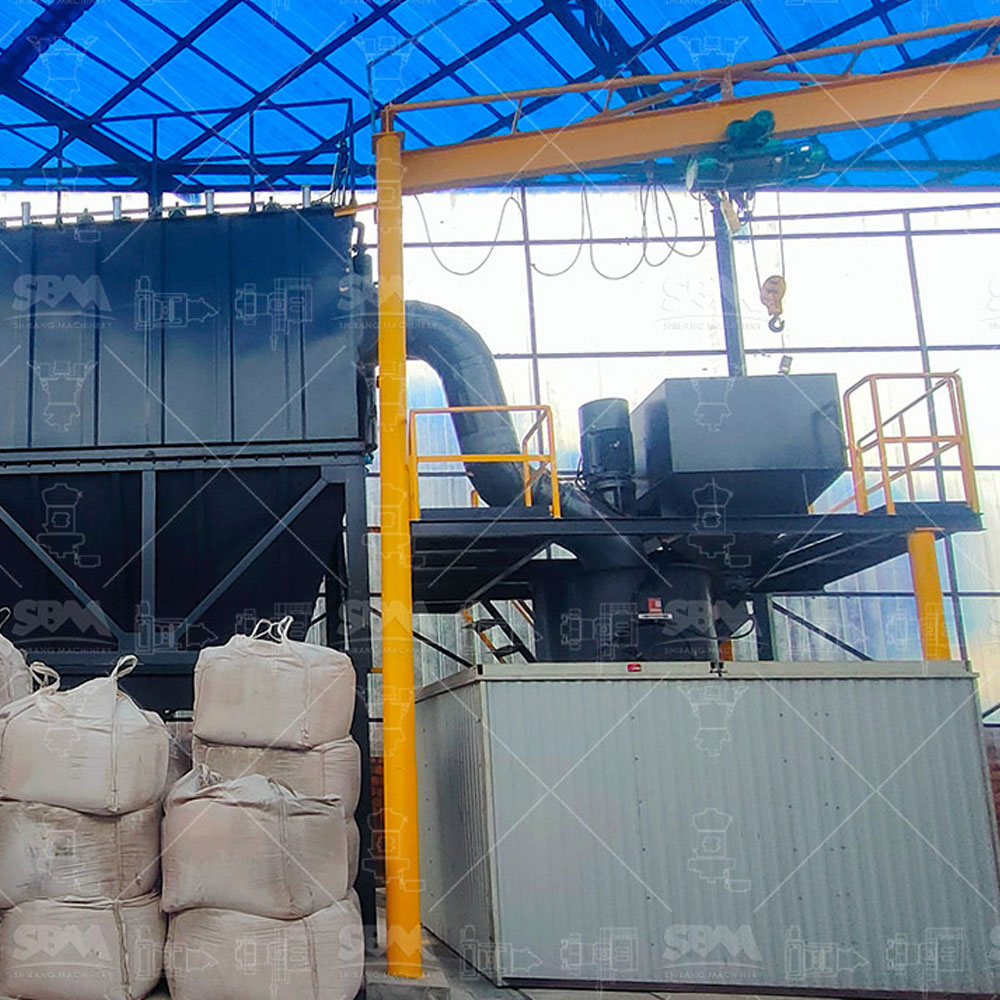
While newer technologies have emerged, the Ball Mill remains a mature and reliable workhorse in many grinding circuits. Acknowledging traditional challenges such as high wear of metal balls and significant energy consumption, SBM has optimized its ball mill designs. Through structural improvements and the use of new materials, the cost of spare parts has been noticeably reduced. SBM produces various types of ball mills, including dry ball mills for common powder production and wet ball mills widely applied in mineral dressing processes. These mills handle an input size of 0-25mm to produce an output between 0.2 and 0.074mm, with capacities from 3 to 65 tph.
In conclusion, the selection of marble grinding equipment is a strategic decision that impacts productivity, product quality, and operational expenditure. SBM Machinery's diverse model range—from the advanced MTW and LM series to the precision SCM and LUM ultrafine mills, alongside optimized ball mills—provides industry professionals with a spectrum of technologies to meet their specific production needs. The integration of features focused on energy savings, wear reduction, automated control, and environmental protection ensures that these mills deliver not only superior performance but also long-term economic and operational benefits.
Frequently Asked Questions
1. What is the main advantage of a vertical roller mill over a traditional ball mill for marble grinding?
The primary advantages are significantly lower energy consumption (30-40% less), a compact layout that reduces the floor space by about 50%, and the integration of drying, grinding, and classifying within a single unit, which simplifies the process flow and reduces initial investment.
2. How can I reduce the high wear costs of grinding parts in my milling operation?
SBM's mills address this through specialized designs and materials. The MTW Mill's combined-type shovel blade and the LM Mill's non-contact grinding roller system are specifically engineered to reduce wear and extend the service life of critical components, thereby lowering operating costs.
3. My project requires a very fine powder (over 2500 mesh). Which SBM model is suitable?
For ultrafine applications exceeding 2500 mesh, the SCM Series Ultrafine Mill or the LUM Ultrafine Vertical Mill are the ideal choices. Both are capable of achieving this level of fineness, with the LUM model offering higher capacity and integrated processing capabilities.
4. How does SBM equipment ensure environmental compliance, particularly regarding dust and noise?
SBM mills feature wholly sealed systems that operate under negative pressure, effectively preventing dust spillover. Additionally, they are designed for low vibration and noise, often incorporating optimized sound insulation and efficient pulse dust collectors that meet or exceed international emission standards.
5. Are your mills equipped with automated controls to minimize manual operation and potential errors?
Yes, models like the LM Vertical Roller Mill and LUM Ultrafine Vertical Mill come with advanced PLC/DCS automatic control systems. These systems allow for remote and local control, precise parameter adjustment, and stable operation, which saves labor costs and enhances process consistency.


