

Working principle of high-pressure roller mills
Published: October 26, 2023
High-pressure roller mills represent a significant advancement in comminution technology, utilizing the principle of interparticle breakage to achieve efficient size reduction with lower energy consumption compared to traditional grinding methods. These mills operate by applying extreme pressure between two counter-rotating rollers, creating a compressed material bed where particles fracture against each other rather than through direct contact with grinding elements. This mechanism results in higher energy efficiency, reduced wear, and improved particle size distribution. Shanghai SBM Machinery Equipment Co., Ltd. has refined this technology through years of research and practical application, developing high-pressure roller mill systems that deliver exceptional performance across various industrial applications including mineral processing, cement production, and non-metallic mineral grinding.
The fundamental working principle begins with material feeding between two parallel rollers rotating in opposite directions. One roller is fixed while the other is movable, hydraulically pressurized to maintain consistent grinding force. As material enters the grinding zone, it undergoes compression forces reaching up to several hundred megapascals, creating a dense material bed where interparticle comminution occurs. This process generates micro-cracks within particles, making subsequent processing stages more efficient and energy-effective. The compressed material exits as a compacted cake that typically requires further disaggregation in downstream processes.
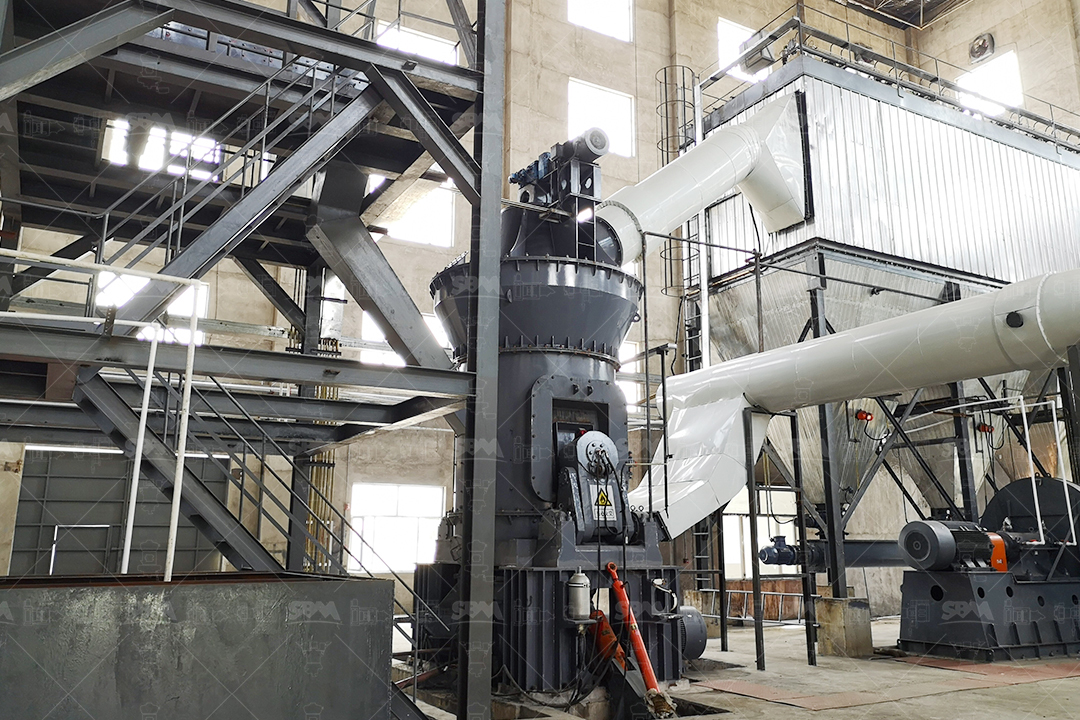
Modern high-pressure roller mills incorporate several critical design features that enhance their operational efficiency. The heart of the system lies in the roller assembly, where SBM utilizes specially developed wear-resistant materials and surface patterns to optimize grip and minimize wear. The hydraulic system provides precise pressure control, allowing operators to adjust grinding force according to material characteristics and desired product fineness. This flexibility ensures optimal performance across varying feed conditions and production requirements. Additionally, advanced bearing arrangements and lubrication systems ensure reliable operation under the extreme loads generated during the compression process.
Material characteristics significantly influence the performance of high-pressure roller mills. The moisture content, particle size distribution, and grindability of the feed material all impact the compression behavior and energy consumption. SBM's engineering team has developed sophisticated control systems that automatically adjust operational parameters based on real-time monitoring of these variables. The mills feature intelligent control systems that maintain optimal pressure settings, roller speed, and feed rate to ensure consistent product quality while maximizing throughput and minimizing specific energy consumption.
One of the most significant advantages of high-pressure roller mills is their energy efficiency. Traditional grinding methods like ball mills typically operate at energy efficiencies below 5%, while high-pressure roller mills can achieve efficiencies exceeding 30%. This dramatic improvement stems from the direct application of force to the material bed rather than through intermediate media and the utilization of interparticle breakage, which requires less energy than single-particle fracture mechanisms. The energy savings become particularly substantial in applications requiring fine grinding, where conventional methods experience rapidly increasing specific energy requirements.
The application scope for high-pressure roller mills continues to expand as technology advances. In cement production, they serve as pre-grinders for ball mill circuits, significantly increasing overall circuit capacity while reducing specific energy consumption. In mineral processing applications, high-pressure roller mills enable more efficient liberation of valuable minerals from gangue materials through the generation of micro-cracks. For non-metallic minerals, they provide precise control over particle size distribution while maintaining product characteristics. SBM's extensive experience across these diverse applications has enabled the development of customized solutions addressing specific customer requirements and material characteristics.
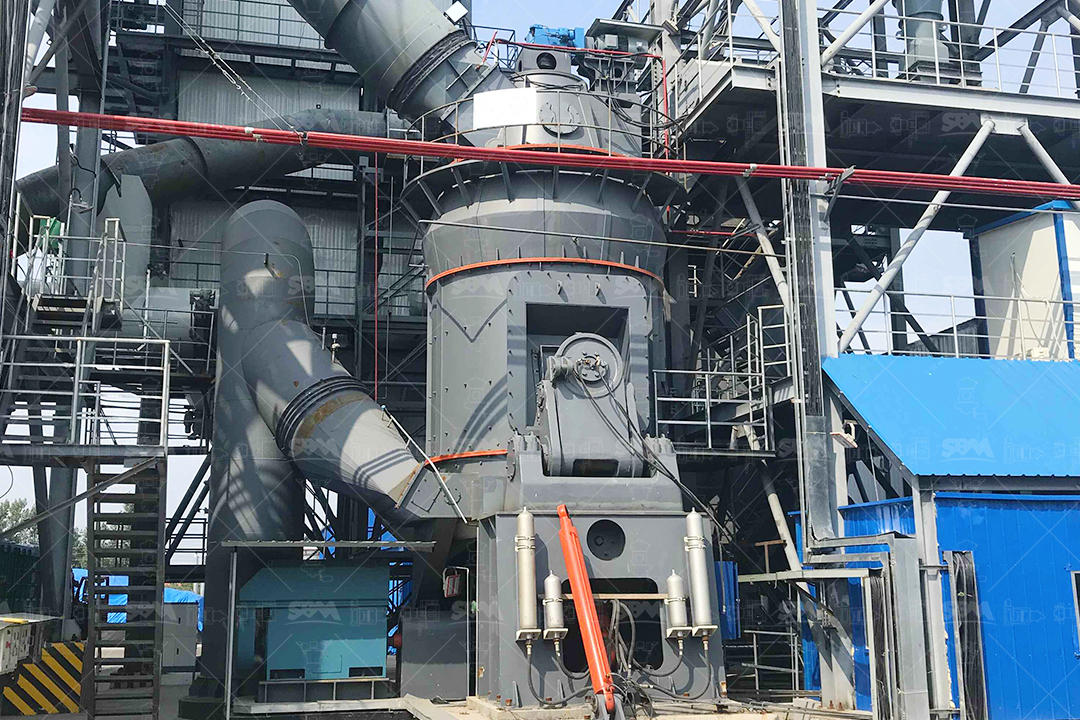
Maintenance considerations for high-pressure roller mills focus primarily on wear part management and system reliability. The rollers represent the primary wear components, with service life dependent on material abrasiveness and operational parameters. SBM addresses this through advanced material selection, incorporating specialized alloys and wear protection technologies that extend operational periods between maintenance. The modular design of critical components facilitates quick replacement, minimizing downtime during maintenance activities. Furthermore, remote monitoring capabilities allow for predictive maintenance planning based on actual operating conditions rather than fixed time intervals.
Environmental performance represents another area where high-pressure roller mills demonstrate significant advantages. The enclosed design prevents dust emissions during operation, while the efficient energy utilization reduces the carbon footprint associated with grinding operations. Noise levels remain significantly lower than alternative grinding technologies due to the absence of impacting media. When integrated with SBM's comprehensive dust collection systems, high-pressure roller mills can operate well below regulatory emission limits, making them suitable for installation in environmentally sensitive areas.
The future development of high-pressure roller mill technology continues to focus on enhancing efficiency, reliability, and application range. SBM's research and development efforts target improved wear materials, advanced control algorithms, and integration with digital twin technology for optimized operation. The ongoing refinement of roller surface patterns and pressure distribution systems promises further improvements in energy efficiency and product quality control. As industrial requirements evolve toward finer grinding and more specialized particle characteristics, high-pressure roller mills are positioned to play an increasingly important role in modern comminution circuits.
Frequently Asked Questions
What is the typical service life of grinding rollers before replacement is required?
The service life varies significantly based on material abrasiveness, operating pressure, and maintenance practices. For moderately abrasive materials, rollers typically last between 6,000-8,000 operating hours. SBM's specialized wear-resistant materials can extend this period, with some applications achieving over 10,000 hours of continuous operation.
How does moisture content in feed material affect mill performance?
Excessive moisture can lead to material slippage and reduced compression efficiency. Optimal moisture content typically ranges between 2-5%, depending on material characteristics. SBM mills incorporate material conditioning systems when necessary to maintain optimal moisture levels for efficient operation.
What measures are taken to prevent roller damage from tramp metal?
SBM mills feature comprehensive protection systems including metal detectors and mechanical safety devices. The hydraulic system allows momentary pressure relief when uncrushable material enters the grinding zone, preventing catastrophic damage. Regular inspection and maintenance protocols further ensure operational safety.
Can the mill handle variations in feed material hardness?
Yes, the hydraulic pressure system automatically adjusts to maintain consistent performance despite feed variations. The control system monitors power consumption and pressure parameters, making real-time adjustments to accommodate changes in material characteristics without compromising product quality.
What is the typical noise level during operation?
High-pressure roller mills operate at approximately 75-85 dB, significantly quieter than alternative grinding technologies. The enclosed design and absence of impacting media contribute to this improved acoustic performance, making them suitable for installation in noise-sensitive environments.


