

Considerations for selecting grinding mills
Published: October 26, 2023
Selecting the optimal grinding mill requires careful evaluation of multiple technical parameters, operational requirements, and specific application needs. This comprehensive guide examines key factors including material characteristics, capacity requirements, fineness specifications, and operational efficiency to help industry professionals make informed decisions. With decades of experience serving over 180 countries, our grinding equipment portfolio offers tailored solutions for diverse industrial applications from power generation and building materials to mining and chemical processing.
Understanding your material properties forms the foundation of proper mill selection. Key material characteristics include hardness, moisture content, abrasiveness, and chemical composition. For hard, abrasive materials, mills with specialized wear-resistant components become essential to minimize maintenance costs and downtime. Moisture content directly impacts the choice between dry and wet grinding systems, while chemical properties may necessitate corrosion-resistant materials in construction.
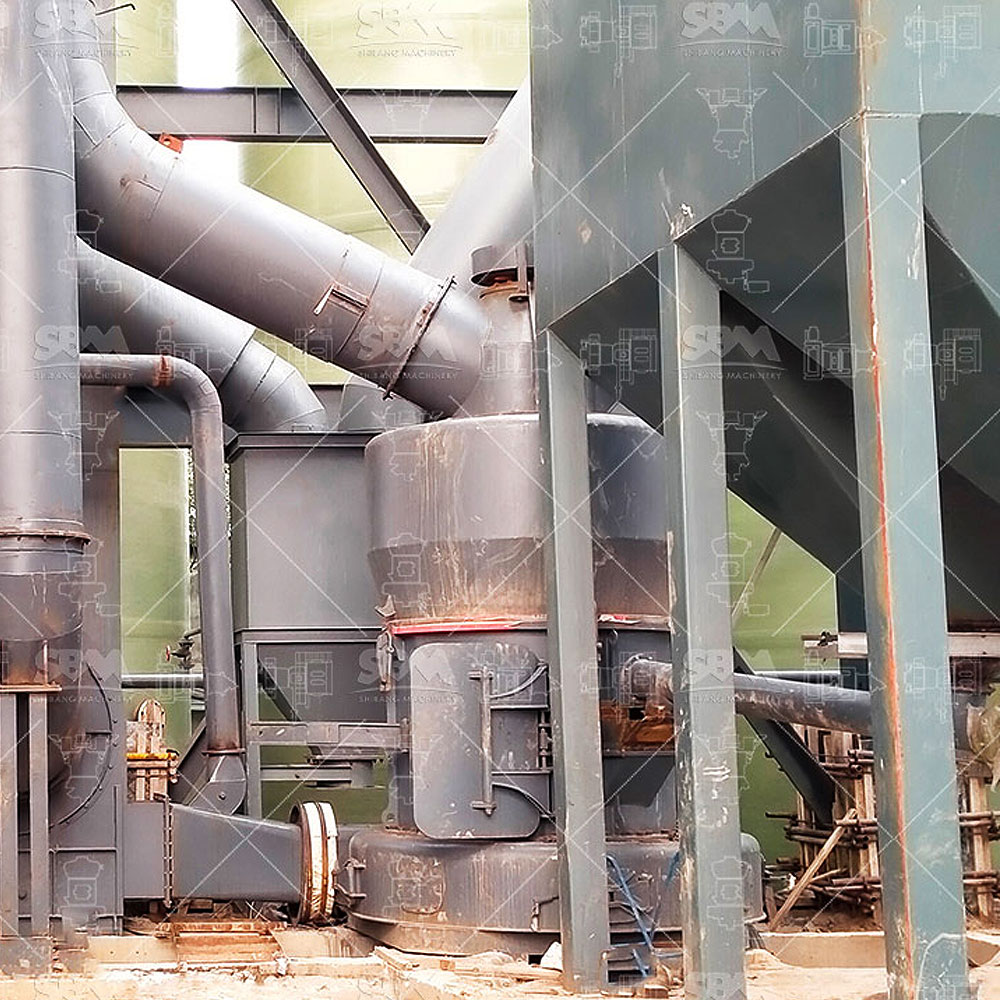
Capacity requirements span from laboratory-scale operations to high-volume production facilities. Our grinding solutions accommodate throughput ranges from 0.5 to 400 tons per hour, ensuring appropriate scaling for both pilot projects and full-scale industrial operations. The MTW Series European Trapezium Grinding Mill serves mid-range capacity needs from 3-40tph, while Vertical Roller Mills handle broader requirements from 3-400tph, making them suitable for large-scale continuous operations.
Fineness specifications represent another critical consideration. Different applications demand varying particle size distributions, from coarse grinding at 30-400 mesh to ultrafine processing reaching 4000 mesh. For standard fineness requirements, the European Trapezium Mill and Vertical Roller Mill provide excellent performance in the 30-400 mesh range. When ultra-fine processing is necessary, our SCM Series Ultrafine Grinding Mill and LUM Ultrafine Vertical Mill deliver precision grinding from 325 to 4000 mesh with consistent particle distribution.
Energy efficiency has become increasingly important in grinding operations. Advanced mill designs incorporate multiple energy-saving features, including optimized transmission systems, efficient classifier technology, and intelligent control systems. Our Vertical Roller Mills demonstrate 30-40% lower energy consumption compared to traditional ball milling systems, while maintaining high throughput and consistent product quality. The cone gear whole transmission in our MTW Series further enhances transmission efficiency while reducing space requirements.
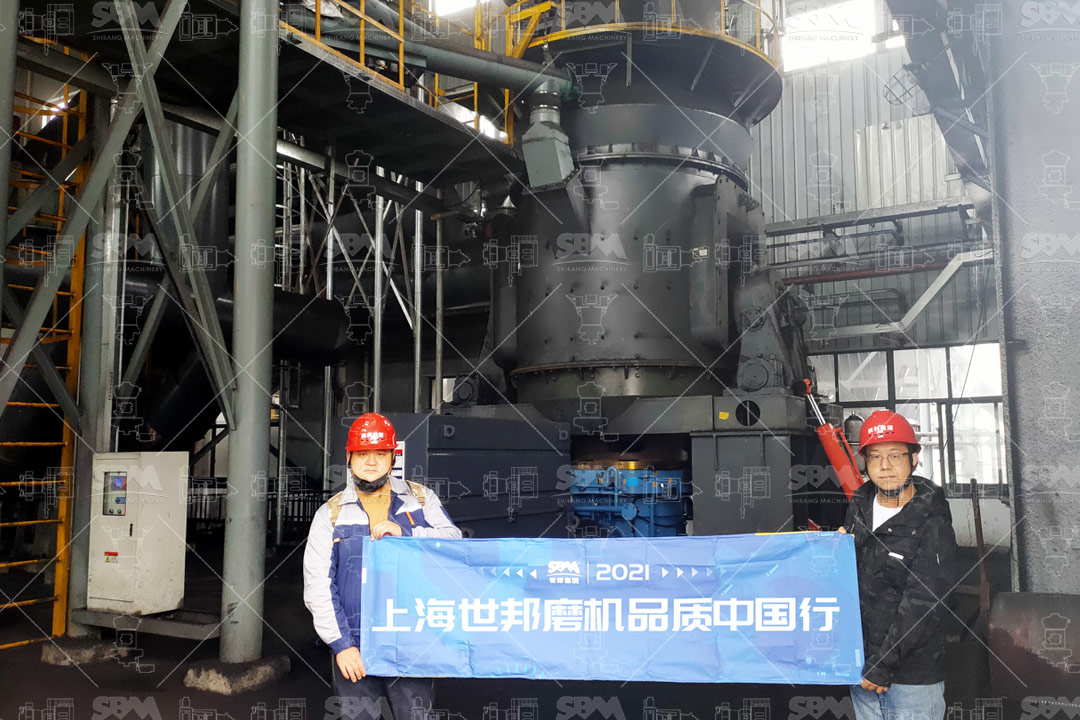
Operational maintenance and wear part costs significantly impact total cost of ownership. Mills featuring innovative designs like the combined-type shovel blade in the MTW Series reduce wearing parts replacement costs, while specialized materials in our Ultrafine Mills extend component durability several times over conventional options. The automatic control systems integrated across our mill portfolio enable remote operation and reduce labor requirements while maintaining optimal operating parameters.
Environmental compliance and workplace safety standards must be addressed in mill selection. Modern grinding equipment incorporates comprehensive dust collection systems, noise reduction technologies, and sealed operation under negative pressure to prevent material escape. Our mills feature efficient double powder collecting methods, optimized sound insulation, and emission control systems that exceed international environmental standards.
Application-specific requirements often dictate the final selection. For environmental desulfurization limestone powder preparation, the European Trapezium Mill offers proven performance. Large-scale non-metallic mineral powder processing typically benefits from Vertical Roller Mill efficiency, while specialized applications in plastic master batch, PVC, and artificial stone production may require the precision of Ultrafine Vertical Mills. Traditional ball mills continue to serve specific applications where their particular grinding action remains advantageous.
The integration of intelligent control systems represents the latest advancement in grinding technology. PLC/DCS automatic control systems enable precise regulation of grinding pressure, rotational speed, and classifier operation. These systems facilitate remote monitoring and control, automatic parameter optimization, and real-time performance tracking, contributing to consistent product quality and operational stability.
Frequently Asked Questions
A: For high-moisture materials, consider mills with integrated drying capabilities like our Vertical Roller Mills, which combine grinding and drying operations. The drying function utilizes waste heat from other processes or integrated hot air systems to reduce moisture while grinding, eliminating the need for separate drying equipment.
A: Our mills incorporate specialized wear-resistant materials and innovative designs like the curved shovel blades in MTW Series that prolong service life. The unique wear-proof perching knife design allows replacement of only the blade component rather than entire assemblies, significantly reducing maintenance costs.
A: Advanced classification systems with multi-rotor powder classifiers and PLC-controlled parameters ensure consistent fineness. The efficient vertical turbine powder classifier in our ultrafine mills provides accurate cutting size and prevents coarse powder spillover, maintaining product quality throughout continuous operation.
A: Modern mill designs feature optimized sound insulation rooms, mufflers, and vibration-dampening technologies. The heavy rotor design and tight test methods in our ultrafine mills ensure stable operation with minimal vibration, while specialized structural designs maintain noise levels well below regulatory requirements.
A: Implement mills with high efficiency and low energy consumption characteristics, such as our Vertical Roller Mills that reduce energy usage by 30-40% compared to traditional systems. Automated control systems further optimize operational parameters in real-time, reducing labor costs and minimizing energy waste.


