

Idle time maintenance for raymond mills
Proactive idle time maintenance for Raymond mills is crucial for maximizing operational efficiency, reducing unexpected downtime, and extending equipment lifespan. This comprehensive guide explores essential maintenance practices during production pauses, leveraging SBM Machinery's advanced grinding technologies to address common operational challenges and ensure peak performance when operations resume. Properly executed maintenance protocols can transform downtime into valuable preparation periods, ultimately protecting your investment and maintaining consistent product quality.
Regular maintenance during idle periods prevents the accumulation of minor issues that could escalate into major failures. The MTW Series European Trapezium Grinding Mill, with its innovative cone gear whole transmission and inner oil absorption lubrication system, requires specific attention to lubrication points and gear inspection during extended pauses. Similarly, LM Vertical Roller Mills demand thorough examination of grinding rollers and plates to prevent material hardening and surface degradation.
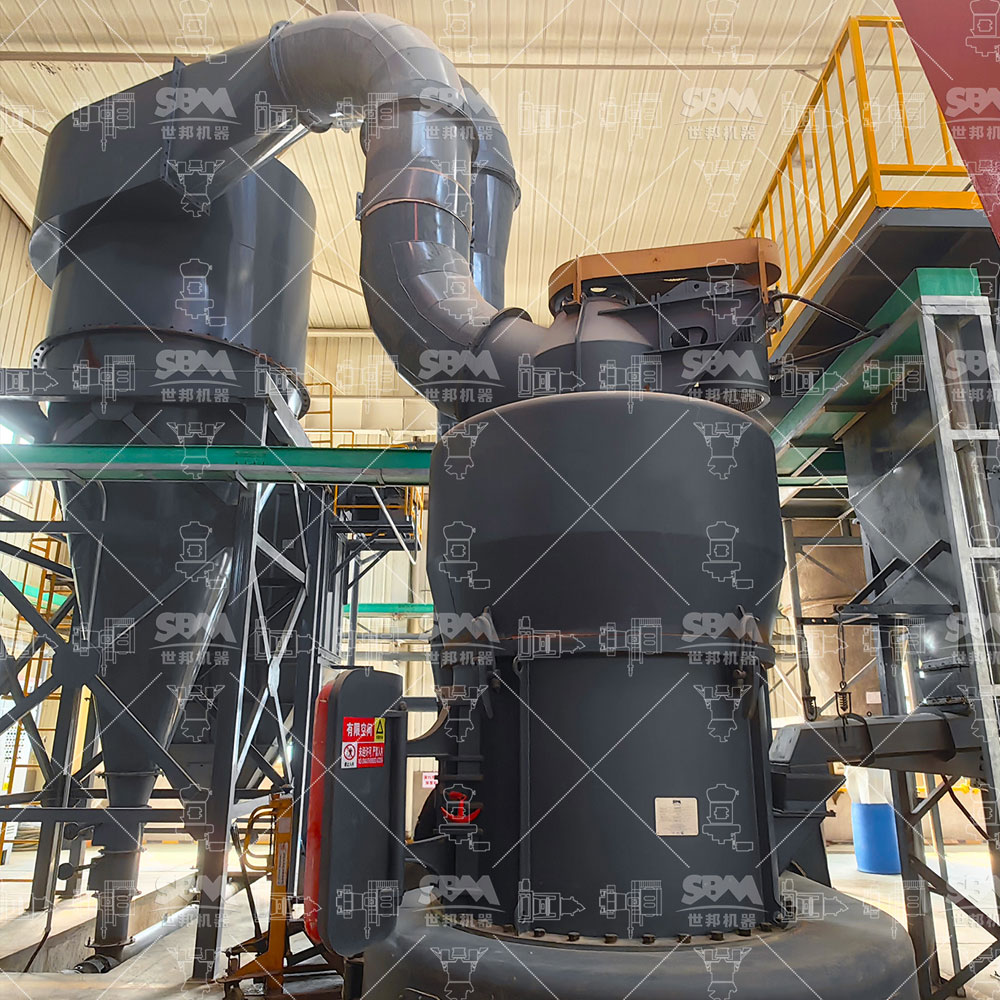
The unique wear-proof perching knife design in SBM's MTW Raymond Mill significantly reduces wearing parts costs, but during idle periods, these components still require inspection for potential replacement. The combined-type shovel blade design allows for partial replacement rather than complete system overhaul, making maintenance more cost-effective. Regular inspection of the curved shovel blades ensures optimal feeding angle maintenance, which directly impacts roller and ring service life.
For operations utilizing SCM Series Ultrafine Grinding Mills, idle time presents an opportunity to verify classifier performance and grinding chamber integrity. The heavy rotor design and tight test method ensure stability, but extended pauses necessitate checks for material buildup and rotor balance. The efficient vertical turbine powder classifier requires calibration to maintain precise particle size distribution when production resumes.
Lubrication system maintenance forms the cornerstone of effective idle time protocols. SBM's advanced lubrication systems in both MTW and LUM series mills require fluid analysis and filter replacement during extended downtime. Contaminated lubricants can cause significant damage upon restart, making fluid management a critical consideration during maintenance windows.
Electrical system inspection represents another vital component of idle maintenance. The automatic control systems in SBM's grinding equipment, including the PLC/DCS systems in LUM Ultrafine Vertical Mills, benefit from diagnostic testing and software updates during production pauses. This ensures seamless transition back to operational status and maintains the intelligent control advantages these systems provide.
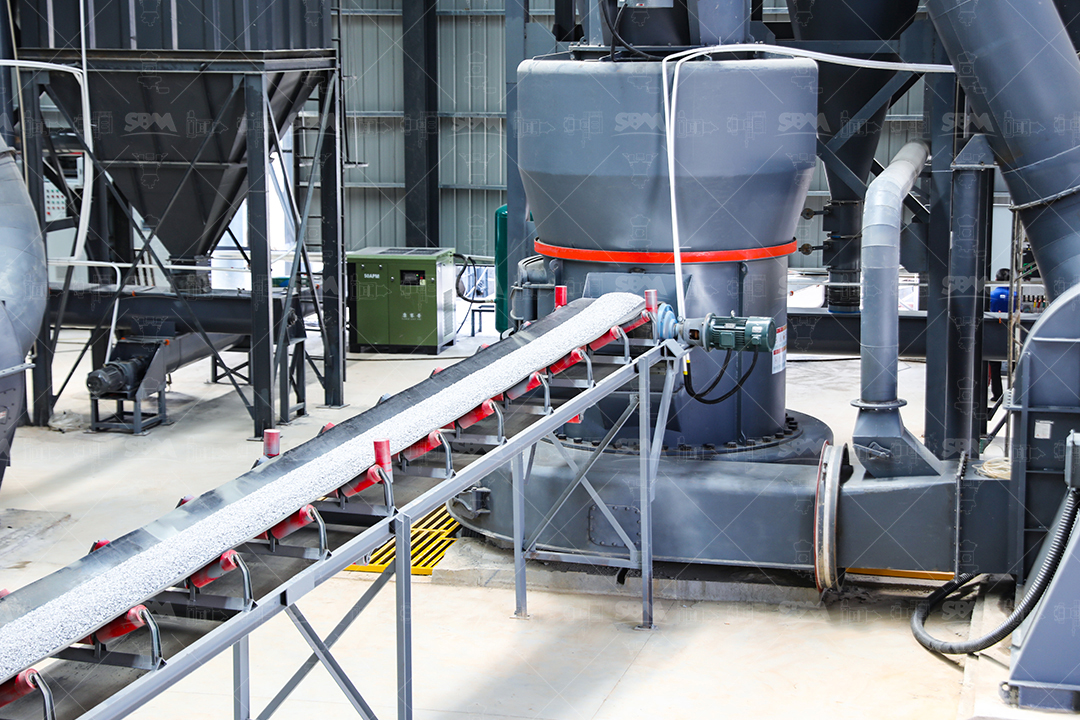
Environmental control systems, particularly the arc air duct design in MTW Mills and the sealed negative pressure systems in LM Vertical Roller Mills, require verification of integrity during idle periods. These systems are essential for maintaining operational efficiency and meeting environmental standards, making their maintenance during downtime crucial for compliance and performance.
The comprehensive approach to idle time maintenance extends beyond immediate equipment concerns to include peripheral systems. Material handling components, dust collection systems, and power transmission elements all benefit from systematic inspection and maintenance during production pauses. This holistic approach ensures complete system readiness when operations recommence.
Documentation and record-keeping during maintenance activities provide valuable data for predicting future maintenance needs and optimizing operational parameters. SBM's equipment monitoring capabilities facilitate this process, enabling maintenance teams to build comprehensive equipment histories that inform future maintenance scheduling and component replacement planning.
Training maintenance personnel during idle periods represents an often-overlooked opportunity. Using downtime for skill development and procedure refinement ensures that teams are prepared to address operational challenges efficiently when production resumes. This investment in human capital complements the technical maintenance activities, creating a comprehensive approach to operational readiness.
Frequently Asked Questions
How often should lubrication systems be checked during extended idle periods?
Lubrication systems should be inspected monthly during extended downtime, with particular attention to oil quality, filter condition, and potential contamination. SBM's inner oil absorption lubrication systems require specific maintenance protocols to prevent degradation.
What is the most critical maintenance task for preventing restart failures?
Comprehensive electrical system diagnostics and control system verification are paramount for preventing restart issues. The automatic control systems in SBM equipment should undergo full functional testing before recommissioning.
How can I prevent material hardening in the grinding chamber during shutdowns?
Thorough cleaning of all grinding components before extended idle periods is essential. For mills processing hygroscopic materials, additional protective measures may be necessary to prevent adhesion and hardening.
What maintenance practices specifically benefit the cone gear transmission system?
Regular inspection of gear tooth engagement, proper lubrication maintenance, and verification of alignment ensure optimal performance of the cone gear whole transmission system in MTW Mills.
How does idle maintenance differ between traditional Raymond mills and vertical roller mills?
Vertical roller mills require additional attention to hydraulic systems and grinding pressure controls, while traditional mills need focused maintenance on transmission systems and classifier mechanisms. SBM's equipment-specific guidelines provide detailed protocols for each mill type.


