

Factors affecting ore mill output
Published Date: October 26, 2023
Ore mill output is influenced by a complex interplay of factors ranging from equipment selection and raw material characteristics to operational parameters and maintenance practices. Understanding these variables is crucial for optimizing productivity and achieving consistent performance in mineral processing operations. Through decades of industry experience and technological innovation, SBM Machinery has identified key determinants that significantly impact grinding efficiency and throughput capacity. This article examines the primary factors affecting mill output and explores how advanced grinding technologies can help operations overcome common challenges while maintaining cost-effectiveness and environmental compliance.
The selection of appropriate grinding equipment represents the foundational decision that establishes the potential output ceiling for any mineral processing operation. Different mill types offer varying capabilities in terms of throughput, fineness control, and energy efficiency. For instance, the MTW Series European Trapezium Grinding Mill incorporates advanced features such as cone gear whole transmission and inner oil absorption lubrication system, enabling outputs ranging from 3 to 40tph with product fineness between 30-400 mesh. Meanwhile, the LUM Ultrafine Vertical Mill achieves higher throughput of 10-70tph while producing ultrafine powders between 325-4000 mesh, making it suitable for high-value mineral applications requiring exceptional fineness control.
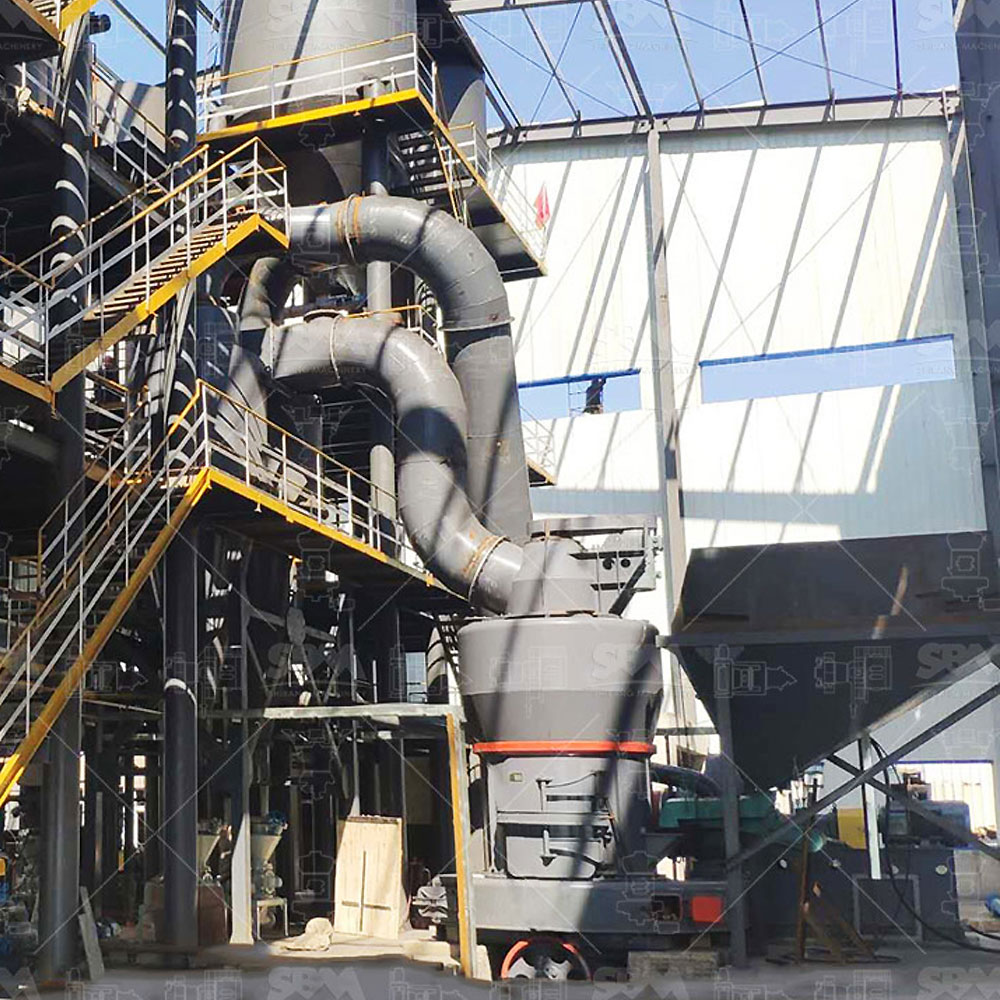
Raw material characteristics constitute another critical factor influencing mill performance. Properties such as hardness, moisture content, abrasiveness, and feed size distribution directly impact grinding efficiency and wear rates. Harder materials require more energy for size reduction and accelerate wear on grinding components, while high moisture content can lead to clogging and reduced throughput. The MTW Series European Trapezium Mill addresses these challenges through its unique wear-proof perching knife design and combined-type shovel blade, which reduces wearing parts costs and extends service life. Similarly, the Ball Mill has been optimized with improved structural design and advanced materials to withstand abrasive materials while maintaining consistent output between 3-65tph.
Operational parameters including grinding pressure, classifier speed, and feed rate require precise control to maintain optimal output levels. Modern mills incorporate intelligent control systems that automatically adjust these parameters based on real-time conditions. The LUM Ultrafine Vertical Mill employs PLC/DCS automatic control systems that ensure accurate control of grinding pressure and classifier speed, resulting in stable operation and consistent product quality. The LM Vertical Roller Mill features an expert automatic control system that enables remote operation and free switching between control modes, reducing labor costs while maintaining output stability.
Energy consumption represents both an operational cost factor and an environmental consideration that indirectly affects sustainable output levels. Advanced grinding technologies have made significant strides in reducing specific energy consumption while maintaining or increasing throughput. The LM Vertical Roller Mill demonstrates 30-40% lower energy consumption compared to traditional ball-milling systems, achieved through direct grinding action where rollers contact materials on the grinding plate. The SCM Series Ultrafine Grinding Mill offers more than twice the capacity of jet mills with 30% lower energy consumption, making it particularly suitable for operations targeting both high output and energy efficiency.
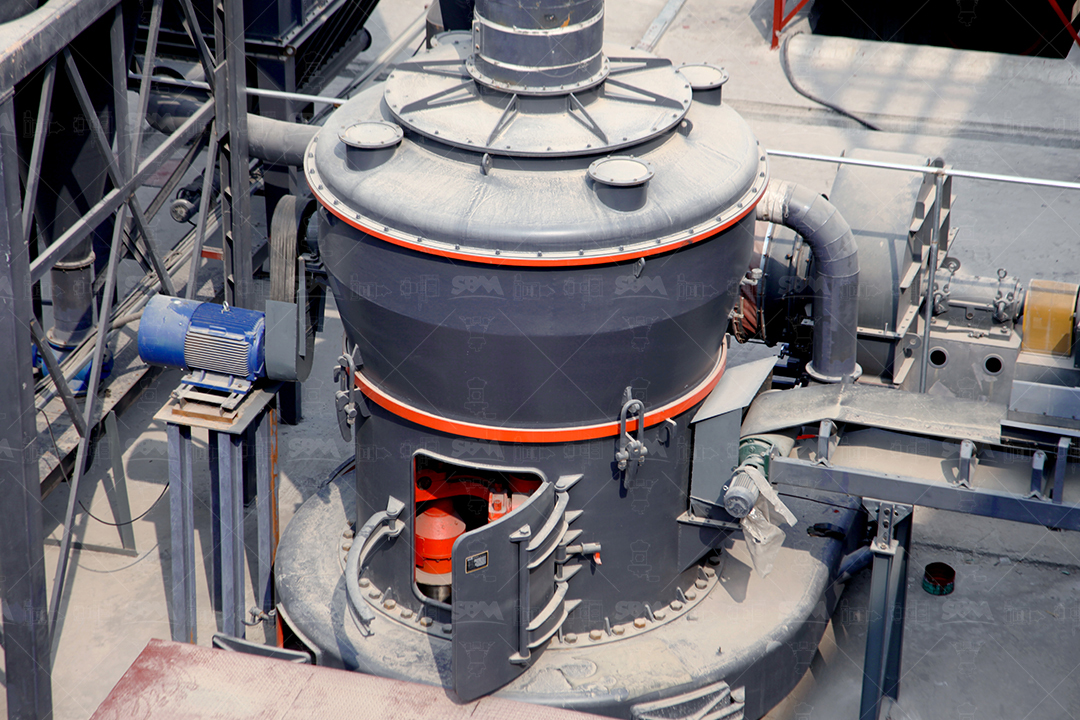
Maintenance practices and component durability significantly influence long-term output consistency and operational costs. Mills designed with wear-resistant materials and accessible maintenance features minimize downtime and preserve output levels. The MTW Series European Trapezium Mill features a curved shovel blade design that prolongs the service life of rollers and rings, while its arc air duct design prevents energy loss and protects working surfaces. The Ball Mill incorporates specially formulated materials that resist wear from metal balls, addressing a common pain point expressed by many operators in the industry.
Environmental considerations have become increasingly important in mill operation, with dust control and noise levels affecting both regulatory compliance and community relations. Modern grinding equipment addresses these concerns through advanced sealing and filtration systems. The LM Vertical Roller Mill operates under negative pressure with complete sealing, preventing dust spillage while maintaining low noise levels through stable operation. The SCM Series Ultrafine Grinding Mill employs efficient double powder collection methods using powder collectors and pulse dust collectors, achieving dust collection efficiency far exceeding international standards.
Ultimately, maximizing ore mill output requires a holistic approach that considers equipment selection, material characteristics, operational parameters, and maintenance strategies. The integration of advanced technologies such as intelligent control systems, wear-resistant materials, and efficient separation mechanisms enables operations to achieve higher throughput with reduced energy consumption and environmental impact. As mineral processing demands continue to evolve, SBM Machinery remains committed to developing grinding solutions that address these multifaceted factors, drawing from extensive global experience serving over 180 countries and regions worldwide.
Frequently Asked Questions
Q: How can we reduce excessive wear on grinding components that frequently requires shutdowns for replacement?
A: Our mills incorporate specialized wear-resistant materials and designs such as the curved shovel blades in the MTW Series that change feeding angles to extend component life, plus special material formulations for rollers and rings that significantly improve durability.
Q: What solutions exist for achieving consistent product fineness when processing materials with varying hardness?
A: Advanced control systems in our vertical mills and ultrafine grinders automatically adjust parameters like grinding pressure and classifier speed to maintain consistent fineness despite material variations, with some models offering frequency-conversion control for precise adjustment.
Q: How can operations address high energy consumption while maintaining or increasing throughput capacity?
A: Technologies like the LM Vertical Roller Mill demonstrate 30-40% energy reduction compared to traditional systems through efficient grinding mechanisms, while maintaining high throughput through integrated crushing, drying, grinding, and separation functions.
Q: What approaches effectively control dust emission and noise levels to meet environmental regulations?
A: Our equipment features complete sealing with negative pressure operation to prevent dust spillage, combined with advanced powder collection systems that exceed international standards, plus optimized sound insulation and mufflers for noise control.
Q: How can we minimize operational costs associated with frequent maintenance and high labor requirements?
A: Designs featuring longer-lasting components, remote control capabilities, and automated systems reduce both maintenance frequency and labor needs. The MTW Series, for example, allows replacement of only specific wear parts rather than entire assemblies, significantly cutting maintenance costs.


