

Calcium carbonate production process
Published: November 15, 2023
The production of high-quality calcium carbonate demands precision engineering and advanced grinding technology to meet diverse industrial requirements. Shanghai SBM Machinery Equipment Co., Ltd. offers comprehensive solutions through its specialized grinding equipment portfolio, including the MTW European Trapezium Mill, LM Vertical Roller Mill, Ultrafine Mill, LUM Ultrafine Vertical Mill, and optimized Ball Mills. These technologies address critical production challenges such as energy efficiency, particle size control, operational costs, and environmental compliance. With over 180 countries served, SBM's equipment enables manufacturers to produce calcium carbonate ranging from coarse fillers to ultra-fine powders for applications spanning plastics, paints, construction materials, and environmental desulfurization.
The calcium carbonate production process begins with raw material preparation, where high-purity limestone is crushed to optimal feed sizes. This initial stage is crucial for ensuring efficient downstream processing. The crushed material then enters the grinding phase, where SBM's equipment demonstrates its technological superiority. The MTW European Trapezium Mill, for instance, incorporates innovative features like cone gear whole transmission and arc air duct design that significantly enhance grinding efficiency while reducing energy consumption. These engineering advancements directly address the industry's persistent challenge of balancing production output with operational costs.
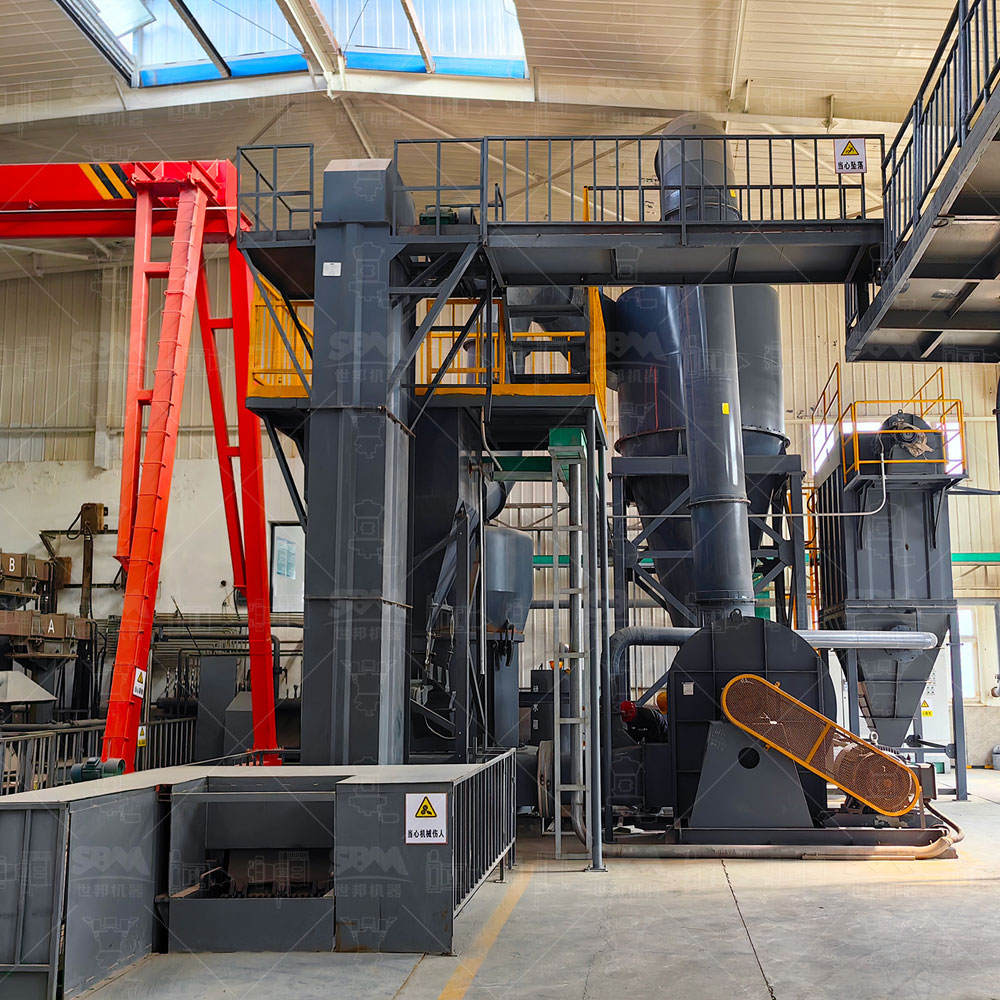
For large-scale production requirements, the LM Vertical Roller Mill presents a compelling solution with its integrated crushing, drying, grinding, and powder separation capabilities. This vertical configuration reduces floor space by approximately 50% compared to traditional ball mill systems while offering 30-40% lower energy consumption. The mill's automatic control system enables remote operation and precise parameter adjustment, ensuring consistent product quality with minimal manual intervention. This becomes particularly valuable in calcium carbonate production where maintaining specific particle size distributions is essential for end-product performance.
When ultra-fine calcium carbonate is required, SBM's Ultrafine Mill and LUM Ultrafine Vertical Mill deliver exceptional performance. The SCM series Ultrafine Mill achieves fineness levels up to 4000 mesh (D97≤5μm) while maintaining energy efficiency that surpasses conventional jet mills by 30%. The LUM Ultrafine Vertical Mill incorporates German powder separating technology and Taiwan grinding roller expertise, making it ideal for high-value applications in plastics, PVC, and artificial stone manufacturing. Both mills feature advanced classification systems that ensure precise particle size control and eliminate coarse powder contamination.
Environmental considerations are integral to modern calcium carbonate production. SBM's equipment addresses this through comprehensive dust collection systems, noise reduction technologies, and sealed operation under negative pressure to prevent material spillage. The MTW Mill's inner oil absorption lubrication system and unique wear-proof perching knife design further contribute to environmental sustainability by extending component lifespan and reducing waste generation. These features help producers meet increasingly stringent environmental regulations while maintaining production efficiency.
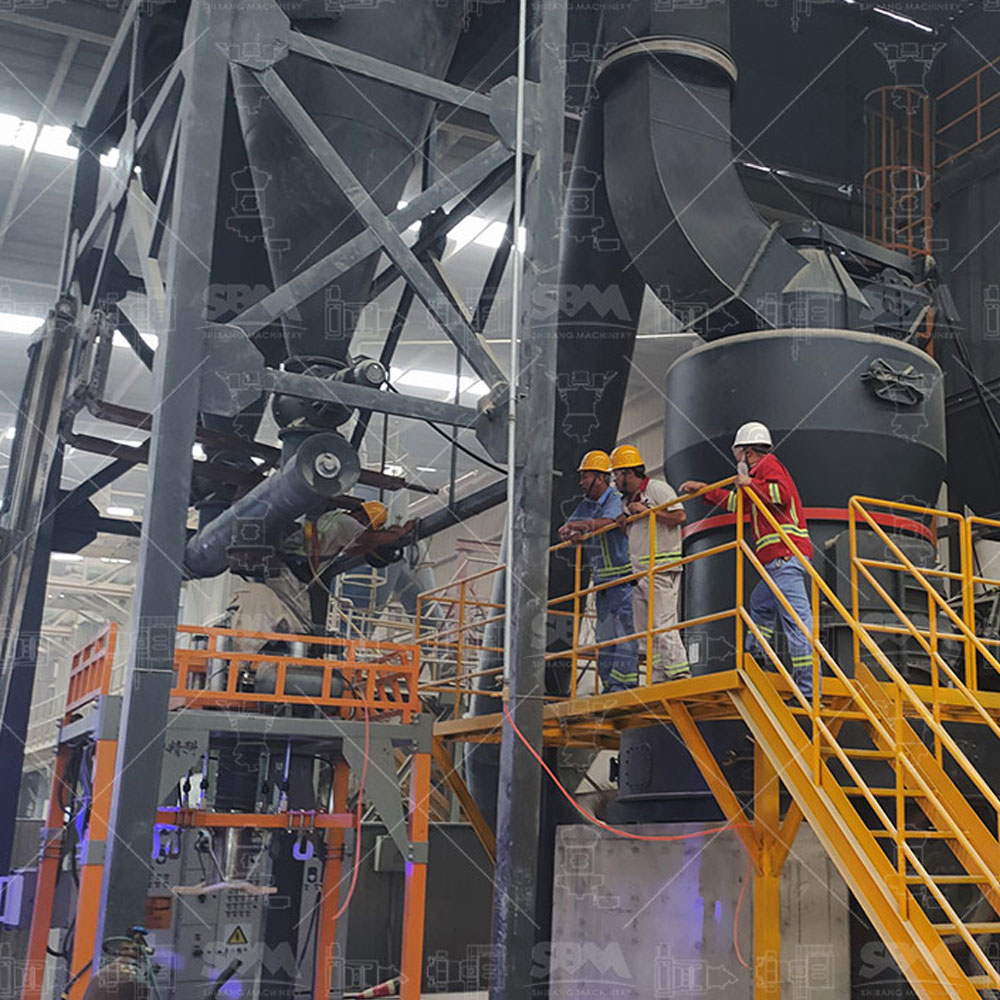
Operational reliability remains a cornerstone of SBM's equipment design. The Ball Mill improvements, including enhanced structural design and wear-resistant materials, address traditional concerns about media consumption and maintenance frequency. Similarly, the Vertical Roller Mill's direct grinding mechanism and high-quality material selection for rollers and grinding plates significantly extend service intervals. This reliability, combined with comprehensive technical support and global service network, ensures continuous operation critical for calcium carbonate producers serving just-in-time manufacturing environments.
The versatility of SBM's grinding solutions allows calcium carbonate producers to adapt to evolving market demands. From construction-grade fillers to pharmaceutical-grade precipitates, the equipment portfolio offers precise control over product characteristics. The integration of PLC/DCS control systems across the product range enables producers to quickly adjust parameters for different product specifications, providing manufacturing flexibility that translates directly to competitive advantage in dynamic markets.
Frequently Asked Questions
What is the optimal grinding solution for producing both coarse and fine calcium carbonate in the same facility?
The MTW European Trapezium Mill combined with the LUM Ultrafine Vertical Mill provides excellent flexibility. The MTW handles coarse to medium grinding (30-400 mesh) efficiently, while the LUM specializes in ultrafine production (325-4000 mesh). This combination allows producers to serve multiple market segments without compromising on efficiency.
How can we reduce energy consumption in our existing calcium carbonate production line?
Consider upgrading to Vertical Roller Mills which typically reduce energy consumption by 30-40% compared to traditional ball mills. The integrated drying and grinding process, combined with advanced transmission systems, significantly lowers overall power requirements while maintaining output quality.
What measures ensure consistent particle size distribution in high-volume production?
SBM mills incorporate advanced powder classification technology, including multi-rotor classifiers and PLC-controlled adjustment systems. These features maintain tight particle size distribution even at maximum capacity, with automatic feedback systems ensuring stable product quality.
How do we address environmental compliance challenges in calcium carbonate grinding?
SBM equipment features comprehensive environmental protection measures including wholly sealed systems operating under negative pressure, efficient dust collection achieving standards above international requirements, and noise reduction technologies that keep operations within regulatory limits.
What maintenance strategies maximize equipment uptime for continuous operations?
Implement predictive maintenance focusing on wear parts monitoring, utilize SBM's wear-proof designs that extend component life, and leverage the automatic control systems for early detection of performance deviations. The modular design of critical components also enables faster replacement during planned maintenance windows.


