

Energy-saving mills are mainstream
Published: October 26, 2023
The global powder processing industry is undergoing a significant transformation, with energy efficiency emerging as the defining characteristic of modern grinding technology. As operational costs and environmental regulations intensify, manufacturers worldwide are shifting from traditional high-consumption equipment to advanced milling solutions that deliver superior performance while minimizing energy waste. Shanghai SBM Machinery Equipment Co., Ltd. has been at the forefront of this revolution, developing a comprehensive portfolio of grinding equipment that sets new benchmarks in sustainability and operational efficiency. With over 180 countries served and decades of specialized experience, SBM's energy-saving mills have become the mainstream choice across power generation, building materials, mining, metallurgy, chemicals, and non-metallic mineral industries.
The transition toward energy-efficient milling represents more than just technological advancement—it signifies a fundamental rethinking of industrial processing economics. Traditional ball mills, while reliable, often consume excessive power and require frequent maintenance, leading to substantial operational expenses. The modern approach integrates intelligent design features that optimize every aspect of the grinding process, from material feeding and particle size reduction to classification and collection. This holistic engineering philosophy has positioned energy-saving mills not as niche alternatives but as the new industry standard for profitable and sustainable operations.
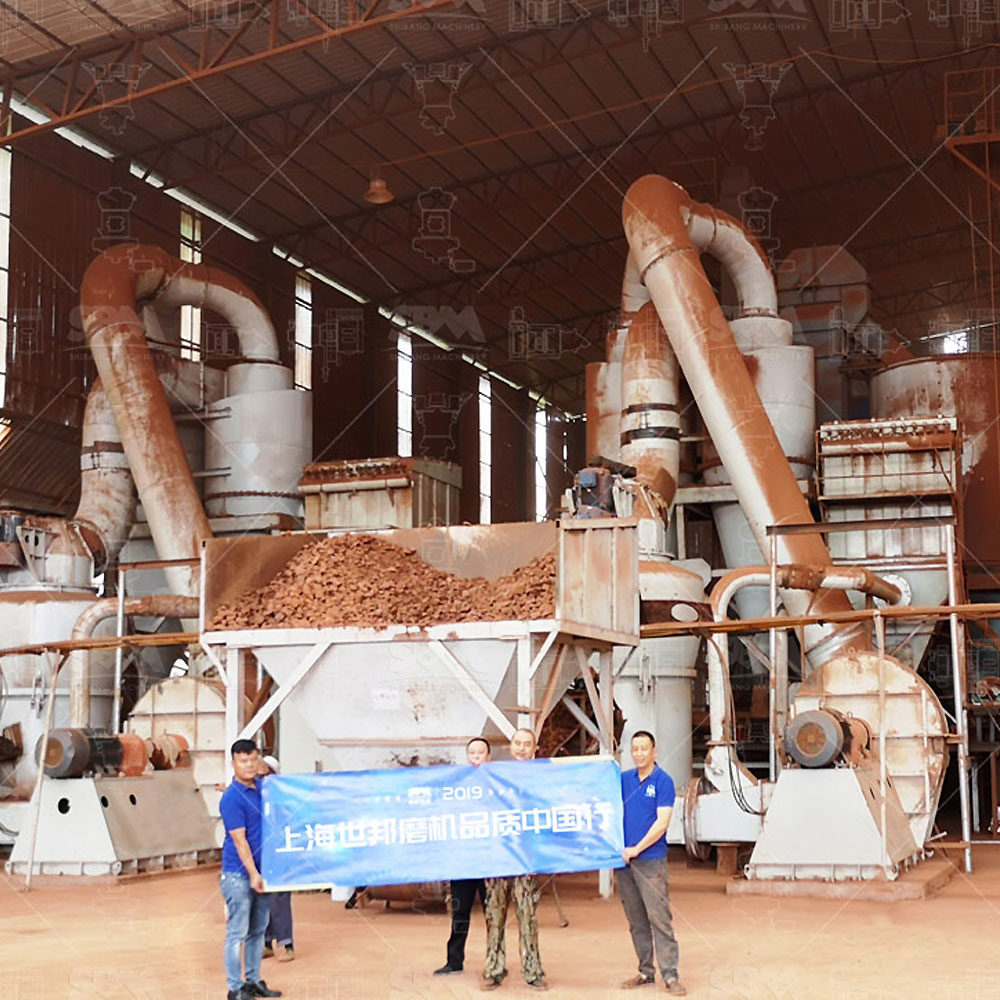
SBM's MTW Series European Trapezium Grinding Mill exemplifies this energy-efficient evolution. Developed through extensive research incorporating feedback from over 9,500 customers worldwide, this mill incorporates groundbreaking features that dramatically reduce energy consumption. The cone gear whole transmission system represents a particular engineering triumph, delivering higher transmission efficiency while saving space and lowering investment costs. Unlike traditional designs that suffer from significant power losses, this integrated transmission ensures that virtually all input energy translates directly into grinding action. The arc air duct design further enhances efficiency by preventing air energy loss and ensuring optimal material transportation throughout the system.
Perhaps the most innovative feature of the MTW mill is its unique wear-proof perching knife design. The combined-type shovel blade not only reduces wearing parts costs but also allows for targeted replacement of only the blade during maintenance. The curved shovel blades are engineered to change the feeding angle dynamically, prolonging the service life of rollers and rings while simultaneously reducing operating costs. This attention to detail extends to the volute design, where an unobstructed wear-resistant configuration improves wind-driven transmission efficiency while minimizing maintenance requirements. With an output range of 30-400 mesh and capacity up to 40tph, the MTW mill demonstrates that high throughput and energy efficiency are not mutually exclusive objectives.
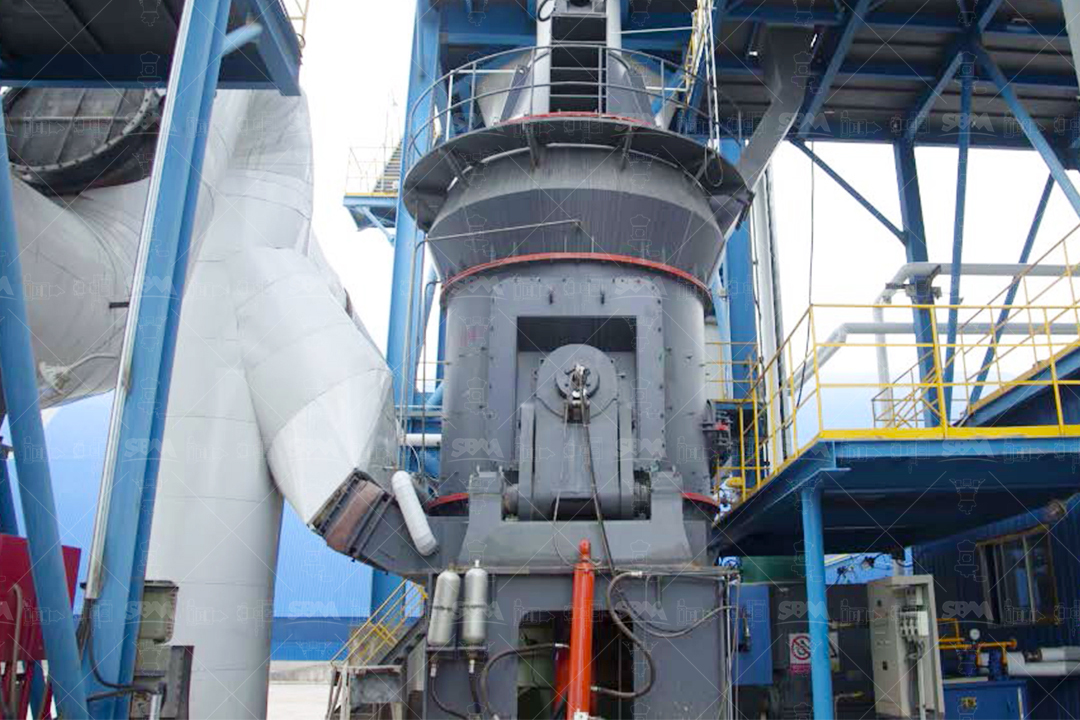
Vertical roller mills represent another cornerstone of the energy-saving revolution, with SBM's LM Vertical Roller Mill setting performance benchmarks across multiple industries. What makes this technology particularly compelling is its integrated approach—combining crushing, drying, grinding, powder separation, and transportation into a single compact system. This consolidation reduces the floor space requirement by approximately 50% compared to traditional ball-milling systems while eliminating the energy losses inherent in multi-equipment processes. The ability to arrange the system outdoors further reduces infrastructure costs, making the LM Vertical Roller Mill an economically and environmentally sound choice.
The operational efficiency of the LM Vertical Roller Mill stems from its fundamental grinding principle: rollers directly grinding materials on the grinding plate without direct contact. This design, combined with high-quality materials for rollers and grinding plates, results in significantly less wear and longer service life. Most impressively, the energy consumption is 30-40% lower than comparable ball-milling systems—a staggering improvement that translates directly to bottom-line benefits. The integrated expert automatic control system adds another layer of efficiency, enabling remote operation and optimizing performance parameters in real-time to maintain peak efficiency under varying conditions.
For applications requiring ultrafine grinding, SBM's LUM Ultrafine Vertical Mill and SCM Ultrafine Mill push the boundaries of what's possible in energy-efficient fine powder production. The LUM mill integrates German powder separating technology with Taiwan's grinding roller expertise to create a system that delivers exceptional fineness (325-4000 mesh) with minimal energy input. The multi-rotor powder classifiers ensure precise particle size distribution without the energy waste common in conventional classification systems. Meanwhile, the SCM Ultrafine Mill achieves outputs more than twice that of jet mills while consuming 30% less energy—a testament to the efficiency gains possible through advanced engineering.
Both ultrafine grinding systems incorporate intelligent control systems that automatically adjust operating parameters to maintain optimal efficiency. The frequency-conversion control enables precise adjustment of finished product specifications while minimizing energy waste. The heavy rotor design and special material selection for rollers and rings ensure durability that translates to consistent performance and reduced maintenance downtime. Environmental considerations are also addressed through efficient powder collection methods and noise reduction technologies that exceed international standards.
Even traditional ball mill technology has been reengineered for the energy-saving era. SBM's optimized ball mills address the historical challenges of high wear rates and excessive energy consumption through improved structural designs and advanced materials. The production of both dry and wet ball mill variants ensures that customers can select the most efficient technology for their specific application, whether producing common powder or processing minerals. This commitment to continuous improvement across all product lines demonstrates that energy efficiency is not limited to new technologies but can be integrated into proven designs through thoughtful innovation.
The environmental benefits of energy-saving mills extend beyond reduced power consumption. The sealed systems operating under negative pressure prevent dust spillover, protecting both workers and the surrounding environment. Low vibration and noise levels further contribute to improved working conditions and reduced environmental impact. As regulatory requirements tighten globally, these features become increasingly valuable, positioning energy-efficient mills as the responsible choice for forward-thinking operations.
Looking forward, the mainstream adoption of energy-saving mills will only accelerate as technology advances and sustainability becomes increasingly integrated into business operations. The integration of IoT capabilities and advanced process optimization algorithms promises even greater efficiency gains in the coming years. For now, the technology represented by SBM's grinding equipment portfolio offers a clear path toward reduced operational costs, improved environmental performance, and enhanced competitiveness in the global market. The era of energy-intensive grinding is giving way to a new paradigm where efficiency and performance coexist—and energy-saving mills are leading this transformation across industries worldwide.
Frequently Asked Questions
How significant are the energy savings with modern grinding mills compared to traditional equipment?
Modern energy-saving mills typically reduce energy consumption by 30-40% compared to traditional ball milling systems. The exact savings depend on the specific application and material being processed, but advanced features like efficient transmission systems, optimized grinding mechanics, and intelligent controls contribute to these substantial reductions in power usage.
What maintenance challenges do energy-saving mills present compared to conventional equipment?
Energy-saving mills are specifically designed to reduce maintenance requirements through features like wear-resistant materials, accessible component replacement, and simplified systems. For example, the MTW European Trapezium Mill's combined-type shovel blade allows replacement of only the worn portion rather than the entire assembly, significantly reducing downtime and maintenance costs.
Can these mills handle the same material variety and throughput as traditional equipment?
Yes, modern energy-saving mills not only match but often exceed the capabilities of traditional equipment. With capacity ranges from 3-400tph depending on the model and output fineness adjustable from coarse grinding to ultrafine powders up to 4000 mesh, these mills demonstrate that efficiency doesn't require compromising on performance or versatility.
How difficult is the transition from conventional milling systems to energy-efficient models?
The transition is straightforward with proper planning. Most energy-saving mills are designed with compatibility in mind, and manufacturers typically provide comprehensive technical support during installation and commissioning. The compact footprint of many modern mills often simplifies integration into existing facilities.
What environmental compliance advantages do energy-saving mills offer?
Beyond reduced energy consumption, these mills feature sealed systems operating under negative pressure to prevent dust emissions, noise reduction technologies, and efficient collection systems that typically exceed international environmental standards. This comprehensive approach to environmental performance helps operations meet increasingly stringent regulatory requirements.


