

2019 hezhou industrial zone trends
Published: October 15, 2019
The Hezhou Industrial Zone in 2019 is witnessing a significant transformation, driven by technological innovation and a heightened focus on sustainable industrial practices. As industries ranging from power generation and building materials to mining and new energy materials seek more efficient and environmentally compliant solutions, advanced grinding equipment has emerged as a critical enabler. This article explores the key trends shaping the zone, highlighting how modern grinding systems—from European Trapezium Mills to Ultrafine Vertical Mills—are addressing core operational challenges. These technologies are not only enhancing productivity and product quality but are also aligning with stringent environmental standards, making them indispensable for companies aiming to maintain competitiveness in a rapidly evolving industrial landscape.
One of the most prominent trends in Hezhou is the shift toward energy-efficient grinding solutions. Traditional mills, such as conventional ball mills, often struggle with high energy consumption and excessive wear, leading to increased operational costs. In response, industries are adopting next-generation equipment like the MTW Series European Trapezium Grinding Mill. This mill incorporates a cone gear whole transmission system, which maximizes transmission efficiency while reducing space requirements and initial investment. Additionally, its inner oil absorption lubrication system and arc air flue design minimize energy loss, ensuring optimal performance. These features are particularly valuable in applications such as environmental desulfurization limestone powder preparation, where consistent output and low operating costs are paramount.
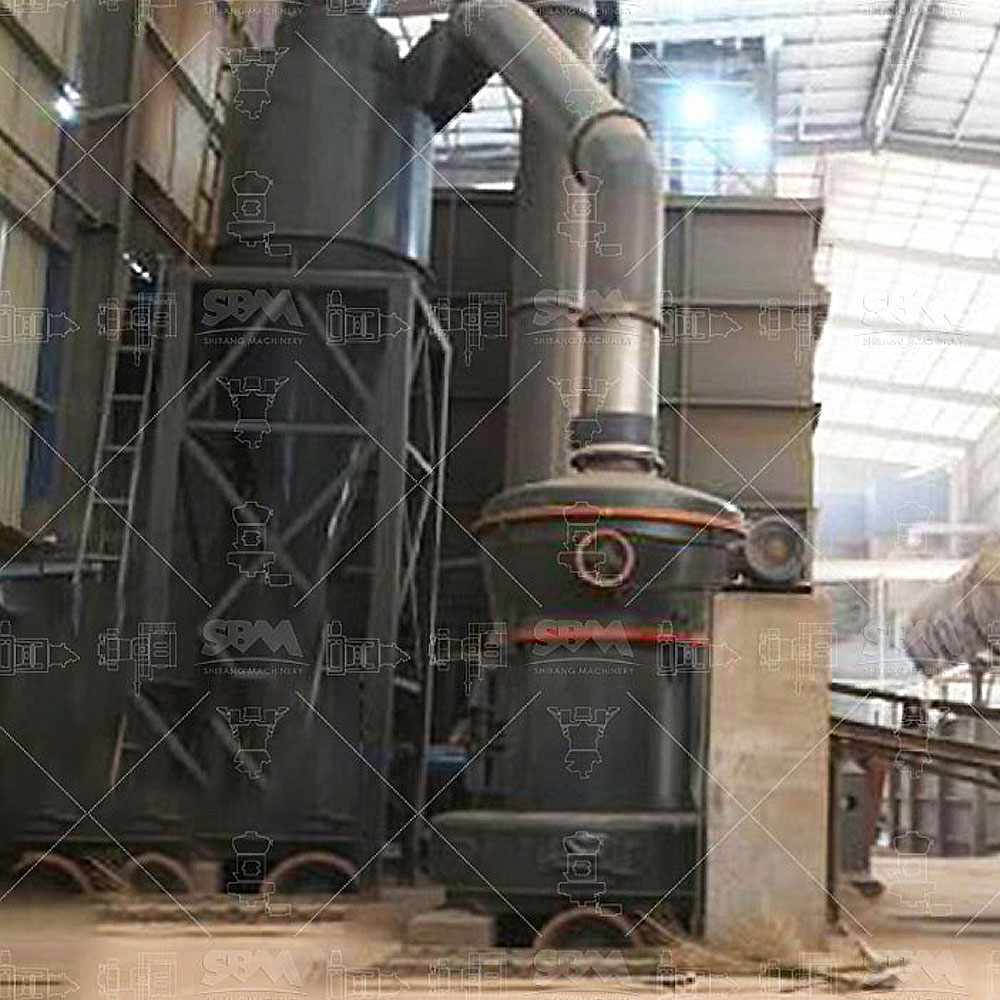
Another trend gaining traction is the integration of vertical roller mills for large-scale projects. The LM Vertical Roller Mill, for instance, has become a mainstream choice in sectors like cement, chemicals, and coal due to its compact design and multifunctional capabilities. By combining crushing, drying, grinding, and powder separation into a single system, it reduces floor space by up to 50% compared to traditional ball-milling setups. This is especially relevant in Hezhou, where industrial real estate is at a premium. Moreover, the mill’s automatic control system allows for remote operation, minimizing labor costs and enhancing process stability. For non-metallic mineral processing—such as heavy calcium carbonate (GCC) production—the LM Vertical Roller Mill’s ability to operate under negative pressure ensures dust-free operations, aligning with the zone’s strict environmental regulations.
The demand for ultrafine grinding solutions has also surged, driven by industries like plastics, PVC, and artificial stone. The SCM Series Ultrafine Grinding Mill, for example, achieves fineness levels of up to 4000 mesh, making it ideal for high-value applications. Its heavy rotor design and efficient turbine powder classifier ensure minimal spillover of coarse particles, resulting in consistently high-quality powders. Similarly, the LUM Ultrafine Vertical Mill leverages advanced separation technology from Germany and Taiwan to deliver customizable fineness ranges. This mill’s intelligent control system, which includes PLC-based adjustments for grinding pressure and classifier speed, provides unparalleled precision. In Hezhou’s growing non-woven fabrics and electric cable sectors, these capabilities are critical for meeting stringent product specifications.
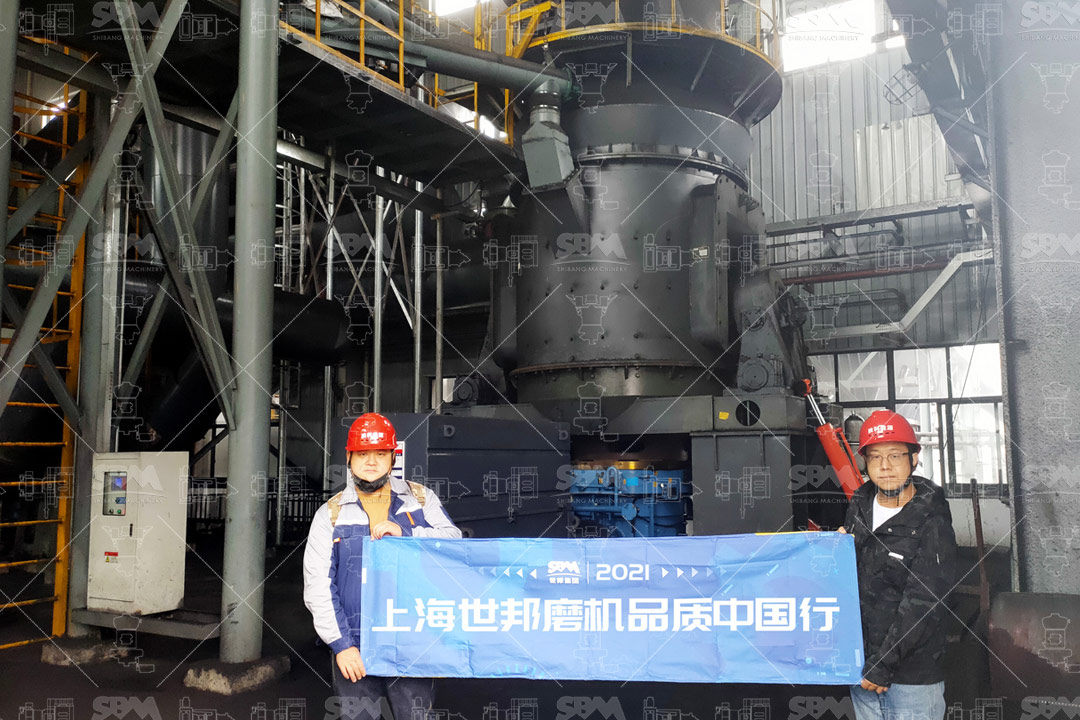
Environmental sustainability remains a cornerstone of Hezhou’s industrial strategy. Grinding equipment with low noise emissions, sealed systems, and efficient dust collection mechanisms is increasingly prioritized. The LUM Ultrafine Vertical Mill, for instance, operates with minimal vibration and noise, while its negative-pressure design prevents dust spillover. Likewise, the SCM Ultrafine Mill incorporates pulse dust collectors and sound insulation rooms, reducing environmental impact. These features not only comply with national standards but also enhance workplace safety—a key consideration for zone administrators and investors alike.
Looking ahead, the adoption of smart grinding systems is set to redefine Hezhou’s industrial capabilities. Equipment with automated feedback loops, frequency-conversion controls, and remote monitoring functionalities are becoming the norm. For instance, the Ball Mill’s optimized structure and use of wear-resistant materials address longstanding issues like ball wear and high energy use. As Hezhou continues to attract investments in new energy materials and advanced ceramics, these innovations will play a pivotal role in driving efficiency, reducing costs, and fostering sustainable growth.
Frequently Asked Questions (FAQs)
1. How can grinding equipment reduce operational costs in mineral processing?
Advanced mills like the MTW European Trapezium Mill and LM Vertical Roller Mill incorporate features such as cone gear transmission and integrated drying systems, which lower energy consumption by up to 40% and reduce wear on components, directly cutting maintenance and utility expenses.
2. What solutions exist for achieving ultrafine fineness (e.g., 2500 mesh) in powder production?
The SCM Ultrafine Grinding Mill and LUM Ultrafine Vertical Mill are designed for high-precision applications, offering adjustable fineness from 325 to 4000 mesh. Their advanced classifier systems ensure consistent particle size distribution without coarse powder spillover.
3. How do grinding systems address environmental concerns like dust and noise pollution?
Equipment such as the LUM Ultrafine Vertical Mill operates under negative pressure with fully sealed designs, preventing dust escape. Additionally, sound insulation rooms and mufflers in models like the SCM Ultrafine Mill keep noise levels below regulatory limits.
4. Can grinding mills handle multiple functions like drying and grinding simultaneously?
Yes, vertical roller mills like the LM series integrate crushing, drying, grinding, and powder separation into a single unit, streamlining processes and saving space—ideal for compact industrial layouts.
5. What measures are in place to ensure grinding equipment stability and longevity?
Features such as heavy rotor designs, wear-resistant rollers, and automatic control systems (e.g., PLC/DCS) in mills like the Ball Mill and LUM Ultrafine Vertical Mill minimize vibration, extend component life, and enable stable, long-term operation.


