

Reducing maintenance for superfine mills
Published: October 26, 2023
Maintenance reduction in superfine milling operations represents one of the most significant opportunities for improving operational efficiency and reducing total cost of ownership. Traditional grinding equipment often suffers from high wear rates, frequent downtime, and complex maintenance procedures that disrupt production schedules and increase operational expenses. Modern mill designs from SBM Machinery address these challenges through innovative engineering solutions that extend component life, simplify maintenance tasks, and incorporate intelligent monitoring systems. By focusing on durability, accessibility, and automation, these advanced mills deliver sustained performance with minimal maintenance intervention, making them ideal for continuous operations in demanding industrial environments.
The evolution of mill technology has shifted from simply achieving finer particle sizes to ensuring operational reliability and maintenance efficiency. SBM's approach integrates multiple maintenance-reducing features across their product range, including specialized wear-resistant materials, optimized mechanical designs, and automated control systems. These innovations collectively address the core maintenance challenges that have plagued traditional milling operations for decades.
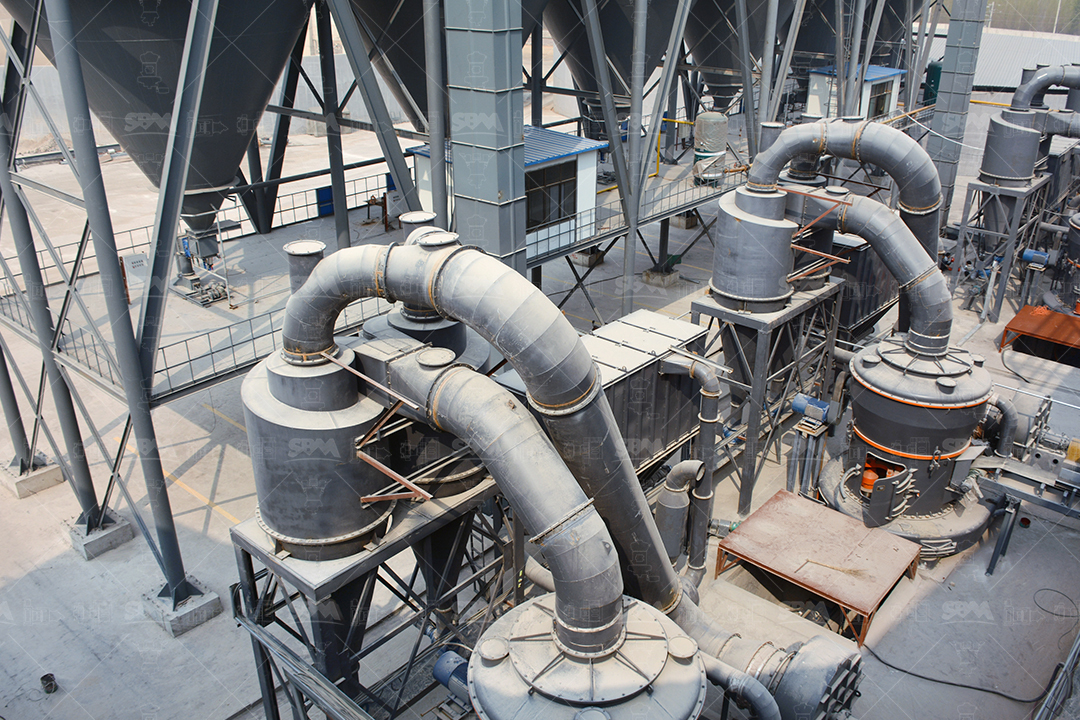
One of the most impactful innovations in maintenance reduction comes from the MTW Series European Trapezium Grinding Mill. Its unique wear-proof perching knife design represents a fundamental improvement over traditional grinding systems. The combined-type shovel blade allows for targeted replacement of only the worn components rather than entire assemblies. This design not only reduces spare parts inventory requirements but also significantly shortens maintenance downtime. The curved shovel blades are engineered to optimize material flow and reduce abrasive wear on critical components, extending the service life of rollers and rings by up to 40% compared to conventional designs.
The cone gear whole transmission system eliminates multiple potential failure points found in traditional transmission arrangements. By integrating the transmission into a single, precision-engineered unit, maintenance requirements are dramatically reduced. The internal oil absorption lubrication system ensures consistent lubrication without external intervention, while the arc air flue design minimizes energy loss and protects critical surfaces from wear. These features collectively create a mill that operates for extended periods with minimal maintenance attention.
Vertical roller mills represent another significant advancement in maintenance-friendly design. The LM Vertical Roller Mill integrates multiple processing functions into a single compact unit, reducing the number of components that require maintenance. The system's layout minimizes material transfer points where wear typically occurs, while the outdoor installation capability eliminates the need for extensive structural supports and access platforms that complicate maintenance activities.
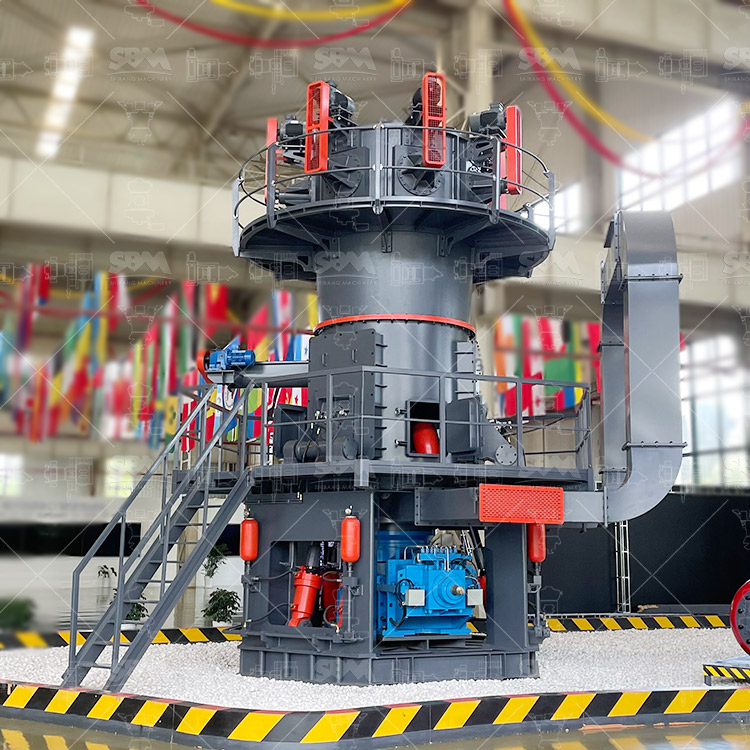
Perhaps the most maintenance-intensive aspect of traditional milling has been the grinding elements themselves. SBM's vertical mills address this through specialized material selection and operating principles. The grinding rollers operate without direct metal-to-metal contact with the grinding plate, significantly reducing wear rates. The use of high-quality materials for these critical components extends their service life while maintaining consistent grinding performance. This design approach, combined with the expert automatic control system, enables the mill to operate optimally with minimal manual intervention.
For ultrafine applications, the SCM series ultrafine grinding mill incorporates several maintenance-reducing features. The heavy rotor design and precise balancing ensure vibration-free operation, which dramatically reduces mechanical stress on components. The absence of bearing screws in the grinding chamber eliminates a common failure point in traditional designs. The roller and ring materials are specially formulated to withstand the extreme conditions of ultrafine grinding, providing service life several times longer than conventional materials.
The LUM Ultrafine Vertical Mill takes maintenance reduction even further through advanced separation technology and intelligent control systems. The multi-rotor powder classifiers operate without the wear issues common in traditional separator designs, while the PLC/DCS automatic control system continuously monitors and optimizes operating parameters. This proactive approach to maintenance allows operators to address potential issues before they escalate into equipment failures.
Ball mill technology has also seen significant maintenance improvements through optimized structural designs and advanced materials. The traditional challenges of ball wear and high energy consumption have been addressed through specialized lining designs and grinding media formulations. The availability of both dry and wet configurations allows operators to select the most maintenance-appropriate technology for their specific application requirements.
Across all mill types, the integration of automated monitoring and control systems represents perhaps the most significant maintenance advancement. These systems continuously track operating parameters, alert operators to developing issues, and can even automatically adjust operations to prevent equipment damage. The ability to switch between remote and local control enhances operational flexibility while reducing the need for physical presence during routine operations.
The environmental benefits of modern mill designs also contribute to reduced maintenance requirements. Sealed systems operating under negative pressure prevent dust ingress that can damage mechanical components, while advanced dust collection systems protect both equipment and workplace environment. Low-vibration operation reduces structural stress on both the mill and supporting infrastructure.
In conclusion, the systematic approach to maintenance reduction embodied in SBM's grinding equipment portfolio demonstrates how thoughtful engineering can transform operational reliability. By addressing wear, accessibility, monitoring, and control as integrated challenges, these mills deliver unprecedented levels of operational continuity with minimal maintenance intervention. The result is equipment that not only produces superior product quality but does so with remarkable efficiency and reliability.
Frequently Asked Questions
What is the typical maintenance interval for roller and ring replacement in superfine mills?
Maintenance intervals vary by application and material processed, but advanced mills featuring specialized wear-resistant materials typically operate for 6,000-8,000 hours between major component inspections. The actual replacement frequency depends on material abrasiveness and operating conditions.
How does the automated control system reduce maintenance requirements?
Intelligent control systems continuously monitor critical parameters like grinding pressure, temperature, and vibration. They can automatically adjust operations to prevent excessive wear and alert operators to developing issues before they cause equipment damage, significantly reducing unplanned downtime.
What measures are taken to prevent dust-related maintenance issues?
Modern mills employ completely sealed systems operating under negative pressure, combined with efficient double powder collecting methods. This prevents dust ingress into mechanical components and eliminates the maintenance issues associated with dust contamination.
How accessible are components for routine maintenance tasks?
Designs prioritize maintenance accessibility with modular components, external lubrication systems, and strategic access points. The combined-type shovel blade design in trapezium mills, for example, allows replacement of individual wear parts without disassembling entire assemblies.
What training is provided for maintenance personnel?
Comprehensive training covers both operational principles and maintenance procedures, focusing on preventive maintenance strategies, diagnostic techniques, and proper component replacement procedures to ensure optimal equipment longevity.


