

Stability of raymond mills for stone powder
Published: October 26, 2023
In the demanding world of mineral processing, the stability of grinding equipment is not merely a feature—it is the cornerstone of operational success. For producers of stone powder across industries like construction materials, mining, and chemicals, equipment downtime, inconsistent fineness, and high maintenance costs directly impact profitability and product quality. This article explores the critical factors that define mill stability and how modern engineering advancements, exemplified by SBM Machinery's grinding solutions, address these core challenges to deliver reliable, continuous, and cost-effective production.
The quest for stability begins with the fundamental design philosophy. Traditional grinding mills often suffer from inherent vibration, premature wear of critical components, and inefficient material flow, leading to frequent interruptions. At SBM Machinery, stability is engineered into the equipment from the ground up. Take the MTW Series European Trapezium Grinding Mill as a prime example. Its cornerstone is the Cone Gear Whole Transmission system. This integrated bevel gear design eliminates the instability caused by traditional gearbox and belt drives, ensuring smoother power transmission with higher efficiency and significantly reduced vibration. This foundational stability translates directly into longer service life for all moving parts and more consistent product output.
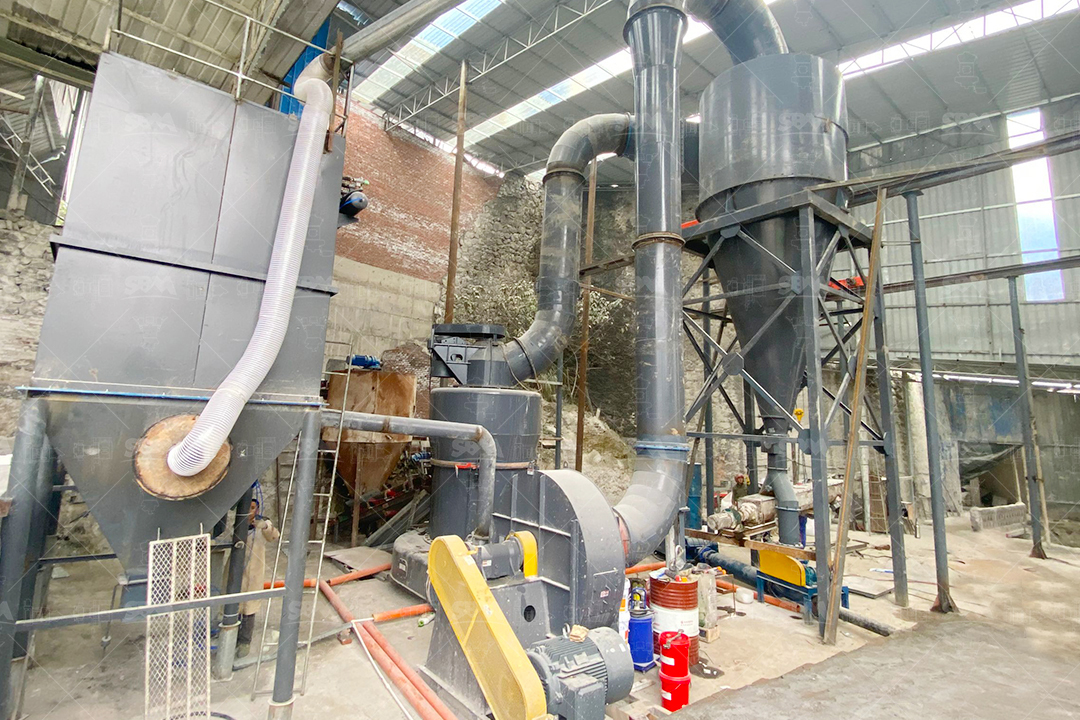
Beyond transmission, material handling within the mill is pivotal. The patented Arc Air Duct in the MTW mill is a masterstroke in aerodynamic stability. Unlike sharp-angled ducts that cause turbulent airflow and energy loss, the smooth, circular duct ensures an unobstructed path for powder-laden air. This minimizes pressure drops, prevents material settling and blockages, and guarantees efficient transportation to the collector. This design, protected by a high-strength guard plate, maintains its integrity over time, ensuring the stability of the entire internal airflow system cycle after cycle.
Wear management is perhaps the most tangible test of a mill's stability. Unplanned shutdowns for part replacement are a primary client pain point. SBM addresses this through intelligent design and material science. The Unique Wear-Proof Perching Knife (Shovel Blade) in the MTW mill features a combined-type design. Only the blade itself needs replacement during maintenance, drastically reducing downtime and spare parts inventory costs. Furthermore, the curved design optimizes the feeding angle, gently guiding material onto the grinding ring to reduce abrasive impact and extend the life of the roller and ring assembly. This proactive approach to wear translates into predictable maintenance schedules and unwavering operational stability.
For applications demanding ultra-fine stone powder, stability faces even greater challenges due to increased grinding forces and precision requirements. Here, the LUM Ultrafine Vertical Roller Mill and SCM Ultrafine Mill showcase stability through structural integrity and intelligent control. The LUM mill's grinding curves for the roller and lining plate are meticulously designed based on ultrafine pulverization principles. This promotes the stable formation of a material bed, which is essential for efficient grinding and protects the components from metal-to-metal contact. Similarly, the heavy rotor design and tight balance testing in the SCM mill ensure the grinding chamber operates with minimal vibration, a critical factor for achieving and maintaining fineness levels up to 4000 mesh.
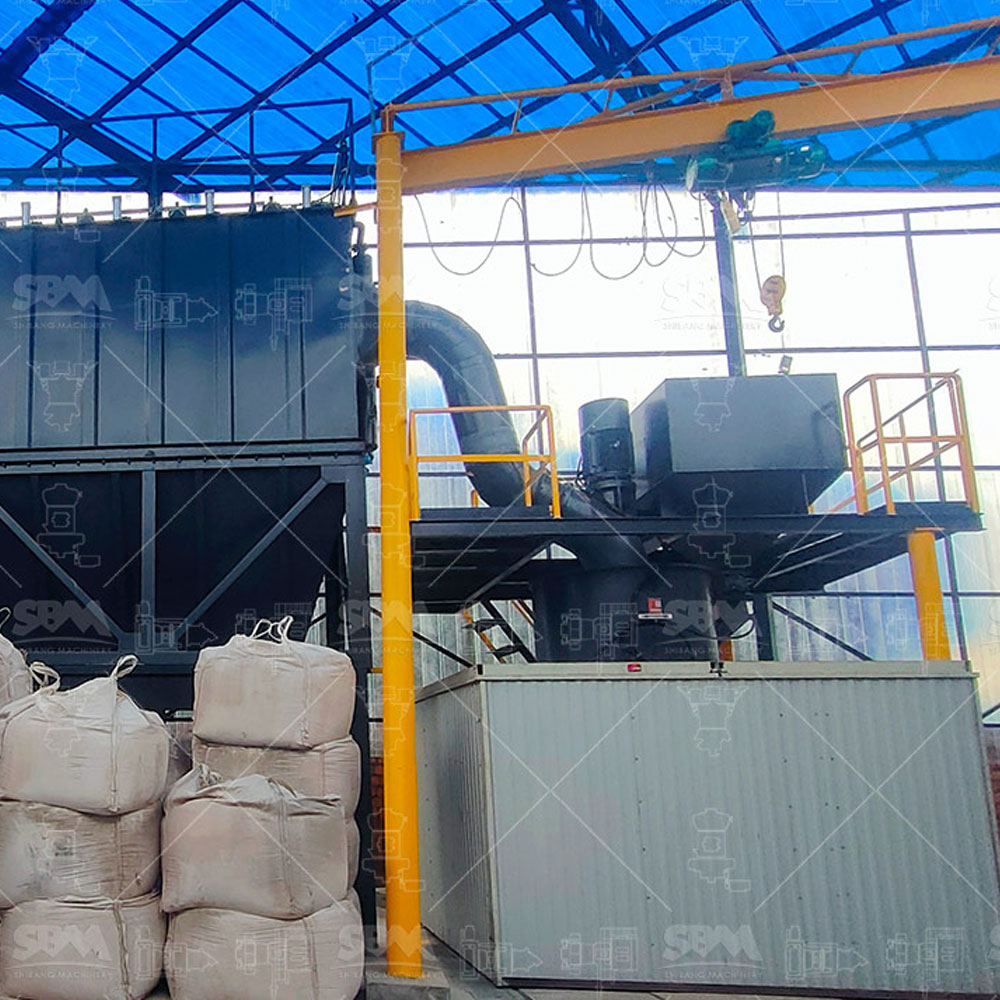
True modern stability is also digital. Both vertical roller mills and advanced ultrafine mills from SBM are equipped with sophisticated PLC/DCS Automatic Control Systems. These systems provide precise, real-time control over critical parameters such as grinding pressure, classifier speed, and feed rate. This automation ensures the process remains within optimal parameters, compensating for minor variations in feed material. The result is remarkable consistency in product fineness and a stable, efficient operation that can be monitored and adjusted remotely, reducing human error and labor costs.
Finally, environmental stability cannot be overlooked. A mill that leaks dust or operates with excessive noise creates an unstable and non-compliant work environment. SBM's grinding systems are designed for full-sealed, negative-pressure operation. This means the entire milling process is contained, with no dust spillage, ensuring a clean plant and protecting worker health. Coupled with optimized sound insulation, this design philosophy ensures the equipment's operational stability aligns with environmental and safety standards, providing peace of mind alongside performance.
In conclusion, the stability of a Raymond mill for stone powder production is a multi-faceted achievement. It is delivered not by a single component but through a holistic integration of robust mechanical design, wear-mitigating innovations, intelligent automation, and environmental consciousness. For global clients seeking a dependable partner to build a stable foundation for their powder processing operations, the focus must be on solutions that prioritize these engineered pillars of reliability, ensuring continuous production, superior product quality, and long-term operational economy.
Frequently Asked Questions (FAQs)
- How does your mill design prevent unexpected vibration that leads to premature bearing failure and unplanned stops?
Our mills, like the MTW Series, utilize integrated drive systems (e.g., Cone Gear Whole Transmission) and undergo rigorous dynamic balancing. This minimizes vibrational forces at the source, protecting bearings and ensuring smooth, continuous operation for extended periods. - We experience rapid wear on grinding rollers and rings, increasing our part replacement frequency and cost. How is this addressed?
We employ special alloy materials for rollers and rings and design features like curved shovel blades (MTW Mill) or optimized grinding curves (LUM Mill). These reduce abrasive impact and promote material-bed grinding, significantly extending component service life and stabilizing maintenance costs. - Can your mills maintain consistent powder fineness (e.g., 400 mesh or 2500 mesh) over long production runs despite minor feed variations?
Yes. Our advanced models feature intelligent PLC control systems that automatically adjust key parameters like classifier speed and grinding pressure in real-time. This feedback loop ensures the target fineness is locked in, delivering stable product quality regardless of minor input fluctuations. - Our current mill has frequent blockages in the air duct, causing downtime. How is powder transportation stabilized?
The Arc Air Duct design in our MTW Mill features a smooth, circular geometry with no dead corners. This eliminates turbulent airflow, prevents material accumulation, and ensures stable, efficient pneumatic transportation of the finished powder to the collection system. - How do you ensure environmental compliance and operational stability regarding dust control in the long term?
Our grinding systems are designed as fully sealed units operating under negative pressure. This means any potential leak is inward, preventing dust spillage entirely. Coupled with efficient bag filter or pulse dust collectors, this provides a stable, clean, and consistently compliant working environment.


