

Controlling fineness in superfine mills
Published on: October 26, 2023
In the demanding world of superfine powder processing, achieving precise and consistent particle fineness is the cornerstone of product quality, process efficiency, and operational profitability. This critical control parameter directly impacts downstream applications, material reactivity, and overall system performance. For operators, the challenges are multifaceted: balancing high output with stringent fineness targets, managing escalating energy costs, minimizing wear on critical components, and ensuring environmental compliance. This article explores the technological principles behind fineness control in advanced grinding systems and examines how SBM Machinery's engineered solutions—from the high-capacity MTW European Trapezium Mill to the ultra-precise LUM Ultrafine Vertical Mill—are designed to address these core industrial pain points, offering reliable, adjustable, and efficient pathways to superior product specifications.
The quest for finer powders drives innovation in mill design. At its heart, fineness control is governed by several interconnected factors: grinding mechanics, classification efficiency, airflow dynamics, and system intelligence. Traditional mills often struggle with limitations in one or more of these areas, leading to inconsistent product size distribution, high recirculation loads, and excessive energy waste. Modern superfine mills must integrate these elements seamlessly.
A primary differentiator in advanced systems is the precision of the powder classifier or separator. This component is responsible for sorting ground particles, allowing only those meeting the target fineness to exit as product, while coarse material is returned for further grinding. SBM's mills, such as the LUM Ultrafine Vertical Mill and the SCM Ultrafine Mill, employ sophisticated multi-rotor or high-efficiency turbine classifiers. These systems enable precise "cut-point" adjustment, ensuring a sharp particle size distribution and preventing coarse powder spillover. The result is a more uniform product and improved grinding circuit efficiency.
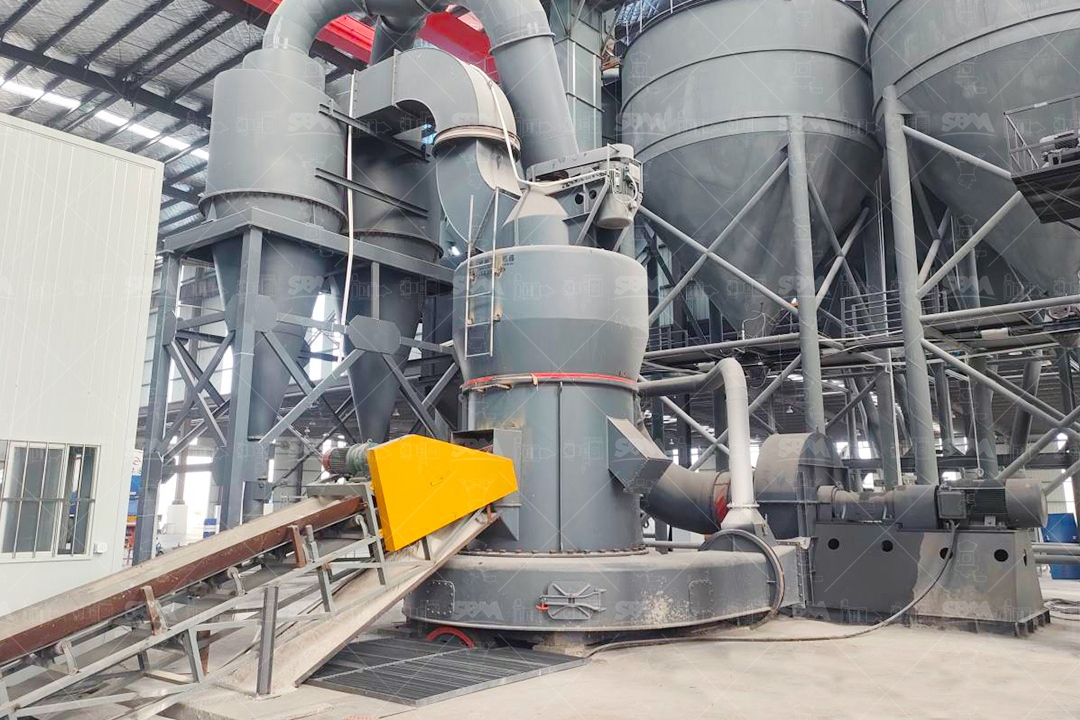 The design of the grinding mechanism itself is equally crucial. Wear patterns on rollers, rings, or liners can gradually degrade fineness control. SBM addresses this through material science and intelligent design. For instance, the MTW European Trapezium Mill features a unique curved shovel blade and wear-proof design that maintains an optimal feeding angle into the grinding zone, prolonging the life of rollers and rings for consistent performance. Similarly, the Ball Mill solutions utilize optimized structural designs and advanced materials to combat the traditional pain point of rapid media wear, thereby stabilizing output fineness over longer operational periods.
System integration and automation represent the next frontier in reliable fineness management. Manual adjustments are prone to error and lag. SBM's vertical roller mills and ultrafine mills are equipped with expert automatic control systems (PLC/DCS). These systems continuously monitor and automatically adjust key parameters such as grinding pressure, classifier speed, and feed rate in real-time. This not only stabilizes the product fineness against feed material fluctuations but also optimizes energy consumption. The LM Vertical Roller Mill, for example, integrates crushing, drying, grinding, and separation in a single compact unit, with automation ensuring all stages work in harmony to meet the target specification while reducing energy use by 30-40% compared to traditional ball milling systems.
Energy consumption is intrinsically linked to fineness targets; pushing for finer powders typically demands more power. Therefore, efficiency is non-negotiable. Technologies like the cone gear whole transmission in the MTW Mill minimize mechanical energy loss, while the arc air duct design ensures efficient pneumatic transport without turbulence or pressure drop. The LUM Ultrafine Vertical Mill leverages its unique grinding curve design to promote stable material bed formation, which enhances grinding efficiency and increases the yield of on-spec product from the first pass, reducing wasteful recirculation.
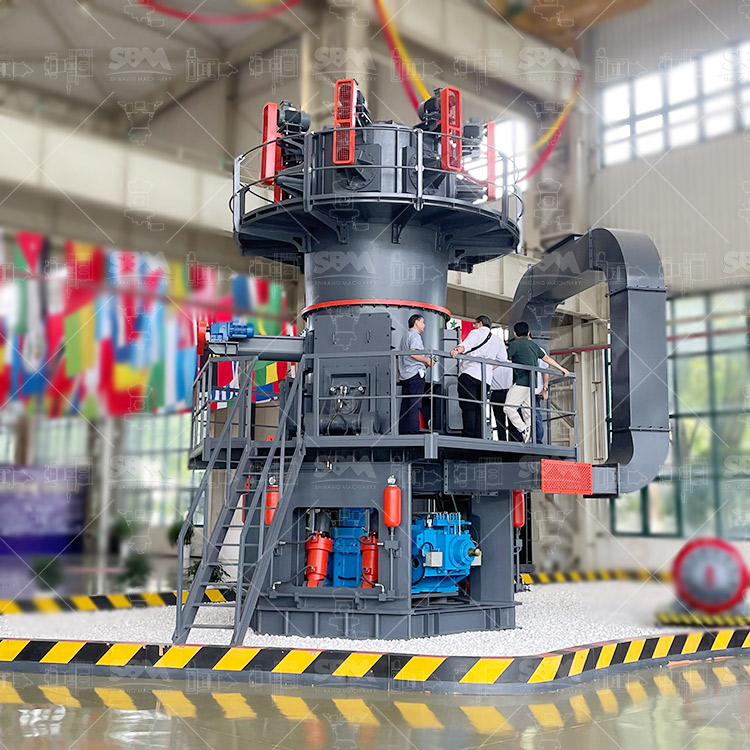 Finally, achieving precise fineness must not come at the cost of the working environment. Dust emission and noise are significant concerns. SBM's grinding systems are engineered for closed-circuit, negative-pressure operation. This design, combined with efficient pulse dust collectors, ensures that the pursuit of ultra-fine powders (up to 4000 mesh) remains clean and compliant with international environmental standards, addressing a critical operational and regulatory pain point for plant managers.
In conclusion, controlling fineness in superfine mills is a complex engineering challenge that requires a holistic approach. It is not merely about achieving a one-time high fineness but about maintaining it consistently, efficiently, and cleanly over the long term. By focusing on advanced classification, wear-resistant grinding mechanics, intelligent automation, and systemic energy efficiency, SBM Machinery provides tailored solutions that transform fineness control from a persistent challenge into a reliable, optimized process driver for industries ranging from chemicals and new energy materials to non-metallic minerals and beyond.
Frequently Asked Questions (FAQs)
Q1: We frequently need to switch between different product fineness specifications. How quickly and easily can your mills adjust?
A: Our mills equipped with advanced classifiers and PLC control systems, like the LUM and SCM series, allow for rapid fineness adjustment. Changes are typically made via the control system interface, adjusting the classifier rotor speed. This process is swift and stable, minimizing transition time and off-spec product generation compared to manual mechanical adjustments.
Q2: Wear parts replacement is a major downtime and cost issue for us. How do your mills address this?
A: We design for durability and easy maintenance. For example, the MTW Mill's combined-type shovel blade allows for replacing only the blade, not the entire holder. Our vertical roller mills use high-quality materials for rollers and plates, and their design minimizes direct metal-to-metal contact, significantly extending service life and reducing the frequency and cost of replacements.
Q3: Our power costs are soaring. Can your high-finesse mills also be energy efficient?
A: Absolutely. Efficiency is a core design principle. Technologies like integral gear drives, optimized grinding kinematics (e.g., material bed grinding in vertical mills), and high-efficiency classifiers directly reduce kWh consumption per ton of product. Many of our mills report 30-40% lower energy use compared to traditional systems while achieving superior fineness.
Q4: We target very fine powders (e.g., above 2500 mesh). Is consistent production at this level possible without constant operator intervention?
A: Yes. Our ultrafine mills (SCM & LUM) are specifically engineered for this range. The key is the integration of high-precision classifiers with intelligent control systems. The PLC automatically maintains optimal parameters for the target fineness, ensuring consistent D97 values even at 2500 mesh, with stable operation and minimal manual oversight.
Q5: Dust control is a strict requirement at our site. Can your superfine grinding systems contain the fine powder effectively?
A: Yes. All our modern mill systems, especially the vertical and ultrafine mills, operate under fully sealed, negative-pressure conditions. This prevents dust escape at the source. Coupled with high-efficiency powder collection systems (like dual cyclones and pulse bag filters), they achieve dust emission levels that meet or exceed stringent international environmental standards.


