

Causes of decreasing powder yield
Published on: October 26, 2023
A decline in powder production yield is a critical concern in mineral processing and powder manufacturing, directly impacting operational efficiency and profitability. This decrease can stem from a complex interplay of equipment inefficiency, suboptimal process parameters, and material characteristics. For operators, pinpointing the root cause—be it excessive wear of grinding components, inadequate classification, improper feed size, or system-level energy losses—is essential for corrective action. Modern grinding technology, such as advanced vertical roller mills and ultrafine grinding systems, offers integrated solutions designed to mitigate these yield-reducing factors through intelligent design, superior wear resistance, and precise process control. This article explores the primary technical causes of diminishing powder output and examines how engineered grinding solutions can restore and enhance production performance.
One of the most prevalent culprits behind falling yield is the wear and tear of critical grinding components. In traditional mills, direct metal-to-metal contact between rollers/balls and grinding rings/liners leads to gradual degradation. This wear alters the grinding geometry, reduces grinding pressure and efficiency, and increases the gap through which unprocessed material can escape. The result is a higher proportion of unqualified, coarse particles in the output and a lower yield of the desired fine powder. SBM's equipment addresses this through innovative material science and design. For instance, the MTW European Trapezium Mill features a unique wear-proof combined shovel blade. This design allows for the replacement of only the blade segment, significantly reducing downtime and maintenance costs while maintaining optimal feed angle and material bed formation for consistent grinding action.
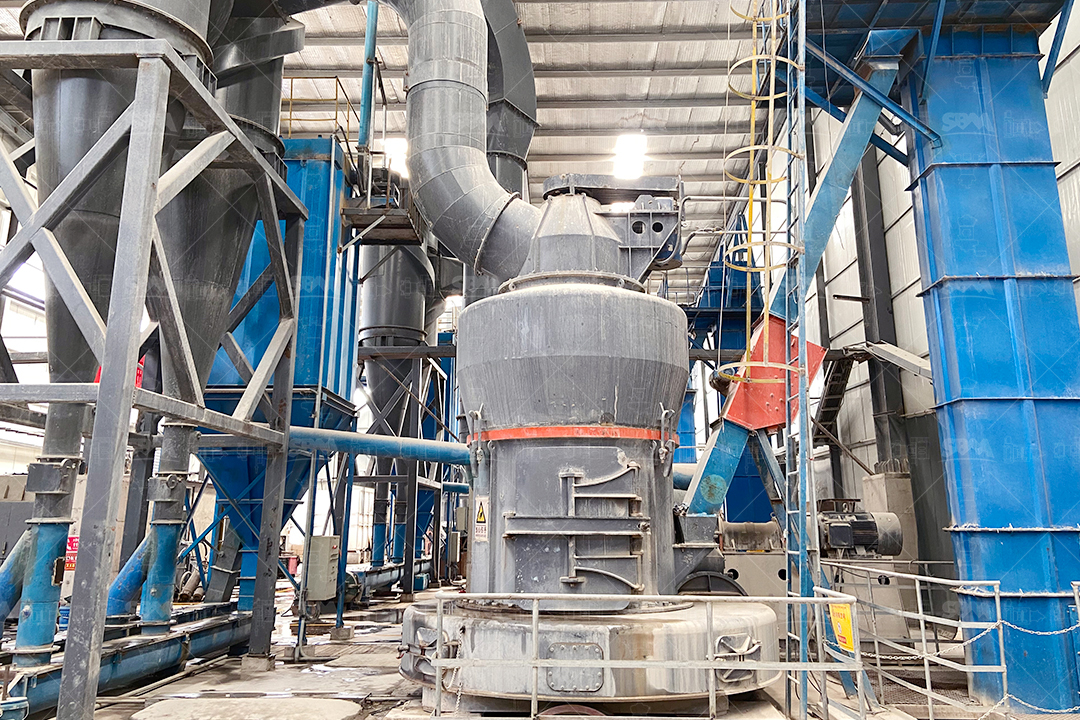
Beyond mechanical wear, inefficient material and airflow dynamics within the mill system are major yield killers. Poorly designed internal ducts can cause turbulent airflow, leading to energy loss and inefficient transportation of fine powder to the classifier. This can cause material recirculation, over-grinding of fines, or premature ejection of coarse particles. Furthermore, an ineffective powder separation system fails to accurately cut the particle size, allowing coarse powder to contaminate the final product or sending fine powder back for unnecessary regrinding. SBM's mills incorporate advanced aerodynamics and separation technology. The arc air duct design in the MTW mill ensures smooth, low-resistance airflow, minimizing energy loss. More critically, the LUM Ultrafine Vertical Mill and SCM Ultrafine Mill employ high-efficiency turbine classifiers or multi-rotor classifiers. These systems provide precise particle size切割, ensuring that only达标 powder is collected as product, thereby maximizing yield and product quality.
Operational parameters and system design play an equally decisive role. An improper feed size (too large or inconsistent) overloads the grinding mechanism, while incorrect grinding pressure, roller speed, or classifier转速 can throw the entire process off balance. Manual control systems are particularly vulnerable to these fluctuations, leading to unstable operation and variable yield. The shift towards integrated, automated systems is a game-changer. SBM's Vertical Roller Mill and LUM Ultrafine Vertical Mill are equipped with expert automatic control systems (PLC/DCS). These systems continuously monitor and adjust key parameters like grinding pressure and classifier speed in real-time. This intelligent control maintains the mill at its optimal working point, ensuring stable operation, consistent product fineness, and maximized yield with minimal human intervention.
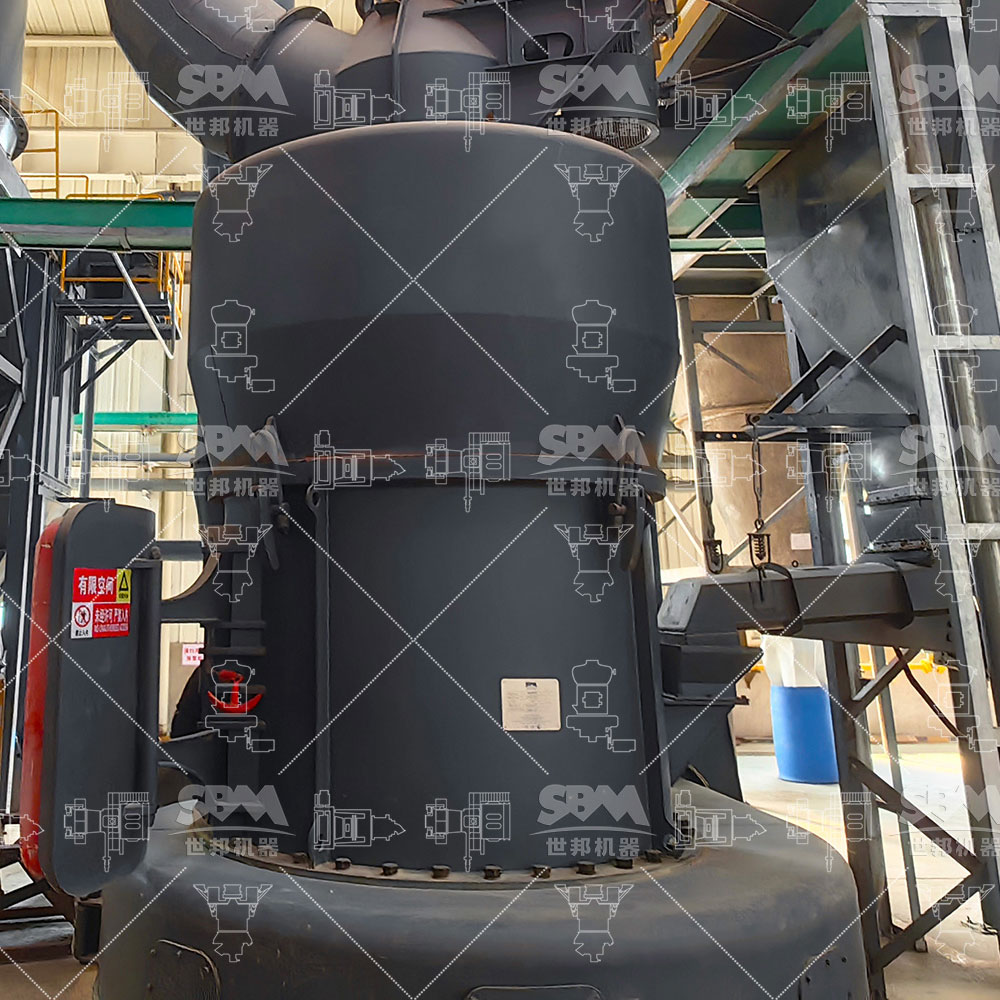
Finally, the inherent limitations of older mill technology impose a hard ceiling on potential yield. Traditional ball mills, while robust, are notorious for high energy consumption (with much energy wasted as heat and noise) and relatively low grinding efficiency. Their simple crushing mechanism is less effective for producing ultra-fine powders, leading to lower yields in high-value applications. Modern mills are engineered as total system solutions. The LM Vertical Roller Mill, for example, integrates crushing, drying, grinding, and separation into a single, compact unit. Its grinding principle—where rollers directly grind material on a plate—is far more energy-efficient, reducing specific energy consumption by 30-40% compared to ball mills. This efficiency directly translates to higher output for the same energy input, effectively boosting yield. Similarly, the high-efficiency design of ultrafine mills allows them to achieve yields and fineness levels unattainable for standard Raymond mills, opening new possibilities in specialty mineral markets.
In conclusion, decreasing powder yield is a multifaceted challenge, but it is not an insurmountable one. It signals an opportunity to audit the grinding process, from feed material to final collection. The solution often lies in transitioning from reactive component replacement to adopting a proactively optimized grinding system. By leveraging technological advancements in wear protection, aerodynamic design, precision classification, and intelligent automation—as embodied in SBM's portfolio of MTW, LM, LUM, and SCM series mills—operators can not only diagnose and rectify yield loss but also unlock new levels of production efficiency, product quality, and operational stability.
Frequently Asked Questions (FAQs)
Q1: We are experiencing a gradual but steady drop in output from our old grinding mill. The wear parts seem fine. What could be the hidden cause?
A: Beyond visible wear, check internal airflow ducts for erosion or blockages and assess the classifier's efficiency. Over time, internal geometry changes can disrupt material and air flow, causing poor transportation and separation. An upgrade to a mill with a sealed, negative-pressure system and a high-efficiency classifier, like SBM's vertical mills, can resolve these systemic issues.
Q2: Our energy costs are soaring, and our yield isn't improving. Are these problems connected?
A: Absolutely. High energy consumption with low yield is a classic sign of an inefficient grinding mechanism. Traditional mills like outdated ball mills waste significant energy. Modern vertical roller mills are designed for direct material-bed grinding, which can reduce energy consumption by 30-40% while often increasing output, addressing both cost and yield concerns simultaneously.
Q3: We need to produce finer powders for new markets, but our current mill's yield plummets when we try. Why?
A: Producing ultra-fine powders (e.g., above 1000 mesh) requires specialized grinding mechanics and, crucially, extremely precise classification. Standard mills and classifiers cannot make a sharp cut at these fineness levels, causing excessive recirculation and low net yield. An ultrafine mill (SCM or LUM series) with an advanced multi-rotor or turbine classifier is engineered specifically for high-yield, high-fineness production.
Q4: How can we achieve more consistent yield and reduce product quality fluctuations?
A: Inconsistency often stems from manual operation and variable feed material. Implementing an automatic control system is key. Mills equipped with PLC/DCS systems automatically adjust to feed and condition changes, stabilizing grinding pressure, speed, and classifier settings. This ensures the final product fineness and yield remain constant, batch after batch.
Q5: Maintenance downtime for replacing worn parts is killing our overall productivity and effective yield. What are the options?
A: Look for mills designed for durability and easy maintenance. Features like SBM's combined shovel blade (where only the blade is replaced), use of special alloy materials for rollers and rings, and designs that prevent direct metal-to-metal contact can extend service life by several times. This drastically reduces maintenance frequency, increases machine availability, and protects your long-term production yield.


