

Details when selecting micro-powder mills
Published on: October 26, 2023
Selecting the optimal micro-powder mill is a critical decision that directly impacts production efficiency, product quality, and operational costs. The choice hinges on a nuanced understanding of your specific material characteristics, target fineness, required capacity, and overarching project goals such as energy conservation, space constraints, and environmental compliance. With a vast array of technologies available—from advanced vertical roller mills and European-style trapezium mills to high-precision ultrafine mills and robust ball mills—navigating the selection process requires careful consideration of each mill's inherent design philosophy and technical advantages. This article delves into the key details and technical differentiators of major mill types, drawing from extensive industry experience and technological innovation, to guide you toward a solution that aligns perfectly with your operational needs and long-term profitability.
The foundation of a successful selection process begins with a clear definition of the processing task. Key parameters include the feed size, desired output fineness (often measured in mesh or microns), and required hourly capacity. Furthermore, material properties such as hardness, moisture content, abrasiveness, and desired final application (e.g., for fillers, coatings, or chemical reactions) are paramount. A mill perfectly suited for grinding soft limestone for desulfurization may be inefficient or suffer excessive wear when processing abrasive quartz or hard metals.
One of the most versatile and widely adopted categories is the Vertical Roller Mill (VRM). This technology represents a significant leap in integrated processing. By combining crushing, drying, grinding, classification, and conveying into a single, compact unit, VRMs offer a remarkably small footprint—often up to 50% less than traditional ball mill systems. This integrated design not only reduces initial civil engineering and installation costs but also translates to substantially lower operating expenses. The grinding principle, where rollers press onto a rotating table, is highly energy-efficient, typically consuming 30-40% less power than a ball mill of comparable output. The minimal direct metal-to-metal contact between the roller and liner, both crafted from special wear-resistant materials, results in exceptionally long service life and reduced maintenance downtime. For large-scale production (capable of 3-400 tph) of powders in the 30-400 mesh range, especially where drying is required, the VRM is often the benchmark for efficiency and cost-effectiveness.
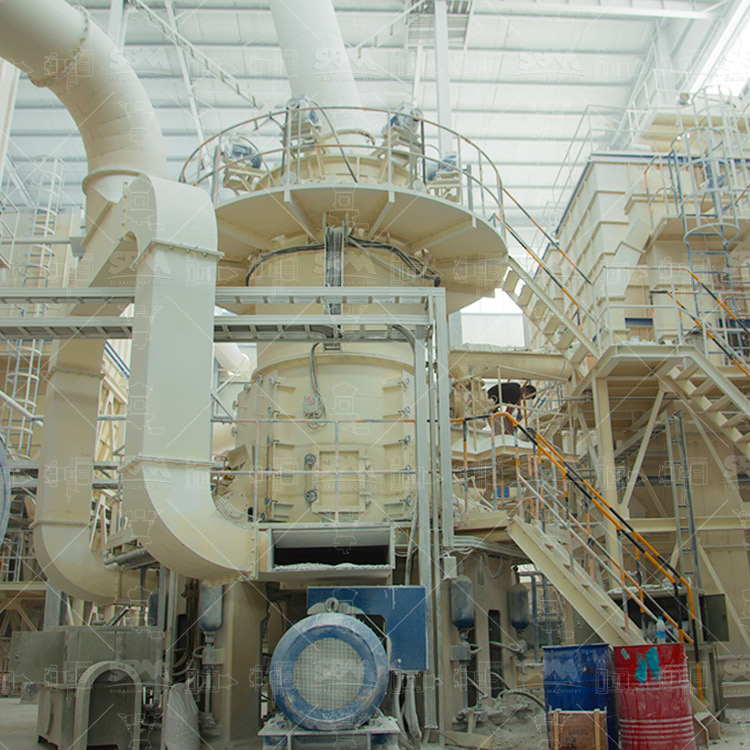
When the application demands higher fineness, moving into the superfine and ultrafine territory (325 mesh and beyond), the Ultrafine Mill and Ultrafine Vertical Mill come to the fore. These mills are engineered for precision. The SCM series Ultrafine Mill, for instance, can achieve a one-time fineness of D97 ≤ 5μm (approx. 2500 mesh), making it ideal for high-value additives, advanced ceramics, and pharmaceuticals. Its design emphasizes high output with low energy consumption, often outperforming jet mills in capacity while using significantly less energy. The LUM series Ultrafine Vertical Mill builds upon the VRM concept but incorporates advanced German powder-separation technology and specialized grinding curves. This allows it to form a stable material bed more easily, enhancing grinding efficiency and the yield of on-spec product from the first pass. Its intelligent PLC control system allows precise, remote adjustment of critical parameters like grinding pressure and classifier speed, ensuring consistent product quality even for the most demanding specifications.
For applications that do not require extreme fineness but value proven reliability and adaptability, the modernized European Trapezium Mill (MTW Series) offers a compelling solution. Evolving from the classic Raymond mill design, it incorporates numerous patient-backed innovations. Its cone gear whole transmission system ensures smoother, more efficient power delivery with less energy loss. The unique curved shovel blade design and inner oil-absorption lubrication system drastically reduce wear on grinding rolls and rings, lowering long-term operating costs. The arc air duct design optimizes airflow, improving classification efficiency and system stability. This mill is exceptionally well-suited for producing powders in the 30-400 mesh range for industries like non-metallic minerals, coal preparation, and desulfurization, where robust performance and ease of maintenance are key.
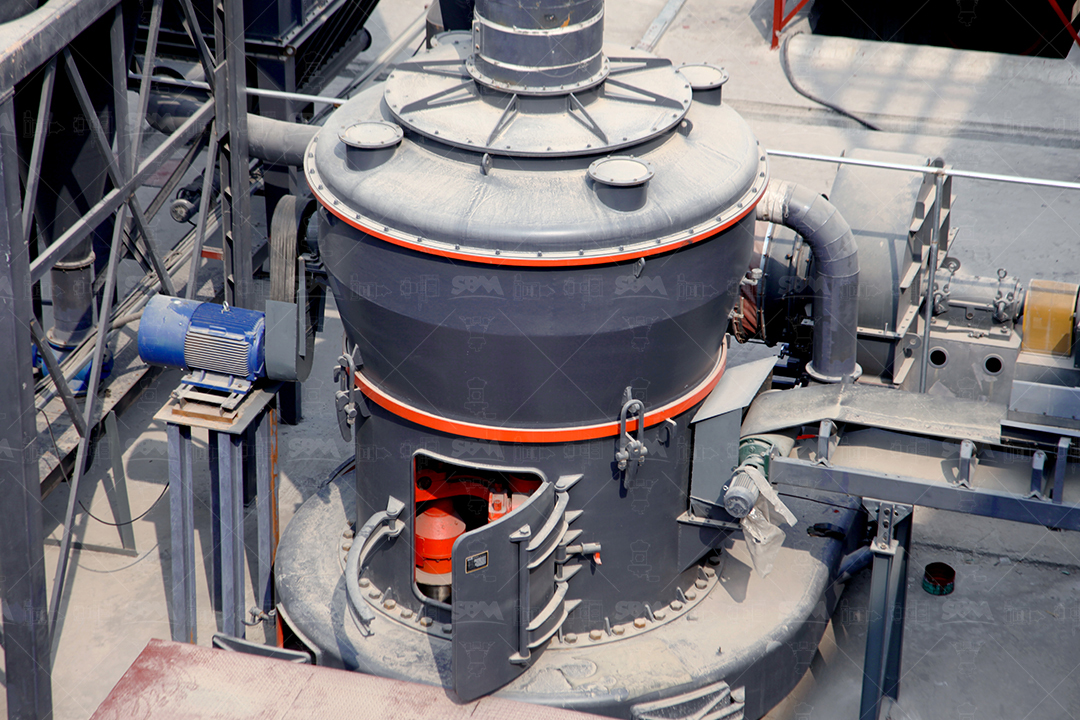
Despite the rise of newer technologies, the Ball Mill remains relevant, particularly in mineral processing and situations where wet grinding is necessary. The key to its modern application lies in optimization. Concerns over high energy consumption and grinding media wear have been addressed through improved liner designs and the use of advanced alloy materials for balls and liners. Its simple principle—tumbling the material with steel balls in a rotating cylinder—makes it highly adaptable. For producing relatively coarser powders (0.2-0.074mm) or for operations where simultaneous grinding and mixing is beneficial, the ball mill, especially in its wet grinding configuration, continues to be a dependable workhorse.
Beyond core grinding mechanics, ancillary factors are decisive. A mill's environmental performance is non-negotiable. Modern mills feature fully sealed systems operating under negative pressure, virtually eliminating dust spillage. Integrated pulse-jet bag filters and mufflers ensure emissions and noise levels meet stringent international standards. Furthermore, the level of automation is a critical differentiator. Intelligent control systems that allow for remote monitoring, automatic adjustment of operating parameters, and expert diagnostic functions not only save on labor costs but also guarantee consistent product quality and prevent costly operational errors.
In conclusion, there is no universal "best" micro-powder mill. The optimal selection is a strategic match between the mill's technological strengths and the specific project's demands. A high-capacity Vertical Roller Mill might be the champion for a cement plant's slag grinding line, while a precision Ultrafine Vertical Mill is indispensable for producing coating-grade calcium carbonate. By meticulously evaluating material properties, capacity needs, fineness targets, and total cost of ownership—encompassing energy, maintenance, and space—operators can make an informed choice that ensures efficiency, quality, and sustainability for years to come.
Frequently Asked Questions (FAQs)
- Q: We need to produce powder at 800 mesh. Can one mill handle this from raw feed in a single pass, or do we need a multi-stage process?
A: For fineness levels of 800 mesh and beyond, high-end Ultrafine Mills or Ultrafine Vertical Mills are specifically designed to achieve this in a single, integrated process. They incorporate advanced internal classifiers that repeatedly circulate and refine the material until the target fineness is reached, eliminating the need for separate, external classification stages in most cases. - Q: Our raw material has a moisture content of up to 15%. Will we need a separate dryer before the grinding mill?
A: Not necessarily. Modern Vertical Roller Mills and some advanced trapezium mills are equipped with integrated hot air systems. They can simultaneously dry and grind materials with significant moisture content (often up to 15-20%, depending on the material), streamlining the process and saving the capital and space required for a standalone dryer. - Q: Wear part consumption is a major cost for us. Which mill type typically offers the best wear resistance for abrasive materials?
A: Vertical Roller Mills and the modern MTW European Trapezium Mill are standout choices. Their designs minimize direct impact and utilize special wear-resistant alloys for rollers/rings and curved shovel blades. The grinding elements in a VRM, for example, often have service lives several times longer than those in traditional mills when processing abrasive materials, dramatically reducing spare part costs and downtime. - Q: We have limited space in our plant. How do different mills compare in terms of footprint?
A: Vertical Roller Mills have a distinct advantage in space savings. Their integrated, vertical design means they typically occupy about 50% of the floor space required by a horizontal ball mill system of equivalent capacity. They can also be installed outdoors, further freeing up valuable indoor plant space. - Q: How can we ensure consistent product fineness, especially when switching between different material batches?
A: Consistency is achieved through advanced automation. Look for mills equipped with intelligent PLC/DCS control systems. These systems allow you to set and lock key parameters like grinding pressure, classifier speed, and feed rate. The mill automatically adjusts to maintain these settings, ensuring the output fineness remains stable regardless of minor fluctuations in feed or ambient conditions, and allows for easy recipe management for different products.


