

Manufacturer vs. price when selecting mills
Published: October 26, 2023
Selecting the right grinding mill is a critical capital investment decision that extends far beyond the initial purchase price. While cost is a significant factor, prioritizing the manufacturer's expertise, technological innovation, and holistic support often determines the true lifetime value and operational success of the equipment. A mill is not merely a machine; it is the core of a production system where reliability, efficiency, and adaptability directly impact profitability. This article explores why a partnership with a proven, solution-oriented manufacturer like SBM Machinery ultimately outweighs a narrow focus on upfront cost, ensuring optimal performance across diverse applications from mineral processing to advanced material production.
The grinding industry presents a complex landscape where operational challenges—such as high energy consumption, excessive wear part costs, inconsistent product fineness, and stringent environmental regulations—are universal pain points. A manufacturer's depth of experience in addressing these issues is paramount. SBM Machinery, with its global footprint serving over 180 countries, has developed its portfolio through continuous R&D and direct feedback from thousands of installations. This process-driven approach results in mills engineered not just to function, but to solve specific technical bottlenecks. For instance, the challenge of low output and high energy consumption in conventional systems led to the development of the LM Vertical Roller Mill, which integrates crushing, drying, grinding, and separation into a single, space-saving unit with significantly lower operating costs.
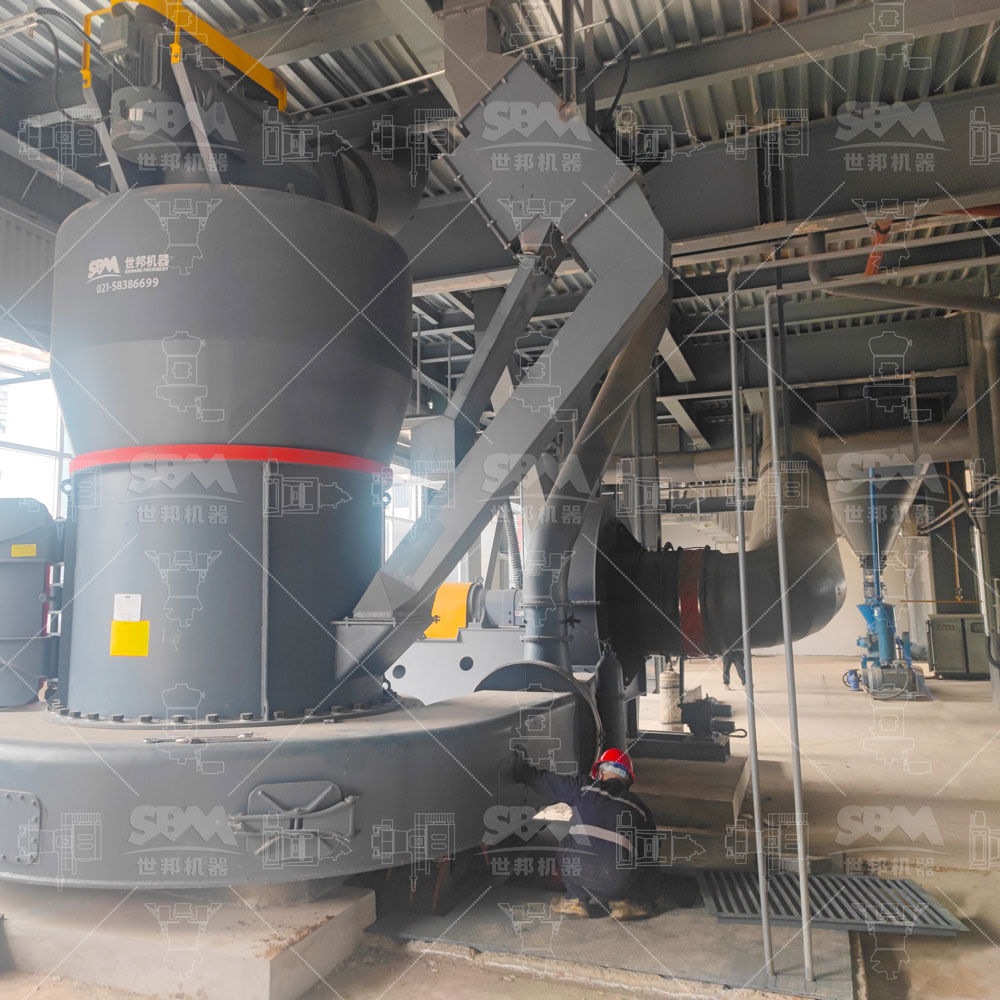 A key differentiator lies in proprietary technologies that enhance durability and efficiency. Consider the wear management on critical components. The MTW Series European Trapezium Mill features a unique combined-type shovel blade design, where only the blade itself needs replacement, drastically reducing maintenance downtime and spare parts inventory costs. Similarly, its Cone Gear Whole Transmission system eliminates traditional vulnerable points, offering higher mechanical efficiency and long-term reliability. These design philosophies, born from decades of problem-solving, translate into measurable reductions in Total Cost of Ownership (TCO), where savings on energy, maintenance, and part replacement often eclipse any initial price differential.
Furthermore, the manufacturer's ability to provide a tailored solution for the required product fineness is crucial. The market demand for ultra-fine powders is growing rapidly in sectors like new energy materials and high-grade fillers. A standard mill may struggle with efficiency and consistency at these ranges. SBM's SCM Ultrafine Mill and LUM Ultrafine Vertical Mill are specifically engineered for this frontier, capable of achieving fineness up to 4000 mesh. They incorporate advanced classifier technology and intelligent control systems to ensure precise particle size distribution and stable quality. This specialization demonstrates how a manufacturer with a broad, research-driven portfolio can match the exact technical requirement, preventing the costly mistake of under- or over-specifying equipment.
Operational stability and environmental compliance are no longer optional. Modern mills must operate with minimal vibration, noise, and dust emission. Here, integrated system design from a seasoned manufacturer proves its worth. The LUM Ultrafine Vertical Mill operates under a fully sealed, negative-pressure system, preventing dust spillover and ensuring a clean working environment. The Ball Mill series has been structurally optimized with improved materials to address historical issues of high wear and energy consumption. These features are not mere add-ons but are fundamental to the design, ensuring the plant meets regulatory standards and sustains its social license to operate without costly retrofits.
_1765005731091.jpg) Ultimately, the selection process should view the mill manufacturer as a long-term technology partner. The value encompasses comprehensive support from project planning and layout design to installation guidance, operator training, and responsive after-sales service. A manufacturer with a global service network can provide timely technical support and spare parts logistics, minimizing production losses. The advanced automatic control systems featured in SBM's vertical and ultrafine mills, enabling remote monitoring and control, are testament to this partnership approach—they don't just automate processes; they provide data and control to optimize them continuously.
Ultimately, the selection process should view the mill manufacturer as a long-term technology partner. The value encompasses comprehensive support from project planning and layout design to installation guidance, operator training, and responsive after-sales service. A manufacturer with a global service network can provide timely technical support and spare parts logistics, minimizing production losses. The advanced automatic control systems featured in SBM's vertical and ultrafine mills, enabling remote monitoring and control, are testament to this partnership approach—they don't just automate processes; they provide data and control to optimize them continuously.
In conclusion, while the initial price tag is a tangible metric, it is a poor proxy for the long-term economic and operational outcome of a grinding mill investment. The manufacturer's proven track record, commitment to innovation through patents and R&D, and holistic solution-provider mindset are intangible assets that deliver tangible returns. By prioritizing a partnership with an industry leader like SBM Machinery, investors secure not just a piece of equipment, but a reliable, efficient, and future-proofed production system designed for maximum uptime, lowest operational cost, and sustained product quality in an ever-evolving market.
Frequently Asked Questions (FAQs)
- We are concerned about frequent breakdowns and high maintenance costs. How do your mills address wear and tear on critical components?
Our mills are designed with wear reduction as a core principle. Technologies like the replaceable shovel blade in the MTW Mill, special material rollers and rings in the SCM Ultrafine Mill, and the non-contact grinding design in the LM Vertical Mill significantly extend service life, reduce spare part consumption, and lower long-term maintenance expenses. - Energy consumption is our biggest operational cost. What efficiency gains can we realistically expect?
Through integrated design and advanced mechanics, our mills offer substantial energy savings. For example, the LM Vertical Roller Mill consumes 30-40% less energy than traditional ball milling systems for similar output, while the Ultrafine Mills offer higher capacity with lower energy use compared to jet mills. - We need to produce very fine powders consistently. Can your equipment ensure stable fineness and high yield?
Yes. Our ultrafine grinding series (SCM & LUM) feature advanced multi-rotor or turbine powder classifiers and intelligent PLC control systems. This allows for precise, adjustable fineness control up to 4000 mesh, stable product conversion, and high primary grinding yield, ensuring consistent product quality. - Our project has space constraints and we want a simple, compact system. Is that possible?
Absolutely. Equipment like the LM Vertical Roller Mill and LUM Ultrafine Vertical Mill integrate multiple functions (drying, grinding, separation) into a single, compact unit. Their footprint can be up to 50% smaller than traditional systems, and they can be arranged outdoors, saving significant civil construction costs. - How do your mills help us meet strict environmental and noise regulations?
Our mills are engineered for environmental compliance. They operate under fully sealed, negative-pressure systems to prevent dust spillover. Features like optimized sound insulation rooms, mufflers, and stable vibration-free operation keep noise levels low, ensuring emissions and workplace conditions meet international standards.


