

Reducing mill operating noise
Published on: October 26, 2023
Excessive operational noise in grinding mills is a pervasive industrial challenge, impacting worker safety, environmental compliance, and community relations. This article explores the primary sources of mill noise and presents advanced engineering solutions from SBM Machinery that effectively mitigate acoustic emissions without compromising productivity. By integrating innovative structural designs, intelligent control systems, and specialized material technologies, modern grinding equipment can achieve significantly lower noise levels, transforming mills from noisy necessities into models of industrial efficiency and environmental stewardship.
Industrial grinding operations have long been associated with high decibel levels, a byproduct of mechanical forces, material impact, and air movement. Traditional mills often operate at noise levels that necessitate hearing protection and can lead to regulatory challenges. The evolution of grinding technology, however, has shifted focus toward holistic performance where acoustic footprint is as critical as throughput and fineness. SBM Machinery addresses this paradigm through a multi-faceted approach embedded in its equipment design philosophy.
The structural integrity and transmission systems of a mill are fundamental to its acoustic profile. The MTW Series European Trapezium Grinding Mill exemplifies this with its Cone Gear Whole Transmission. This bevel gear integral transmission not only enhances mechanical efficiency and saves space but also operates with markedly reduced vibration and gear meshing noise compared to traditional segmented drives. The transmission is housed within a precision-engineered casing that acts as a sound dampener. Furthermore, its Arc Air Duct design is not merely for aerodynamic efficiency; the smooth, circular airflow path minimizes turbulent noise generation that plagues conventional rectangular ducts. The high-strength guard plate lining the duct further absorbs vibrational energy before it can radiate as sound.
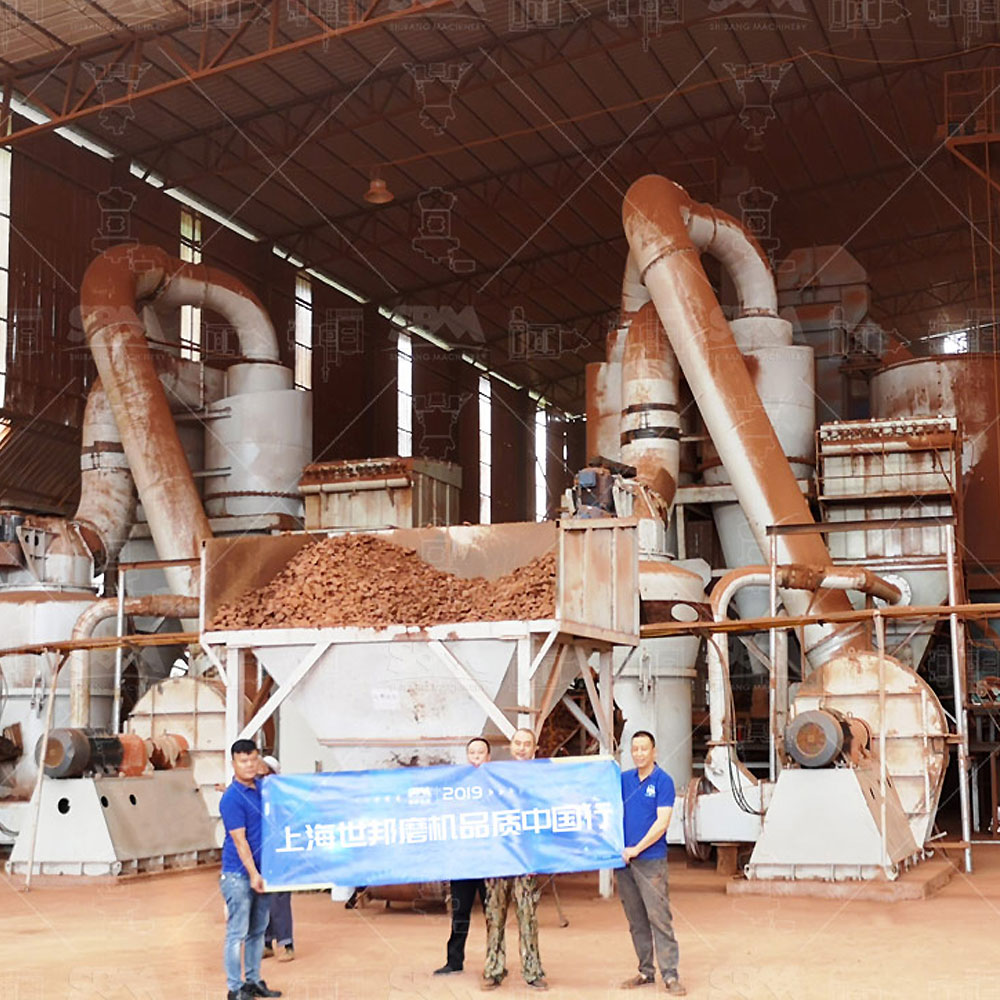
For applications demanding vertical integration and large-scale processing, the LM Vertical Roller Mill offers inherent noise-reduction advantages. Its compact, integrated design—combining crushing, drying, grinding, and separation—reduces the number of individual noise-generating components and transfer points typical of complex milling circuits. The grinding principle itself, where rollers grind material on a plate without direct metal-to-metal contact under a controlled hydraulic pressure system, generates less impact noise than ball-on-ball or ball-on-liner collisions. The mill's foundation and support structure are designed for high static and dynamic stiffness, effectively isolating and dampening the minimal operational vibrations. This results in a system that operates stably with little vibration, translating directly to lower ambient noise.
When ultra-fine powders are the goal, noise control becomes even more critical due to the higher operational speeds often involved. The SCM Ultrafine Mill and LUM Ultrafine Vertical Mill incorporate several targeted features. The heavy rotor design and meticulous dynamic balancing in the SCM series ensure the grinding chamber operates smoothly, free of the imbalanced vibrations that are a primary source of high-frequency noise. Both ultrafine solutions employ optimized sound insulation rooms and integrated mufflers on air inlets and outlets. These are not aftermarket additions but are engineered as part of the mill's core system, designed to attenuate specific frequency ranges produced during ultrafine pulverization without restricting airflow or performance.
The LUM Ultrafine Vertical Mill takes this further with its intelligent control system. The PLC/DCS automatic control allows for precise, steady regulation of grinding pressure and classifier speed. This prevents the erratic, load-varying operation that often leads to sudden spikes in noise. Stable operation equals stable acoustics. Its multi-rotor powder classifier operates with precision, reducing the recirculation of material and the associated secondary grinding noise.
Even for established technology like the Ball Mill, noise optimization is possible. SBM's optimized ball mills use advanced liner and ball materials that are more wear-resistant, reducing the frequency of impacts needed for comminution and the metallic clatter from worn media. The mill shell can be supplied with integrated acoustic cladding, and drive systems are optimized for smooth torque delivery.
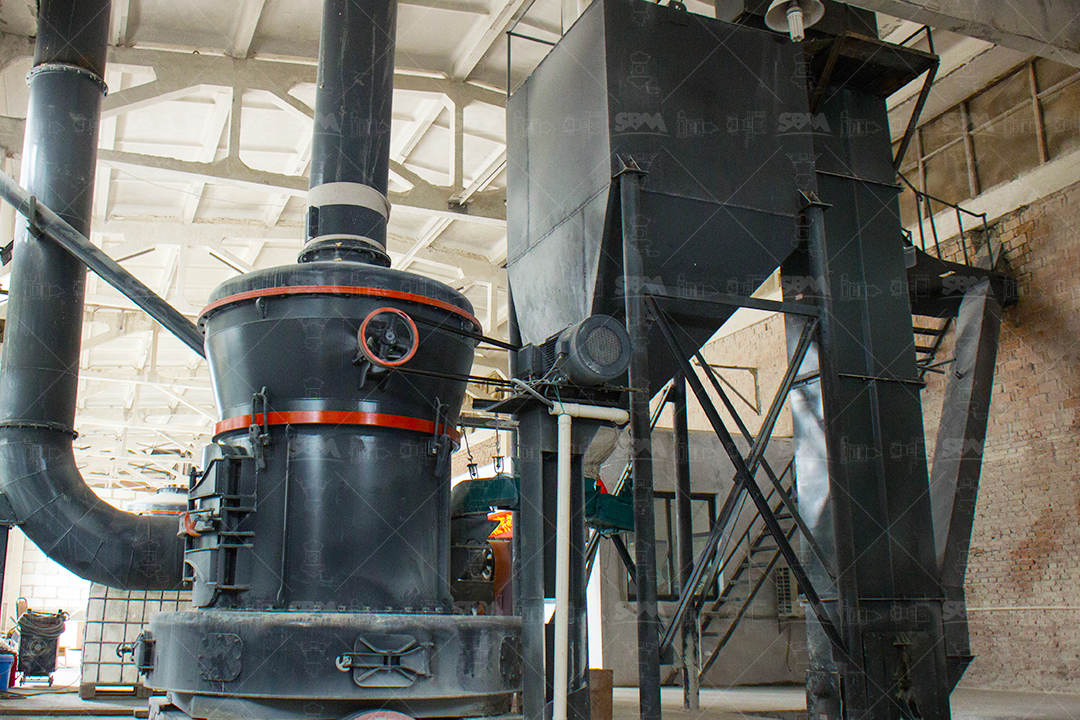
Beyond the machinery itself, SBM's approach as a total solution provider considers the entire system layout, auxiliary equipment selection, and foundation design—all factors influencing the overall plant noise level. The environmental benefits are clear: reduced noise pollution, improved workplace conditions leading to better operator focus and safety, and easier compliance with stringent international environmental and occupational health standards. Investing in low-noise technology is not merely a regulatory expense; it is an investment in sustainable, socially responsible, and future-proof industrial operations.
Frequently Asked Questions (FAQs)
Q1: Our existing mill is extremely loud. Can it be retrofitted with noise-reduction features, or do we need a completely new machine?
A: While some features like acoustic enclosures or improved liners can be retrofitted, the most significant noise reduction comes from integrated design principles found in newer generation mills. Features like the whole gear transmission, optimized air ducts, and inherent structural stability are fundamental to the machine's architecture. A consultation with our engineers can assess retrofit possibilities versus the long-term benefits of upgrading to a modern, quiet-design mill.
Q2: Does reducing operational noise mean sacrificing mill output or product fineness?
A: Absolutely not. In SBM's design philosophy, noise reduction is a byproduct of higher efficiency and advanced engineering. For example, the smoother airflow from an arc duct improves powder transport efficiency. The stable, low-vibration operation of a vertical roller mill allows for more precise grinding control, often improving product consistency. High performance and low noise are synergistic goals.
Q3: How does the automatic control system contribute to lower noise?
A: Intelligent PLC control maintains optimal and steady operating parameters (grinding pressure, feed rate, classifier speed). This prevents the mill from running under inefficient, load-starved conditions (which can cause component rattle) or overloaded conditions (causing excessive vibration and impact noise). Stable, automated operation is consistently quieter than manual, variable operation.
Q4: We are concerned about maintenance complexity. Are these quiet-running mills more difficult to service?
A: Many noise-reducing features actually simplify maintenance. The whole gear transmission has fewer alignment issues than traditional systems. The curved shovel blade design in the MTW mill allows for easier, partial replacement of wear parts. Sealed systems that contain noise also contain dust, leading to a cleaner environment and less abrasive wear on components.
Q5: What measurable noise reduction can we realistically expect from upgrading our equipment?
A: The reduction depends on the specific technology and the baseline. However, upgrades from traditional high-noise mills to modern SBM equipment like the LM Vertical Roller Mill or MTW Mill have demonstrated reductions of 10-20 decibels (dB(A)) at operator positions, which is perceived as a significant halving to quartering of loudness. Detailed acoustic forecasts can be provided based on your specific application and plant layout.


