

Areas for improvement in superfine mills
Published: October 26, 2023
The pursuit of finer particle sizes, higher throughput, and lower operational costs continues to drive innovation in superfine grinding technology. While modern mills represent significant advancements over traditional equipment, persistent challenges in wear resistance, energy efficiency, process stability, and system integration present clear opportunities for enhancement. Drawing from extensive global application data and continuous R&D, this analysis outlines key improvement areas for next-generation superfine milling solutions, focusing on practical advancements that address core industry pain points without compromising reliability or final product quality.
The evolution from conventional ball mills and Raymond mills to advanced vertical roller mills and specialized ultrafine grinders marks a significant technological leap. However, the fundamental demands of the market—ever-increasing fineness requirements, stringent environmental regulations, and relentless pressure to reduce total cost of ownership—necessitate ongoing refinement. For instance, while the LUM Ultrafine Vertical Mill integrates advanced German separation technology and Taiwanese roller design for high-efficiency operation up to 4000 mesh, achieving consistent product quality at the extreme end of this range under variable feed conditions remains a complex engineering challenge. The core improvement lies in enhancing the stability and adaptability of the grinding and classification loop.
One critical area is the reduction of wear part consumption and associated maintenance downtime. Even with advanced materials and designs like the combined-type shovel blade in the MTW European Trapezium Mill—which aims to lower replacement costs—the abrasive nature of modern mineral and chemical feeds accelerates degradation. Future developments must focus on smart wear monitoring systems and self-optimizing grinding geometries that can dynamically adjust to maintain performance as components wear, rather than relying solely on material science improvements. Predictive maintenance, enabled by IoT sensors tracking vibration, pressure, and temperature, could preempt failures and schedule interventions during natural pauses in production.
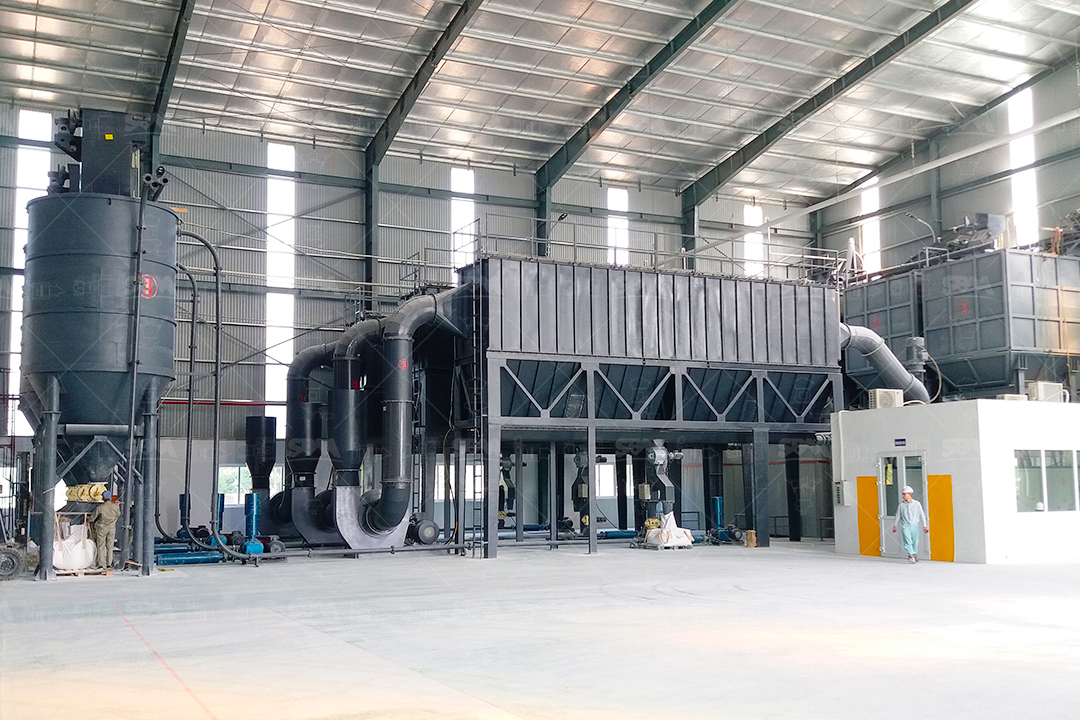
Energy consumption remains a paramount concern, especially for continuous operations targeting capacities of 10-70 tph or higher. Although vertical roller mills like the LM series demonstrate 30-40% lower energy use compared to ball milling systems, further gains are possible. The integration of high-efficiency permanent magnet motors, advanced regenerative drive systems that recover kinetic energy, and AI-optimized mill load control could push savings beyond 50%. The key is to view the mill not as an isolated unit but as the heart of a system where ancillary components (classifiers, fans, conveyors) are co-optimized for peak holistic efficiency. The SCM Ultrafine Mill already highlights output more than double that of jet mills with 30% lower energy use; the next step is achieving similar ratios at even higher fineness levels.
Process control and automation represent another frontier. While PLC/DCS systems provide remote operation and basic parameter control, the next generation of "expert" systems must incorporate real-time particle size analysis (e.g., via laser diffraction or image analysis) to form closed-loop feedback. This would allow the mill to automatically adjust grinding pressure, classifier speed, and feed rate to maintain a target fineness (e.g., D97 ≤5μm) despite fluctuations in feedstock hardness or moisture. True intelligence means the mill compensates for variables before product quality drifts, moving from stability to adaptive precision.
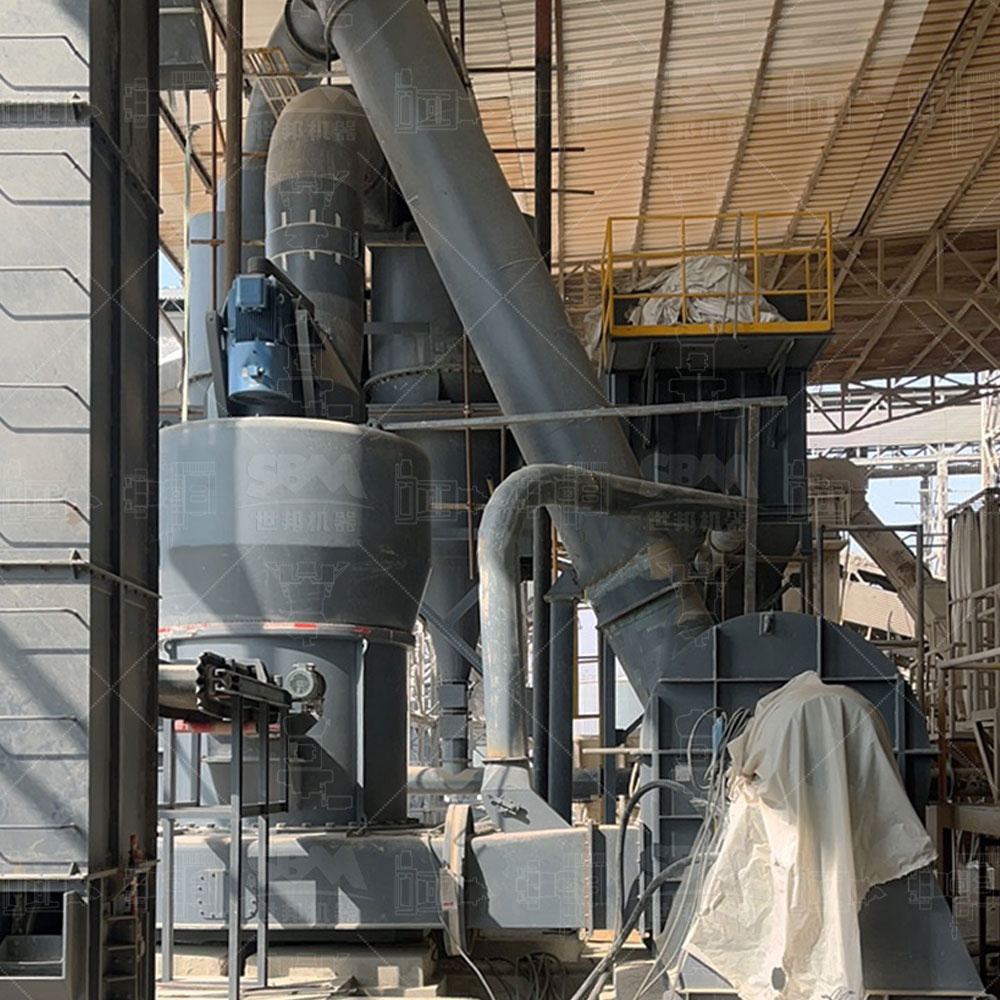
Finally, environmental performance extends beyond dust collection. While pulse dust collectors and negative-pressure systems are standard, reducing the mill's acoustic footprint and thermal emissions are growing priorities. Innovative sound insulation materials and hydrodynamic bearing designs can further cut operational noise. Moreover, capturing and repurposing waste heat from the grinding process for material pre-drying or facility heating enhances overall sustainability. The goal is a mill that not only meets but actively contributes to a plant's environmental targets.
In conclusion, the trajectory for superfine mill improvement is clear: smarter, more connected, and more sustainable. By focusing on intelligent wear management, systemic energy optimization, adaptive process control, and holistic environmental design, the next wave of grinding technology will not only solve existing pain points but also unlock new possibilities in material science and production efficiency.
Frequently Asked Questions (FAQs)
Q1: How can I reduce the frequency of wearing part replacements in my superfine mill, which currently causes significant downtime?
A: Beyond using OEM high-quality parts, consider implementing a condition monitoring system to track wear progression accurately. Optimizing operational parameters like feed size and grinding pressure can also extend part life. Technologies like our unique wear-proof perching knife design aim specifically at this issue.
Q2: Our energy costs for ultrafine grinding are prohibitively high. Are there solutions beyond choosing an energy-efficient mill model?
A: Absolutely. System design is crucial. Ensure proper feed preparation (pre-crushing to optimal size) and integrate frequency converters on fans and classifiers. A holistic audit of the entire grinding circuit, from feeding to collection, often reveals significant optimization opportunities that complement the mill's inherent efficiency.
Q3: We struggle to achieve consistent fineness (e.g., a stable D97) when processing raw materials with natural variance. Can this be controlled?
A: Yes. Advanced mills now offer automated control systems that adjust key parameters in real-time. For the most consistent results, look for systems with integrated particle size monitoring feedback loops that automatically adjust classifier speed and grinding force to compensate for material variability.
Q4: Dust emission and noise levels are under increasing scrutiny at our plant. What are the best practices for environmental compliance in superfine milling?
A: Select mills with fully sealed systems operating under negative pressure and equipped with high-efficiency dust collectors (e.g., dual powder collecting methods). For noise, inquire about integrated sound insulation designs and mill foundations engineered for minimal vibration, which is the primary source of noise.
Q5: We need to produce multiple product grades from the same mill line. How flexible are modern superfine mills in switching between different fineness specifications?
A: High flexibility is a key feature of advanced classifiers found in mills like the LUM series. Using multi-rotor or vertical turbine classifiers with variable speed drives allows quick and precise adjustment of the cut point. The best systems enable product changes with minimal transition time and material waste.


