

Ensuring mill operation in high temperatures
Published on: October 26, 2023
Sustaining optimal grinding mill performance in high-temperature environments is a critical challenge across industries like cement, power generation, and metallurgy. Elevated temperatures can accelerate wear, induce thermal stress, degrade lubrication, and compromise system stability, leading to unplanned downtime and soaring operational costs. Shanghai SBM Machinery Equipment Co., Ltd. addresses these challenges through engineered solutions in its advanced grinding equipment portfolio. By integrating specialized material science, innovative cooling and lubrication designs, and intelligent control systems, SBM mills are built to deliver reliable, efficient, and continuous operation even under extreme thermal conditions, ensuring productivity and protecting your long-term investment.
High-temperature operation fundamentally tests a mill's mechanical integrity and process efficiency. Excessive heat can cause premature failure of critical components like grinding rollers, rings, and bearings, while also affecting material flow and final product quality. Traditional mills often struggle with heat dissipation, leading to frequent maintenance cycles and inconsistent output. SBM's approach is rooted in a deep understanding of these thermal dynamics, developed over years of serving over 180 countries and regions. Our equipment is designed not just to withstand heat, but to manage it intelligently, turning a common operational hurdle into a managed variable.
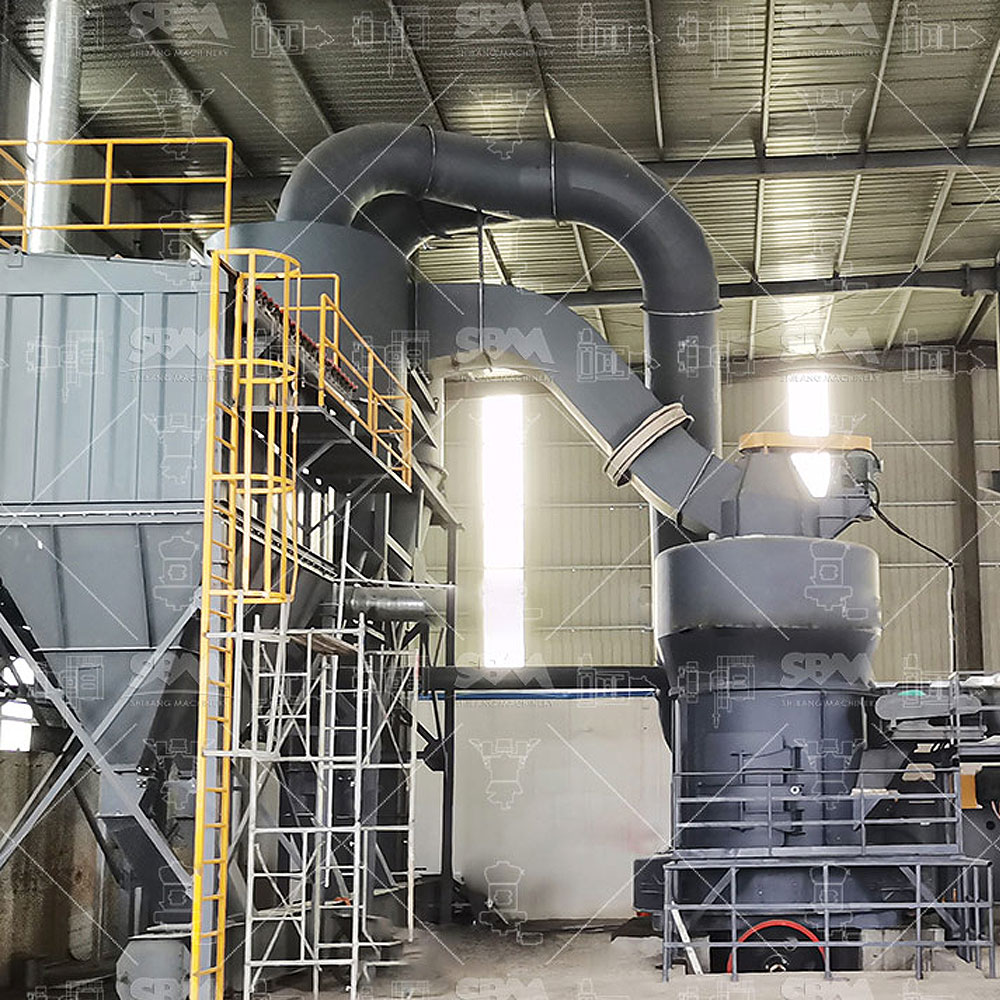
At the core of SBM's high-temperature resilience is the MTW Series European Trapezium Grinding Mill. Its inner oil absorption lubrication system is a key innovation. This closed-loop system ensures consistent, high-temperature-resistant lubrication to critical transmission parts like the bevel gear, preventing oil breakdown and maintaining a protective film even during sustained hot operation. Furthermore, the arc air flue design minimizes air resistance and energy loss, promoting efficient airflow that aids in natural cooling and stable material conveyance. The unique wear-proof shovel blade, with its curved design, reduces localized friction and heat generation, extending the service life of rollers and rings significantly.
For applications demanding even greater thermal management and energy efficiency, the LM Vertical Roller Mill presents a compelling solution. Its compact, integrated design—combining drying, grinding, and classification—reduces the system's overall heat footprint. The grinding principle itself, where rollers grind material on a plate without direct metal-to-metal contact under normal conditions, inherently generates less frictional heat compared to traditional ball mills. When combined with high-quality, heat-resistant materials for rollers and grinding plates, the LM mill offers lower operating costs and reduced wear in high-temperature processes. Its expert automatic control system allows for real-time monitoring and adjustment of operational parameters, enabling proactive management of mill temperature and stability.
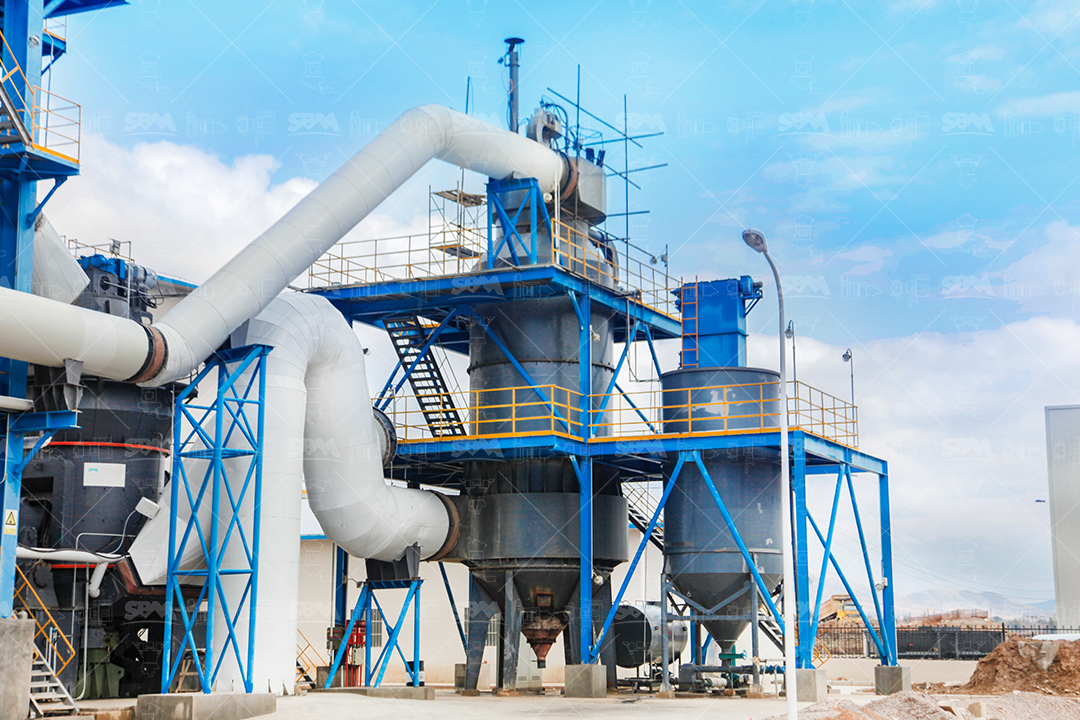
When processing heat-sensitive materials or requiring ultra-fine outputs in warm environments, the SCM Ultrafine Mill and LUM Ultrafine Vertical Mill excel. Both mills feature advanced classification technology that ensures precise particle size control without relying on excessive mechanical force that can generate unwanted heat. The LUM model, in particular, incorporates a PLC/DCS automatic control system for grinding pressure adjustment. This allows for precise, automated control of the grinding force, preventing over-grinding and the associated thermal buildup. The heavy-duty rotor design and balanced grinding chamber in the SCM series ensure stable, vibration-free operation, which is crucial for maintaining mechanical alignment and preventing hot spots during continuous high-temperature runs.
Even the optimized SBM Ball Mill incorporates features for better thermal performance. Through structural enhancements and the use of advanced, wear-resistant materials for liners and grinding media, the mill reduces the frequency of heat-intensive friction points. This optimization directly counters the traditional pain points of high wear and energy consumption exacerbated by temperature.
Ultimately, ensuring mill operation in high temperatures is not about a single component but a holistic system philosophy. SBM Machinery, as a total solution provider, leverages its expertise across the entire mineral processing workflow to deliver systems where thermal resilience is engineered into every aspect—from gear transmission and material selection to airflow dynamics and digital control. This comprehensive approach minimizes downtime, maximizes asset lifespan, and guarantees that your powder processing operations remain a source of competitive advantage, regardless of the heat.
Frequently Asked Questions (FAQs)
Q1: How does high temperature specifically damage my grinding mill?
A: Prolonged high-temperature operation can degrade lubricants, causing increased friction and wear on gears and bearings. It can also induce thermal expansion, leading to misalignment, increased vibration, and potential cracking of critical components like grinding rings or rollers. This accelerates mechanical failure and raises maintenance frequency.
Q2: Can SBM mills handle hot air for drying while grinding?
A: Yes, absolutely. Our LM Vertical Roller Mill and LUM Ultrafine Vertical Mill are specifically designed to integrate drying and grinding processes. They can efficiently handle inlet hot air, simultaneously drying raw materials and pulverizing them, which is ideal for materials with high moisture content and improves overall energy efficiency.
Q3: What measures are in place to protect the main drive and gears from heat?
A: Key models like the MTW Mill employ an inner oil absorption lubrication system and cone gear whole transmission. This system ensures a continuous supply of stabilized lubricant to critical drive components, forming a durable protective layer that resists thermal breakdown and maintains optimal gear engagement under load and heat.
Q4: Does the mill's output fineness get affected by high operating temperatures?
A: With SBM's advanced mills, the impact is minimized. Our ultrafine mills (SCM & LUM) feature high-precision, frequency-conversion controlled classifiers that maintain accurate particle size separation independently of thermal fluctuations. The intelligent control systems automatically adjust parameters to ensure consistent product fineness.
Q5: We have issues with dust spillage and environmental compliance in hot conditions. How are SBM mills sealed?
A: All SBM mills, especially the vertical and ultrafine series, are designed as fully sealed systems operating under negative pressure. This means air is drawn into the mill, preventing any dust or powder from escaping. Coupled with efficient pulse dust collectors, this design ensures environmentally friendly operation that meets stringent national standards, even when internal temperatures are high.


