

Maintenance measures for mill parts
Published on: October 26, 2023
Effective maintenance of grinding mill components is not merely a routine task; it is a strategic imperative for maximizing operational efficiency, minimizing unplanned downtime, and controlling long-term operational costs. For industries ranging from power generation and mining to chemicals and advanced materials, the reliability of equipment like the MTW European Trapezium Mill, LM Vertical Roller Mill, and various ultrafine grinding systems directly impacts productivity. This article synthesizes insights from SBM Machinery's extensive global experience, serving over 180 countries, to provide a comprehensive guide on proactive and corrective maintenance measures. We will delve into best practices tailored to key wear parts, leveraging inherent design advantages such as unique wear-proof designs, advanced lubrication systems, and intelligent controls to extend service life and sustain optimal performance.
The cornerstone of any effective maintenance program is a deep understanding of the equipment's design strengths. For instance, the MTW Series European Trapezium Mill incorporates several features that inherently reduce maintenance burdens. Its combined-type shovel blade design is a prime example. This innovation allows for the replacement of only the blade itself during wear-related maintenance, significantly lowering the cost and downtime associated with wearing parts. Furthermore, the curved design of these blades optimizes the feeding angle, which reduces abrasive impact on the grinding roller and ring, thereby prolonging their service life. The inner oil absorption lubrication system ensures consistent and automated lubrication of critical transmission components, preventing premature failure due to friction.
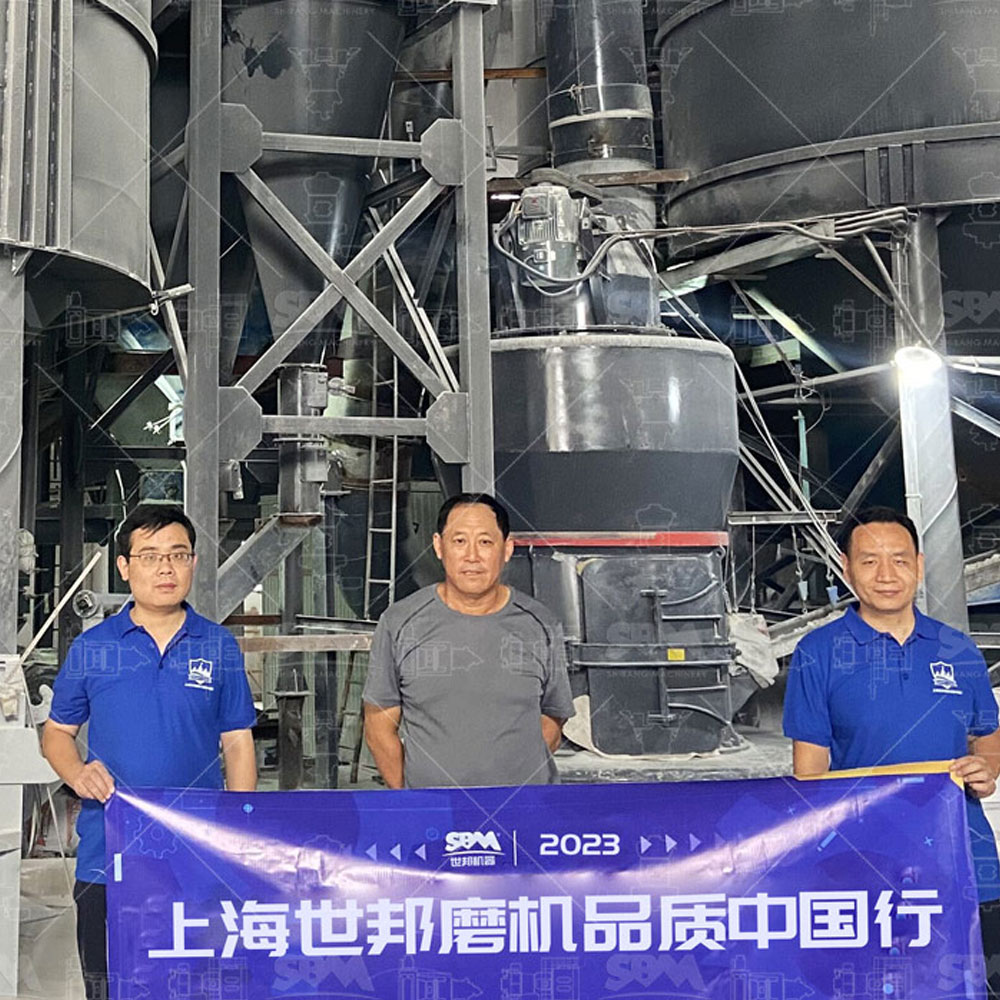
Transitioning to vertical grinding technology, the LM Vertical Roller Mill and LUM Ultrafine Vertical Mill present a different set of maintenance considerations. Their integrated design—combining crushing, drying, grinding, and separation—simplifies the overall system but places emphasis on the grinding rollers and table. A significant advantage here is the non-direct contact grinding principle. The rollers grind the material bed on the plate without metal-to-metal contact, drastically reducing wear rates. The use of special, high-quality materials for rollers and liners further enhances durability. Regular inspection of the grinding profile and the hydraulic system that controls grinding pressure is crucial. The integrated expert automatic control system (PLC/DCS) is a powerful maintenance ally, providing real-time operational data and enabling remote diagnostics to predict issues before they lead to stoppages.
For ultra-fine grinding applications with the SCM Ultrafine Mill and LUM Ultrafine Vertical Mill, precision is paramount. Maintenance focus shifts to the classifier rotor, grinding chamber integrity, and sealing systems. The high-efficiency turbine powder classifier in these mills requires balance and clean blades to maintain accurate particle size cuts and prevent coarse powder spillover. The heavy-duty rotor design and tight manufacturing tolerances ensure stable operation, but regular checks for vibration are essential. The environmental sealing of these systems, which operate under negative pressure, must be impeccable. Inspecting and maintaining the seals, pulse dust collectors, and powder collection systems not only ensures environmental compliance but also protects the product yield and internal components from abrasive dust ingress.
Common to all mill types is the critical need for a systematic maintenance schedule. This should include:
- Daily/Weekly Checks: Monitoring lubrication oil levels and pressure, checking for unusual vibrations or noises, inspecting belt tensions, and ensuring all safety interlocks are functional.
- Predictive Maintenance: Utilizing data from the mill's control system to track motor amperage, bearing temperatures, and grinding pressure trends. Vibration analysis for the main motor and gearbox can forecast bearing failures.
- Preventive Parts Replacement: Based on operational hours and material abrasiveness, establish a schedule for inspecting and preemptively replacing high-wear items. For example, planning shovel blade or roller shell replacement during planned production stops avoids catastrophic failure.
- Proper Shutdown and Startup Procedures: Ensuring the mill is completely purged of material before shutdown prevents hardening and difficult startups. Following a controlled sequence during startup minimizes stress on mechanical and electrical components.
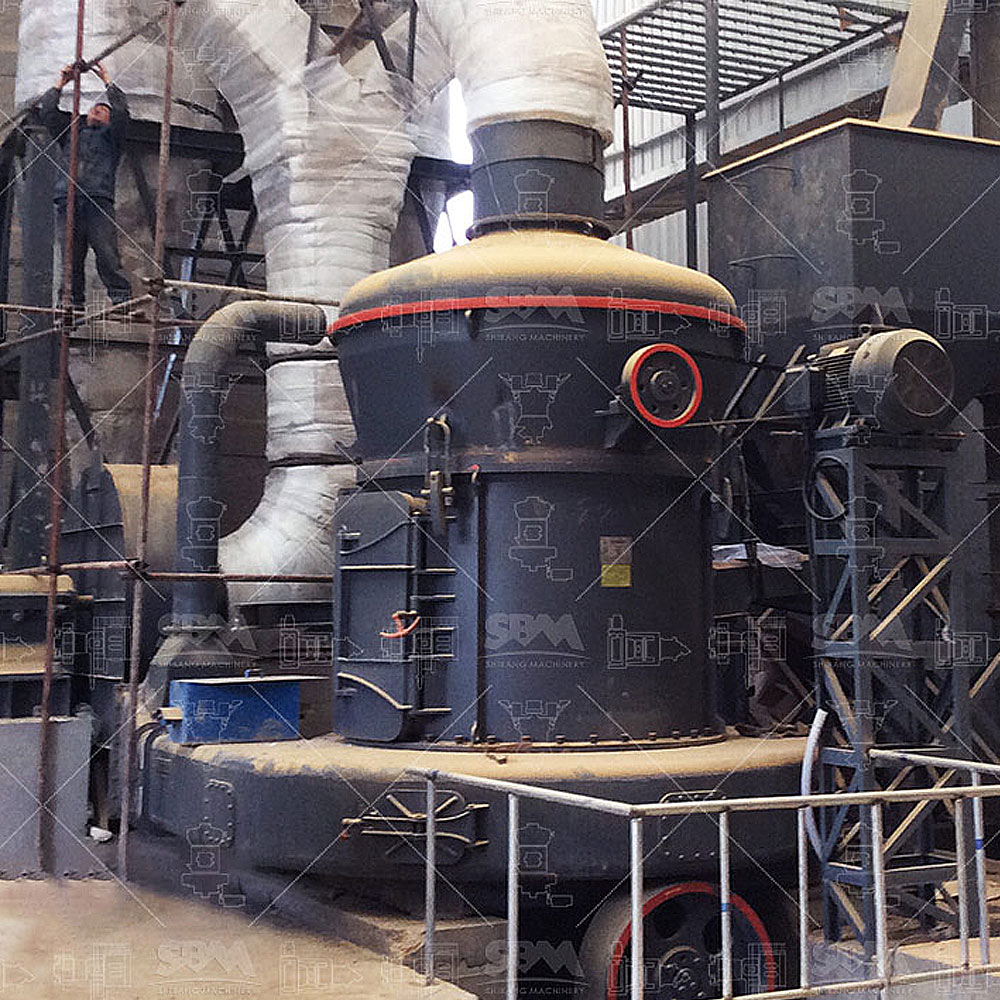
Ultimately, a proactive maintenance strategy transforms cost centers into value centers. By understanding and leveraging the advanced design features of your grinding equipment—from the cone gear whole transmission of the MTW Mill to the intelligent control systems of vertical mills—operators can significantly extend the mean time between failures (MTBF). This approach, coupled with genuine OEM parts designed for perfect fit and performance, ensures that your grinding line remains a reliable, efficient, and profitable asset for years to come.
Frequently Asked Questions (FAQs)
Q1: What is the most common cause of premature wear in grinding rollers and rings?
A1: The most common cause is often improper feed material size (exceeding the mill's specified input size) or inconsistent material feed rate, which prevents the formation of a stable grinding bed. This leads to direct metal-to-metal contact and accelerated abrasion. Ensuring proper pre-crushing and consistent feeding is crucial.
Q2: How can we effectively reduce the high energy consumption of our grinding circuit?
A2> First, audit your system's classification efficiency; a poorly performing classifier forces the mill to over-grind. Second, ensure grinding parts (rollers, blades) are in good condition, as worn parts reduce grinding efficiency. Third, utilize the mill's automatic control system to optimize parameters like grinding pressure and fan speed for the specific material being processed.
Q3: We experience frequent blockages in the grinding chamber. What are the likely solutions?
A3: Blockages are often related to moisture content. Ensure the drying capacity of your mill (if equipped) is matched to the feed material's moisture. Also, check for worn or damaged shovel blades that fail to lift and feed material properly. Maintaining stable negative pressure within the system is also vital for material flow.
Q4: Our finished product fineness is inconsistent. Where should we start troubleshooting?
A4: Begin with the classifier. For mills with dynamic classifiers, check the rotor speed control, blade wear, and balance. Also, inspect the sealing of the grinding chamber and powder collection system, as air in-leakage can disrupt the classification process. Finally, verify that grinding element wear is even and within tolerances.
Q5: What are the key signs that indicate an immediate need for major maintenance?
A5: Key warning signs include a sustained and significant increase in vibration or unusual metallic noises, a sudden drop in mill output or a spike in power consumption with no change in feed, visible cracks in major castings (like the base), and persistent oil leaks from the gearbox or main bearing seals. Immediate investigation is required upon observing any of these.


