

Processing 3000 mesh material with superfine mills
Published: October 26, 2023
In the demanding realm of ultrafine powder processing, achieving consistent 3000 mesh fineness presents significant challenges, including excessive energy consumption, high wear-part costs, system complexity, and environmental control. Shanghai SBM Machinery addresses these industry pain points through a portfolio of advanced grinding technologies, notably its SCM Ultrafine Mill and LUM Ultrafine Vertical Mill. These systems are engineered to deliver precise, high-yield production of superfine powders up to 4000 mesh, integrating intelligent control, robust durability, and eco-efficient operation to transform raw minerals into high-value products for sectors ranging from plastics and coatings to advanced composites and new energy materials.
The pursuit of 3000 mesh (approximately 5μm) and beyond represents the frontier of size reduction. At this scale, traditional milling approaches often falter, plagued by thermal degradation of material, uncontrolled particle size distribution, and prohibitive operational costs. The physical behavior of particles changes dramatically; adhesion, aggregation, and static charge become dominant forces. Successfully navigating this landscape requires equipment designed from the ground up for ultrafine applications, where precision engineering, advanced classification, and system stability are non-negotiable.
This is where SBM's specialized superfine grinding solutions demonstrate their core competence. The SCM Series Ultrafine Mill is a purpose-built workhorse for the 325 to 2500 mesh range, with capabilities extending to 4000 mesh for certain materials. Its design philosophy centers on overcoming the limitations of conventional Raymond mills. A key innovation is its heavy-duty rotor and grinding chamber design. The roller and ring are fabricated from special wear-resistant materials, offering durability several times greater than standard components. Furthermore, the grinding chamber employs a bearing-free screw and undergoes precise balance treatment, resulting in remarkably stable, vibration-free operation—a critical factor for maintaining consistent fineness.
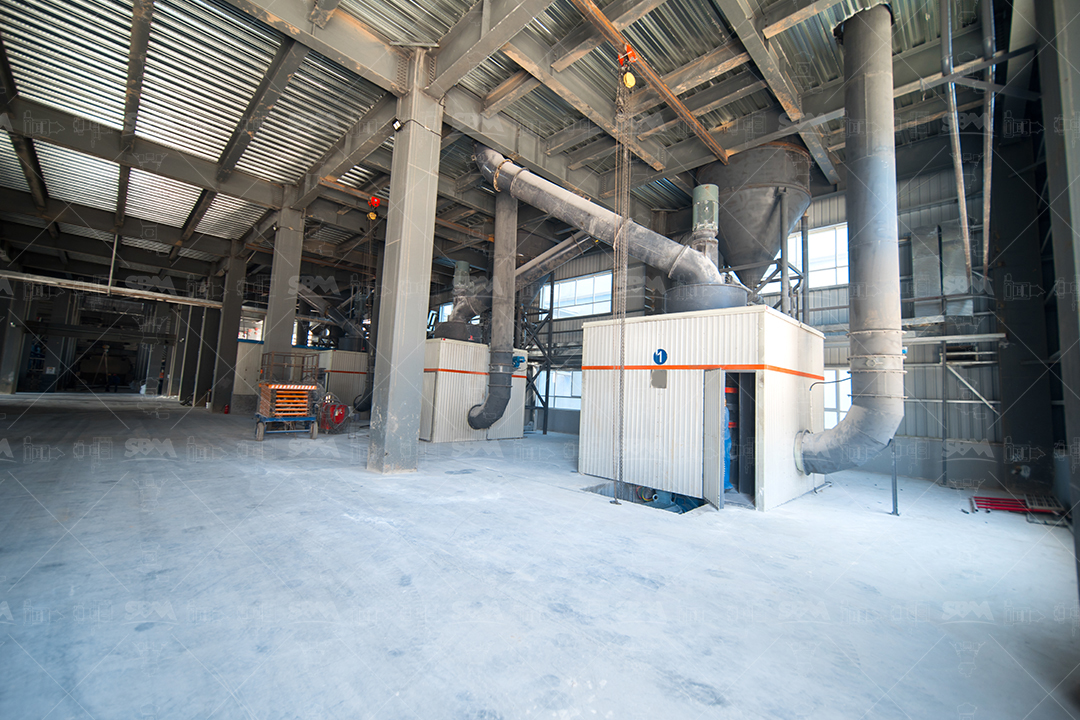
Efficiency is another cornerstone. The SCM mill achieves high output with relatively low energy consumption, reportedly offering over double the capacity of some jet mills while reducing energy use by approximately 30%. This is coupled with an efficient vertical turbine powder classifier that ensures accurate particle size cuts and prevents coarse powder spillover. The system's intelligence is embedded in its automatic feedback control, which allows for fast and stable adjustment of product fineness, directly saving on labor costs and minimizing human error.
For projects demanding even higher throughput or specific processing characteristics, the LUM Series Ultrafine Vertical Roller Mill presents a compelling alternative. Integrating grinding, separation, and conveying into a single, compact unit, the LUM mill is the product of synergistic technology integration, including advanced grinding roller and German powder separation expertise. Its unique grinding curve design for the roller and lining plate promotes the formation of a stable material bed, enhancing grinding efficiency and increasing the yield of on-spec product from the first pass.
The heart of its precision is a multi-rotor powder classifier based on PLC control. This allows for the custom tailoring of finished product fineness across a wide range (325-4000 mesh) with exceptional sharpness of cut, virtually eliminating low-grade middlings. Major operational parameters—grinding pressure, disc speed, classifier speed—are seamlessly coordinated by an intelligent control system (PLC/DCS), enabling precise control, remote operation, and stable, efficient running.
Beyond the flagship ultrafine models, SBM's broader grinding portfolio provides tailored solutions for various stages of mineral processing. The MTW European Trapezium Mill, with its advanced cone gear whole transmission and arc air duct, offers reliable performance from 30 to 400 mesh, ideal for pre-grinding or applications where extreme fineness is not required. The LM Vertical Roller Mill excels in large-scale projects (up to 400tph) requiring integrated drying and grinding from 30 to 400 mesh, significantly saving floor space and energy. Even the optimized Ball Mill remains a robust and cost-effective choice for grinding to 0.2-0.074mm (approximately 70-200 mesh).
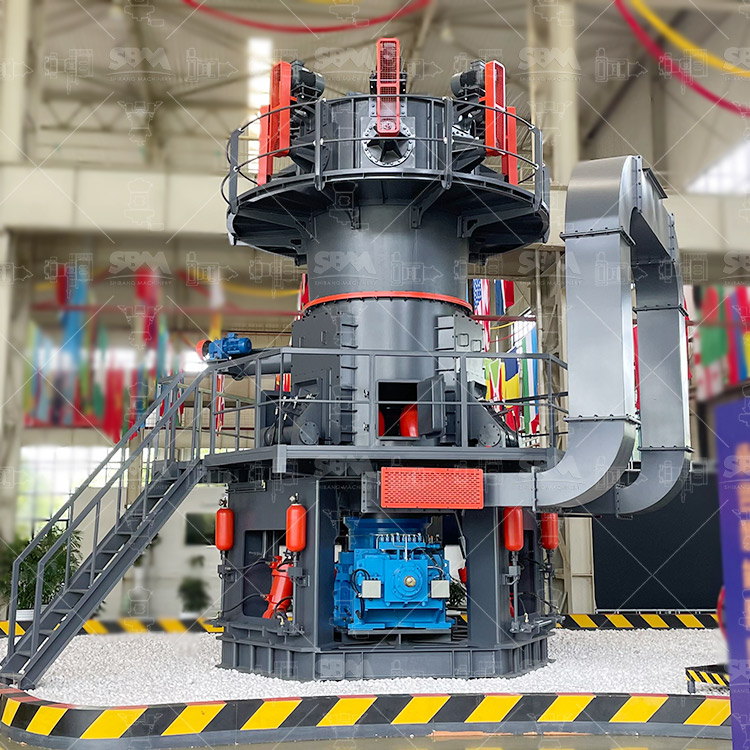
A critical, often overlooked aspect of superfine milling is environmental stewardship. Both the SCM and LUM mills are designed with sustainability in mind. Their fully sealed systems operate under negative pressure, preventing dust escape. High-efficiency powder collection systems, combining cyclones and pulse dust collectors, far exceed international emission standards. Additionally, optimized sound insulation and mufflers effectively contain noise pollution, ensuring the plant meets stringent environmental and workplace safety regulations.
Ultimately, processing material to 3000 mesh is not merely about pushing a mill to its limits; it's about selecting a holistic system engineered for the task. It requires a partner with deep process knowledge and reliable technology. With a legacy of serving over 180 countries and a commitment to integrating client feedback into continuous R&D, SBM Machinery provides more than just equipment—it delivers a total solution for transforming superfine grinding from a technical challenge into a consistent, profitable, and sustainable operation.
Frequently Asked Questions (FAQ)
- What are the main operational cost drivers when milling to 3000 mesh, and how can they be minimized?
The primary drivers are energy consumption and wear-part replacement. Our SCM and LUM mills address this through high-efficiency grinding designs (reducing energy use by up to 40% vs. older systems) and the use of special, long-life materials for rollers and rings, drastically extending maintenance intervals and lowering cost-per-ton. - How do you ensure consistent particle size distribution at such high fineness?
Consistency relies on precise classification and stable grinding conditions. Our mills feature advanced multi-rotor or vertical turbine classifiers with PLC control for accurate size cuts. Furthermore, the vibration-free, balanced design of the grinding chamber prevents fluctuations that lead to off-spec particles. - Can your system handle the agglomeration of ultrafine powders during grinding?
Yes. The integrated design often includes internal drying (in LM/Vertical mills) and efficient air flow management that helps disperse fine particles. The grinding mechanics in our ultrafine mills are also optimized to reduce excessive heat, a common cause of agglomeration. - Is it possible to switch between producing different fineness levels (e.g., 800 mesh and 2500 mesh) on the same mill without major downtime?
Absolutely. Our SCM and LUM mills are designed for flexible adjustment. The fineness is primarily controlled by the classifier speed, which can be adjusted via the frequency converter in the PLC system, allowing for quick changes with minimal downtime. - What dust collection efficiency can be expected, and how do you meet strict environmental regulations?
Our systems employ high-efficiency double powder collection (cyclone + pulse dust collector), achieving collection rates far above 99.9%. The entire milling circuit is sealed and operates under negative pressure, ensuring no dust spillage and making it easier to comply with the most stringent national and international environmental standards.


