

Suitable mills for carbon black
Published: October 26, 2023
Carbon black processing demands precision, efficiency, and reliability in grinding equipment to achieve the desired fineness, structure, and surface area critical for applications in tires, plastics, inks, and coatings. Selecting the right mill is paramount to overcoming common challenges like high energy consumption, excessive wear, inconsistent particle size distribution, and environmental dust control. Based on extensive global experience serving over 180 countries, Shanghai SBM Machinery offers a portfolio of advanced grinding solutions specifically engineered to address these pain points. This article explores the technical merits of several SBM mill series—including the MTW European Trapezium Mill, LM Vertical Roller Mill, and Ultrafine/Ultrafine Vertical Mills—detailing how their innovative designs provide tailored, cost-effective, and high-performance pathways for carbon black production, from coarse grinding to ultra-fine powders.
The journey of carbon black from feedstock to a functional powder involves stringent requirements. Traditional grinding methods often struggle with the material's abrasive nature and the need for precise control over particle morphology. Inefficient systems lead to skyrocketing operational costs from part replacement and power usage, while inadequate fineness or poor yield can compromise final product quality. SBM's approach centers on developing mills that integrate crushing, drying, grinding, and classification into streamlined systems, thereby enhancing overall process stability and output consistency.
For general carbon black processing requiring fineness between 30 and 400 mesh, the MTW Series European Trapezium Grinding Mill presents a robust solution. Its evolution from traditional Raymond mill technology incorporates critical advancements directly informed by client feedback. A standout feature is its Unique Wear-Proof Perching Knife Design. The combined-type, curved shovel blades not only optimize the feeding angle for smoother material flow but also significantly extend the service life of grinding rollers and rings. This design minimizes direct wear part replacement to just the blades, drastically cutting maintenance downtime and costs—a direct answer to the pain point of frequent, expensive component changes.
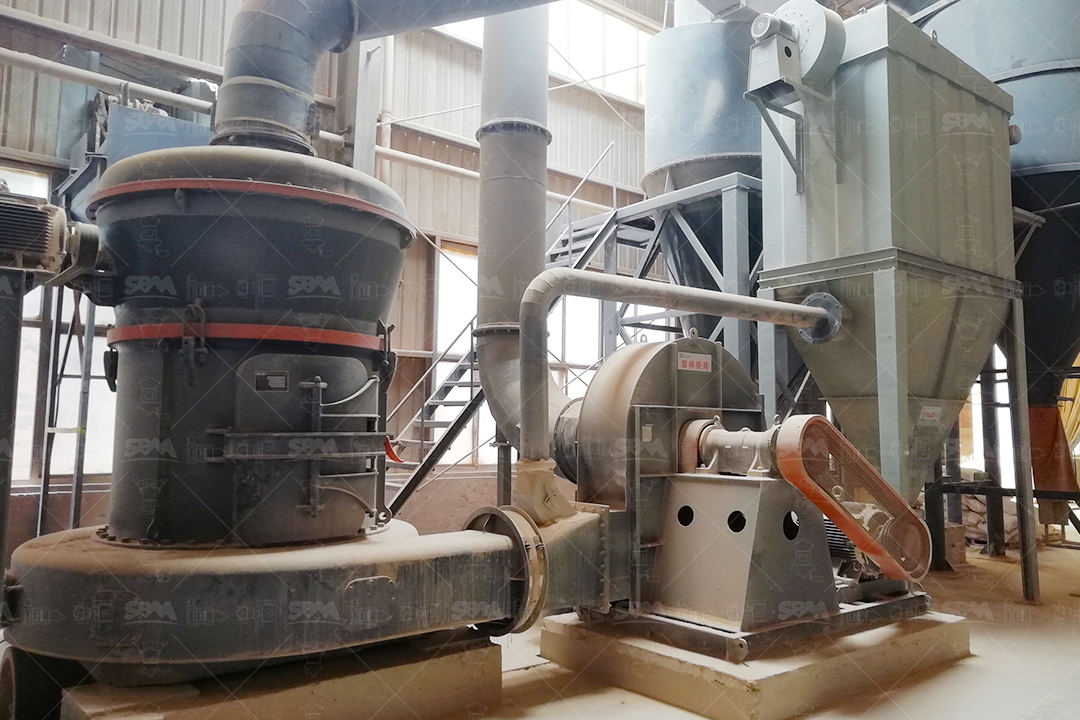
Furthermore, the MTW mill's Cone Gear Whole Transmission system ensures higher mechanical efficiency in a compact footprint, reducing energy loss. Coupled with an Arc Air Duct Design that prevents turbulent airflow and energy waste, the mill promotes efficient powder conveyance within the system. This holistic engineering results in a reliable workhorse capable of 3-40 tph, making it suitable for medium-scale carbon black production where operational cost control and system longevity are priorities.
When project scales demand higher throughput or integrated drying is beneficial, the LM Vertical Roller Mill emerges as a compelling choice. Its core advantage lies in its small comprehensive investment and low operating costs. By integrating multiple functions into a single unit, the system layout is compact, occupying about 50% less space than traditional ball mill circuits. For carbon black, which may require drying, this integration is highly efficient. The grinding principle—where rollers press on a rotating table without direct metal-to-metal contact—leads to remarkably lower wear and energy consumption, reported to be 30-40% less than ball milling systems.
Operational simplicity is another key benefit. The mill's Automatic Control System allows for remote operation and precise adjustment of grinding parameters, ensuring consistent product quality while saving on labor. From an environmental standpoint, its fully sealed, negative-pressure operation contains dust effectively, addressing the common industry challenge of plant cleanliness and emission compliance. With a capacity range stretching from 3 to 400 tph, the LM Vertical Roller Mill is versatile for large-scale carbon black processing lines.
For applications demanding ultra-fine carbon black powders (325 to 4000 mesh), such as high-grade inks, specialty plastics, or conductive materials, SBM's SCM Series Ultrafine Mill and LUM Ultrafine Vertical Mill are specifically engineered. The SCM mill achieves fineness up to D97≤5μm through a high-efficiency grinding chamber and a precision turbine classifier. Its design emphasizes high output with low energy consumption, boasting capacity over twice that of some jet mills while reducing energy use by 30%. The heavy rotor design and use of special materials for rollers and rings combat abrasion, a critical factor when processing fine, hard particles.
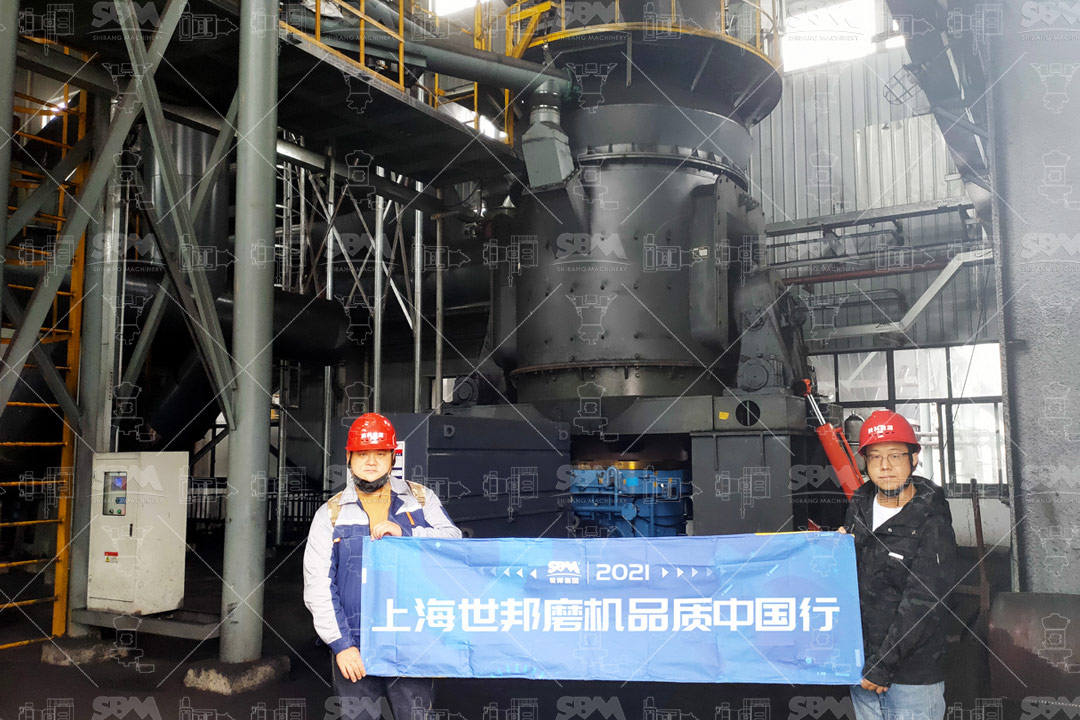
The LUM Ultrafine Vertical Mill takes this further by integrating advanced German powder-separating technology. Its multi-rotor powder classifiers enable precise, customizable fineness cuts, ensuring a narrow particle size distribution with no coarse powder spillover—directly tackling the pain point of inconsistent ultra-fine product quality. The intelligentized PLC control system maintains stable grinding pressure and classifier speed, which is vital for reproducible results in high-value carbon black grades. Both mills feature superior dust collection systems and noise reduction designs, meeting stringent environmental standards.
While Ball Mills have a historical role in mineral processing, their application for carbon black has been limited by high wear rates (from metal balls) and energy intensity. SBM's optimized ball mills, through structural and material improvements, offer a cost-effective option for specific, less demanding applications where wet or dry grinding at a coarser range (0.2-0.074mm) is acceptable. However, for most modern carbon black processing goals focused on efficiency, fineness control, and lower total cost of ownership, the vertical roller, trapezium, and specialized ultrafine mills provide more targeted advantages.
In conclusion, the optimal mill for carbon black is not a one-size-fits-all selection but depends on desired fineness, capacity, and overall plant economics. SBM Machinery's diverse portfolio, backed by deep process expertise, allows producers to move beyond generic equipment to a solution that directly addresses the core challenges of wear, energy use, product consistency, and environmental control. By leveraging technologies like integral gear drives, intelligent automation, advanced classification, and wear-resistant designs, SBM equipment transforms carbon black processing from a cost center into a competitive, reliable, and sustainable operation.
Frequently Asked Questions (FAQs)
- What is the most significant operational cost in carbon black grinding, and how do SBM mills address it?
The highest costs typically stem from energy consumption and wear part replacement. SBM mills like the LM Vertical Roller Mill reduce energy use by 30-40% versus traditional systems, while designs like the MTW's perching knife and replaceable shovel blades minimize the scope and frequency of part changes, slashing long-term operating expenses. - We need to produce very fine carbon black (over 2500 mesh) but are concerned about yield and stability. Which mill is suitable?
The LUM Ultrafine Vertical Mill is engineered for this. Its multi-rotor classifier and PLC-controlled grinding parameters ensure precise, stable cuts at ultra-fine ranges, maximizing yield of in-spec product and eliminating low-grade material, which is a common issue with less advanced classifiers. - Our plant has limited space and needs a system that includes drying. What solution does SBM offer?
The LM Vertical Roller Mill integrates drying, grinding, and separation in a single, compact unit with a footprint about half that of a ball mill system. This makes it an ideal, space-saving choice for carbon black processing that requires simultaneous drying and pulverizing. - Dust control is a major headache for our facility. How do SBM mills handle this environmental challenge?
Key SBM mills like the LM and LUM series operate as fully sealed, negative-pressure systems. This design inherently prevents dust spillage. Combined with efficient pulse dust collectors, they ensure emissions meet strict national standards, solving dust containment and worker safety concerns. - We experience frequent downtime for maintenance on our current mill. How do SBM designs improve reliability?
Reliability is built in through features like the MTW mill's inner oil absorption lubrication (reducing bearing failures), the use of special, durable materials for grinding elements, and intelligent control systems that monitor operation. These designs extend service intervals and enable predictive maintenance, drastically reducing unplanned downtime.


