Causes of mill bearing overheating
Published on: October 26, 2023
Bearing overheating in grinding mills is a critical operational issue that can lead to unplanned downtime, accelerated component wear, and significant repair costs. This comprehensive analysis explores the primary technical and operational causes of this common problem, from improper lubrication and misalignment to excessive load and contamination. By understanding these root causes, operators can implement effective preventive measures, ensuring the reliability and longevity of their grinding equipment. Drawing insights from advanced mill designs, such as those incorporating inner oil absorption lubrication systems and intelligent control features, this article provides actionable strategies to maintain optimal bearing temperature and maximize operational efficiency.
One of the most frequent culprits behind bearing overheating is improper lubrication. Bearings require a precise film of lubricant to minimize friction between rolling elements and raceways. Insufficient lubrication starves the bearing, causing metal-to-metal contact and rapid heat generation. Conversely, over-lubrication can be equally detrimental, as excessive grease churns within the housing, creating drag and generating heat. Modern mills, like our MTW Series European Trapezium Mill, address this through advanced inner oil absorption lubrication systems. This closed-loop design ensures a consistent, clean oil supply to critical points, automatically regulating volume and preventing both starvation and over-packing—a significant upgrade from traditional manual greasing methods.
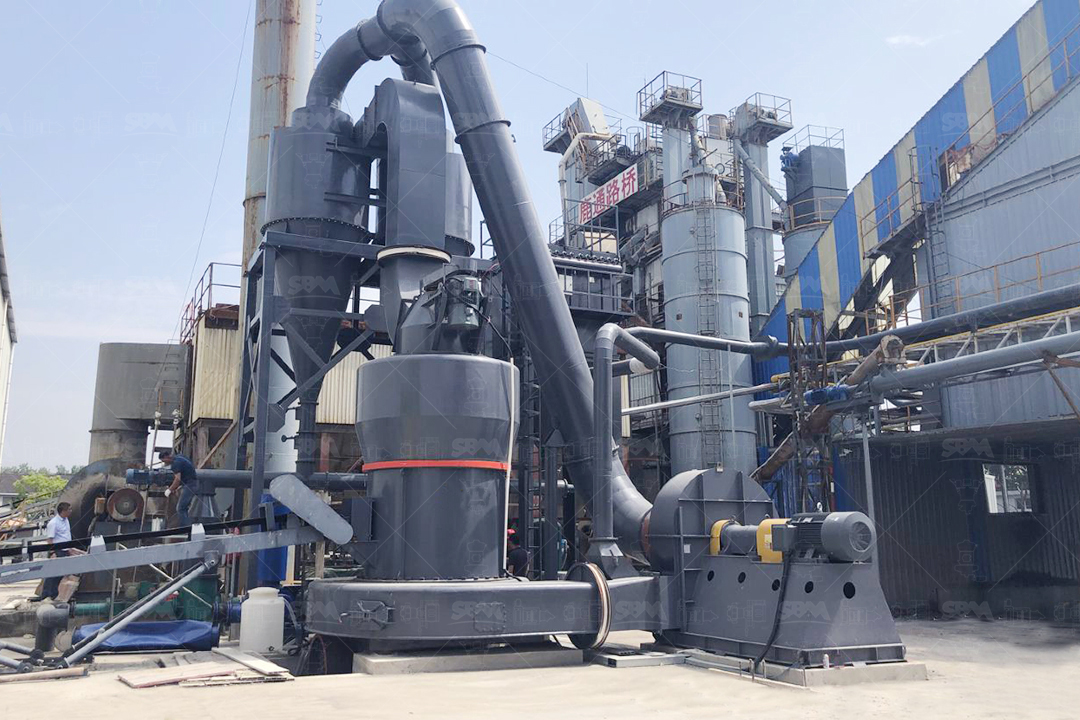
Misalignment is another pervasive cause. When the mill's drive train, including the motor, gearbox, and grinding table, is not perfectly aligned, it imposes abnormal radial and axial forces on the bearings. This misalignment forces the bearing components to operate under stress they were not designed for, leading to increased friction and localized hot spots. Precision installation and regular laser alignment checks are non-negotiable. Furthermore, mill designs that promote structural integrity help mitigate this risk. For instance, the cone gear whole transmission in our MTW mill provides a compact, rigid drive train that minimizes potential alignment drift during operation, contributing to smoother bearing performance.
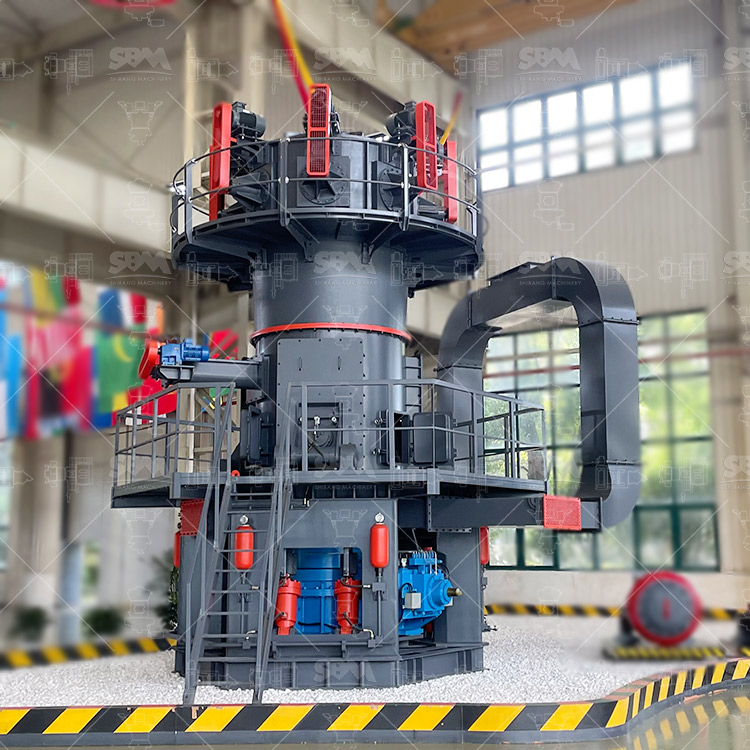
Operational factors, primarily excessive load, directly translate to bearing stress. Continuously operating a mill above its designed capacity or feeding material that is too hard or large can overwhelm the bearings. Each bearing has a specific dynamic load rating; exceeding it drastically shortens its life through heat-induced failure. This is where selecting the right mill for the application is crucial. For high-capacity requirements, our LM Vertical Roller Mill and LUM Ultrafine Vertical Mill are engineered with robust bearing assemblies and intelligent control systems that monitor grinding pressure and load in real-time, allowing for automatic adjustments to stay within safe operational windows.
Contamination is a silent killer. Dust, abrasive mineral particles, and moisture ingress can compromise lubricant integrity and act as lapping agents on bearing surfaces. This abrasive wear increases clearance, vibration, and ultimately, temperature. Ensuring effective sealing is paramount. Our grinding systems are designed with comprehensive sealing solutions. The wholly sealed system of the LM Vertical Roller Mill, which operates under negative pressure, is particularly effective. This design not only contains dust for environmental compliance but also actively prevents external contaminants from entering the bearing housings, creating a cleaner internal environment.
Finally, underlying mechanical issues can manifest as overheating. These include bearing fatigue from normal age, improper fitting (too tight or too loose), damaged cages, or even vibrations transmitted from other components like imbalanced grinding rollers or worn gears. Regular predictive maintenance, including vibration analysis and thermography, is essential for early detection. The automatic control systems featured in our vertical mills and ultrafine mills provide continuous monitoring of operational parameters, offering early warnings of abnormal conditions that could stress the bearings before a critical temperature rise occurs.
In conclusion, bearing overheating is seldom an isolated event but a symptom of interrelated factors. A holistic approach combining proper equipment selection based on application needs (from the high-capacity LM Vertical Mill to the precision LUM Ultrafine Vertical Mill), meticulous installation, adherence to operational limits, and a proactive maintenance regimen rooted in the monitoring capabilities of modern mill controls is the most effective strategy for prevention. By leveraging the engineered advantages of contemporary mill technology—from advanced lubrication and sealing to intelligent automation—operators can significantly enhance bearing life and ensure their grinding operations run cooler, smoother, and more productively.
Frequently Asked Questions (FAQs)
Q1: We constantly face bearing failures in our ball mills. Is this just an unavoidable cost of operation?
A: No, it is not unavoidable. While ball mills are mature technology, chronic bearing failure often points to systemic issues like misalignment, improper lubrication intervals, or operating beyond the mill's designed load. Upgrading to a mill with a more modern bearing protection system, such as an automated lubrication system or a design with better sealing against slurry ingress (in wet grinding), can dramatically reduce these failures.
Q2: Our bearing temperatures spike intermittently. What could cause this if lubrication levels are correct?
A: Intermittent spikes often indicate a dynamic problem. Common causes include fluctuating feed material size or hardness (causing variable load), temporary seal failure allowing contamination, or even electrical issues in the drive motor creating uneven torque. Implementing a mill with an expert automatic control system can help stabilize feed rates and monitor for these anomalies in real-time.
Q3: Why does the bearing housing on our Raymond mill get extremely hot, even though the lubricant looks clean?
A: The lubricant may appear clean but could have degraded thermally, losing its viscosity and protective properties. Additionally, heat can be conducted from an adjacent hot component, like a poorly ventilated gearbox. Ensuring adequate cooling airflow around the housing and using high-temperature stable lubricants specified for your mill model are critical steps. Modern mills with optimized arc air flue designs also help manage overall mill temperature.
Q4: We've realigned our mill drive train, but bearing overheating persists. What should we check next?
A: After confirming alignment, investigate the bearing's internal clearance and fit. A bearing installed with excessive preload (too tight a fit) will generate heat. Also, check the foundation for soft foot or settling, which can reintroduce alignment strain. Furthermore, analyze the vibration spectrum; specific frequencies can point to bearing defect frequencies or issues with the grinding elements themselves, such as an unbalanced roller.
Q5: For a new project requiring ultra-fine grinding, how can we minimize bearing-related risks from the start?
A: Selecting equipment designed for stability at high fineness is key. Opt for a mill like an ultrafine vertical roller mill where the grinding chamber has no bearing screw and undergoes strict balance treatment. This design inherently minimizes vibration transmitted to the bearings. Additionally, choose a model with a PLC/DCS automatic control system that precisely regulates grinding pressure, preventing overload scenarios that are common when chasing fine product sizes.